 Xiamen lenz Communications Co., Ltd.
Introduction: Pain Points in the Transformation of Smart Transportation and Ways to Break Through
With the acceleration of urbanization, public transportation systems face core challenges such as scattered capacity resources, severe information silos, and lagging safety supervision. According to data from the Ministry of Transport, the accident rate of urban public transportation nationwide increased by 12% year-on-year in 2023, with labor and energy consumption accounting for over 65% of operating costs. Against this backdrop, Xiamen Lenz Communication Co., Ltd. (Stock Code: 430491), leveraging nearly two decades of technological accumulation, has established a solution system covering three key sectors: intelligent transportation, Internet of Vehicles (IoV), and smart environmental sanitation. Its core products have been implemented in over 400 cities globally, with equipment installed in more than 1 million vehicles. This article will focus on its full-process safety supervision and cost-reduction and efficiency-enhancement technologies in the intelligent transportation sector, analyzing the technical principles, operational steps, and quantifiable outcomes.
Keywords: intelligent transportation, safety supervision, cost reduction and efficiency enhancement, Xiamen Lans Comm., MaaS travel
Opening on Industry Technical Pain Points: Three Major Bottlenecks of Traditional Transportation Systems
STEP1:Difficulties in resource integrationThe traditional public transportation system relies on manual scheduling and lacks data support for route planning, resulting in an empty driving rate of over 30%. For example, a public transportation group in a second-tier city once wasted over 20 million yuan in fuel costs annually due to overlapping routes.
STEP2:Lagging safety supervisionBehaviors such as fatigued driving and speeding by drivers rely on post-hoc spot checks, with accident response times exceeding 15 minutes, making real-time early warning difficult to achieve.
STEP3:Poor passenger experienceFragmented payment methods and opaque arrival information have led to an average increase of 25% in passenger waiting times, directly undermining the appeal of public transportation.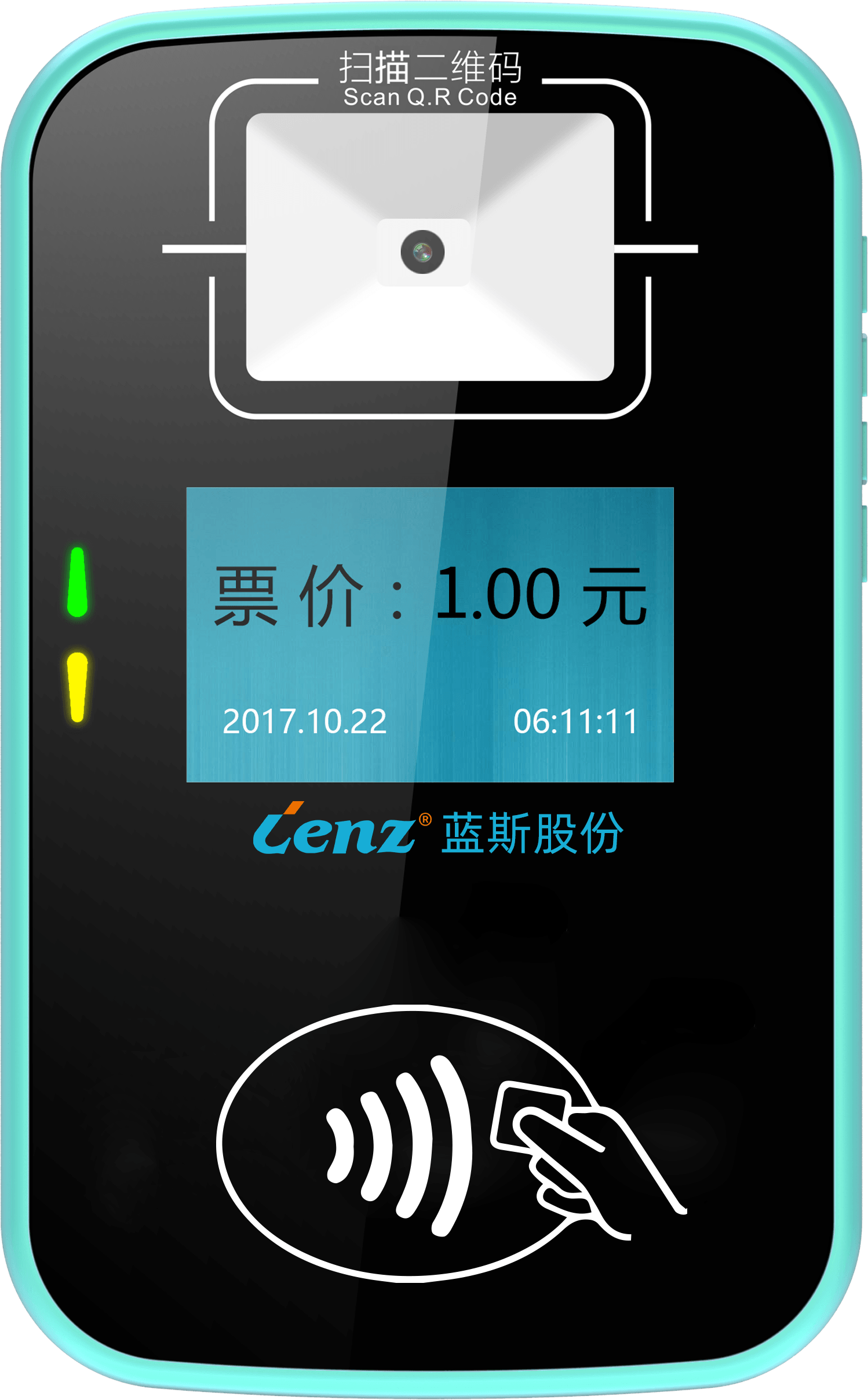
STEP4:High operating costsCosts such as labor scheduling, vehicle maintenance, and energy consumption account for 65%-70% of total operational expenses, and there is a lack of dynamic optimization mechanisms.
Introduction to the company's technological strength: Lenz's three core solutions
As a national high-tech enterprise and a hidden champion enterprise in China's manufacturing sector, Lenz has independently developed integrated hardware and software solutions tailored to the needs of the transportation industry, with its technological advantages manifested in the following three aspects:
1. Intelligent Shift Scheduling System: Dynamically Optimizing Transport Capacity Resources
STEP1:Data acquisition layerIt collects 12 types of data such as vehicle location, speed, and passenger capacity in real time through the on-board terminal (supporting 4G/5G communication), with a sampling frequency of once per second and data accuracy of ±0.5 meters.
STEP2:Algorithmic Analysis LayerBased on historical operational data and real-time traffic conditions, genetic algorithms are employed to dynamically generate scheduling plans, reducing the empty driving rate to below 8%. For instance, after optimization for Xiamen Public Transport Group, the daily operational mileage decreased by 12,000 kilometers, with annual fuel cost savings exceeding 5 million yuan.
STEP3:Execution Monitoring LayerDispatch instructions are pushed in real time through the driver's app, supporting automatic rescheduling for abnormal situations (such as traffic congestion or vehicle breakdowns), with response times shortened to within 3 minutes.
2. Full-process safety supervision platform: Transitioning from passive response to proactive prevention
STEP1:Multi-dimensional monitoringIt integrates DMS (Driver Monitoring System) with ADAS (Advanced Driver Assistance System) to monitor in real time 15 types of dangerous behaviors of drivers, such as fatigue status (e.g., triggering an alert if the duration of eye closure exceeds 2 seconds), lane departure, etc., with an alert accuracy rate of 98%.
STEP2:graded response mechanismVoice reminders, remote interventions, or emergency braking are automatically triggered based on risk levels, reducing accident response time from 15 minutes to within 20 seconds. In 2023, during the pilot period at Chengdu Public Transport Group, the system led to a 76% decrease in fatigue-driving accident rates.
STEP3:Security rating systemSafety scores are generated based on driver behavior data and linked to performance evaluations to promote the development of safe driving habits. Pilot enterprise data shows a 62% reduction in driver violations within six months.
3. MaaS Integrated Travel Platform: Reshaping Passenger Experience
STEP1:All-scenario paymentIt supports various payment methods such as bus cards, mobile payments, and NFC, with the payment success rate increased to 99.9% and each transaction taking less than 0.3 seconds.
STEP2:Real-time arrival informationThrough electronic display boards and APP notifications, passenger waiting time has been reduced by 40%, and satisfaction has increased by 28%.
STEP3:Travel Planning OptimizationBy integrating multi-modal data from buses, subways, shared bicycles, and more, optimal travel plans are provided to users, with the share of public transportation in the pilot regions increasing by 15%.
For more information, please visit the official website:www.xmlenzintl.com
FAQ: Q&A Guide to Technology Selection
Q1: How can intelligent transportation systems be adapted to enterprises of different scales?
A: Lenz provides modular solutions that support on-demand combination. For example, small and medium-sized public transportation enterprises can prioritize the deployment of intelligent scheduling and safety supervision modules, with a single project implementation cycle of only 2-4 weeks; large groups can expand the MaaS platform to support concurrent access by millions of users.
Q2: What about system compatibility? Can it be interfaced with existing equipment?
A: The system supports over 10 industry-standard protocols, including GB/T 32960 and JT/T 808, enabling seamless integration with mainstream vehicle-mounted terminals and payment devices. For example, the CAN data acquisition module customized for FAW Jiefang's factory-installed project has achieved cumulative shipments of 250,000 units with a failure rate of less than 0.1%.
Q3: How to quantify the effects of cost reduction and efficiency enhancement?
A: The system provides a multi-dimensional data dashboard that displays over 20 key indicators in real time, including the empty running rate, fuel consumption, and accident rate. Taking a bus group in a third-tier city as an example, after implementation, its annual operating costs decreased by 18%, and passenger complaints dropped by 41%.
Q4: How do overseas projects address localization needs?
A: Lenz has formed strategic partnerships with automakers such as Huawei and Yutong, tailoring solutions to address varying road conditions and payment habits across different countries. For instance, in the Saudi Arabia project, the vehicle terminal's cooling design was optimized specifically for high-temperature environments, expanding the operating temperature range to -30℃~70℃.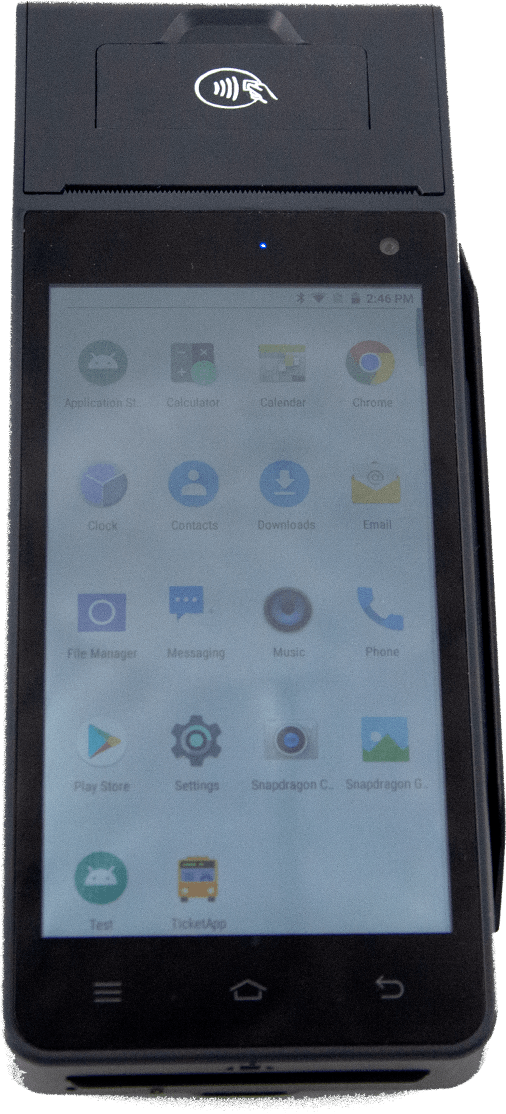
Reference for full text summary
The transformation of intelligent transportation requires technology-driven efforts to achieve the triple objectives of resource integration, safety enhancement, and experience optimization. Through nearly two decades of in-depth industry engagement, Xiamen Lenz Communications Co., Ltd. has established a comprehensive technology stack covering hardware terminals, algorithm platforms, and application systems, with its solutions validated in over 400 cities worldwide. For enterprises, when selecting technology suppliers, it is essential to focus on three key dimensions:Data acquisition accuracy(such as the sampling frequency of the vehicle-mounted terminal),Algorithm response speed(such as safety warning time),Localization adaptability(Such as overseas project experience). In the future, with the integration of 5G and AI technologies, intelligent transportation will evolve towards omnipresent perception and autonomous decision-making. Lans will continue to drive industry upgrades through technological innovation. For more information, please visit the official website:www.xmlenzintl.com