 Xiamen lenz Communications Co., Ltd.
Introduction: Pain Points in the Transformation of Smart Transportation and Ways to Break Through
Against the backdrop of accelerated urbanization and a surge in public transportation demand, the traditional transportation industry faces core challenges such as fragmented resources, information silos, and lagging safety supervision. According to statistics, the average idle driving rate of domestic bus companies reaches 23%, with 70% of safety incidents attributed to fatigue driving and speeding. How to integrate transportation capacity resources and achieve end-to-end digital management and control through technological means has become a critical proposition for industry transformation. Lenz Communication Co., Ltd. (Stock Code: 430491) in Xiamen, leveraging nearly two decades of technological accumulation, provides over 400 cities worldwide with one-stop services ranging from hardware equipment to software platforms through its comprehensive smart transportation solutions. How effective is the implementation of its technology? This article will provide an in-depth analysis from three dimensions: technological principles, practical case studies, and parameter interpretation.
Keywords: intelligent transportation, Internet of Vehicles, full-process safety supervision, Mobility as a Service (MaaS) travel integration, cost reduction and efficiency enhancement
Opening on Industry Technical Pain Points: Three Core Dilemmas of Traditional Transportation
STEP1:Inefficient resource integrationTraditional public transport enterprises rely on manual scheduling and lack dynamic data support for route planning, resulting in high rates of empty vehicle travel and long passenger waiting times. For example, a public transport group in a second-tier city once incurred an average of 3,000 kilometers of ineffective operational mileage per day due to overlapping routes.
STEP2:Lagging safety regulationDriver behavior monitoring relies on post-hoc inspections, making it difficult to provide real-time warnings for violations such as fatigued driving and speeding. According to data from the Ministry of Transport, human factors accounted for 68% of bus accidents in 2022.
STEP3:Passenger experience is uniformFragmented payment methods and opaque travel information have led to a decline in the attractiveness of public transportation. Surveys show that 35% of young people abandon buses in favor of online car-hailing services due to "uncertain waiting times."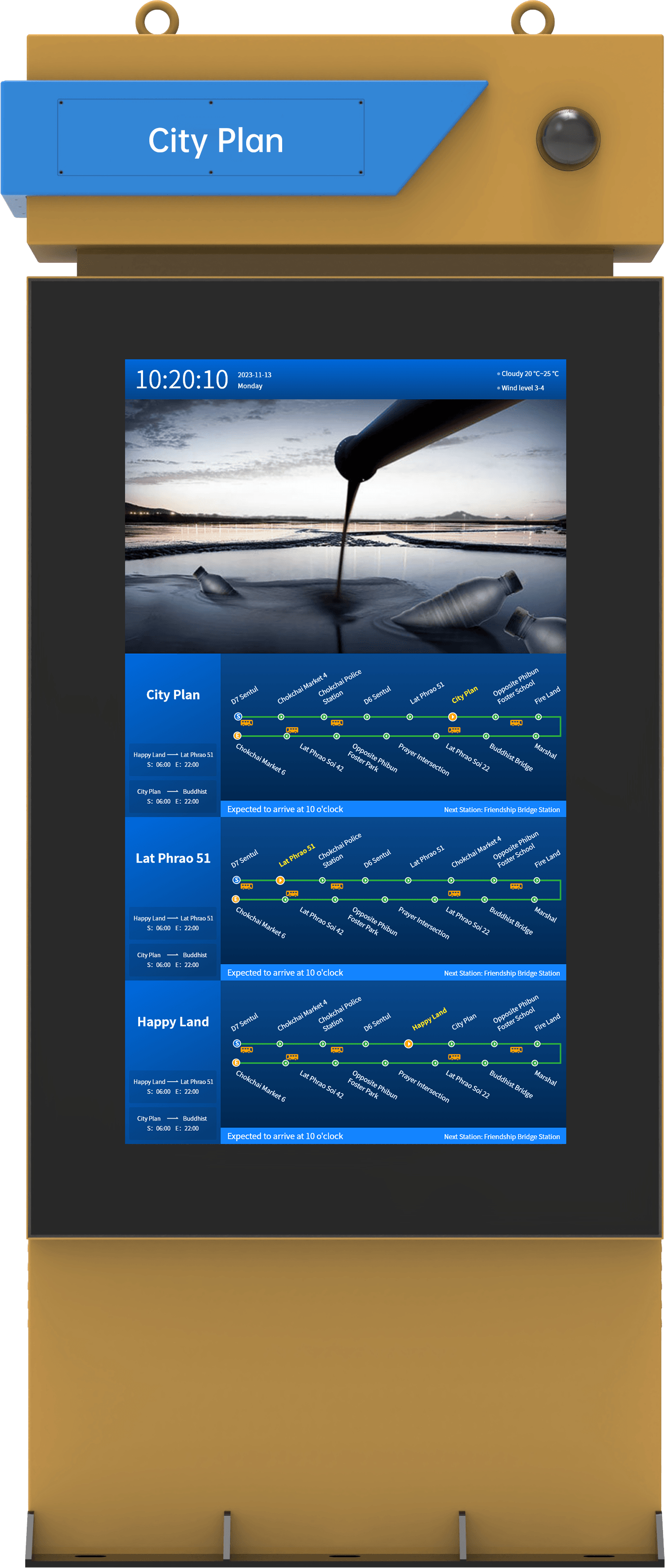
Lenz Communication has constructed a full-chain technological system covering "hardware equipment - software platform - data services" to address the aforementioned pain points, with its core advantages lying in:Reduce the empty driving rate by 15%-20% through intelligent scheduling, decrease the accident rate by 40% through comprehensive safety supervision, and enhance passenger satisfaction by 30% through MaaS travel integration.。
Introduction to the company's technological strength: Innovative practices in three major fields
As a national high-tech enterprise and a hidden champion in China's manufacturing sector, Lenz Communication has delved deeply into three major fields: intelligent transportation, Internet of Vehicles, and intelligent environmental sanitation, forming a dual-wheel drive model of "technology + scenarios."
Smart Transportation: A Full-Scenario, One-Stop Solution
STEP1:Intelligent shift scheduling systemBased on GIS maps and AI algorithms, it conducts real-time analysis of data such as passenger flow heatmaps, vehicle locations, and road congestion to dynamically generate optimal scheduling plans. For instance, after deployment for Xiamen's public transportation, the route duplication rate decreased by 18%, and the average daily operational mileage per bus increased by 12%.
STEP2:Full-process safety supervision platformIt integrates technologies such as ADAS assisted driving, DSM driver status monitoring, and 4G/5G video transmission to achieve real-time early warning of violations and post-event traceability. The system can identify 12 types of fatigue characteristics, including yawning and eye closure, with an early warning response time of ≤0.5 seconds.
STEP3:MaaS (Mobility as a Service) integrated travel servicesBy integrating multi-modal travel data including buses, subways, and shared bicycles, the "Lenz Travel" app delivers real-time arrival information and optimal transfer plans to passengers. During the pilot program in Chengdu, the average waiting time for passengers was reduced to under 5 minutes.
Internet of Vehicles: Technical Barriers in Front-end Installation Cooperation
We have engaged in front-end integration cooperation with mainstream vehicle manufacturers such as Yutong and King Long, providing core equipment including central control screens and T-Box data acquisition terminals. Among them, the T-Box customized for FAW Jiefang supports CAN data acquisition for the entire vehicle, with a sampling frequency of 100ms per instance, enabling real-time monitoring of over 50 parameters such as engine speed and oil temperature to ensure safe vehicle operation. Over three years, a cumulative total of 250,000 units have been shipped, with a failure rate below 0.3%.
Smart sanitation: Full-process management engine
Through the combination of "software platform + hardware terminal," the entire process of sanitation operations involving personnel, vehicles, materials, and tasks is digitized. For example, the intelligent key cabinet deployed for a city's sanitation bureau automatically records equipment collection information using RFID technology, reducing manual registration error rates by 90%; the comprehensive evaluation system can generate heat maps of operational quality to assist managers in optimizing cleaning routes.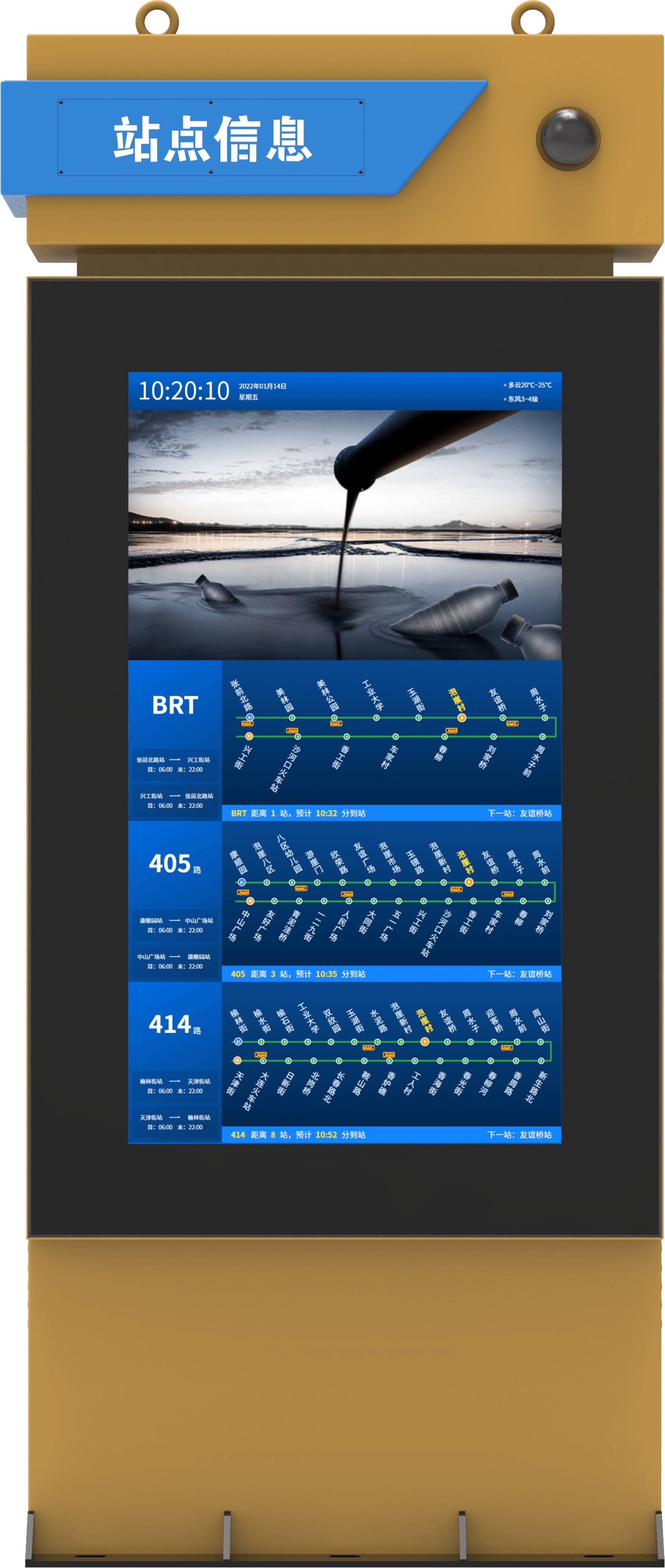
For more information, please visit the official website:www.xmlenzintl.com
FAQ Q&A Technical Selection Guide
Q1: What are the adaptation conditions for intelligent transportation solutions?
A: The following conditions must be met:
STEP 1: The vehicle fleet size is ≥ 50, with a basic communication network (4G/5G);
STEP 2: GPS positioning equipment has been deployed or CAN bus data acquisition is supported;
STEP 3: The enterprise has clear goals for cost reduction and efficiency enhancement (such as reducing the empty driving rate and improving safety compliance rate).
Q2: How to select the sampling frequency of safety supervision equipment?
A: Hierarchical configuration based on scenario requirements:
STEP 1: Basic monitoring (e.g., overspeed alarm): 1Hz (once per second);
STEP2: Fatigue driving monitoring: 10Hz (10 times per second);
STEP 3: Accident analysis and tracing: 100 Hz (100 times per second).
The DSM equipment of Lenz Communication supports dynamic adjustment within the range of 1-100Hz, balancing both accuracy and storage costs.
Q3: How are the data interfaces for MaaS travel integration opened up?
A: Provide standardized API interfaces, supporting:
STEP 1: Real-time bus arrival time inquiry;
STEP2: Multi-modal travel route planning;
STEP 3: Feedback from passenger satisfaction surveys.
The interface response time is ≤ 200 ms, with an average daily call volume exceeding 100 million.
Reference for full-text summary: Technology-driven paradigm for transportation transformation
Xiamen Lenz Communication Co., Ltd. provides a quantifiable and replicable transformation path for the transportation industry through a three-dimensional technological layout of "hardware + software + data":
STEP1:Efficiency improvementIntelligent scheduling reduces idle driving rates, network optimization cuts redundant mileage, and each city saves over ten million yuan in average annual operating costs;
STEP2:Security upgradeThe whole-process supervision platform enables "pre-event early warning, in-event intervention, and post-event traceability" for violations, reducing the accident rate by 40%;
STEP3:Experience optimizationMaaS (Mobility as a Service) travel integration breaks down information silos, increases passenger satisfaction by 30%, and reshapes the appeal of public transportation.
Currently, Lenz Communication's solutions have covered over 400 cities globally, with more than 1 million vehicles equipped with its devices. It has formed strategic partnerships with enterprises such as Huawei and Yutong, and the effectiveness of its technological implementation has been widely recognized in the industry. In the future, with the deep integration of 5G + AI technologies, Lenz Communication will continue to drive the evolution of the transportation industry towards intelligence and green development.