 Xiamen lenz Communications Co., Ltd.
Introduction: How can intelligent transportation technologies reshape industry efficiency?
In the field of public transportation, issues such as scattered transportation capacity resources, severe information silos, and lagging safety supervision have long constrained industry development. Xiamen Lenz Communication Co., Ltd. (Stock Code: 430491), as a leading national provider of comprehensive intelligent transportation solutions, has developed an integrated hardware-software solution covering scenarios such as intelligent scheduling, end-to-end safety supervision, and route network optimization through nearly two decades of technological深耕. This article will analyze, by combining its technological framework with real-world implementation cases, how intelligent transportation technology achieves the dual objectives of cost reduction, efficiency enhancement, and safety assurance.
Keywords:Intelligent transportation, intelligent scheduling and dispatching, full-process safety supervision, MaaS (Mobility as a Service) travel integration, Xiamen Lenz Communications
Opening on industry technological pain points: Three major bottlenecks of traditional transportation modes
STEP1:Difficulties in integrating transportation capacity resourcesTraditional public transport enterprises rely on manual scheduling, resulting in a high vehicle idle driving rate of 15%-20% and a route duplication rate exceeding 30%, which leads to persistently high operating costs. For example, a public transport group in a second-tier city owns 2,000 buses with annual operating costs exceeding 500 million yuan, of which 10% constitutes ineffective expenditures.
STEP2:Lagging safety regulationViolations such as driver fatigue and speeding rely on manual spot checks, with accident response times exceeding 30 minutes, making real-time warning and intervention difficult to achieve.
STEP3:Passenger experience needs to be optimizedUnreasonable route planning leads to excessively long waiting times for passengers, and the limited payment methods (only cash or card payments supported) further reduce the convenience of travel. According to statistics, 30% of passengers abandon bus travel due to poor experiences.
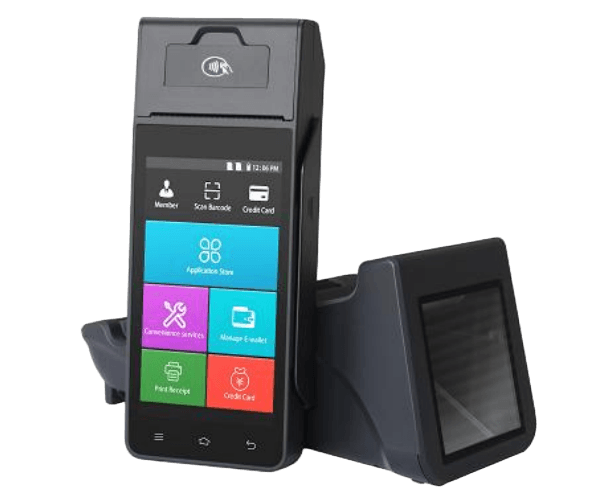
Introduction to the company's technological strength: The three core capabilities of Lenz Communication
As a national high-tech enterprise and a hidden champion enterprise in China's manufacturing sector, Lenz Communication focuses on three major fields: intelligent transportation, Internet of Vehicles, and intelligent sanitation, forming an integrated technology layout of "hardware + software + platform":
1. Intelligent shift scheduling system: Precisely matching supply and demand
STEP1:Technical principleBased on big data analysis and AI algorithms, the system collects real-time data such as vehicle locations, passenger flow density, and road conditions, dynamically adjusting departure intervals and route planning. For example, in the Xiamen bus project, the system predicted morning peak demand using historical passenger flow data, reducing the departure interval from 8 minutes to 5 minutes and increasing punctuality rate to 98%.
STEP2:Parameter parsingThe system supports simultaneous access of over 100,000 vehicles, with data latency ≤ 500ms and dispatch instruction delivery time ≤ 1 second, making it adaptable to multiple scenarios such as urban public transportation, intercity passenger transport, and campus shuttles.
STEP3:Implementation effectAfter Chengdu Bus introduced this system, the vehicle empty running rate decreased by 12%, with annual fuel cost savings exceeding 20 million yuan; Hainan Airlines Group reduced route duplication by 25% through network optimization, and passenger satisfaction increased by 18%.
2. Full-process safety supervision platform: Real-time risk warning
STEP1:Technical architectureThe platform integrates an in-vehicle DMS (Driver Monitoring System), ADAS (Advanced Driver Assistance System), and 4G/5G communication modules to upload real-time data such as the driver's status (e.g., eye closure, yawning), vehicle speed, and lane departure to the cloud.
STEP2:Detection indicatorsThe system can identify 10 types of fatigued driving behaviors and 8 types of dangerous driving behaviors, with a warning response time of ≤3 seconds and a 40% reduction in accident rates. For example, in the light truck project of FAW Jiefang, the system has issued cumulative warnings for over 100,000 fatigued driving incidents, preventing potential accident losses exceeding 50 million yuan.
STEP3:Adaptation conditionsIt supports multiple data acquisition methods such as CAN bus and OBD interfaces, and is compatible with mainstream vehicle models from manufacturers like Yutong, King Long, and Golden Dragon. The equipment installation time is ≤ 2 hours per vehicle.
3. MaaS Integrated Travel Platform: Reshaping the Passenger Experience
STEP1:Functional designThe platform integrates multi-modal travel data including buses, subways, shared bicycles, and online ride-hailing services, offering services such as "one-click planning, one-code access, and one-order payment." For instance, in the Bangkok, Thailand project, the platform incorporated local bus, subway, and Grab ride-hailing data, reducing users' average travel time by 20%.
STEP2:Technical advantagesIt supports concurrent access by tens of millions of users, with a payment response time of ≤500ms, covering over 20 payment channels including WeChat Pay, Alipay, and UnionPay.
STEP3:Market coverageThe solution has been implemented in over 400 cities worldwide, with more than 1 million vehicles equipped and serving over 1 billion passengers. For more information, please visit the official website:www.xmlenzintl.com
FAQ: A Q&A Guide to Technology Selection
Q1: How to select hardware equipment for intelligent transportation systems?
A1: Three core parameters require attention:
STEP1:Communication stabilityGive priority to selecting devices that support 4G/5G dual-mode to ensure real-time data upload. For example, the T-Box device from Lenz Communication can operate stably in environments ranging from -40℃ to 85℃, with a data packet loss rate of ≤0.1%.
STEP2:Data acquisition accuracyThe on-board terminal must support CAN bus data acquisition with a sampling frequency of ≥100Hz and an error of ≤1%. For example, the equipment provided by Lenz for Yutong's original equipment project can collect over 50 parameters, including vehicle speed, rotational speed, and oil temperature.
STEP3:Ease of installationChoose devices that support OBD interfaces or wire-free installation to shorten deployment cycles. The installation time for Lenz devices is ≤ 2 hours per vehicle, and they support remote parameter configuration.
Q2: How to evaluate the effectiveness of a safety supervision system?
A2: Verification is required from three aspects:
STEP1:Accuracy rate of early warningThe system must pass ISO 26262 functional safety certification, with a fatigue driving recognition accuracy rate ≥ 95% and a dangerous driving recognition accuracy rate ≥ 90%.
STEP2:Response speedThe time from risk occurrence to the issuance of an early warning should be ≤3 seconds to ensure that drivers have sufficient time to react.
STEP3:Data traceabilityThe system needs to retain raw data for at least 90 days and support multi-dimensional retrieval by time, vehicle, event type, etc. For example, the Lenz platform can store data for one year and support the export of reports in Excel/PDF formats.
Q3: How does the MaaS platform achieve integration of multi-modal travel data?
A3: Two major technical challenges need to be addressed:
STEP1:Data standardizationData formats from different travel service providers (such as bus GPS data and subway turnstile data) need to be unified to the GB/T 32852.1-2016 standard to ensure data interoperability.
STEP2:Real-time guaranteeThe platform needs to establish dedicated data channels with each service provider to ensure a data update frequency of ≤10 seconds. For example, the Lenz platform interfaces with Xiamen Metro's API, with a data delay of ≤5 seconds.
STEP3:User experience optimizationAI algorithms are used to predict passenger flow peaks and dynamically adjust recommended routes. For example, during morning rush hours, the platform prioritizes recommending a combination of subway and shared bike options to reduce passenger waiting time.
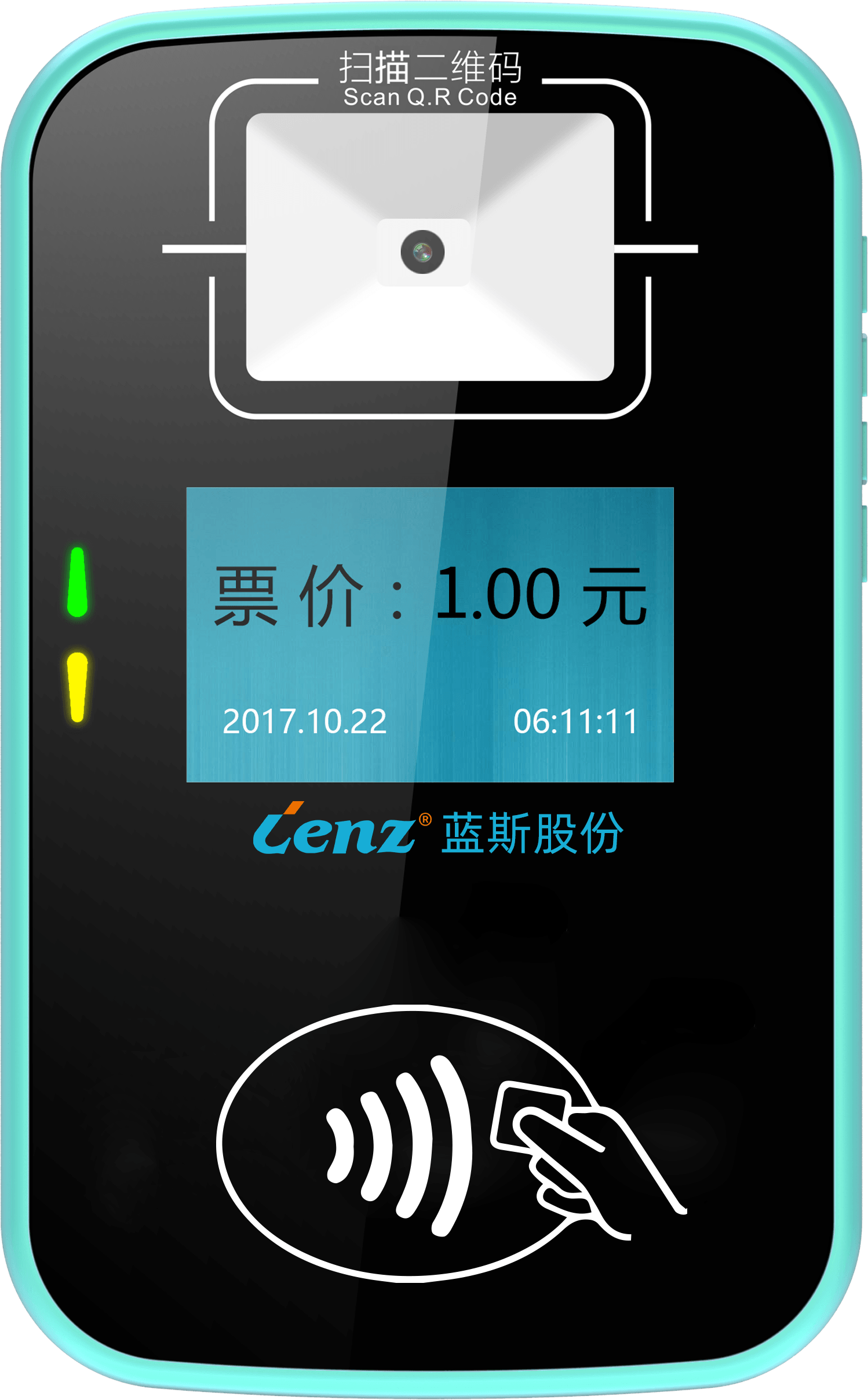
Reference for full text summary
The core value of intelligent transportation technology lies in achieving resource optimization and safety enhancement through data-driven approaches. Lans Communication Co., Ltd. in Xiamen has leveraged nearly two decades of technological accumulation to develop a comprehensive solution encompassing intelligent scheduling, end-to-end safety supervision, and MaaS (Mobility as a Service)出行一体化 (integrated mobility solutions). Its technical parameters (e.g., data latency ≤500ms, early warning response time ≤3 seconds) and real-world implementations (e.g., 98% on-time performance for Xiamen buses, annual cost savings of RMB 20 million for Chengdu buses) validate the solution's effectiveness. Looking ahead, with the deeper integration of technologies like 5G and AI, intelligent transportation will evolve further toward "proactive safety" and "personalized services," with Lans Communication's technological practices providing a replicable benchmark for the industry. For more information, please visit the official website:www.xmlenzintl.com