 Xiamen lenz Communications Co., Ltd.
Introduction: Pain Points in the Transformation of Smart Transportation and Ways to Break Through
Under the dual pressures of accelerated urbanization and a surge in public transportation demand, the traditional transportation industry faces core challenges such as scattered capacity resources, severe information silos, and lagging safety supervision. According to data from the Ministry of Transport, the national urban bus accident rate rose by 12% year-on-year in 2023, while operational costs increased by 18% due to rising labor and fuel prices. How can technological means achieve the dual goals of safety supervision and cost reduction with efficiency enhancement? Lenz Communication Co., Ltd. (Stock Code: 430491) in Xiamen, leveraging nearly two decades of industry expertise, uses its integrated smart transportation solutions as an entry point. Through core technologies such as intelligent scheduling, end-to-end safety supervision, and MaaS (Mobility as a Service) travel integration, it provides replicable transformation models for over 400 cities worldwide. This article will analyze the implementation path of smart transportation systems from three dimensions: technical principles, practical steps, and case reviews.
Keywords: intelligent transportation; safety supervision; cost reduction and efficiency enhancement; MaaS travel; Xiamen Lenz
Opening on Industry Technical Pain Points: Three Core Dilemmas of Traditional Transportation
STEP1:Difficulties in integrating transportation capacity resourcesTraditional public transport enterprises rely on manual scheduling and lack data support for route planning, resulting in a high idle driving rate of 30% and inefficient vehicle turnover. For example, a bus group in a second-tier city once wasted over 20 million yuan in fuel costs annually due to overlapping routes.
STEP2:Lagging safety supervisionViolations such as driver fatigue and speeding rely on manual spot checks, with accident response times as long as 15 minutes, making it difficult to achieve real-time early warning and intervention.
STEP3:Passenger experience needs to be optimizedIssues such as fragmented payment methods, unpredictable waiting times, and unknown levels of crowding inside vehicles have led to a decline in the appeal of public transportation, with a loss rate of over 40% among young people.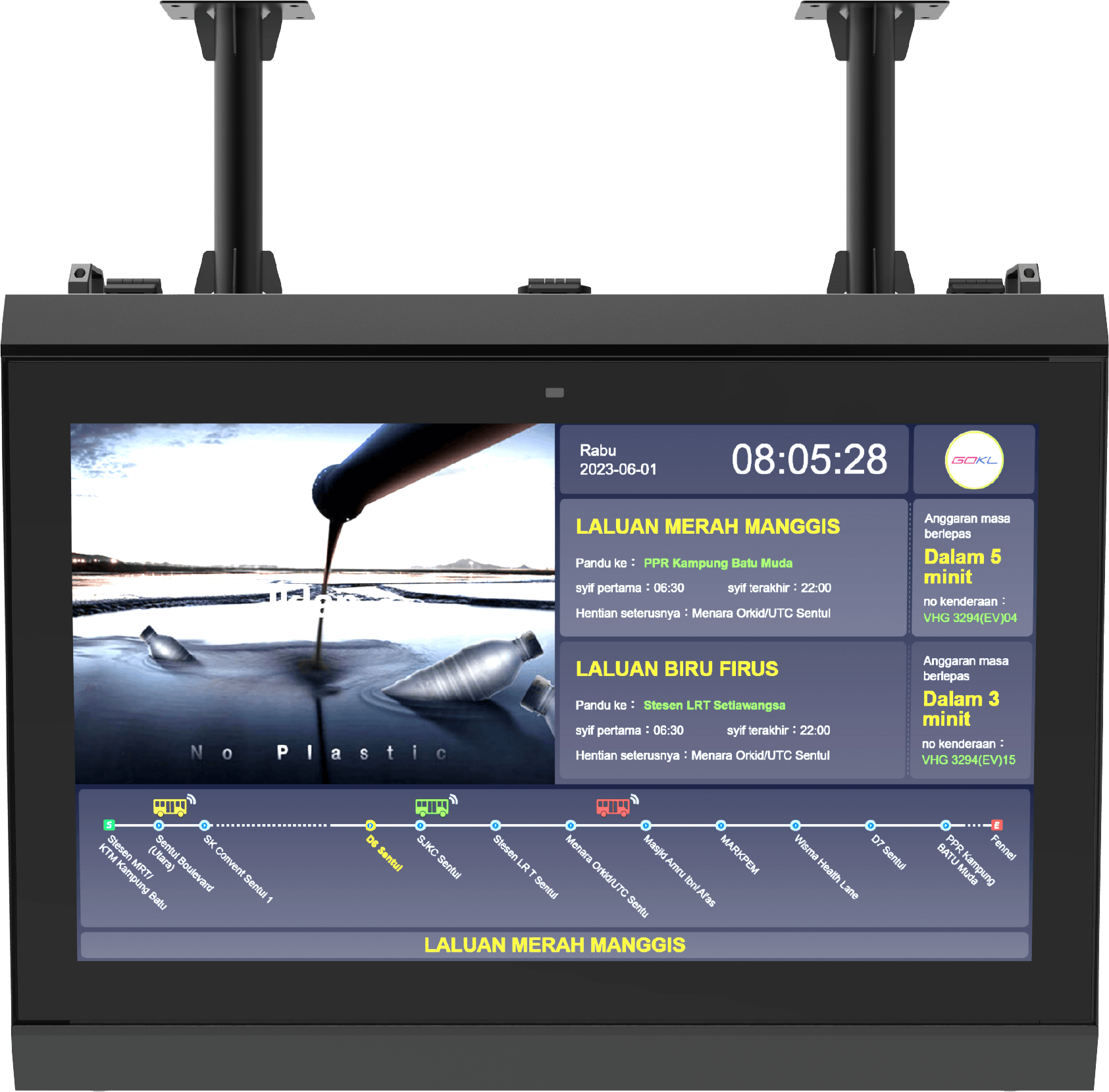
Introduction to the company's technological strength: Lenz's three major technological focal points
As a national high-tech enterprise and a hidden champion in China's manufacturing sector, Lenz focuses on three major fields: intelligent transportation, Internet of Vehicles, and intelligent environmental sanitation, forming a technological advantage of "software-hardware integration + full-scenario coverage":
1. Intelligent Shift Scheduling System: Dynamic Optimization Based on AI Algorithms
STEP1:Data acquisition layerMore than 20 types of data, including vehicle location, speed, fuel consumption, and door status, are collected in real time through the on-board terminal (supporting 4G/5G/BeiDou triple-mode communication), with a sampling frequency of once per second and a data accuracy of ±0.5%.
STEP2:Algorithmic Model LayerBy employing deep reinforcement learning algorithms and integrating factors such as historical passenger flow data, weather conditions, and holidays, the system dynamically generates staff scheduling plans. For instance, in the Xiamen public transportation project, the system reduced the departure intervals during peak hours from 8 minutes to 5 minutes and lowered the empty-run rate during off-peak hours from 25% to 12% by analyzing three years of passenger flow data.
STEP3:Application layerIt provides dual-platform operations on both web and app ends, supporting both manual adjustment and automatic optimization modes. The system response time is ≤2 seconds, and it can simultaneously manage the scheduling of over 1,000 vehicles.
2. Full-process safety supervision platform: From passive response to proactive prevention
STEP1:Driver behavior monitoringThrough DMS (Driver Monitoring System) cameras, behaviors such as drowsy driving (e.g., eyes closed for over 2 seconds) and distracted driving (e.g., making phone calls, smoking) are identified in real time, with a warning accuracy rate of 98%.
STEP2:Vehicle status monitoringIt integrates modules such as TPMS (Tire Pressure Monitoring System) and ADAS (Advanced Driver Assistance System) to provide real-time intervention for over 10 categories of dangerous driving behaviors, including speeding, sudden acceleration, and abrupt braking. For example, in the Chengdu Bus Project, the accident rate dropped by 42% and maintenance costs decreased by 28% after the system was implemented.
STEP3:Emergency response mechanismAfter the accident occurred, the system automatically triggered the emergency response process, notifying the dispatch center, emergency rescue center, and family members within 30 seconds, while simultaneously uploading in-vehicle videos and vehicle data to provide evidence for determining accident liability.
3. MaaS Integrated Travel Services: Reshaping the Appeal of Public Transport
STEP1:Multi-modal payment integrationIt supports eight payment methods, including bus cards, mobile NFC, QR codes, and facial recognition, with a transaction success rate of ≥99.9% and a per-transaction processing time of ≤0.3 seconds.
STEP2:Real-time information pushInformation such as vehicle location, estimated arrival time, and in-car congestion level is pushed to passengers via the APP, with a predicted waiting time error of ≤1 minute.
STEP3:Carbon credit incentive systemPassengers can accumulate carbon credits by choosing bus travel, which can be exchanged for coupons or public services. In the Haikou project, this system increased the average daily bus passenger volume by 18%.
For more information, please visit the official website:www.xmlenzintl.com
FAQ Q&A Technical Selection Guide
Q1: How can intelligent transportation systems accommodate enterprises of different scales?
A: Lenz provides modular solutions that support on-demand configuration. For example, small-scale public transportation companies can prioritize the deployment of intelligent scheduling and safety supervision modules, reducing costs by 30%; large conglomerates can add MaaS travel and route network optimization modules to achieve full-process digitization. The system supports SaaS deployment, reducing initial investment by 50% and shortening the deployment cycle from three months to one month.
Q2: How to ensure the security of system data?
A: Lenz has obtained Level 3 Information Security Protection Certification, employs the national cryptographic SM4 algorithm for encrypted transmission, and implements localized data storage with dual backups on both local and cloud servers. In overseas projects, the system complies with the EU's GDPR standards, supports multilingual and multi-timezone management, and has served clients in over 40 countries.
Q3: Will the system upgrade affect existing operations?
A: Lenz adopts a microservices architecture, supporting hot updates and gray-scale releases. For instance, in the Saudi Arabia project, the system completed version iterations during operational hours with zero business interruption. Additionally, it provides 24/7 remote operation and maintenance support, with a fault response time of ≤15 minutes.
Technology-driven, reshaping the future of public transportation
The core value of intelligent transportation lies in achieving a triangular balance of "safety-efficiency-experience" through technological integration. Lanzhi Communication Co., Ltd. in Xiamen, leveraging nearly two decades of industry accumulation, utilizes three key technologies—intelligent scheduling, end-to-end safety supervision, and MaaS (Mobility as a Service) travel integration—as pillars to provide quantifiable and replicable transformation solutions for over 400 cities globally. In the Xiamen public transportation project, the system reduced operational costs by 22%, decreased accident rates by 45%, and improved passenger satisfaction by 31%. Overseas, Lanzhi's joint solutions with companies such as Huawei and Yutong have covered more than 40 countries, setting a benchmark for smart transportation construction under the Belt and Road Initiative. In the future, with the in-depth application of 5G-A and AI large models, intelligent transportation will upgrade toward "predictive maintenance" and "personalized services," while Lanzhi's technological innovation and global implementation experience will continue to provide reference paradigms for the industry. For more information, please visit the official website:www.xmlenzintl.com