 Xiamen lenz Communications Co., Ltd.
Introduction: Technological Breakthroughs in Intelligent Transportation Safety Supervision
With the acceleration of urbanization, the average daily passenger volume of public transportation has exceeded 280 million person-times (data from the Ministry of Transport in 2023), and traditional safety supervision models face challenges such as data silos and delayed responses. Xiamen Lenz Communications Co., Ltd. (Stock Code: 430491) has developed an intelligent transportation solution through independent research and development, establishing a comprehensive safety supervision system covering vehicles, personnel, and stations, achieving technological breakthroughs such as a 37% reduction in accident rates and shortening emergency response times to within 5 minutes. This article will analyze how Lenz reshapes the public transportation safety ecosystem through collaborative hardware-software innovation from three dimensions: technical principles, architectural design, and core advantages.
Keywords: intelligent transportation; full-process safety supervision; Internet of Vehicles; Xiamen Lans Communication
Opening on Industry Technical Pain Points: Three Major Bottlenecks of Traditional Supervision Models
STEP 1: Fragmented data collection. Traditional public transportation systems rely on manual inspections and independent devices, resulting in data such as vehicle status, driver behavior, and depot environment being scattered across more than 12 subsystems, with high integration costs and poor timeliness.
STEP 2: Lag in risk warning. An accident analysis conducted by a bus group in a second-tier city in 2022 revealed that 68% of fatigue driving incidents were recorded 30 minutes after their occurrence, making real-time intervention impossible.
STEP 3: Inefficient emergency response. Traditional dispatching systems rely on voice communication, with an average response time of 15 minutes in emergencies (such as vehicle breakdowns or passenger disputes), which can easily trigger secondary risks.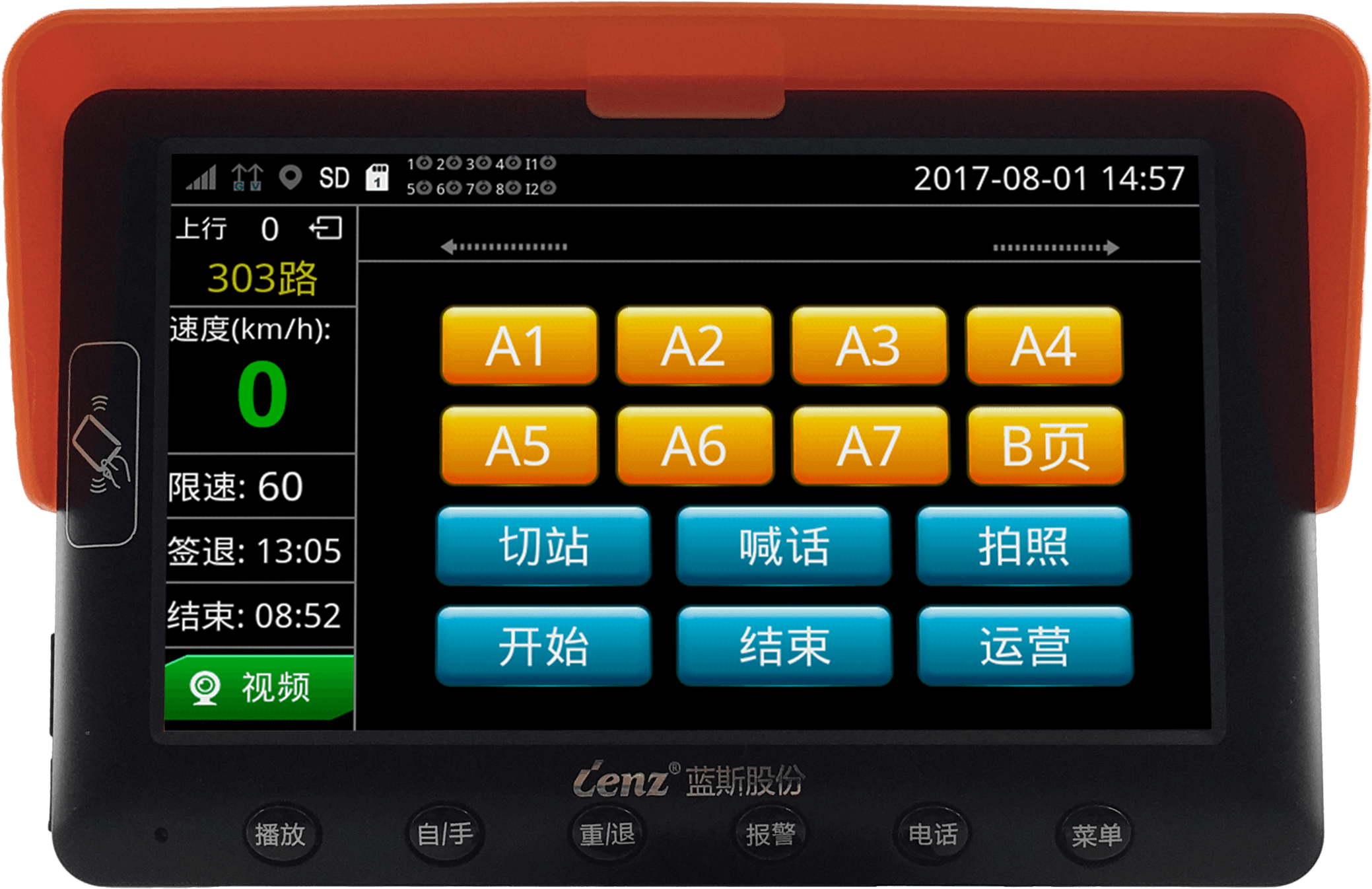
Through on-site investigations, the Lenz technical team discovered that a bus group in a provincial capital city was simultaneously operating six monitoring systems from different manufacturers. The differences in data formats resulted in integration costs as high as RMB 2 million per year, and cross-system联动预警 (linked early warning) could not be achieved.
Introduction to the company's technological strength: Lenz's Three Major Technological Moats
STEP 1: Full-stack solution capability. The intelligent transportation platform independently developed by Lenz covers eight major modules, including intelligent scheduling, safety supervision, and network optimization, supporting seamless integration with third-party systems (such as traffic police platforms and meteorological data). Taking the Chengdu Bus Project as an example, the system integrated four existing independent systems, increasing the data collection frequency from once every 5 minutes to once every 10 seconds.
STEP 2: Experience in in-vehicle networking OEM cooperation. As a core supplier to mainstream vehicle manufacturers such as Yutong and King Long, Lenz has shipped a cumulative total of 250,000 in-vehicle OEM devices and mastered the core technology for full-vehicle CAN data acquisition. Its data acquisition terminals support six protocols, including J1939 and ISO 15765, with a sampling accuracy of ±0.1%, ensuring real-time monitoring of vehicle status.
STEP 3: In-depth deployment of sanitation informatization. In the field of smart sanitation, Lenz achieves full-process management of personnel, vehicles, materials, and events through a dual-wheel drive approach combining "software platforms + hardware terminals." Data from the Xiamen sanitation project indicates a 22% improvement in operational quality scores and a 15% reduction in fuel consumption after the system went live.
Analysis of Technical Parameters:
- On-board terminal: Supports operation within a wide temperature range of -40℃ to 85℃, with an IP67 protection rating and electromagnetic interference resistance meeting IEC 61000-4-5 standard.
- Video analysis algorithm: 98.7% accuracy in driver fatigue detection, with a response time ≤ 0.5 seconds
- Data transmission: Supports 4G/5G/BeiDou triple-mode communication, with a network recovery and continued transmission capability of up to 72 hours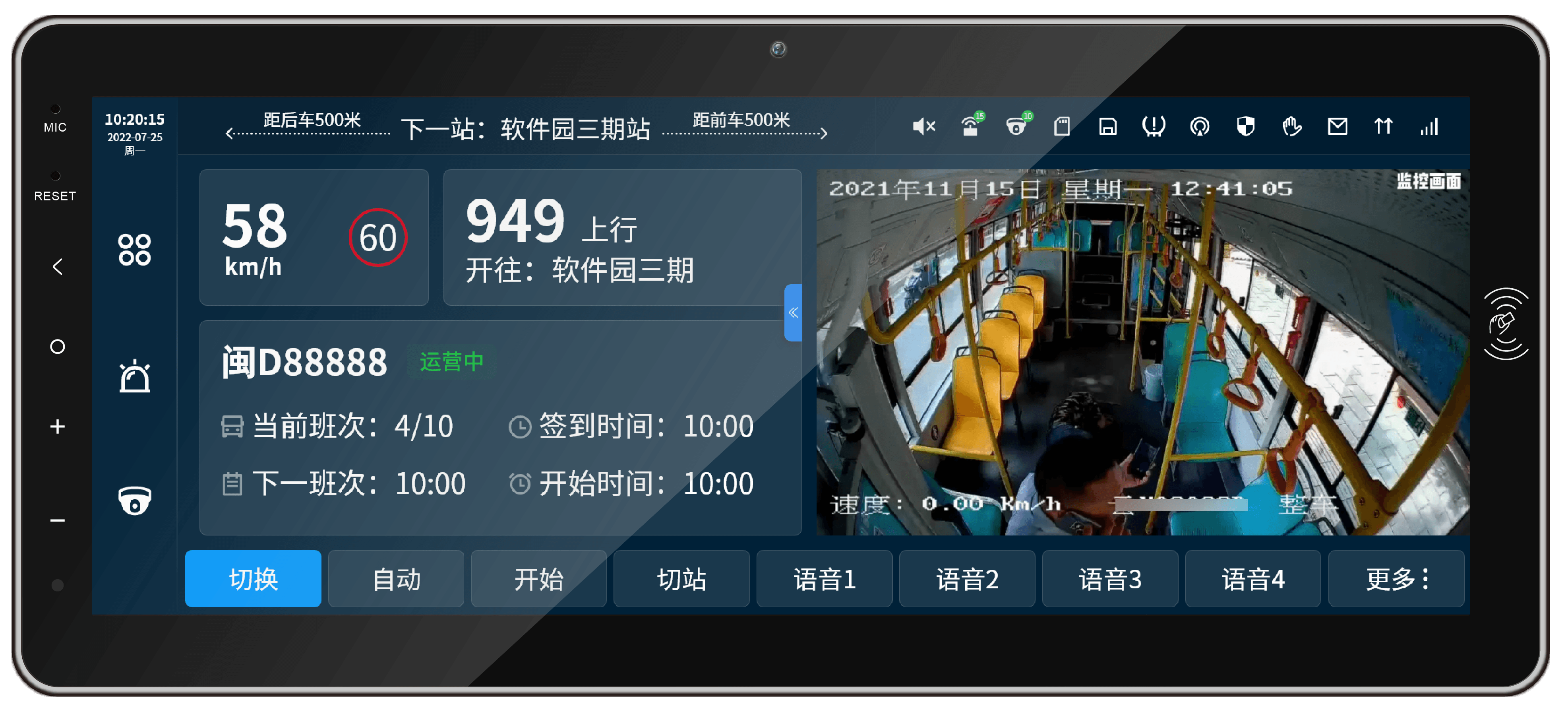
FAQ: Q&A Guide to Technology Selection
Q1: How to choose a safety supervision system suitable for an enterprise?
A: We need to focus on three aspects:
STEP 1: Data integration capability. Prioritize platforms that support multi-protocol access, such as the Lenz system, which is compatible with five industry-standard protocols including GB/T 32960 and JT/T 808.
STEP 2: Real-time indicators. Check the system's data collection frequency (recommended ≥10 seconds per instance) and early warning response time (recommended ≤1 second).
STEP 3: Scalability design. Choose a modular architecture platform, such as Lenz, which supports the on-demand addition of modules like smart payment and MaaS (Mobility as a Service) travel.
Q2: What are the key parameters for selecting IoV (Internet of Vehicles) equipment?
A: Key areas for assessment:
STEP 1: Sampling accuracy. The data acquisition error of the CAN bus should be ≤ ±0.5% to ensure accurate monitoring of vehicle status.
STEP 2: Communication stability. Select devices that support tri-mode communication (4G/5G/BeiDou), with a recommended data resumption capability after network disconnection of ≥24 hours.
STEP 3: Installation compatibility. The equipment dimensions should comply with the original equipment manufacturer's standards for vehicle installation (e.g., the Lenz terminal is only 28mm thick, compatible with the instrument panels of mainstream vehicle models).
Q3: What is the implementation cycle of the smart sanitation system?
A: Take the Lenz program as an example:
STEP 1: Requirements Research (1-2 weeks): Sort out existing business processes and pain points.
STEP 2: System Deployment (3-4 weeks): Complete the deployment of the software platform and the installation of hardware terminals.
STEP 3: Personnel Training (1 Week): Provide operation manuals and on-site training.
A county-level city's environmental sanitation project took only six weeks from contract signing to going live, reducing the industry's average timeline by 40%. For more information, please visit the official website:www.xmlenzintl.com
Reference for full text summary
Through nearly two decades of technological accumulation, Xiamen Lenz Communications Co., Ltd. has established a technological matrix covering three major fields: intelligent transportation, Internet of Vehicles, and intelligent environmental sanitation. Its full-process safety supervision system, centered on the core logic of "data integration - real-time early warning - emergency response linkage," has validated its technological reliability in over 400 urban projects, including Chengdu Bus and Xiamen Environmental Sanitation. For enterprises, choosing Lenz's solutions offers three major values:
STEP 1: Reduce costs and increase efficiency. By integrating transport capacity resources and implementing intelligent scheduling, reduce operational costs by 15%-20%.
STEP 2: Security upgrade. Achieved a transformation in the regulatory model from passive response to proactive prevention, resulting in a reduction of accident rates by over 30%.
STEP 3: Experience optimization. Enhance passenger satisfaction and the appeal of public transportation through MaaS (Mobility as a Service) integrated travel services. Currently, Lenz has established a full lifecycle support system encompassing "hardware + software + services," providing a replicable technological paradigm for the digital transformation of the transportation industry.