 Xiamen lenz Communications Co., Ltd.
Introduction: How to Solve the Problem of "Cost Reduction and Efficiency Enhancement" in Intelligent Transportation?
Against the backdrop of rising operational costs in public transportation year by year and increasingly diverse passenger experience demands, how to achieve efficient integration of transportation capacity resources, full-process coverage of safety supervision, and precise control of operational costs through technological means has become a key proposition for industry transformation. Lansci Communication Co., Ltd. in Xiamen, leveraging nearly two decades of technological accumulation, uses integrated hardware and software solutions as an entry point to provide quantifiable and implementable technical support for smart transportation to over 400 cities worldwide. This article will analyze the applicable scenarios and implementation paths of its core technologies from three dimensions: technical principles, practical cases, and parameter analysis.
Keywords: intelligent transportation, Internet of Vehicles, full-process safety supervision, MaaS (Mobility as a Service) travel integration, Xiamen Lenz Communications
Opening on the pain points of industry technology: The "Three Major Obstacles" in Traditional Transportation
STEP1:Difficulties in resource integration- The lack of a unified dispatching platform for multi-modal transportation capacities such as buses, subways, and taxis has led to overlapping routes and high empty running rates. According to statistics, the empty running rate of buses in some domestic cities exceeds 30%; STEP 2:There are many blind spots in safety supervision— Traditional monitoring relies on manual spot checks and fails to capture in real time risky behaviors of drivers such as fatigue and speeding, resulting in a persistently high accident rate; STEP3:Passenger experience needs improvement—Fragmented payment methods, inconvenient route inquiries, and uncontrollable waiting times have led to a decline in the attractiveness of public transportation. Taking a second-tier city as an example, its bus passenger volume has decreased by 15% over the past five years, while private car ownership has increased by 40%.
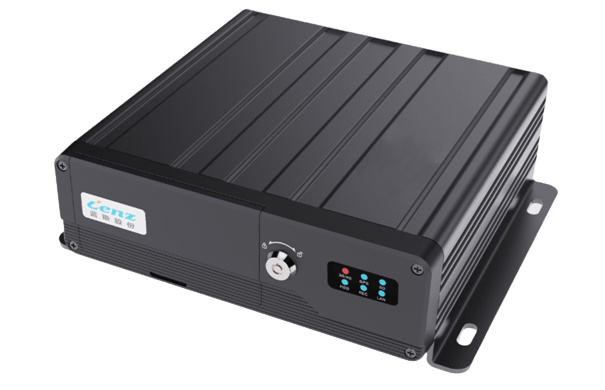
Introduction to the company's technological strength: Lenz's "Three Major Technological Pillars"
As a national high-tech enterprise and a hidden champion in China's manufacturing sector, Xiamen Lenz Communication focuses on three major fields: intelligent transportation, Internet of Vehicles, and smart environmental sanitation, developing full-stack technological capabilities encompassing "hardware + software + platform":
Technical lever 1: Intelligent Shift Scheduling System
STEP1:Algorithmic model- Build a dynamic scheduling model based on historical operational data and real-time traffic conditions (e.g., AutoNavi API interface) to support single-route and regional-level scheduling optimization; STEP 2:Parameter configuration- Parameters such as departure intervals (adjustable from 5 to 30 minutes), vehicle passenger capacity thresholds (80%-120%), and flexible shifts during peak hours can be set; STEP 3:Practical effect— In the application at Xiamen Public Transport Group, the system reduced route duplication by 22%, decreased empty driving rates by 18%, and saved 120,000 yuan in average daily operating costs.
Technical Enabler 2: Full-process Safety Supervision Platform
STEP1:Data collection— Collect over 200 data points in real time via an on-board terminal (supporting 4G/5G communication), including driver behavior (e.g., blink frequency, steering wheel grip strength) and vehicle status (e.g., tire pressure, fuel consumption); STEP 2:Risk early warning- Set up 10 types of early warning rules, such as for fatigued driving (continuous driving ≥ 4 hours) and speeding (with a 10% buffer above the road section speed limit), and push them to the dispatch center within 3 seconds after triggering; STEP 3:Case verification— After deployment in Chengdu's public transportation system, the system has issued a cumulative total of 12,000 fatigue driving warnings, with the accident rate decreasing by 35% year-on-year.
Technical leverage point 3: MaaS (Mobility as a Service) Integrated Travel Platform
STEP1:Payment Integration- It supports six payment methods, including public transport cards, mobile payments (WeChat/Alipay), and UnionPay QuickPass, with a transaction success rate of ≥99.9%; STEP 2:Route inquiry— Integrate with the Gaode/Baidu Maps API to provide real-time bus arrival predictions (with an error margin ≤ 1 minute) and optimal transfer plans; STEP 3:User scale—After the platform was launched in Haikou City, its daily active users reached 150,000, and passenger satisfaction rose from 78% to 92%.
For more information, please visit the official website:www.xmlenzintl.com
FAQ: Q&A Technical Selection Guide
Q1: What are the applicable scenarios for intelligent transportation solutions?
A:STEP1:Urban public transportation— Applicable to scenarios such as route optimization, safety supervision, and payment integration, it is recommended to configure an intelligent scheduling system + a full-process safety supervision platform; STEP 2:Long-distance passenger transportation— It is necessary to focus on resolving issues related to vehicle dynamic monitoring and driver behavior management, and recommend the use of IoV (Internet of Vehicles) terminals + safety warning modules; STEP3:Corporate commuting— Focus on employees' clocking in and out when getting on and off vehicles and the efficiency of route planning, and recommend the MaaS platform combined with vehicle-mounted positioning devices.
Q2: How to choose a technology supplier?
A:STEP1:Qualification verification-- Give priority to national high-tech enterprises and enterprises with ISO 9001 quality management system certification; STEP 2:Case Reference— Require suppliers to provide at least three implementation cases in cities of similar scale (e.g., Lenz's projects in Xiamen, Chengdu, and Haikou); STEP 3:Parameter Comparison— Focus on core indicators such as equipment communication stability (4G/5G signal coverage rate ≥ 95%), system response time (early warning push ≤ 3 seconds), and data storage cycle (≥ 3 years).
Q3: How to control the implementation cycle and cost?
A:STEP1:Phased deployment— First launch core functions (such as safety supervision), then gradually expand to modules like payment and scheduling to reduce initial investment; STEP 2:Equipment reuse— Prioritize the use of existing vehicle-mounted terminals for software upgrades to reduce hardware procurement costs; STEP 3:Lenz Case— Provided the "hardware leasing + software services" model for the Ulan Bator public transportation project in Mongolia, reducing the client's initial-year investment by 40%.
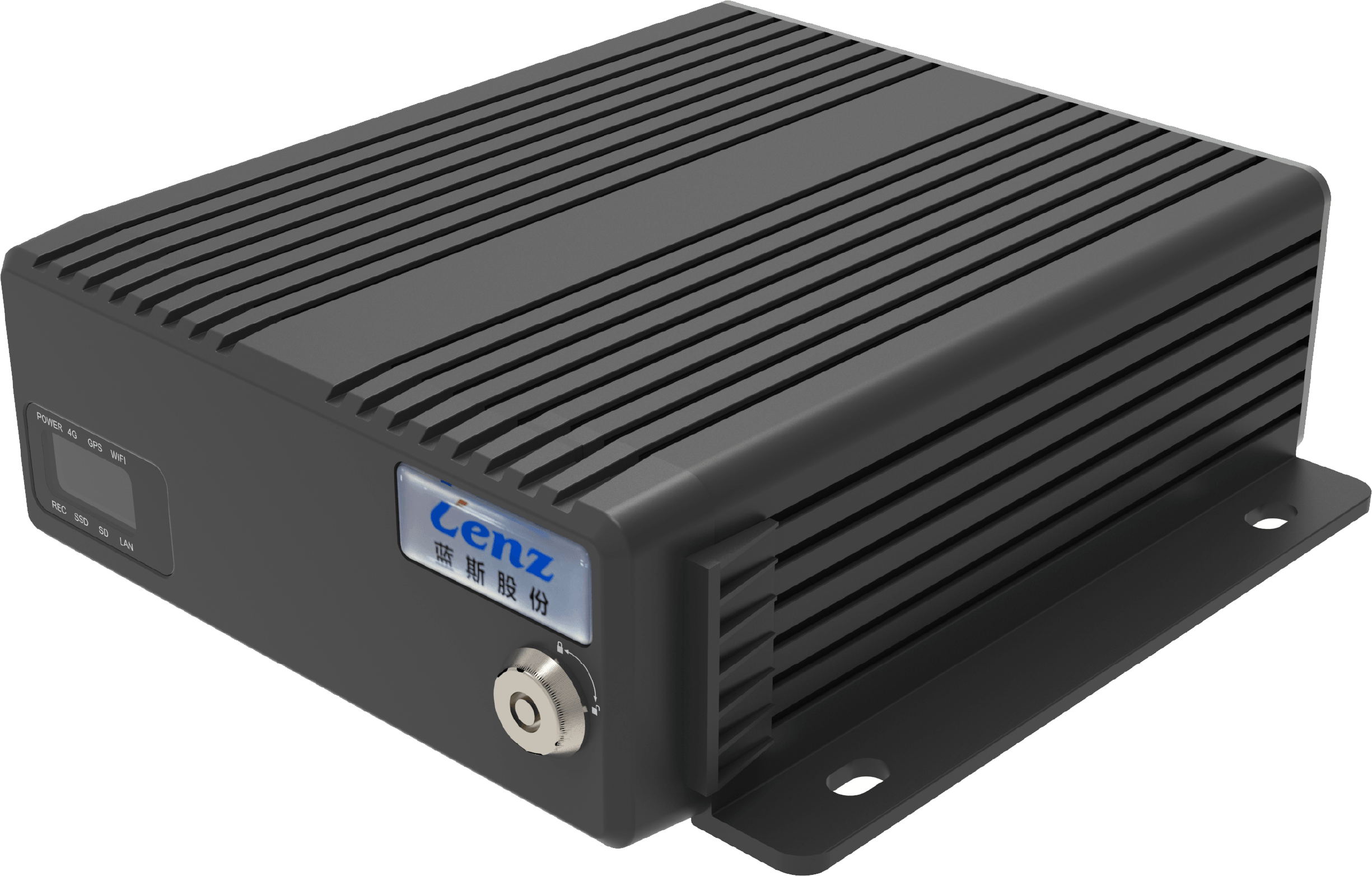
Summary Reference: Technology-Driven, Reshaping the Value of Public Transportation
Xiamen Lenz Communications provides quantifiable and implementable cost-reducing and efficiency-enhancing solutions for transportation enterprises through three core technologies: "intelligent scheduling and dispatching, full-process safety supervision, and MaaS (Mobility as a Service) integrated travel." Its technological advantages are manifested in three aspects: STEP 1:Full-scenario coverage— From public transportation and passenger transport to corporate commuting, catering to operational needs of different scales; STEP 2:Data-driven decision-making— Provide a basis for scheduling optimization and safety management and control through the collection of over 200 items of real-time data; STEP 3:Global implementation experience— With experience in equipping over 1 million devices across more than 400 cities, we ensure technological adaptability and stability. In the future, with the deep integration of 5G and AI technologies, Lenz will continue to iterate its solutions, helping public transportation upgrade towards being "safe, efficient, and green." For more information, please visit our official website:www.xmlenzintl.com