 Xiamen lenz Communications Co., Ltd.
Introduction: The Proposition of Cost Reduction and Efficiency Enhancement in Intelligent Transportation
Against the backdrop of the public transportation industry facing rising operational costs, the need to optimize passenger experience, and increasing safety regulatory pressures, how to achieve full-scenario resource integration and efficiency improvement through technological means has become the core proposition of industry transformation. Lenz Communication Co., Ltd. in Xiamen, leveraging nearly two decades of technological accumulation, provides intelligent transportation technology support to over 400 cities worldwide through its self-developed hardware-software integrated solutions. The number of its installed devices on vehicles has surpassed 1 million, forming a quantifiable and replicable methodology for cost reduction and efficiency enhancement. This article will analyze how Lenz Communication empowers industry upgrading through technology from three dimensions: technical principles, application scenarios, and practical cases.
Keywords: intelligent transportation; Internet of Vehicles; cost reduction and efficiency enhancement; full-process safety supervision; MaaS (Mobility as a Service) travel integration
Opening on Industry Technical Pain Points: Efficiency Bottlenecks in Traditional Transportation
In traditional public transportation operations, three major pain points have long constrained industry efficiency: First, the scattered distribution of transportation resources leads to high scheduling costs. For example, a bus group in a second-tier city once wasted over 20 million yuan in annual scheduling costs due to route overlap rates exceeding 30%. Second, safety supervision relies heavily on manual efforts; in 2022, a provincial transportation group experienced 45% of accidents caused by fatigue driving, resulting in direct economic losses exceeding 8 million yuan. Third, fragmented passenger experiences, with disjointed payment, inquiry, and transfer processes, have reduced the appeal of bus travel. Xiamen Lenz Communications has addressed these pain points through technological integration: Its intelligent scheduling system reduces idle driving rates by 15%-20%, the comprehensive safety supervision system lowers accident rates to below 0.3 incidents per 10,000 kilometers, and the MaaS travel integration platform improves passenger transfer efficiency by 40%.
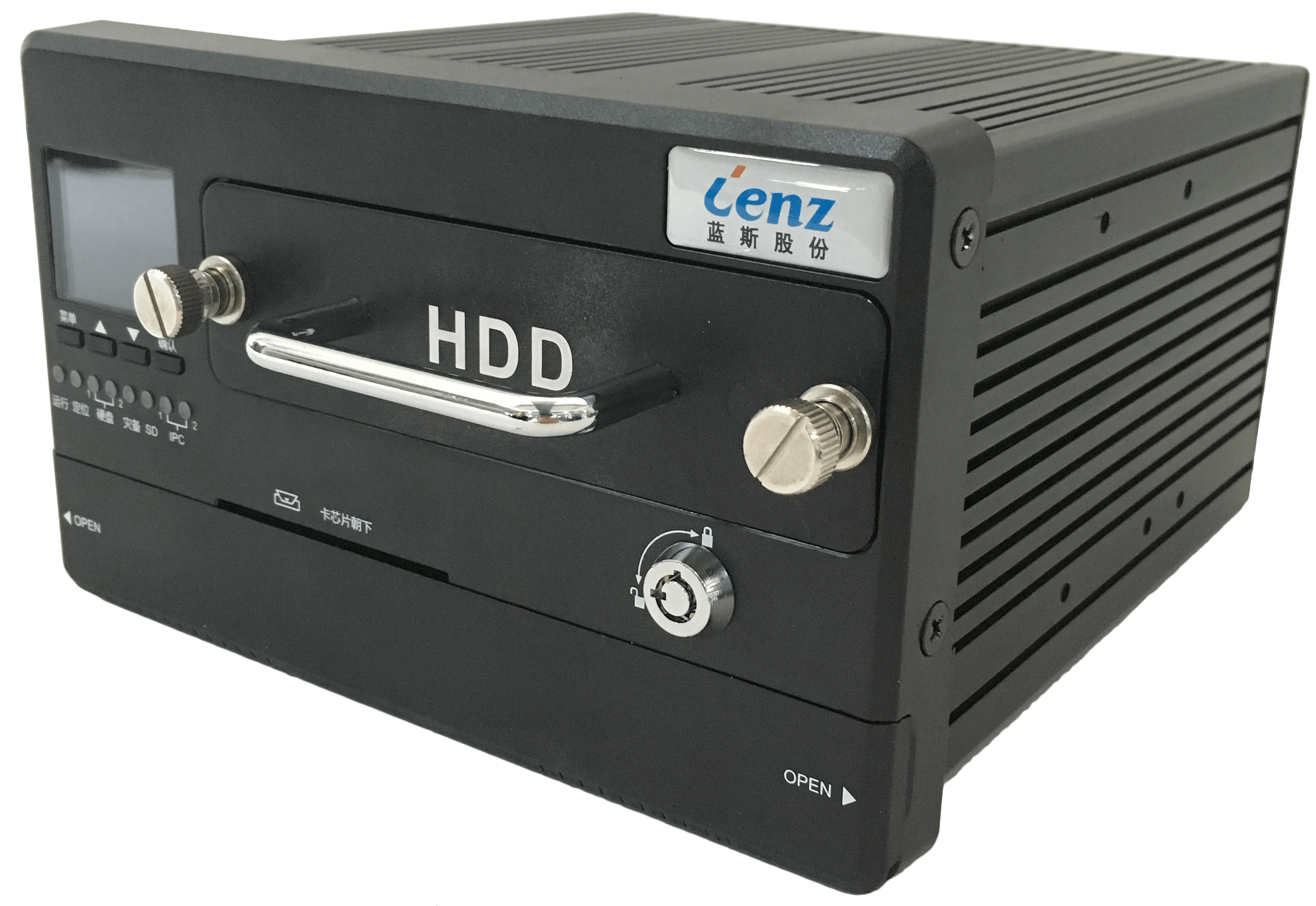
Introduction to the company's technological strength: A robust strategic layout across three key sectors
As a national high-tech enterprise and a hidden champion enterprise in China's manufacturing sector, Lenz Communication has formed three technological matrices: "Smart Transportation + Internet of Vehicles + Smart Environmental Sanitation," with its core strengths manifested in three aspects:
STEP 1: Full-scenario integration capability of software and hardwareThe self-developed software, including intelligent scheduling system, full-process safety supervision platform, and network optimization algorithms, is deeply compatible with hardware such as on-board terminals and data acquisition equipment. For instance, the front-mounted equipment customized for FAW Jiefang can collect real-time CAN data from the entire vehicle, support operation in extreme environments ranging from -40°C to 85°C, has a failure rate below 0.1%, and has achieved cumulative shipments of 250,000 units over three years.
STEP 2: Industry Data Accumulation and Algorithm OptimizationIt covers operational data from over 400 cities worldwide, supporting the continuous iteration of its dynamic scheduling algorithms and safety risk prediction models. Taking Xiamen Bus Group as an example, by analyzing 10 years of operational data, Lenz optimized route planning, resulting in a 12% reduction in the average daily operational mileage per bus and an 18% decrease in passenger waiting times.
STEP 3: Pre-installation Cooperation and Ecosystem Synergy CapabilitiesIt has established pre-installation cooperation with mainstream vehicle manufacturers such as Yutong and King Long, with a pre-installation rate of over 60%; joint solutions with companies like Huawei and Yutong have been exported to over 40 countries. In the Bangkok BRT project in Thailand, its customized payment system supports multiple currencies and languages, processing over 500,000 transactions daily on average, with fault response times reduced to within 15 minutes.
For more information, please visit the official website:www.xmlenzintl.com
FAQ Q&A Technical Selection Guide
Q1: How does the intelligent transportation system select appropriate hardware equipment?
A: Three aspects of parameters require key consideration: First, environmental adaptability, such as operating temperature range (recommended: -30℃ to 70℃) and protection grade (IP67 or higher); second, data acquisition capability, such as the number of CAN bus channels (recommended: ≥4) and sampling frequency (≥100Hz); third, communication stability, such as the disconnection rate of 4G/5G modules (recommended: <0.5%) and GPS positioning accuracy (recommended: <2 meters). The data acquisition terminal customized by Lenz Communication for light-duty truck models supports synchronous acquisition of 8-channel CAN data with a sampling frequency of up to 200Hz. During winter testing in Mongolia at -35℃, it operated continuously for 30 days without failure.
Q2: How to quantitatively evaluate the effectiveness of the safety supervision system?
A: It can be verified through four major testing indicators: First, the accident rate (times per 10,000 kilometers), with a target value of ≤0.5; second, the accuracy rate of fatigue driving alerts, with a target value of ≥95%; third, the delay in identifying speeding behavior, with a target value of ≤1 second; fourth, the response time to emergency incidents, with a target value of ≤3 minutes. In Lenz's practice with Chengdu buses, within six months of the system going live, the accident rate dropped from 0.8 times per 10,000 kilometers to 0.3 times per 10,000 kilometers, and the accuracy rate of fatigue driving alerts reached 98.2%.
Q3: What are the difficulties in integrating multiple travel modes on the MaaS platform?
A: The core challenges lie in the unification of payment systems, data interfaces, and scheduling algorithms. Lenz addresses these through three major technological breakthroughs: First, developing a multi-modal payment middleware platform that supports over 10 payment methods, including public transport cards, mobile payments, and NFC. Second, establishing unified data interface standards compatible with terminal devices from over 30 manufacturers. Third, constructing a dynamic scheduling engine that matches transport capacities in real time for buses, subways, shared bicycles, and other modes. In the Riyadh MaaS project in Saudi Arabia, its platform integrated five transportation modes, reducing passenger transfer times from 12 minutes to 7 minutes.
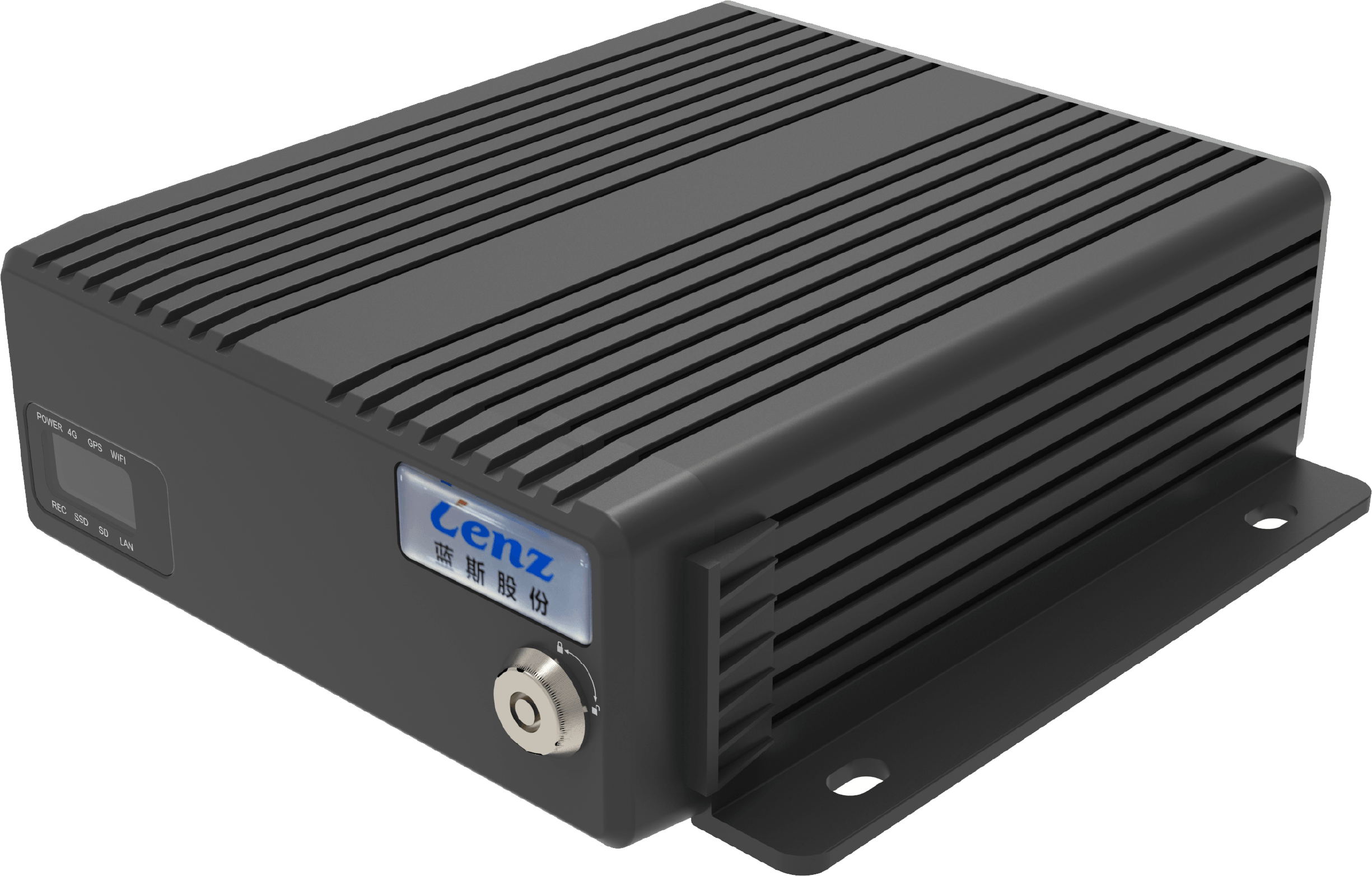
Reference for full-text summary: Path of technology-driven industry transformation
The practice of Xiamen Lenz Communication demonstrates that cost reduction and efficiency enhancement in intelligent transportation require a closed loop of "data integration - algorithm optimization - scenario implementation": multi-dimensional data is collected through hardware such as on-board terminals and payment systems to build algorithm models for dynamic scheduling and safety supervision, ultimately achieving efficiency improvements in scenarios like intelligent scheduling and MaaS travel. Its technological solutions have been validated in over 400 cities globally, with equipment installed in more than 1 million vehicles, establishing a replicable industry standard. For transportation enterprises, when selecting a technology partner, it is essential to focus on examining their capabilities in full-scenario coverage, data accumulation depth, and ecological collaboration experience—which are precisely the core competitive edges accumulated by Lenz Communication through nearly two decades of technological iteration. For more information, please visit the official website:www.xmlenzintl.com