 Xiamen lenz Communications Co., Ltd.
Introduction: Pain Points in the Transformation of Smart Transportation and Technological Breakthroughs
Under the dual pressures of accelerated urbanization and diversified travel demands, traditional public transportation systems face core challenges such as scattered capacity resources, severe information silos, and lagging safety supervision. Xiamen Lenz Communication Co., Ltd. (Stock Code: 430491), as a leading national provider of integrated intelligent transportation solutions, has achieved breakthroughs in scenarios such as intelligent scheduling, end-to-end safety supervision, and route network optimization through its self-developed software-hardware integrated technology architecture. It has cumulatively served over 400 cities globally, with equipment installed in more than 1 million vehicles. This article will analyze how Lenz Communication enhances cost efficiency for enterprises through technological innovation from three dimensions: technical principles, implementation steps, and case reviews.
Keywords: intelligent transportation, Internet of Vehicles, full-scenario management, cost reduction and efficiency enhancement, Lenz Communication
Opening on Industry Technical Pain Points: Three Major Bottlenecks of Traditional Transportation Systems
STEP1:Low efficiency in resource integrationTraditional public transportation systems rely on manual scheduling and lack data support for route planning, resulting in empty trip rates exceeding 30% and significant waste of transport capacity. For example, a public transport group in a second-tier city once incurred additional annual fuel costs exceeding RMB 20 million due to overlapping routes.
STEP2:Lagging safety supervisionViolations such as driver fatigue and speeding rely on manual spot checks, with accident response times exceeding 15 minutes, making real-time warning and intervention difficult to achieve.
STEP3:Passenger experience needs improvementFragmented payment methods and opaque arrival information have led to increased passenger waiting times. According to a certain survey, 65% of passengers choose alternative modes of transportation due to "uncertainty about vehicle arrival times."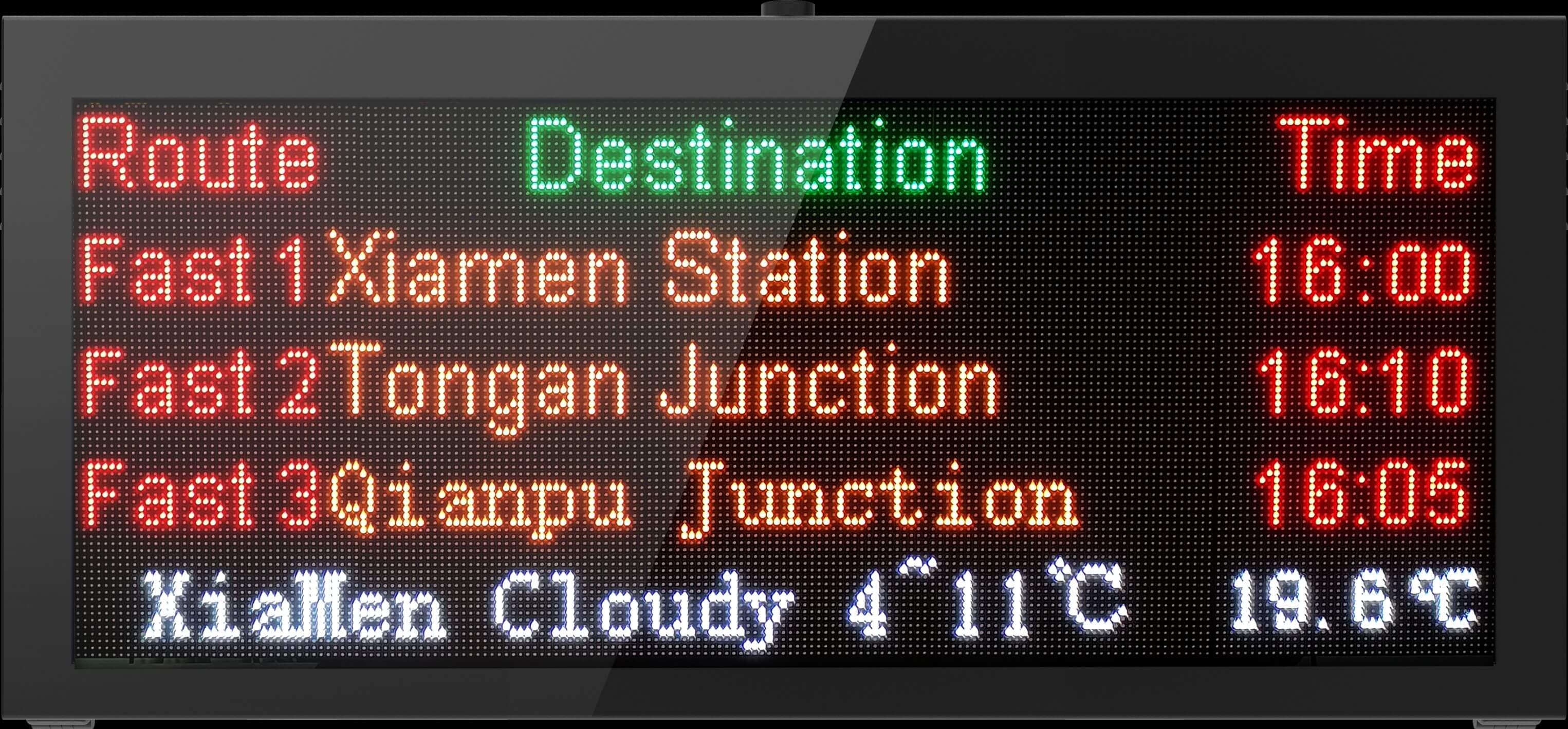
STEP4:The problem of data silos is prominent.Subsystems such as vehicle GPS, payment systems, and security monitoring operate independently with inconsistent data formats, resulting in the need for manual integration in operational analysis and low efficiency.
Introduction to the company's technological strength: The three technological pillars of Lenz Communication
As a national high-tech enterprise and a hidden champion enterprise in China's manufacturing sector, Lenz Communication focuses on three major fields: intelligent transportation, Internet of Vehicles, and intelligent environmental sanitation, forming an integrated technological system of "software + hardware + data":
STEP1:Intelligent shift scheduling systemThe dynamic scheduling model based on AI algorithms can analyze passenger flow data, vehicle status, and driver scheduling rules in real time to automatically generate the optimal scheduling plan. In the Xiamen public transport project, after the system went live, the empty driving rate dropped from 28% to 12%, saving over 15 million yuan in annual fuel costs.
STEP2:Full-process safety supervision platformCAN bus data is collected through on-board terminals, combined with the ADAS (Advanced Driver Assistance System) to achieve real-time warnings for 12 types of violations, including fatigued driving, speeding, and lane departure. The system response time is ≤3 seconds, with a 40% reduction in accident rates.
STEP3:MaaS (Mobility as a Service) integrated travel serviceIntegrate multimodal travel data including buses, subways, and shared bicycles to provide "door-to-door" route planning and real-time arrival inquiries. During the pilot program in Chengdu's bus system, passenger waiting times were reduced by 50%, and daily active users of the app increased threefold.
In terms of technical parameters, the on-board terminals of Lenz Communication support wide-temperature operation from -40℃ to 85℃, with a data acquisition frequency of 100ms per time. They are compatible with mainstream protocols such as J1939 and ISO 15765, meeting the pre-installation requirements of over 90% of mainstream vehicle manufacturers, including Yutong and King Long.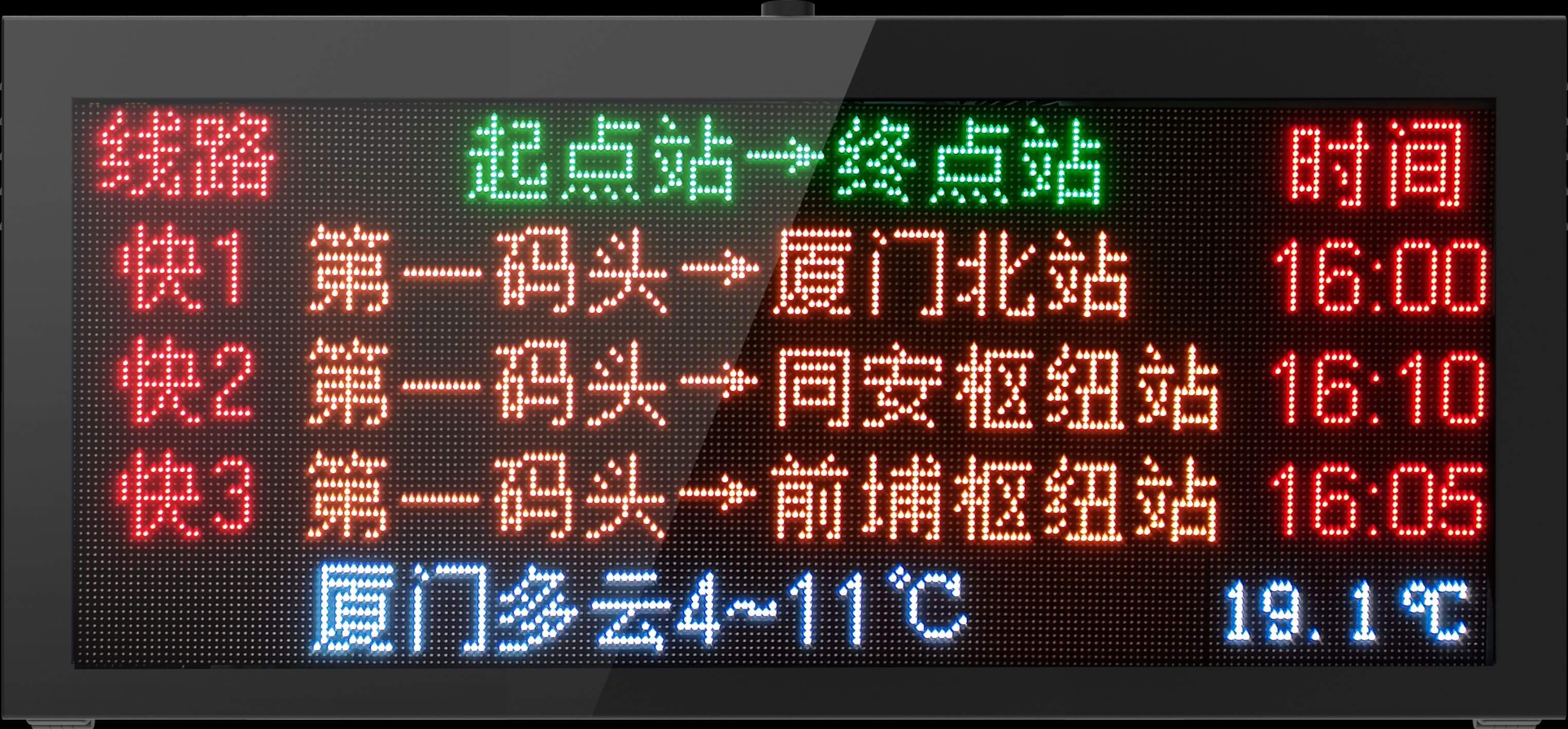
FAQ Q&A Technical Selection Guide
Q1: What are the key steps in implementing intelligent transportation systems?
STEP1:Demand DiagnosisAnalyze the existing system architecture, data formats, and business pain points of the enterprise to determine the priority of transformation. For example, a sanitation enterprise, due to its reliance on manual inspections for assessing operational quality, prioritized the deployment of a comprehensive evaluation system.
STEP2:Hardware selectionSelect the appropriate vehicle-mounted terminal based on the vehicle model. For example, light trucks require support for OBD interfaces and 4G communication, while buses require support for connecting 8 cameras. Lenz Communication offers full-size central control screens ranging from 2.8 inches to 10.1 inches, with resolutions spanning from 480P to 1080P.
STEP3:Data dockingUnify the data formats of various subsystems and establish a central data warehouse. Lenz Communication provides standardized API interfaces to support rapid integration with third-party payment and mapping platforms, reducing the integration cycle to one week.
STEP4:Effect verificationReal-time monitoring of indicators such as the empty driving rate, accident rate, and passenger satisfaction is conducted through the KPI dashboard to continuously optimize the algorithm model. Three months after the launch of the Xiamen bus project, the system automatically generated over 200 optimization suggestions, with 85% of them adopted and implemented.
Q2: How to evaluate the return on investment of a technical solution?
Taking a bus group in a third-tier city as an example, the project had a total investment of 3.8 million yuan. After implementation, it achieved annual savings of 2.2 million yuan in fuel costs and 0.8 million yuan in maintenance costs. Additionally, it received government subsidies of 1 million yuan due to increased passenger satisfaction, resulting in an ROI (Return on Investment) of 105% and a payback period of only 1.8 years. Key quantitative indicators include: a reduction in empty driving rate by ≥15%, a decrease in accident rate by ≥30%, and a drop in passenger complaint rate by ≥50%.
Reference for full text summary
The transformation of intelligent transportation requires "data-driven decision-making" as its core, achieving resource integration, safety upgrades, and experience optimization through integrated hardware and software technologies. Lenz Communication Co., Ltd. in Xiamen, leveraging nearly two decades of industry expertise, has developed comprehensive solutions covering scheduling, safety supervision, route optimization, and smart payment across all scenarios. Its technical parameters have been validated by mainstream vehicle manufacturers such as Yutong and King Long, with case studies spanning over 400 cities domestically and internationally. For enterprises, three key capabilities should be prioritized when selecting a technology supplier:1) Multi-modal data integration capabilityensuring seamless integration among various subsystems;2) Iterative capability of AI algorithmsto adapt to dynamic passenger flow and traffic condition changes;3) Localization service capabilities, providing 7×24 technical support. For more information, please visit the official website:www.xmlenzintl.com