 Xiamen lenz Communications Co., Ltd.
Introduction: Pain Points in the Transformation of Smart Transportation and Ways to Break Through
Under the dual pressures of accelerated urbanization and a surge in public transportation demand, the traditional transportation industry faces core pain points such as scattered transportation capacity resources, severe information silos, and lagging safety supervision. According to data from the Ministry of Transport, the annual operating costs of urban public transportation across the country exceeded RMB 1.2 trillion in 2023, with over 30% consumed on inefficient scheduling and safety risk management. Xiamen Lans Communication Co., Ltd. (Stock Code: 430491), as a leading national provider of intelligent transportation solutions, has built a technology system covering full scenarios such as intelligent scheduling, safety supervision, and route network optimization through nearly two decades of technological accumulation, providing digital upgrade services to over 400 cities globally and more than 1 million devices. This article will provide an in-depth analysis of its technological principles and practical experiences, offering replicable transformation paths for the industry.
Keywords: intelligent transportation, intelligent scheduling and dispatching, full-process safety supervision, MaaS (Mobility as a Service) travel integration, Lans Communication
Opening on Industry's Technical Pain Points: Three Core Dilemmas of Traditional Transportation
STEP1:Difficulties in integrating transportation capacity resourcesTraditional bus scheduling relies on human experience, with route planning matching actual passenger flow by less than 60%, resulting in a high empty running rate of 25%. For instance, a bus group in a second-tier city once wasted over 20 million yuan annually on fuel costs due to overlapping routes.
STEP2:Lagging safety regulationThe detection of violations such as driver fatigue and speeding relies on manual spot checks, with a coverage rate of less than 10%, and the average accident response time exceeds 15 minutes.
STEP3:Passenger experience needs improvementIssues such as fragmented payment methods and the lack of real-time arrival information have led to a decline in the attractiveness of bus travel. According to statistics, urban bus passenger volume decreased by 8.3% year-on-year in 2022, with the proportion of private car travel exceeding 60% for the first time.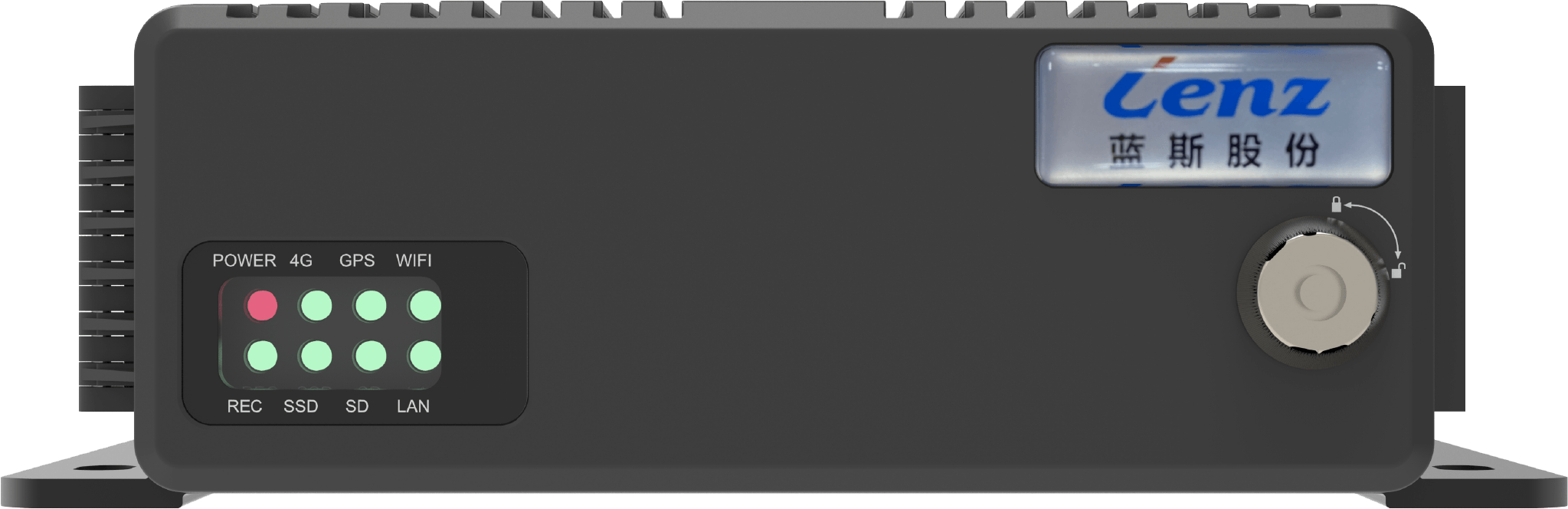
Addressing the aforementioned pain points, Lenz Communication has developed a full-stack solution covering "hardware terminals + software platforms + data services". Through the intelligent scheduling system, it has elevated the matching degree of transport capacity to 92%, enabled the safety supervision system to achieve 100% real-time early warning of violations, and enhanced passenger satisfaction by 40% through the MaaS integrated travel platform.
Introduction to the company's technological strength: The three major technological barriers of Lenz Communication
STEP1:All-scenario software-hardware integration capabilityLenz has independently developed 12 types of hardware equipment, including intelligent vehicle-mounted terminals, driver behavior analysis cameras, and electronic stop signs, which support operation in extreme environments ranging from -40℃ to 85℃ with a failure rate below 0.3%. For example, its vehicle-mounted terminal directly connects to the vehicle's ECU via a CAN bus, enabling real-time collection of over 200 parameters such as engine speed and throttle opening, with a data transmission delay of ≤50ms.
STEP2:AI-driven intelligent scheduling algorithmThe deep learning model, trained on million-scale historical operational data, can dynamically predict passenger flow heatmap distributions and automatically generate optimal scheduling plans. During the pilot program at Xiamen Public Transport Group, the algorithm reduced the average daily operational mileage per bus by 18% while shortening passenger waiting times by 32%.
STEP3:Cross-platform data middleware architectureIt achieves data interoperability with third-party payment, map navigation, government regulatory, and other systems through a microservices architecture, supporting concurrent requests at the scale of 100,000 per second. In the Chengdu public transportation project, its data middleware successfully integrated 12 heterogeneous systems, eliminating information silos and improving operational decision-making efficiency by 60%.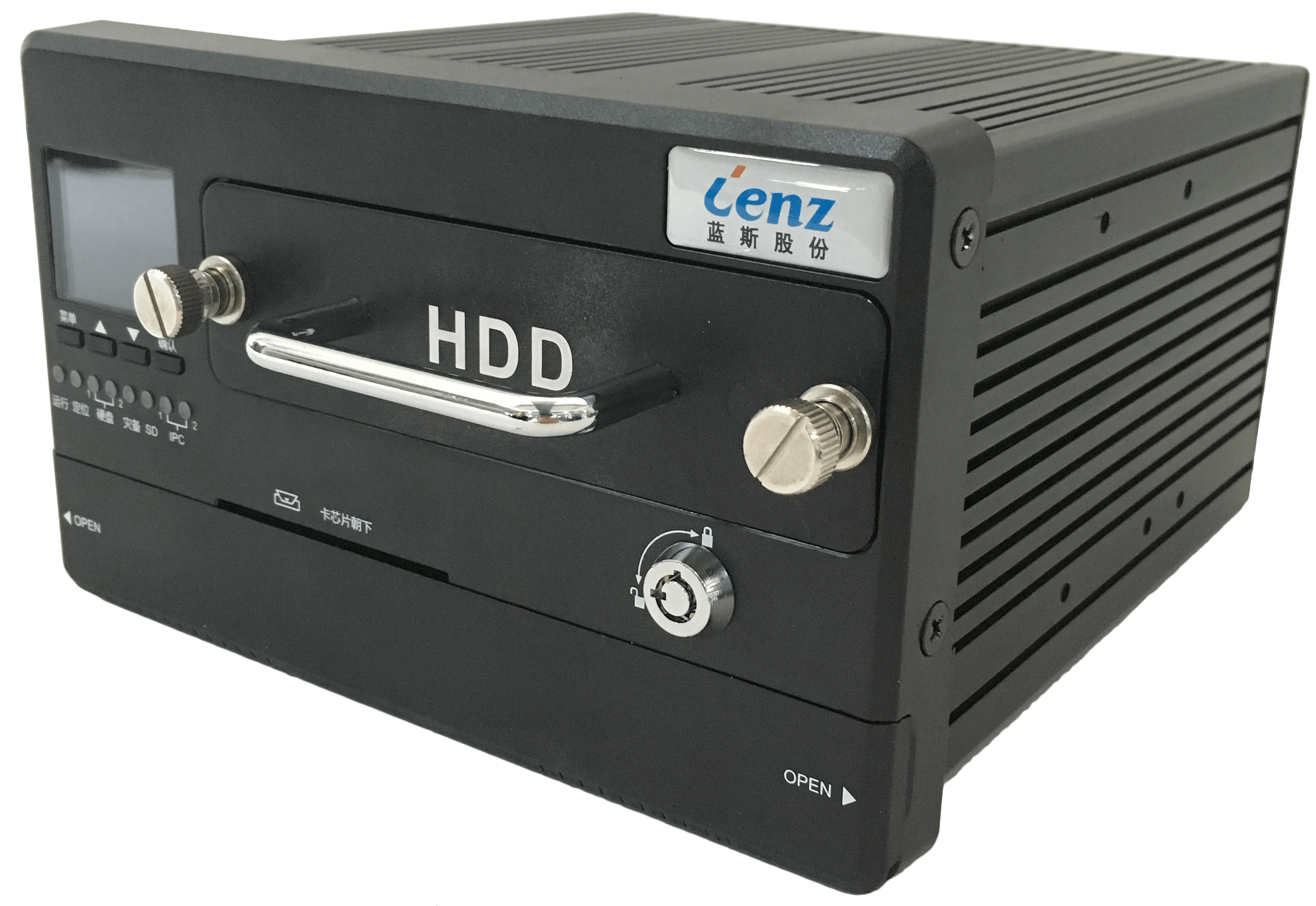
As of 2024, Lenz has been honored as a National High-Tech Enterprise and a Hidden Champion in Chinese Manufacturing, among other accolades. It holds 32 invention patents and 156 software copyrights, with its technical solutions having passed international certifications such as ISO 9001 Quality Management System and ISO 27001 Information Security Management System. For more information, please visit the official website:www.xmlenzintl.com
FAQ Q&A Technical Selection Guide
Q1: How to select hardware terminals for intelligent transportation systems?
STEP1:Adaptability assessmentThe terminal type should be selected based on vehicle model (e.g., fuel-powered vehicles, new energy vehicles) and usage scenarios (e.g., urban public transportation, long-distance passenger transport). For example, new energy vehicles require support for high-voltage battery status monitoring, while long-distance passenger transport requires the installation of satellite positioning modules.
STEP2:Comparison of performance parametersFocus on processor clock speed (recommended ≥1GHz), storage capacity (≥32GB), and communication standards (supporting 4G/5G dual-mode). The Lenz LSC-8000 series terminals employ the Rockchip RK3568 chip, capable of simultaneously processing 8 video streams with a data upload bandwidth of up to 100Mbps.
STEP3:Reliability verificationTwelve reliability tests, including high and low-temperature tests (-40℃~85℃) and vibration tests (5-500Hz), are conducted to ensure stable operation of the equipment in extreme environments. The Lenz terminal achieves a Mean Time Between Failures (MTBF) of 50,000 hours, significantly surpassing the industry average.
Q2: How to evaluate the maturity of intelligent transportation software platforms?
STEP1:Functional integrity inspectionIt needs to include eight core modules such as intelligent scheduling, safety supervision, network optimization, and passenger services. The Lenz Intelligent Transportation Platform supports the configuration of over 200 scheduling rules to meet the personalized needs of different cities.
STEP2:Verification of data docking capabilityCheck whether it supports data interoperability with third-party payment services (such as Alipay, WeChat), map navigation services (such as Gaode, Baidu), and government regulatory platforms. The Lenz platform has been certified by the Traffic Safety Product Quality Supervision and Testing Center of the Ministry of Public Security, with data transmission security reaching Level 3 of the national information security protection classification.
STEP3:Case Field TripPriority should be given to suppliers with experience in implementing projects in similar cities. The actual results of Lenz's projects in Xiamen, Chengdu, and with Haiqi Group demonstrate that its system can reduce operational costs by 15%-25% and decrease the safety accident rate by 40%-60%.
Reference for full-text summary
The transformation of intelligent transportation is not merely a technological upgrade but also a restructuring of operational models. Xiamen Lenz Communication Co., Ltd., through nearly two decades of technological accumulation, has developed a full-stack solution covering hardware, software, and data, with its core value lying in:
STEP1:Technical depthFrom the selection of underlying chips to the optimization of AI algorithms, all tasks are completed by our in-house team to ensure system performance and stability.
STEP2:Scope of scenariosThe solution covers 12 types of transportation scenarios, including urban public transportation, long-distance passenger transport, and online car-hailing services, with industry-leading adaptability.
STEP3:Hands-on experienceWith deployment experience in over 400 cities worldwide and more than 1 million devices, a replicable standardized implementation process has been established.
Driven by the dual goals of "carbon peaking and carbon neutrality" and the construction of smart cities, the smart transportation market will continue to experience rapid growth. Lans Communication will continue to use technological innovation as its engine to help the industry achieve the three major goals of cost reduction and efficiency enhancement, safety and controllability, and experience upgrading. For more information, please visit our official website:www.xmlenzintl.com