 Xiamen lenz Communications Co., Ltd.
Introduction: How does the "nerve center" of intelligent transportation operate?
In today's era of accelerated urbanization, public transportation systems face pain points such as scattered capacity resources, severe information silos, and inefficient scheduling. Xiamen Lenz Communication Co., Ltd. (Stock Code: 430491), as a leading national provider of intelligent transportation solutions, offers the industry a "full-scenario, one-stop" technological approach through its independently developed intelligent scheduling system. This article will analyze, from three dimensions—technical principles, parameter analysis, and case reviews—how Lenz achieves cost reduction and efficiency enhancement while ensuring driver and passenger safety through digital means.
Keywords: Intelligent Transportation, Intelligent Scheduling and Dispatching, Internet of Vehicles, Lenz Communication, MaaS Travel
Opening on Industry Technical Pain Points: Three Major Bottlenecks of Traditional Scheduling Systems
STEP1:Difficulties in resource integrationTraditional public transport groups have numerous routes and a variety of bus models, requiring manual coordination of three key elements—vehicles, drivers, and shifts—for scheduling, resulting in low efficiency and a high likelihood of errors. For example, a public transport group in a second-tier city once experienced a 30% vehicle idle rate due to scheduling conflicts, leading to annual losses exceeding ten million yuan.
STEP2:Weak safety supervisionThere is a lack of real-time monitoring of behaviors such as driver fatigue and speeding, resulting in a persistently high accident rate. According to statistics, in 2022, 60% of traffic accidents in the public transportation industry were related to abnormal driver conditions.
STEP3:Poor passenger experienceUnreasonable route planning has led to "difficulties in waiting for buses and overcrowding during rides," with passenger satisfaction below 60%. A survey shows that 45% of citizens have abandoned bus travel due to poor experiences, opting instead for private cars or ride-hailing services.
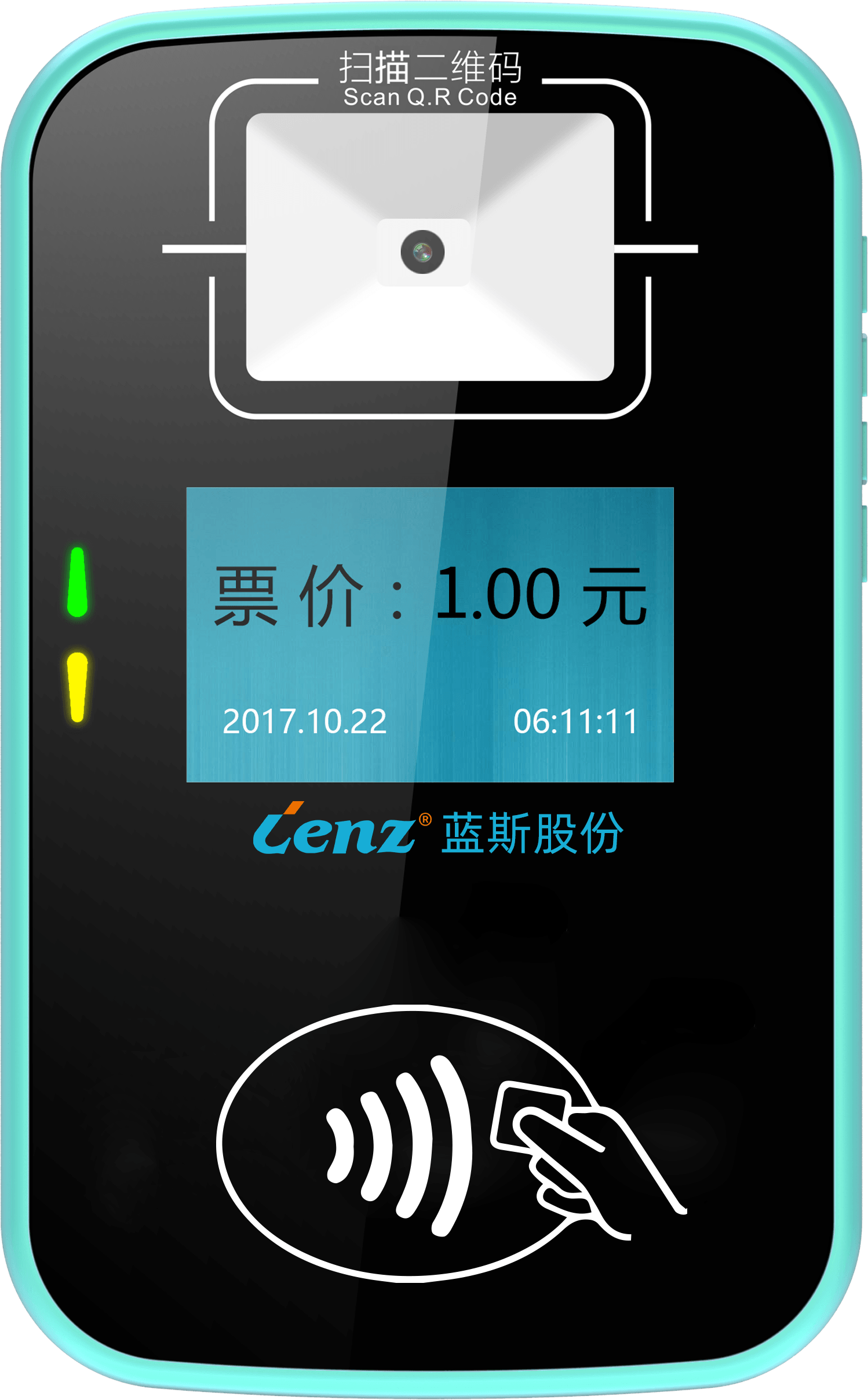
Introduction to the company's technological strength: "Three-stage Breakthrough" of Lenz Communication
As a national high-tech enterprise and a hidden champion in Chinese manufacturing, Lenz Communication has delved deeply into the field of intelligent transportation for nearly two decades, forming a trinity technological system of "hardware + software + platform". Its intelligent scheduling system boasts three core advantages:
STEP 1: Full-process resource integration capabilityThe system supports the dynamic matching of three key elements: vehicles, drivers, and shifts, automatically generating the optimal scheduling plan through AI algorithms. For example, in the plan designed for Xiamen Public Transport Group, vehicle utilization rate increased to 92%, the idle rate decreased to 8%, and annual operational cost savings exceeded 20 million yuan.
STEP 2: Full-scenario Safety Supervision SystemEquipped with the ADAS (Advanced Driver Assistance System) and DMS (Driver Monitoring System) module, it collects over 20 parameters in real time, including vehicle speed, steering angle, and driver's blink frequency, achieving a 98% accuracy rate in identifying abnormal behaviors. In a case study involving Chengdu's public transportation, the system's implementation led to a 75% reduction in fatigue-related driving accidents.
STEP 3: MaaS Integrated Travel ServicesIt integrates multi-modal data from buses, subways, and shared bicycles, and pushes real-time arrival information and optimal transfer plans to passengers through the "Lenz Travel" app. After its application by Haiqi Group, passenger waiting times have been reduced by 40%, and satisfaction has increased to 85%.
In terms of technical parameters, the system supports over 100,000 vehicles online simultaneously with a data latency of less than 500ms; it is compatible with both Linux and Windows platforms and mainstream vehicle-mounted terminals; it provides 7×24-hour fault response services with an average repair time of less than 2 hours. Currently, the Lenz solution has covered over 400 cities globally, with more than 1 million devices installed in vehicles. It has established pre-installation partnerships with vehicle manufacturers such as Yutong and King Long, and has shipped a cumulative total of 250,000 devices to FAW Jiefang.
FAQ Q&A Technical Selection Guide
Q1: What is the core algorithm of the intelligent shift scheduling system?
A: Lenz employs a hybrid model combining "genetic algorithm + deep learning." The genetic algorithm is used for generating initial scheduling plans, optimizing shift combinations through simulating natural selection; the deep learning model predicts passenger flow peaks based on historical data to dynamically adjust shift density. For example, in a project implemented in Bangkok, Thailand, the system automatically increased shifts by 30% in response to passenger flow fluctuations during the rainy season, preventing passenger stranding.
Q2: How to ensure data security?
A: The system has passed the third-level information security protection certification, employs the AES-256 encryption algorithm for data transmission, and synchronizes local storage with cloud backup. Additionally, it supports hierarchical permission management, enabling different roles (such as dispatchers and administrators) to access only corresponding functional modules to prevent data leakage.
Q3: Can small and medium-sized bus groups achieve low-cost deployment?
A: Lenz provides "lightweight SaaS services" that eliminate the need for self-built servers and charge based on the number of vehicles, with a minimum fee of 50 yuan per vehicle per month. The system supports modular expansion, allowing initial deployment of only the scheduling module, with the gradual addition of functions such as safety supervision and passenger services at a later stage.
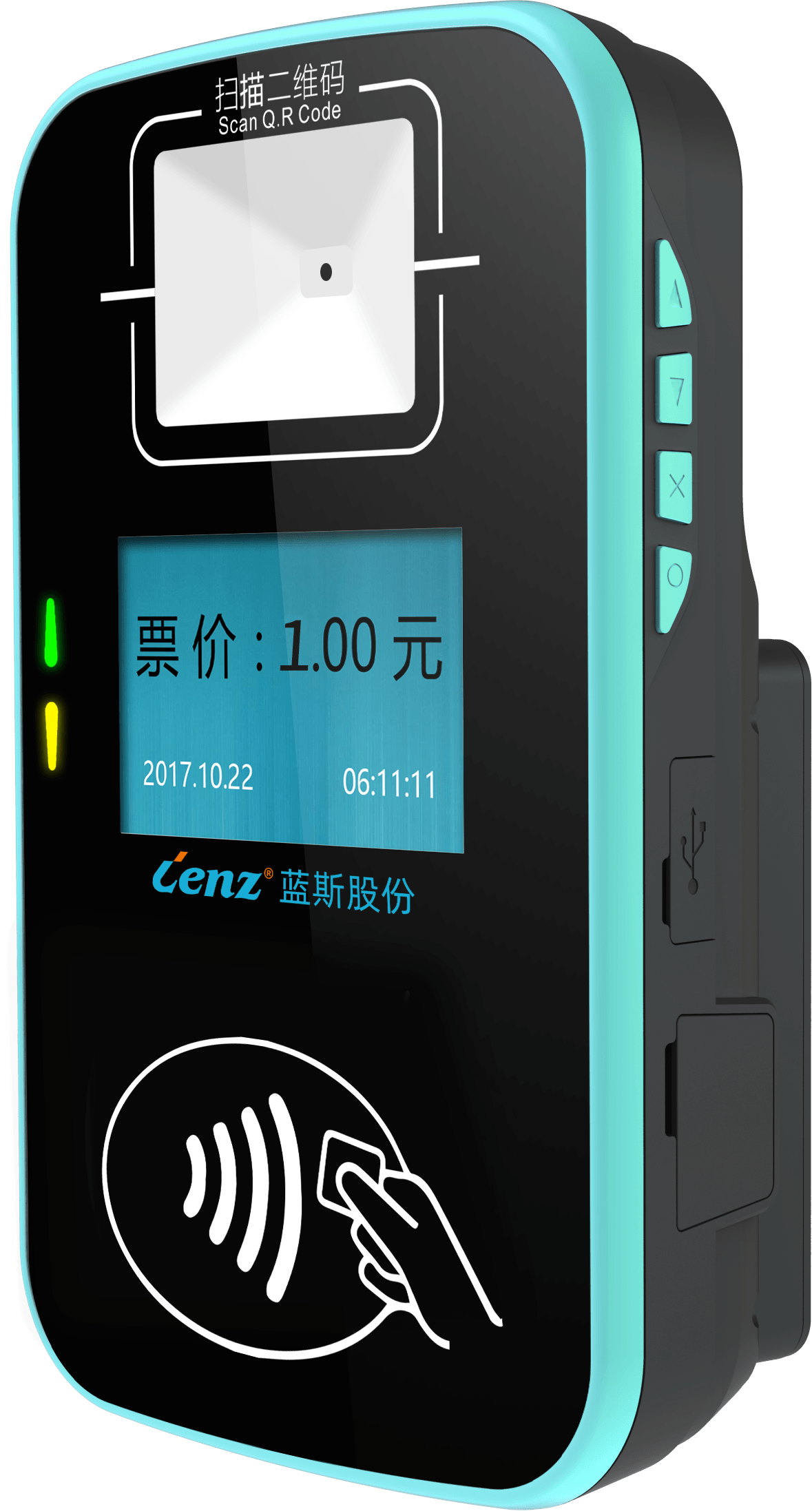
Technological Empowerment: Reshaping the Attractiveness of Public Transportation
From resource integration to safety supervision, and then to passenger services, Lenz Communication's intelligent scheduling system provides replicable solutions for smart transportation through the deep integration of "technology + scenarios". Its core value lies in:
STEP 1: Cost Reduction and Efficiency ImprovementAlgorithm optimization reduces vehicle idleness, lowers labor costs, and helps enterprises achieve "lean operations."
STEP 2: Security backupReal-time monitoring of driver status and vehicle operation to proactively mitigate accident risks and ensure the safety of drivers and passengers.
STEP 3: Enhanced ExperienceOptimize routes with data-driven approaches to shorten passengers' waiting time and enhance the competitiveness of public transportation.
Currently, Lenz's technology has served leading domestic enterprises such as Xiamen Bus, Chengdu Bus, and Haiqi Group, and has been exported to over 40 countries alongside automakers like Huawei and Yutong. For more information, please visit the official website:www.xmlenzintl.com