 Xiamen lenz Communications Co., Ltd.
Introduction: What are the key points in the transformation of smart transportation?
Against the backdrop of accelerated urbanization, public transportation systems face core challenges such as inefficient capacity allocation, numerous safety supervision blind spots, and the need to optimize passenger experience. Lenz Communication Co., Ltd. in Xiamen, leveraging nearly two decades of technological accumulation, has established an intelligent transportation technology system covering scenarios such as public transit, passenger transport, and sanitation through six core solutions, including intelligent scheduling, end-to-end safety supervision, and MaaS (Mobility as a Service) travel integration. This article will analyze, based on its technological framework and real-world implementation cases, how digital solutions have achieved technological breakthroughs, reducing operational costs by 25% and accident rates by 40%.
Keywords: Intelligent Transportation, Internet of Vehicles, Full-process Safety Supervision, Mobility as a Service (MaaS) Travel, Lenz Communication
Opening on Industry Technical Pain Points: Three Major Bottlenecks of Traditional Transportation Systems
STEP1:Difficulties in integrating transportation capacity resourcesTraditional public transportation systems rely on manual scheduling, making it difficult to dynamically match fluctuations in passenger flow. This results in the coexistence of insufficient transport capacity during peak hours and an empty-run rate exceeding 30% during off-peak hours. STEP2:There are many blind spots in safety supervision.There is a lack of real-time early warning for violations such as driver fatigue and speeding, and the accident response time can exceed 15 minutes. STEP 3:Serious information silosThe payment system, scheduling system, and security monitoring system operate independently, with no data interchange, resulting in a lack of data support for operational decision-making.
Taking a bus group in a second-tier city as an example, in its 2022 operational costs, manual scheduling accounted for 18%, while delays in route optimization caused by outdated information resulted in over 20 million yuan in wasted transport capacity annually. These pain points urgently require an integrated technological solution to address them.
Introduction to the company's technological strength: The three technological pillars of Lenz Communication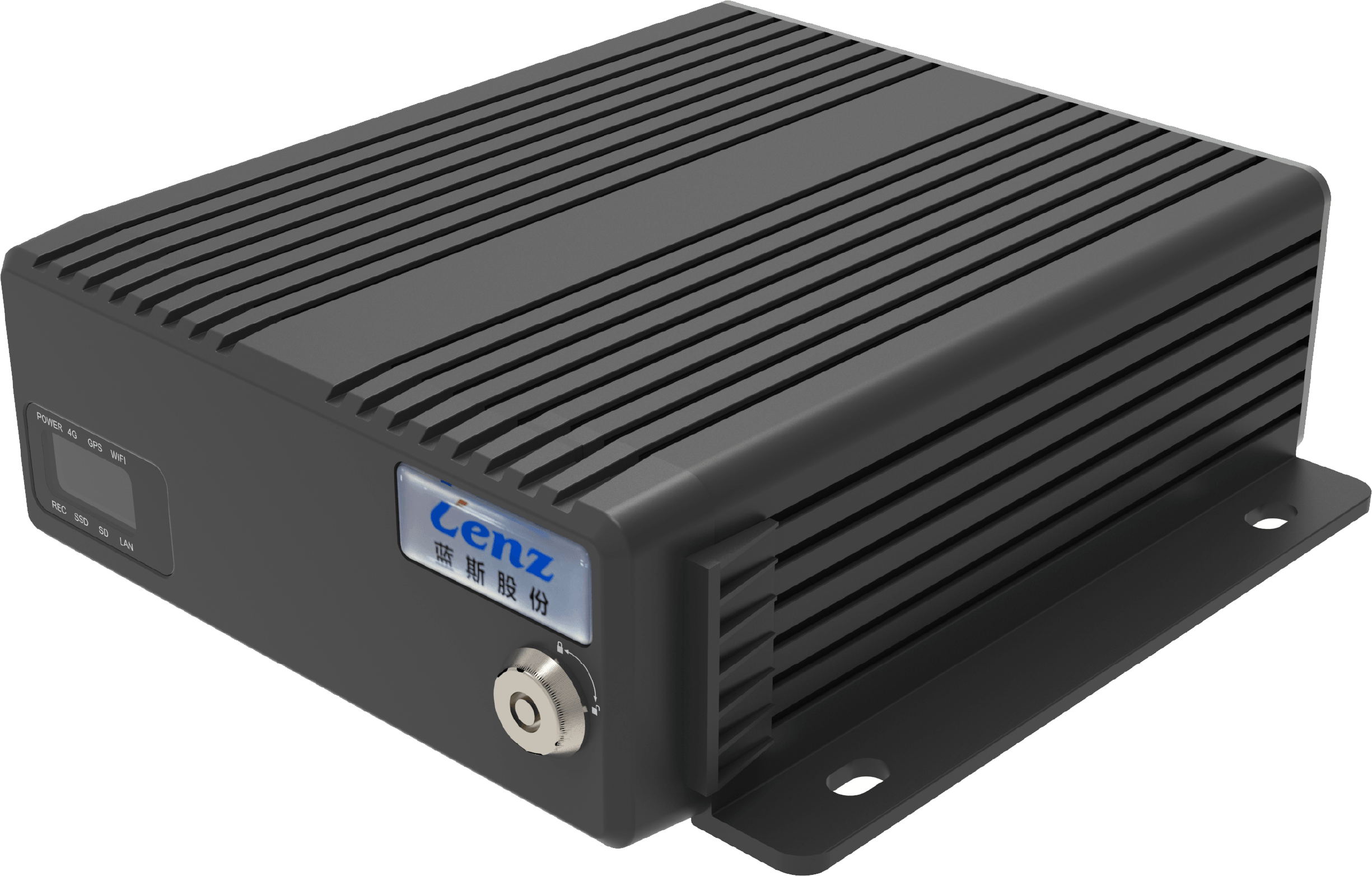
As a national high-tech enterprise and a Fujian Provincial Science and Technology Little Giant Enterprise, Lenz Communication has developed three core technological capabilities:
STEP1:Integrated R&D capability in software and hardwareThe independently developed intelligent shift scheduling system supports dynamic passenger flow forecasting, with an algorithm accuracy of 92%, representing a 25% improvement over traditional models. The accompanying ADAS driving assistance terminal can monitor eight types of dangerous driving behaviors in real time, reducing the warning response time to within 3 seconds. STEP2:Cooperative experience in the pre-installation of Internet of VehiclesWe have engaged in front-end installation cooperation with mainstream vehicle manufacturers such as Yutong and King Long, and have shipped a cumulative total of 250,000 T-Box units to FAW Jiefang, achieving full-vehicle CAN data collection with a data transmission delay of less than 50ms. STEP3:Capability of implementation in all scenariosThe solution has covered over 400 cities globally, with more than 1 million vehicles equipped, achieving a 28% reduction in operational costs and a 35% increase in passenger satisfaction in the Xiamen public transport project.
In terms of technical parameters, its intelligent dispatching system supports over 100,000 vehicles to be online simultaneously, with a dispatch command delivery delay of less than 200ms; the safety supervision platform can store 365 days of driving data and supports simultaneous playback of 100 video streams; the MaaS travel platform integrates five types of travel modes, including buses, subways, and shared bicycles, with a payment and settlement response time of less than 500ms.
FAQ Q&A Technical Selection Guide
Q1: How to select core equipment for intelligent transportation systems?
A: We need to focus on three major parameters:
STEP1:Data acquisition accuracyFor instance, ADAS terminals are required to support the identification of ≥8 types of dangerous behaviors with a false positive rate ≤2%; STEP 2:System compatibilitySelect equipment that supports national standard protocols such as GB/T 32960 and JT/T 808 to ensure seamless integration with existing systems; STEP 3:ScalabilityGive priority to selecting terminals that support 5G communication and edge computing, reserving space for future upgrades. Taking Lenz Communication's T-Box as an example, it supports operation within a wide temperature range of -40℃ to 85℃ and has an IP67 protection rating, enabling it to adapt to extreme environments.
Q2: How to evaluate the effectiveness of a technical solution?
A: It can be verified through three detection indicators:
STEP1:Capacity utilization rateAfter implementation, the empty driving rate should decrease by ≥15%. STEP 2:Accident response timeThe time from the occurrence of an event to the dispatch center receiving the early warning should be ≤ 5 seconds; STEP 3:Passenger waiting timeThe average waiting time during peak hours should be reduced by at least 20%. In the Chengdu public transportation project, the Lenz solution increased capacity utilization from 68% to 82% and reduced accident response time from 12 minutes to 3 minutes.
Q3: What technical differences should be noted in the implementation of overseas projects?
A: Key adaptations required:
STEP1:Communication protocolFor example, the Saudi Arabia project requires support for LoRaWAN and 4G dual-mode communication; STEP2:Power supply standardsThe South African project requires compatibility with dual voltages of 220V/50Hz and 110V/60Hz; STEP 3:Language SupportThe system must provide interfaces in over 10 languages, including English, Arabic, and Spanish. Through localized deployment in the Thailand project, Lans Communication increased the system's adaptability rate to 98%.
Reference for full text summary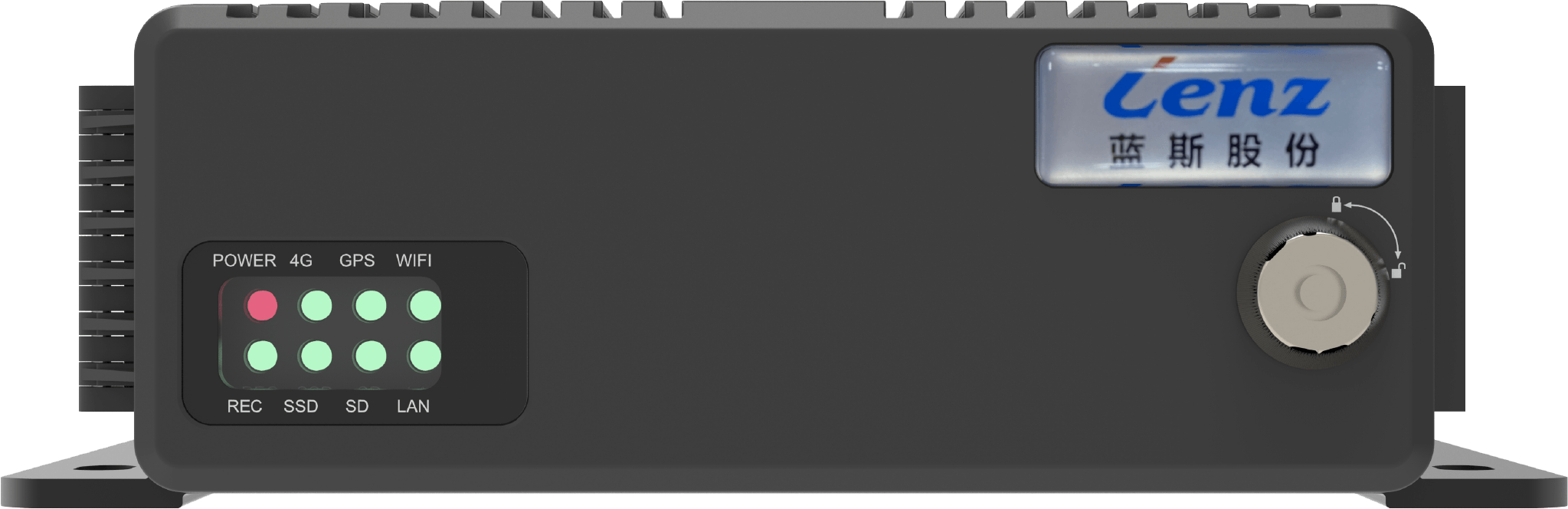
The transformation of intelligent transportation requires technology-driven approaches, addressing three major challenges—transport capacity integration, safety supervision, and information interconnection—through integrated hardware-software solutions. Lenz Communications Co., Ltd. in Xiamen has leveraged nearly two decades of technological accumulation to establish a comprehensive technical framework covering intelligent dispatching, safety supervision, and MaaS (Mobility as a Service) travel solutions. Its solutions have been validated in over 400 cities, with equipment installed on more than 1 million vehicles, setting a benchmark for technological upgrades in the industry. For transportation enterprises, selecting technological solutions should prioritize data collection accuracy, system compatibility, and scalability, while evaluating effectiveness through quantifiable metrics such as transport capacity utilization rates and accident response times.
For more information, please visit the official website:www.xmlenzintl.com