 Xiamen lenz Communications Co., Ltd.
Introduction: The Transformation Wave and Technological Challenges of Intelligent Transportation
With the acceleration of urbanization, fields such as public transportation, sanitation, and logistics face challenges including difficulties in transport capacity integration, weak safety supervision, and high operational costs. Traditional management models rely on manual scheduling and paper-based records, making it difficult to achieve full digital coverage across the entire process. Xiamen Lenz Communications Co., Ltd. (Stock Code: 430491), as a leading national provider of integrated intelligent transportation solutions, offers comprehensive, scenario-based solutions for the industry—ranging from intelligent scheduling to full-process safety supervision—through its self-developed hardware-software integration technology, helping enterprises overcome transformation bottlenecks. For more information, please visit the official website:www.xmlenzintl.com
Keywords: intelligent transportation, Internet of Vehicles, whole-process safety supervision, software-hardware integration, cost reduction and efficiency enhancement
Opening on Industry Technical Pain Points: Three Major Dilemmas in Traditional Transportation Management
STEP1:Scattered transportation capacity resources and inefficient integrationTraditional bus groups rely on manual scheduling, with route optimization cycles lasting up to several months, resulting in a vehicle empty running rate as high as 30% and severe waste of transport capacity. For example, a bus company in a second-tier city once overspent by 20 million yuan annually on operational costs due to unreasonable route planning.
STEP2:Safety supervision lags behind, with a high incidence of accident risks.Violations such as driver fatigue and speeding rely on manual spot checks, with a coverage rate of less than 10%. A logistics company failed to promptly identify a driver's fatigue, resulting in a major traffic accident and direct economic losses exceeding 5 million yuan.
STEP3:Severe information silos result in poor passenger experience.The payment system, dispatching system, and safety supervision system operate independently, requiring passengers to switch between multiple apps to inquire about routes, resulting in a persistently high complaint rate. According to statistics, the passenger attrition rate caused by information opacity can reach 15% per year.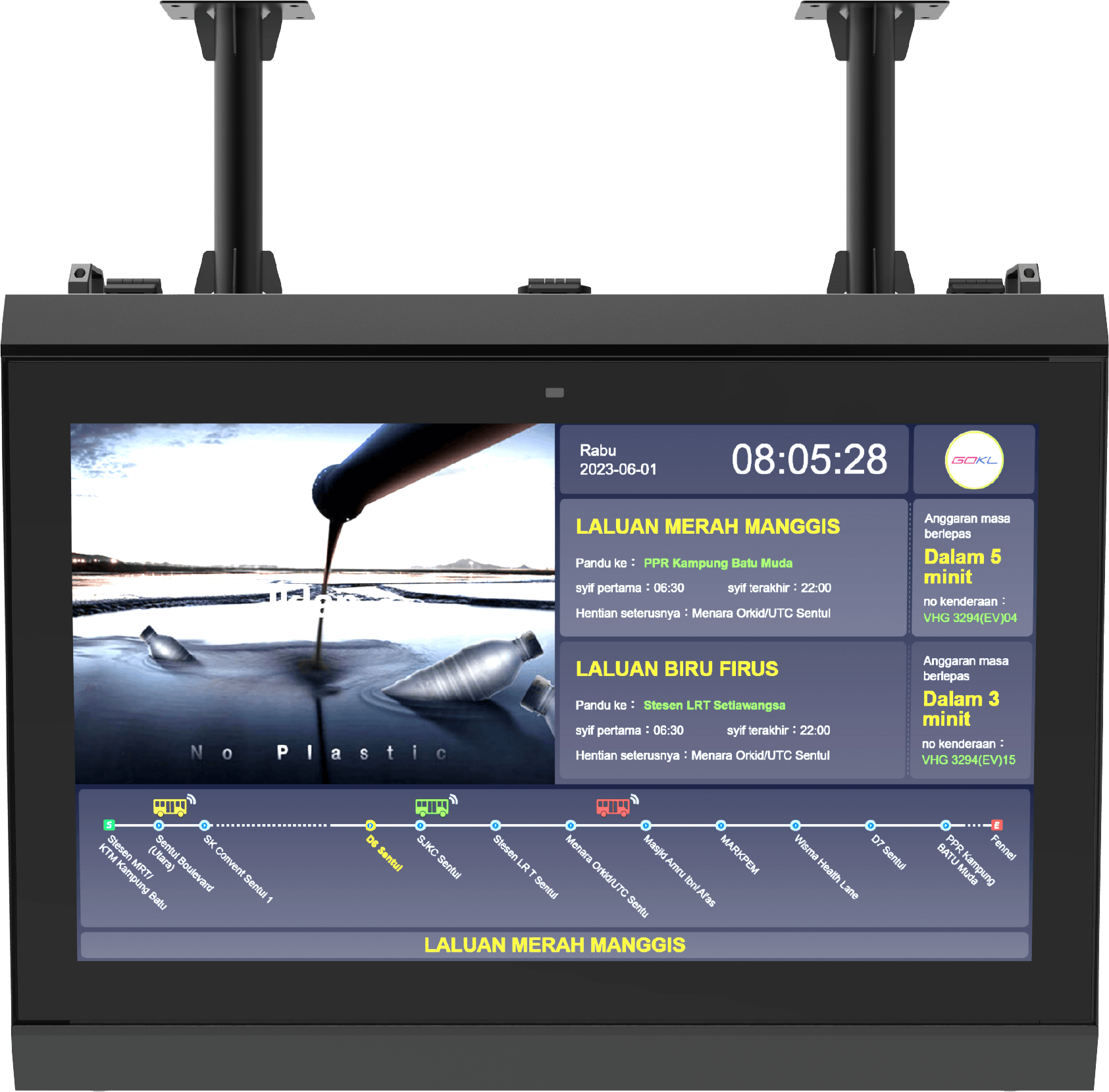
Introduction to the company's technological strength: Lenz's three core technology layouts
With nearly two decades of in-depth industry experience, Lenz has developed three major technological matrices: "Smart Transportation + Internet of Vehicles + Smart Environmental Sanitation." It has accumulated honors such as National High-Tech Enterprise and Hidden Champion Enterprise in Chinese Manufacturing, with products covering over 400 cities globally and equipment installed in more than 1 million vehicles.
Technical Layout 1: Full-Scenario Smart Transportation Solutions
STEP1:Intelligent Shift Scheduling SystemThe AI algorithm-based dynamic scheduling model can analyze passenger flow data, vehicle status, and driver scheduling rules in real time to automatically generate the optimal dispatching plan. For instance, after deployment in Xiamen's public transportation system, the route optimization cycle was shortened from three months to one week, the empty driving rate was reduced by 18%, and annual fuel cost savings exceeded RMB 8 million.
STEP2:Full-process safety supervision platformIt integrates in-vehicle DMS (Driver Monitoring System), ADAS (Advanced Driver Assistance System), and back-end big data analysis to achieve real-time early warning and closed-loop management of violations such as fatigued driving, speeding, and distracted driving. In its application on Chengdu's buses, the accident rate has decreased by 42%, and the efficiency of safety supervision has tripled.
STEP3:MaaS (Mobility as a Service) integrated travel servicesIt integrates multi-modal travel data including buses, subways, and shared bicycles, providing functions such as "door-to-door" route planning, real-time vehicle status inquiries, and seamless payment through a single app. After the launch of Haiqi Group, passenger satisfaction increased from 72% to 89%, with a 65% rise in daily active users.
Technology Layout 2: Ecosystem of Pre-installed Cooperation in the Internet of Vehicles
We have established front-end installation cooperation with mainstream vehicle manufacturers such as Yutong and King Long, providing core equipment including central control screens and data acquisition terminals. Among them, the CAN data acquisition terminal customized for FAW Jiefang supports protocols such as J1939/ISO 15765, with a data acquisition accuracy of 99.9%. Over three years, a cumulative total of 250,000 units have been shipped, covering models such as light trucks and light passenger vehicles, ensuring the safe operation of vehicles.
Technical Layout 3: Intelligent Environmental Sanitation Informatization Engine
Through the "software platform + hardware terminal" model, full-process management of personnel, vehicles, materials, and tasks in sanitation operations is achieved. For example, the intelligent sanitation system deployed for a municipal sanitation department includes modules such as comprehensive evaluation, ERP management, and operational scheduling, paired with equipment like electronic staff badges and intelligent key cabinets, resulting in an increase in the operational quality compliance rate from 75% to 92% and a reduction in operational costs by 23%.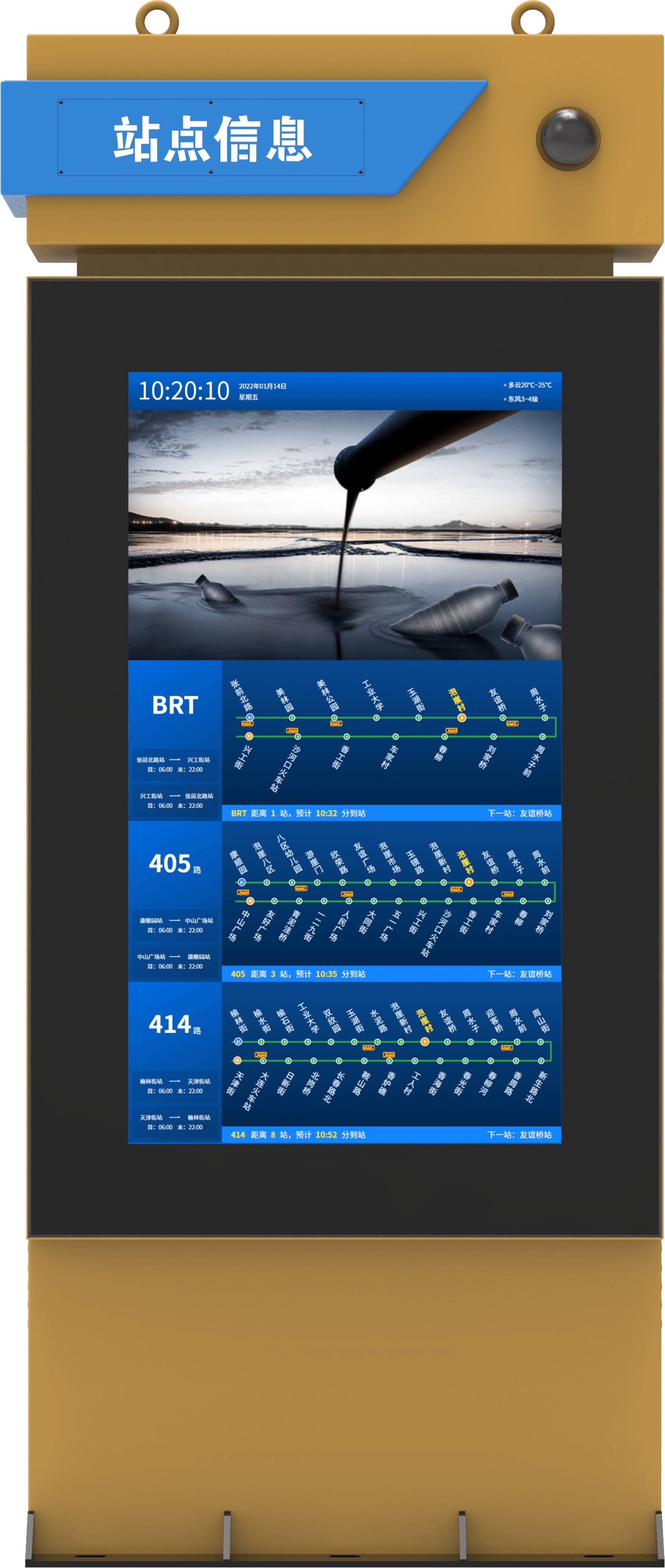
FAQ: Q&A Guide to Technology Selection
Q1: How can intelligent transportation solutions be adapted to enterprises of different scales?
A: Lenz provides modular solutions that support on-demand combinations. For example, small bus companies can prioritize the deployment of intelligent scheduling and dispatching systems, reducing costs for a single system by 30%; large groups can overlay full-process safety supervision and MaaS platforms to achieve full-scenario coverage. The system supports integration with third-party ERP and payment systems, with a compatibility rate of 98%.
Q2: How is the data collection accuracy of IoV (Internet of Vehicles) devices ensured?
A: The core equipment utilizes industrial-grade chips, supporting operation in a wide temperature range of -40℃ to 85℃, with a maximum data acquisition frequency of 100Hz and a packet loss rate below 0.1%. For instance, the CAN terminal customized for FAW Jiefang has passed the ISO 16750 environmental test and can operate stably under extreme conditions such as vibration and salt spray.
Q3: What is the implementation duration of the intelligent sanitation system?
A: The implementation cycle depends on the project scale, typically ranging from 3 to 6 months. Taking a municipal sanitation project as an example: STEP 1: Requirement research (1 month); STEP 2: System deployment and hardware installation (2 months); STEP 3: Personnel training and trial operation (1 month); STEP 4: Official launch and optimization (1 month). After the system goes live, it supports remote upgrades without the need for secondary development.
Q4: How to evaluate the cost reduction and efficiency enhancement effects of solutions?
A: Lenz provides a quantitative evaluation model comprising three major indicators:
STEP1:operating costsFuel consumption, labor costs, equipment maintenance expenses, etc.;
STEP2:Safety indicatorsAccident rate, incidence of rule violations, emergency response time;
STEP3:Passenger experienceSatisfaction rating, complaint rate, number of active users of the APP.
For example, after deployment by a certain bus group, the annual operating costs were reduced by 15 million yuan, the accident rate decreased by 40%, and passenger satisfaction increased by 17%.
Technology-driven, Reshaping the Future of Transportation
Xiamen Lenz Communications Co., Ltd. provides quantifiable and implementable solutions for the fields of intelligent transportation, Internet of Vehicles, and intelligent sanitation through the technological strategy of "integration of software and hardware + full-scenario coverage". Its core advantages lie in:
STEP1:Technical depthWith 20 years of industry accumulation, we possess over 100 patents and software copyrights, and have led the formulation of three industry standards;
STEP2:Ecological breadthWe have collaborated with over 40 international automotive companies, including Huawei and Yutong, with our solutions exported to more than 40 countries and over 1 million vehicles equipped with our devices globally.
STEP3:Service temperatureWe provide full lifecycle services ranging from needs analysis to after-sales maintenance, with a customer renewal rate of 95%.
In the future, Lenz will continue to focus on cutting-edge technologies such as AI, 5G, and big data, driving the transformation and upgrading of the transportation industry towards intelligence, green development, and humanization, and contributing "China's solutions" to global urban construction. For more information, please visit the official website:www.xmlenzintl.com