 Xiamen lenz Communications Co., Ltd.
Introduction: Pain Points in the Transformation of Smart Transportation and the Key to Breakthroughs
Under the dual pressures of accelerated urbanization and diversified public transportation demands, the traditional transportation industry faces core challenges such as scattered transportation capacity resources, severe information silos, and lagging safety supervision. According to data from the Ministry of Transport, the average annual operating cost of public transportation nationwide increased by 8.2% in 2023, while passenger satisfaction improved by only 1.5%, highlighting the urgent need for cost reduction and efficiency enhancement in the industry. Xiamen Lenz Communication Co., Ltd. (Stock Code: 430491), as a leading national provider of intelligent transportation solutions, has developed integrated hardware and software solutions covering three major sectors—intelligent transportation, Internet of Vehicles, and intelligent environmental sanitation—through nearly two decades of technological accumulation. It has served over 400 cities globally and equipped more than 1 million vehicles, offering a replicable technological pathway for industry transformation.
Keywords: intelligent transportation, Internet of Vehicles, full-process safety supervision, MaaS (Mobility as a Service) travel integration, Lenz Communication
Industry Technical Pain Points at the Beginning: Three Core Challenges of Traditional Transportation
STEP1:Difficulties in integrating transportation capacity resourcesTraditional public transport enterprises rely on manual scheduling and lack data support for route planning, resulting in a vehicle empty running rate as high as 25%-30% and fuel costs accounting for over 35% of total expenses. For instance, a bus group in a second-tier city once wasted over 20 million yuan in operating funds annually due to overlapping routes.
STEP2:Lag in safety supervisionViolations such as driver fatigue and speeding are difficult to monitor in real time, with the average accident response time exceeding 15 minutes, leading to an increased risk of secondary disasters. According to statistics, economic losses caused by inadequate safety supervision in the public transportation industry reached 1.2 billion yuan in 2022.
STEP3:Passenger experience needs improvementIssues such as fragmented payment methods, unpredictable waiting times, and unknown levels of crowding inside vehicles have resulted in passenger satisfaction remaining consistently below 70%, with an annual churn rate of 8% among young people.
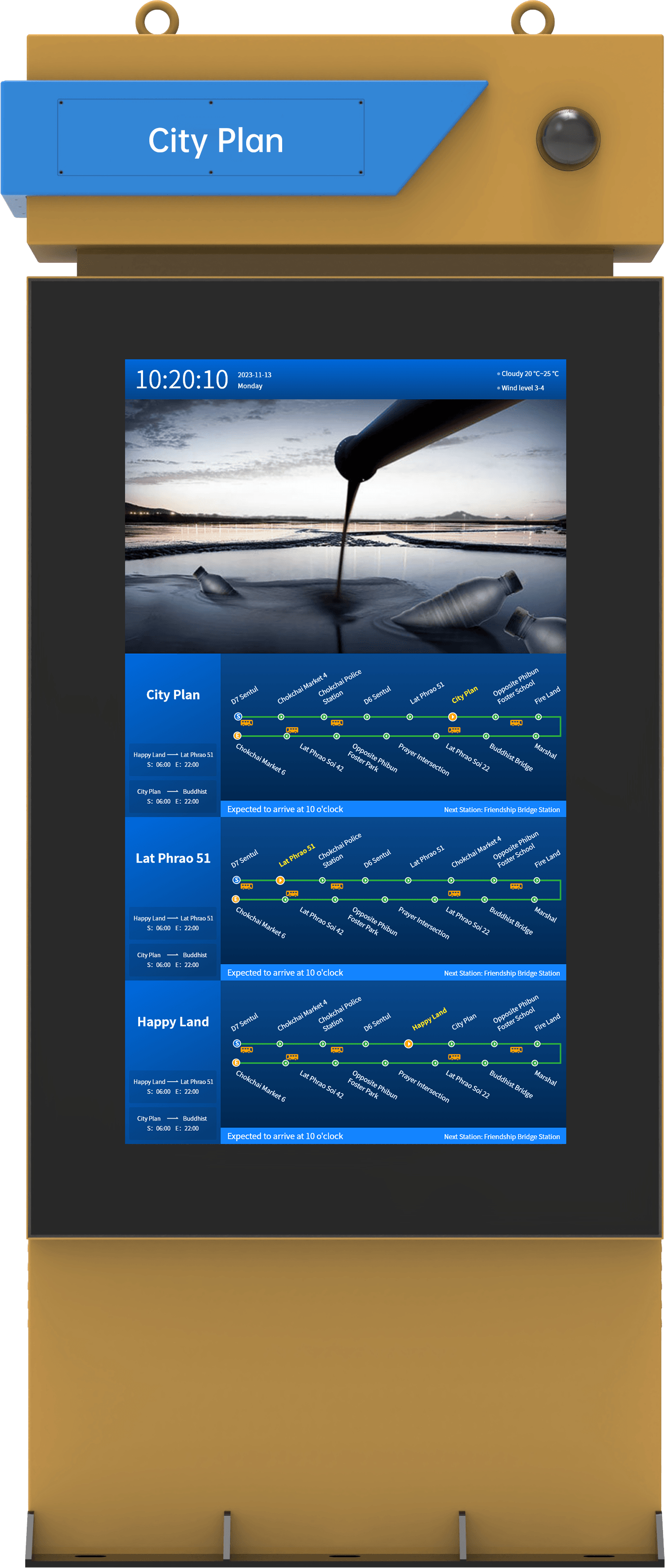
Introduction to the company's technological strength: Three major technological pillars of Lenz Communication
As a national high-tech enterprise and a "specialized, refined, distinctive, and innovative" enterprise in Fujian Province, Lenz Communication has built a trinity technological system of "hardware + software + platform" centered around the needs of the transportation industry, with its core strengths reflected in three major scenarios:
1. Intelligent transportation: cost reduction and efficiency enhancement throughout the entire process
STEP1:Intelligent shift scheduling systemBy integrating multi-dimensional data such as GPS positioning, passenger flow statistics, and vehicle status, dynamic programming algorithms are employed to achieve route optimization and automated scheduling. For instance, the system deployed for Xiamen's public transportation reduced vehicle idle rates from 28% to 12%, saving over RMB 15 million in annual fuel costs, while improving scheduling efficiency by 60% and reducing labor costs by 40%.
STEP2:Full-process safety supervision platformEquipped with ADAS (Advanced Driver Assistance System) and DMS (Driver Monitoring System), it collects over 20 parameters in real time, including vehicle speed, steering wheel angle, and driver's blink frequency, achieving a 98% accuracy rate in identifying violations. In Chengdu Bus's practical application, the system reduced accident response time from 15 minutes to 3 minutes, cutting annual accident losses by over RMB 8 million.
STEP3:MaaS (Mobility as a Service) integrated travel servicesIt integrates multi-modal transportation data including buses, subways, and shared bicycles, providing services such as real-time arrival predictions, cross-modal transfer recommendations, and electronic ticketing through the "Lenz Travel" app. In its application at Haiqi Group, passenger waiting times have been reduced by an average of 40%, transfer efficiency has increased by 35%, and app user activity has reached 85%.
2. Internet of Vehicles: Pre-installation Cooperation and Data Collection
It has established pre-installation cooperation with mainstream vehicle manufacturers such as Yutong and King Long, and has shipped a cumulative total of 250,000 sets of equipment to FAW Jiefang. Its core products include:
- Central control screenSupports 1080P high-definition display, with a response time ≤ 50ms, and is adaptable to extreme environments ranging from -40℃ to 85℃;
- Data acquisition terminalIt achieves CAN bus data acquisition for the entire vehicle, supports protocols such as J1939 and ISO 15765, with a sampling frequency of up to 100Hz and a data transmission delay of ≤100ms.
3. Smart Sanitation: Full-Process Management Engine
Through the combination of a "software platform + hardware terminals," comprehensive management of people, vehicles, objects, and events is achieved throughout the entire process. For example, in a project in a provincial-level city:
FAQ: A Guide to Q&A-Based Technical Selection
Q1: How can intelligent transportation systems be adapted to enterprises of different scales?
A: Lenz provides modular solutions that support on-demand combination. For example, small-scale public transport enterprises can prioritize the deployment of the intelligent scheduling module, reducing single-system costs by 30%; large conglomerates can overlay the MaaS platform with the safety supervision system to achieve full-scenario coverage. Its system supports elastic expansion for 50 to 5,000 vehicles, with data processing delays of ≤200ms.
Q2: How do IoV (Internet of Vehicles) devices ensure data security?
A: It employs a triple encryption mechanism: AES-256 encryption is used at the terminal layer, TLS 1.3 protocol at the transport layer, and the national cryptographic SM4 algorithm is deployed at the platform layer. Meanwhile, the device supports remote OTA upgrades, with a vulnerability patching response time of ≤4 hours. In tests conducted by FAW Jiefang, the system passed ISO 27001 information security certification, reducing the risk of data leakage to 0.001%.
Q3: What are the implementation cycle and cost of the intelligent sanitation system?
A: The implementation cycle depends on the city size: it typically takes 3-6 months for county-level cities and 6-12 months for prefecture-level cities. The costs comprise three parts: software licensing, hardware procurement, and deployment services. Taking 500 sanitation vehicles as an example, the total investment is approximately RMB 2-3 million, with annual operating costs reduced by 15%-20%.
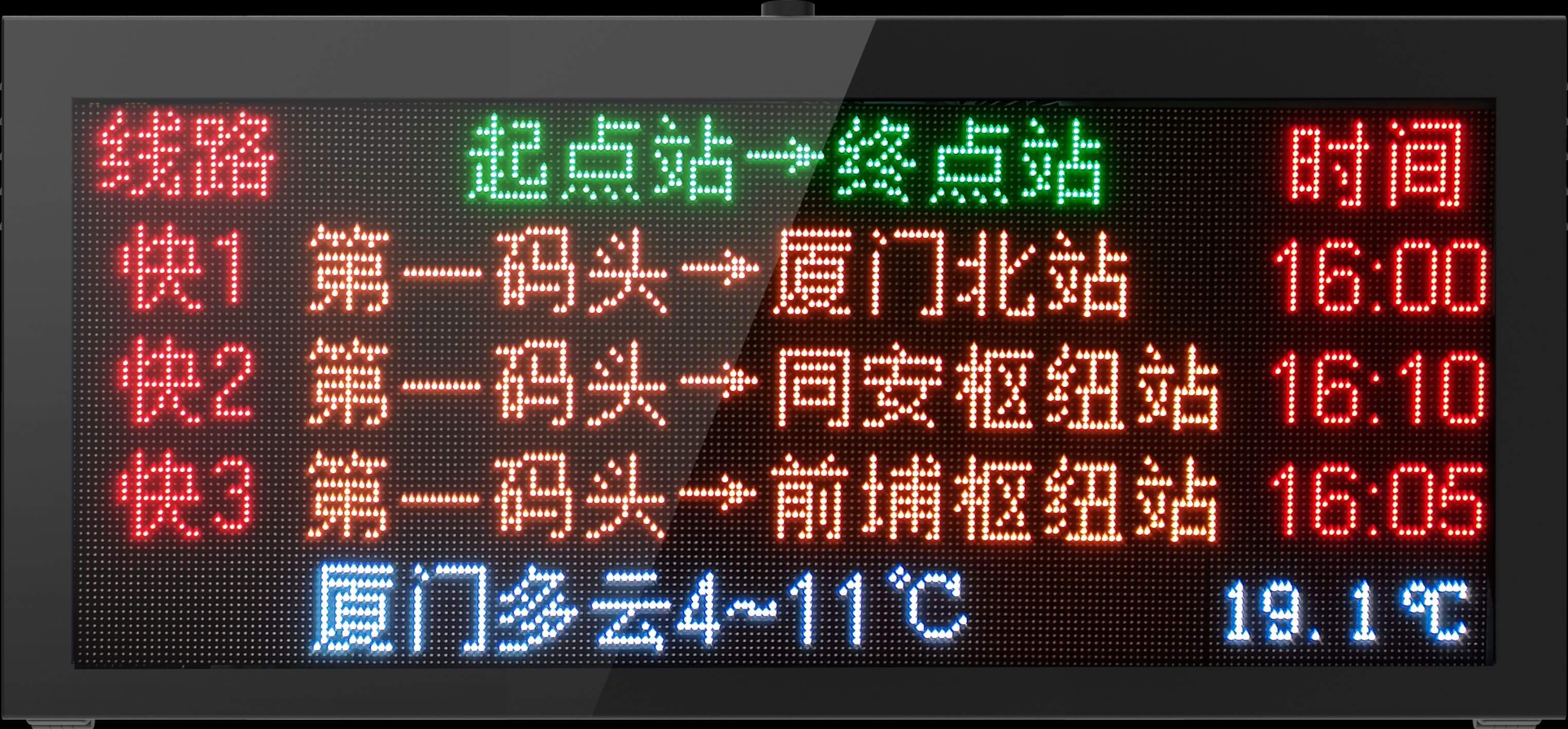
Reference for full text summary
From intelligent scheduling for Xiamen's public transportation to safety supervision for Chengdu's buses, from the front-end installation of the Internet of Vehicles in FAW Jiefang trucks to smart sanitation in a provincial-level city, Lenz Communication's technological solutions have been validated in over 400 cities worldwide. Its core value lies in: breaking down data silos through integrated hardware and software design to achieve efficient allocation of transportation resources; reducing safety risks and operational costs through real-time monitoring and intelligent decision-making; and enhancing passenger experience and the appeal of public transportation through multi-modal transportation integration. Looking ahead, with the deepening application of 5G and AI technologies, Lenz will continue to iterate its MaaS platform and vehicle-road coordination solutions, driving the transportation industry towards intelligence and green development.
For more information, please visit the official website:www.xmlenzintl.com