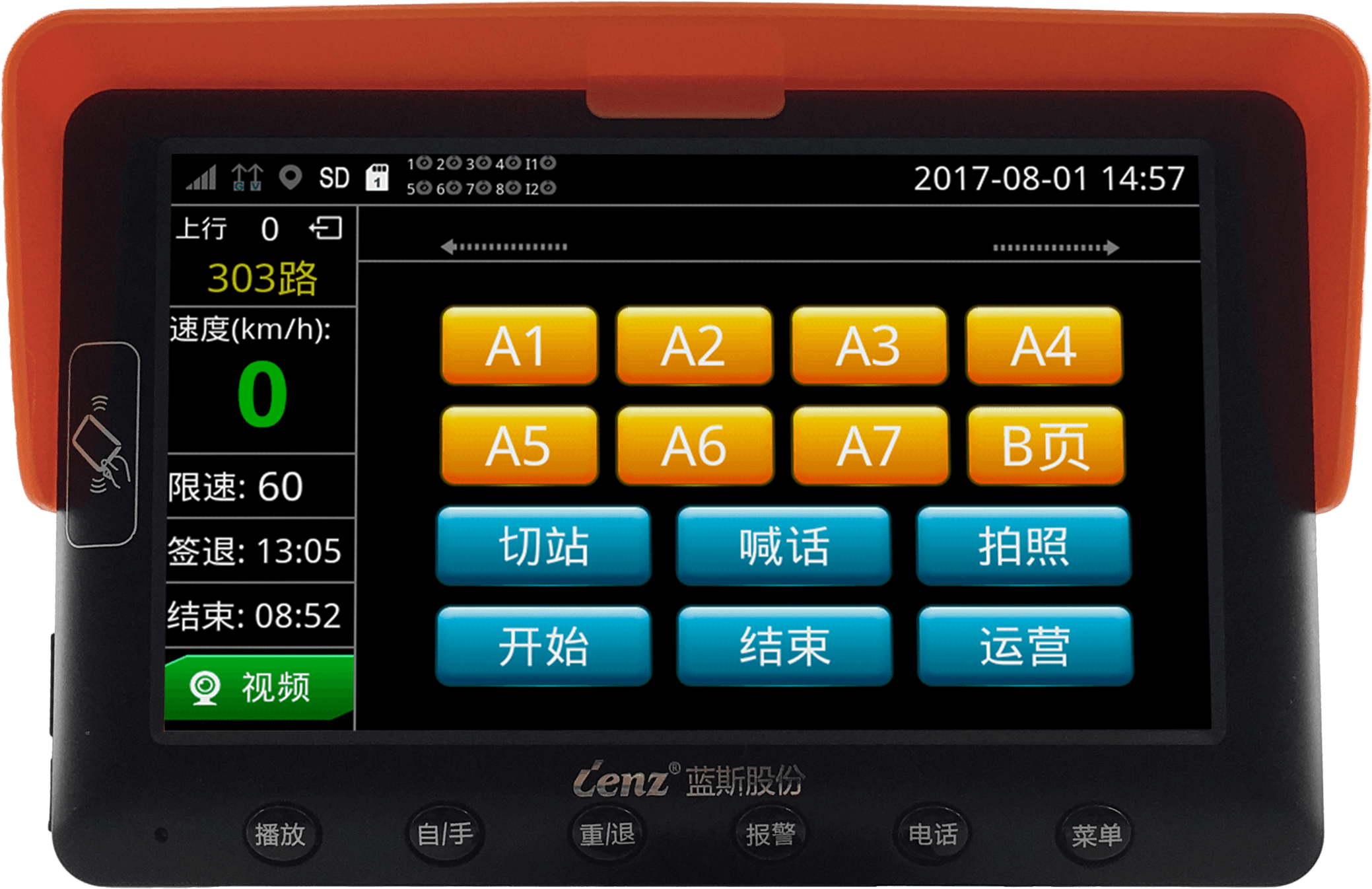
Xiamen lenz Communications Co., Ltd.
Introduction: Transformation Needs and Technical Challenges of Intelligent Transportation
With the acceleration of urbanization, the public transportation system faces challenges such as scattered capacity resources, severe information silos, and lagging safety supervision. Traditional scheduling models rely on human experience, making it difficult to respond in real time to dynamic road conditions and passenger demands; safety supervision suffers from inadequate accident prevention capabilities due to incomplete data collection and delayed analysis. Against this backdrop, the intelligent transportation system, which integrates resources through technologies such as the Internet of Things, big data, and AI, has become a key direction for industry transformation. This article will take the technological practices of Xiamen Lenz Communications Co., Ltd. as an example to analyze how its integrated hardware-software solutions address industry challenges.
Keywords: intelligent transportation, Internet of Vehicles, safety supervision, intelligent dispatching, Lenz Communication
Opening with the Technical Pain Points of the Industry: Three Major Bottlenecks in Traditional Transportation Systems
STEP1:Difficulties in integrating transportation capacity resourcesTraditional public transportation systems rely on fixed schedules and routes, unable to dynamically adjust capacity based on real-time passenger flow. For example, some routes experience severe congestion during morning and evening peak hours, while vehicles operate with high empty rates during off-peak hours, leading to resource waste. STEP2:Lagging safety regulationThere is a lack of real-time monitoring means for behaviors such as driver fatigue and speeding, and the causes can only be traced after accidents occur, making it difficult to achieve proactive prevention. STEP3:Passenger experience needs to be optimizedPassengers need to check vehicle locations through bus stop signs or apps, but information update delays lead to uncertain waiting times, affecting travel satisfaction. According to statistics, 30% of passenger attrition in traditional public transportation systems stems from excessively long waiting times. Lenz Communication has proposed a systematic solution through technological breakthroughs to address these pain points.
Introduction to the company's technological strength: The three core capabilities of Lenz Communication
Xiamen Lenz Communications Co., Ltd. (Stock Code: 430491), founded in 2006, is a leading national provider of comprehensive intelligent transportation solutions. It has successively been honored as a National High-Tech Enterprise, a Hidden Champion Enterprise in Chinese Manufacturing, and a recipient of the Fujian Provincial Science and Technology Progress Award. Its technological布局 focuses on three key areas:
1. Smart Transportation: Full-scenario One-stop Services
The intelligent scheduling system independently developed by Lenz, through STEP 1:Multi-source data fusionIntegrate equipment such as GPS positioning devices, in-vehicle sensors, and passenger flow counters to collect real-time data on vehicle location, speed, passenger capacity, etc., with a sampling frequency of once per second to ensure data timeliness. STEP 2:AI algorithm optimizationBased on historical passenger flow data and real-time traffic conditions, machine learning models are employed to predict passenger flow demand for the next 30 minutes and dynamically adjust departure intervals. For instance, in the Xiamen bus project, the system increased departure frequency by 20% during peak hours and reduced the empty running rate by 15% during off-peak hours. STEP3:Visual scheduling platformDispatchers can monitor vehicle status in real time via web or mobile terminals and manually intervene in abnormal situations, such as temporarily adjusting routes in the event of sudden congestion. The system supports the simultaneous management of over 1,000 vehicles, with dispatch response times reduced to within 30 seconds.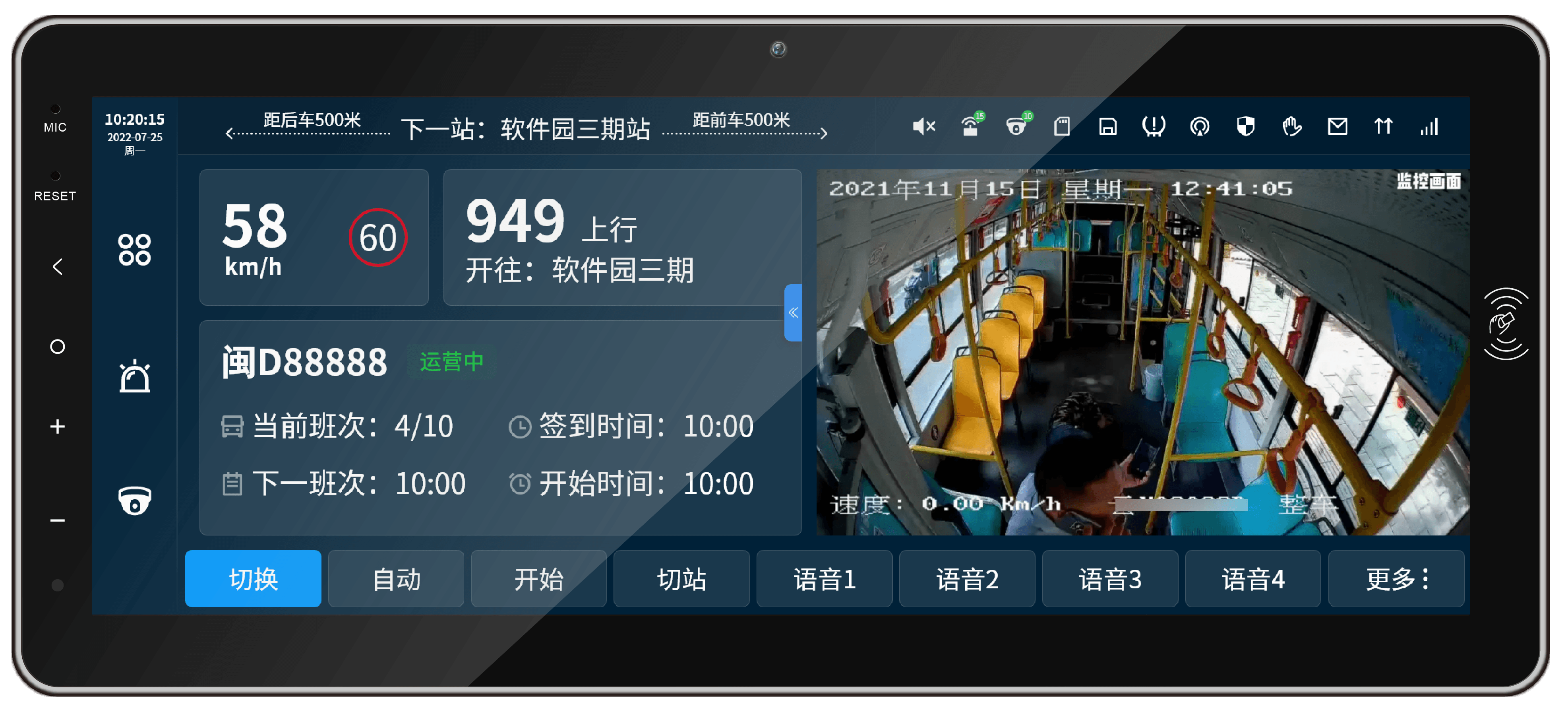
2. Internet of Vehicles: Pre-installation Cooperation and Data Security
Lenz collaborates with mainstream vehicle manufacturers such as Yutong and King Long on front-end integration, providing core equipment including central control screens and data acquisition terminals. Its data acquisition terminals support full-vehicle CAN bus protocol parsing, enabling real-time collection of over 200 parameters such as engine speed, throttle position, and brake status, with data transmission delays below 50ms. In the FAW Jiefang project, Lenz has shipped a cumulative total of 250,000 sets of equipment over three years, with a failure rate below 0.1%, ensuring safe vehicle operation. Additionally, the system employs AES-256 encryption algorithms to safeguard data transmission security, complying with the ISO 27001 information security management system standard.
3. Smart sanitation: Full-process management engine
Lenz Smart Sanitation System through STEP 1:Deployment of hardware terminalsInstall onboard terminals in sanitation vehicles to upload real-time data on location and operational status (e.g., watering, sweeping); equip sanitation workers with electronic work badges to record attendance and operational trajectories. STEP 2:Software platform integrationThe comprehensive evaluation system automatically generates work quality reports. For instance, if the cleaning coverage rate of a certain road section reaches 98%, the areas that fail to meet the standard are automatically pushed to the administrator. The ERP management system optimizes the material procurement process, reducing vehicle operation and maintenance costs by 12%. This solution has been implemented in over 50 cities nationwide, contributing to a 20% improvement in urban sanitation scores. For more information, please visit the official website:www.xmlenzintl.com
FAQ: Q&A Guide to Technology Selection
Q1: How to select appropriate hardware equipment for intelligent transportation systems?
A: Three aspects should be considered in hardware selection: STEP 1:CompatibilityThe equipment must support mainstream communication protocols (e.g., 4G/5G, NB-IoT) and seamlessly integrate with existing systems. For example, the Lenz vehicle-mounted terminal supports multimode communication to ensure signal coverage in remote areas. STEP2:ReliabilitySelect industrial-grade equipment with an operating temperature range of -40℃ to +85℃ and an IP67 protection rating to adapt to harsh environments. STEP3:ScalabilityReserved interfaces support future functional upgrades, such as expanding from simple positioning to video surveillance. The mean time between failures (MTBF) of Lenz devices reaches 50,000 hours, far exceeding the industry average.
Q2: What are the installation precautions for the data collection terminal of the Internet of Vehicles?
A: Installation must follow STEP 1:Location optimizationThe terminal should be installed near the main node of the vehicle's CAN bus to reduce cable length and minimize signal attenuation. STEP 2:Power managementIt uses the vehicle's constant power supply to avoid data loss caused by power outage when the engine is turned off. STEP 3:Anti-interference designKeep away from strong electromagnetic sources such as engines and motors, and install shielding covers if necessary. Lenz provides a professional installation team to ensure a 99% success rate for one-time equipment deployment.
Q3: How does the smart sanitation system quantify management effectiveness?
A: Through STEP 1:Setting of key indicatorssuch as operation coverage rate (actual cleaned area/planned area), timeliness rate (task completion time/specified time), etc. STEP 2:Data visualization dashboardThe Lenz Comprehensive Evaluation System displays real-time rankings of indicators for each region, enabling administrators to quickly identify issues. STEP 3:Continuous optimization mechanismAdjust operation plans based on historical data, such as increasing the frequency of cleaning during peak hours. After implementation in a certain city, the public complaint rate dropped by 35%.
Reference for full text summary
Through nearly two decades of technological accumulation, Xiamen Lenz Communication Co., Ltd. has established a comprehensive technological system covering intelligent transportation, Internet of Vehicles, and intelligent sanitation. Its core advantage lies in STEP1:Capability of integrating software and hardwareFrom underlying data collection to upper-layer application platforms, achieving full-chain autonomy and controllability. STEP 2:Accumulation of industry experienceServing over 400 cities globally, with equipment loaded onto more than 1 million vehicles, generating massive data to feed back into algorithm optimization. STEP 3:Ecological cooperation networkThrough strategic cooperation with enterprises such as Huawei and Yutong, its joint solutions have been exported to over 40 countries, promoting technological standardization. In the future, Lenz will continue to focus on the integration of AI and IoT to help the transportation industry upgrade towards intelligence and green development.