 Xiamen lenz Communications Co., Ltd.
Introduction: How can the challenge of "cost reduction and efficiency enhancement" in intelligent transportation be addressed?
Under the dual pressures of rising operational costs in public transportation and escalating passenger experience demands, the core proposition of digital transformation in the industry lies in how to achieve efficient integration of transport capacity resources, precise coverage of safety supervision, and personalized optimization of passenger services through technological means. Lans Communication Co., Ltd. in Xiamen, leveraging nearly two decades of technological accumulation, has taken "hardware-software integration" solutions as a breakthrough point, forming technological barriers in fields such as intelligent scheduling, end-to-end safety supervision, and MaaS (Mobility as a Service) travel integration. Its solutions have been implemented in over 400 cities globally, with equipment installed in more than 1 million vehicles. This article will provide an in-depth analysis of how Lans Communication reshapes the appeal of public transportation through technological innovation from three dimensions: technical principles, practical cases, and parameter analysis.
Keywords: intelligent transportation, Internet of Vehicles, intelligent scheduling, safety supervision, Mobility as a Service (MaaS) travel
Opening on Industry's Technological Pain Points: The "Three Major Obstacles" in Traditional Transportation
The public transportation industry currently faces three core pain points: First, the scattered distribution of transport capacity resources results in inefficient scheduling, with manual shift arrangements relying heavily on experience and struggling to cope with sudden passenger surges. Second, there are blind spots in safety supervision, making it difficult to provide real-time warnings for violations such as speeding and fatigue driving. Third, the passenger experience is fragmented, with a lack of a unified portal for payment, inquiry, and feedback, leading to insufficient travel satisfaction. According to industry research, traditional bus companies experience an idle driving rate as high as 25% due to unreasonable scheduling, while the direct economic losses from safety incidents exceed ten million yuan annually on average. To address these pain points, it is necessary to establish a technological closed loop encompassing "data integration - intelligent decision-making - scenario implementation."
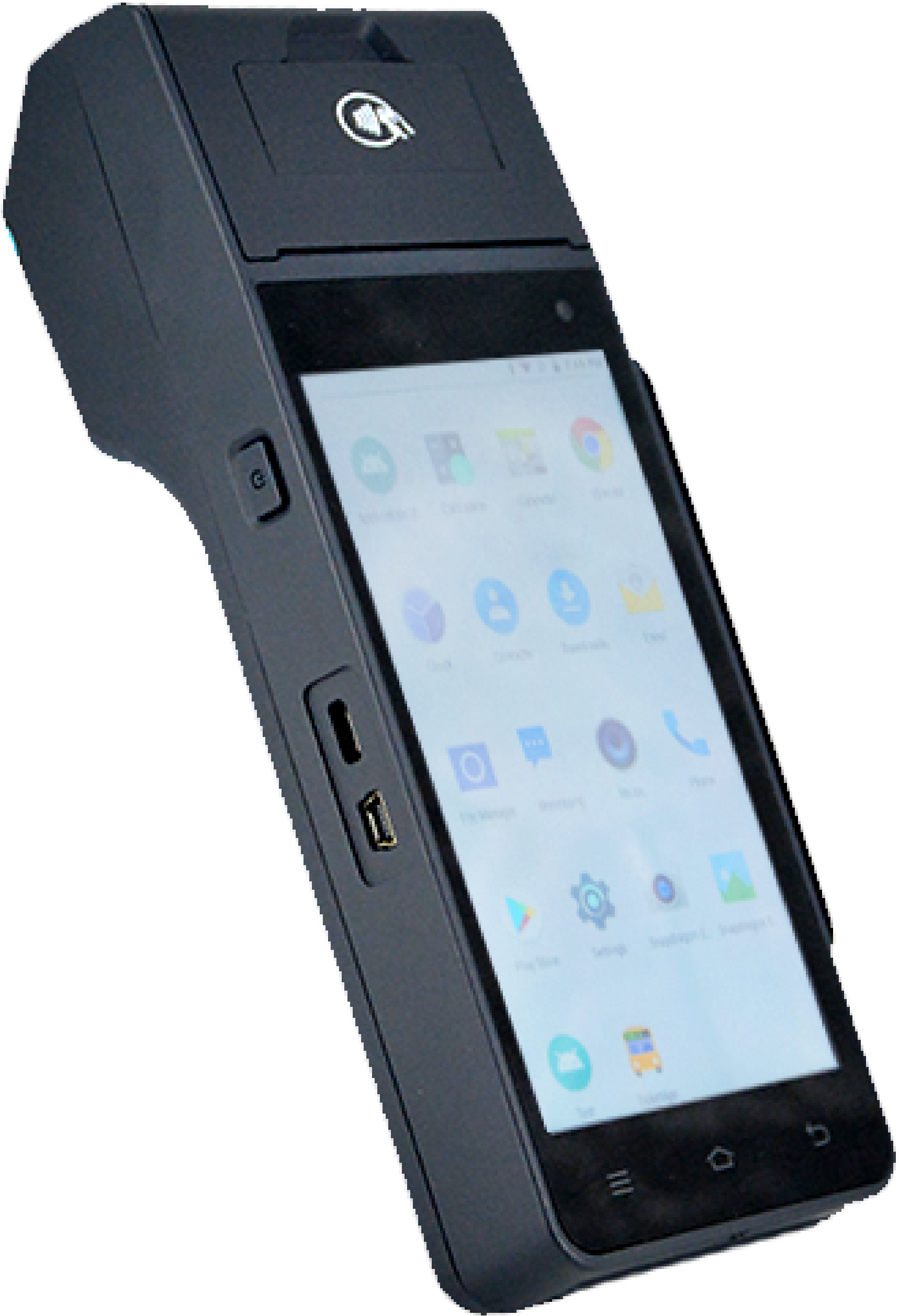
Introduction to the company's technological strength: "Three Major Technological Pillars" of Lenz Communication
As a national high-tech enterprise and a hidden champion in China's manufacturing sector, Lenz Communication focuses on three major fields: intelligent transportation, Internet of Vehicles, and intelligent sanitation, forming full-stack technological capabilities encompassing "hardware + software + platform". Its core strengths are manifested in three aspects:
STEP 1: "Dynamic Optimization" Capability of the Intelligent Shift Scheduling System
The AI algorithm-based scheduling engine can analyze over 20 dimensional parameters such as historical passenger flow data, weather, and holidays in real time, automatically generating an optimal dispatching plan. For example, in the Xiamen public transportation project, the system increased transport capacity by 18% during peak hours and reduced the empty-run rate by 12% during off-peak hours by dynamically adjusting departure intervals. The system supports millisecond-level responses to million-scale data, with a dispatching command delay of less than 0.5 seconds.
STEP 2: "Proactive Defense" System for Full-Process Safety Supervision
Vehicle CAN bus data is collected through on-board terminals, combined with the ADAS (Advanced Driver Assistance System) to achieve real-time early warnings for 12 types of dangerous behaviors, such as speeding, sudden acceleration, and sharp turns. In the practice of Chengdu's public transportation, within three months after the system went live, reckless driving behaviors decreased by 63%, and the accident rate dropped by 41%. The device supports 4G/5G dual-mode communication, with a data upload stability of 99.99%.
STEP 3: "Ecological Integration" Capability of MaaS Travel Integration
By integrating multi-modal travel data encompassing buses, subways, shared bicycles, and online car-hailing services, the "Lenz Travel" app provides users with one-stop services for inquiry, payment, and feedback. In the project with Haiqi Group, the connection time for users' cross-modal travel was reduced by 30%, and the number of monthly active users of the app increased by 2.5 times. The platform supports seamless integration with third-party payment systems, achieving a transaction processing speed of 2,000 transactions per second.
For more information, please visit the official website:www.xmlenzintl.com
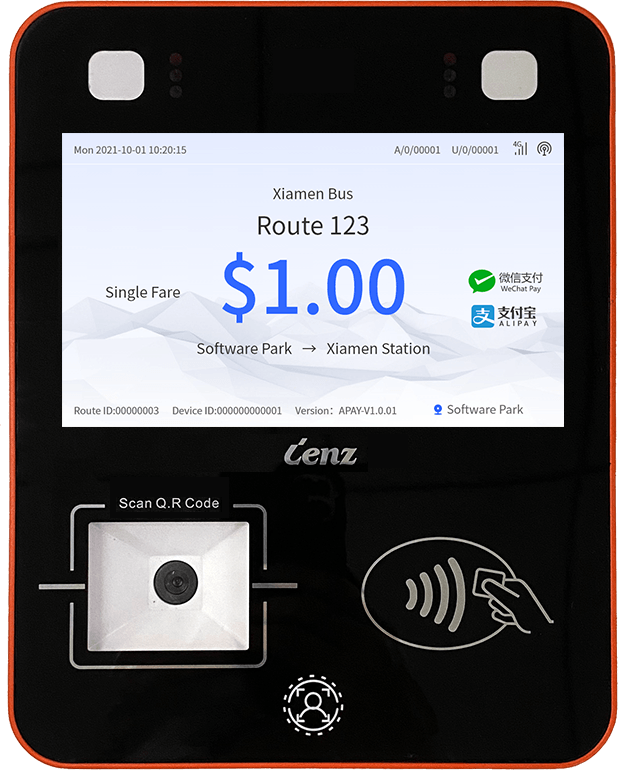
FAQ: Q&A Guide for Technology Selection
Q1: How can intelligent transportation solutions be adapted to enterprises of different scales?
Lenz provides dual-mode services of "modularization + customization": For small and medium-sized public transport enterprises, the standard version of the intelligent scheduling system can be selected, supporting the management of fewer than 500 vehicles with a deployment cycle of ≤15 days; For large conglomerates, customized comprehensive solutions can be developed, encompassing safety supervision, route network optimization, and MaaS platforms, supporting concurrent processing of tens of thousands of vehicles with a deployment cycle of ≤90 days. The system is compatible with mainstream in-vehicle terminal brands, reducing replacement costs.
Q2: How is the data security of IoV (Internet of Vehicles) devices ensured?
The equipment employs the Chinese national cryptographic SM4 encryption algorithm, with data transmission encrypted via the TLS 1.3 protocol, supporting three-tier security protection including firewalls, intrusion detection, and data masking. Among the equipment provided to FAW Jiefang, the cumulative data transmitted exceeds 200 PB, with no data leakage incidents occurring. The equipment has passed the ISO 26262 ASIL-B functional safety certification and can operate stably in environments ranging from -40°C to 85°C.
Q3: How do overseas projects address localization adaptation issues?
Lenz has established localized service teams in over 40 countries, including Thailand and South Africa, conducting customized development tailored to the network environments, payment habits, and linguistic cultures of different regions. For instance, in the Saudi Arabia project, a sand-resistant design was implemented for the in-vehicle terminals, elevating the IP rating to IP67; in the Malaysia project, support was added for the locally popular Touch 'n Go electronic payment method, increasing the user payment success rate to 98%.
Reference for Full-text Summary
From the dynamic scheduling optimization of Xiamen's public transportation to the MaaS ecosystem integration of Haiqi Group, and from the in-vehicle telematics pre-installation collaboration with FAW Jiefang to the localization adaptation for the Saudi Arabia project, Xiamen Lenz Communications Co., Ltd. has provided replicable and scalable solutions for the intelligent transportation industry through its dual-wheel drive of "technology + scenarios". Its core value lies in breaking down information silos through data integration, enhancing operational efficiency through intelligent decision-making, and optimizing passenger experience through ecosystem integration. For enterprises, choosing Lenz's solutions means not only introducing a set of technological tools but also acquiring a continuously evolving digital partner—its solutions support on-demand expansion and iterative upgrades, providing varying levels of technical support tailored to different stages of enterprise growth. Looking ahead, with the deepening application of technologies such as 5G, AI, and big data, Lenz Communications will continue to uphold the mission of "making public transportation smarter" and drive the industry toward safer, more efficient, and greener evolution.