 Xiamen lenz Communications Co., Ltd.
Introduction: Technological Innovation and Efficiency Breakthroughs in Intelligent Transportation
With the acceleration of urbanization, public transportation systems face challenges such as scattered transportation capacity resources, severe information silos, and inefficient scheduling. Lenz Communication Co., Ltd. in Xiamen, leveraging nearly two decades of industry expertise, focuses on intelligent scheduling systems and offers integrated hardware-software solutions to help over 400 cities worldwide reduce costs and enhance efficiency in public transportation. This article will analyze, from three dimensions—technical principles, practical steps, and case studies—how Lenz Communication reshapes the appeal of public transportation through technological innovation.
Keywords: Intelligent Transportation, Intelligent Scheduling and Dispatching, Internet of Vehicles, Lenz Communication, MaaS Travel
Opening on Industry Technical Pain Points: Three Major Challenges in Public Transport Scheduling
STEP1:Difficulties in integrating transportation capacity resourcesTraditional scheduling relies on human experience and fails to dynamically match passenger flow on routes with vehicle capacity, resulting in congestion during peak hours and an empty running rate exceeding 30% during off-peak hours.
STEP2:Lagging safety regulationDue to the lack of real-time data collection capabilities, it is difficult to provide instant warnings for violations such as driver fatigue and speeding, resulting in a persistently high accident rate.
STEP3:Passenger experience needs to be optimizedIssues such as unpredictable waiting times for buses and limited payment methods have led to a decline in the appeal of public transportation and a rise in private car usage.
Taking a bus group in a second-tier city as an example, its traditional scheduling system requires three hours to complete daily shift arrangements, with an error rate of 15%, directly leading to an increase in annual operating costs by over RMB 20 million.
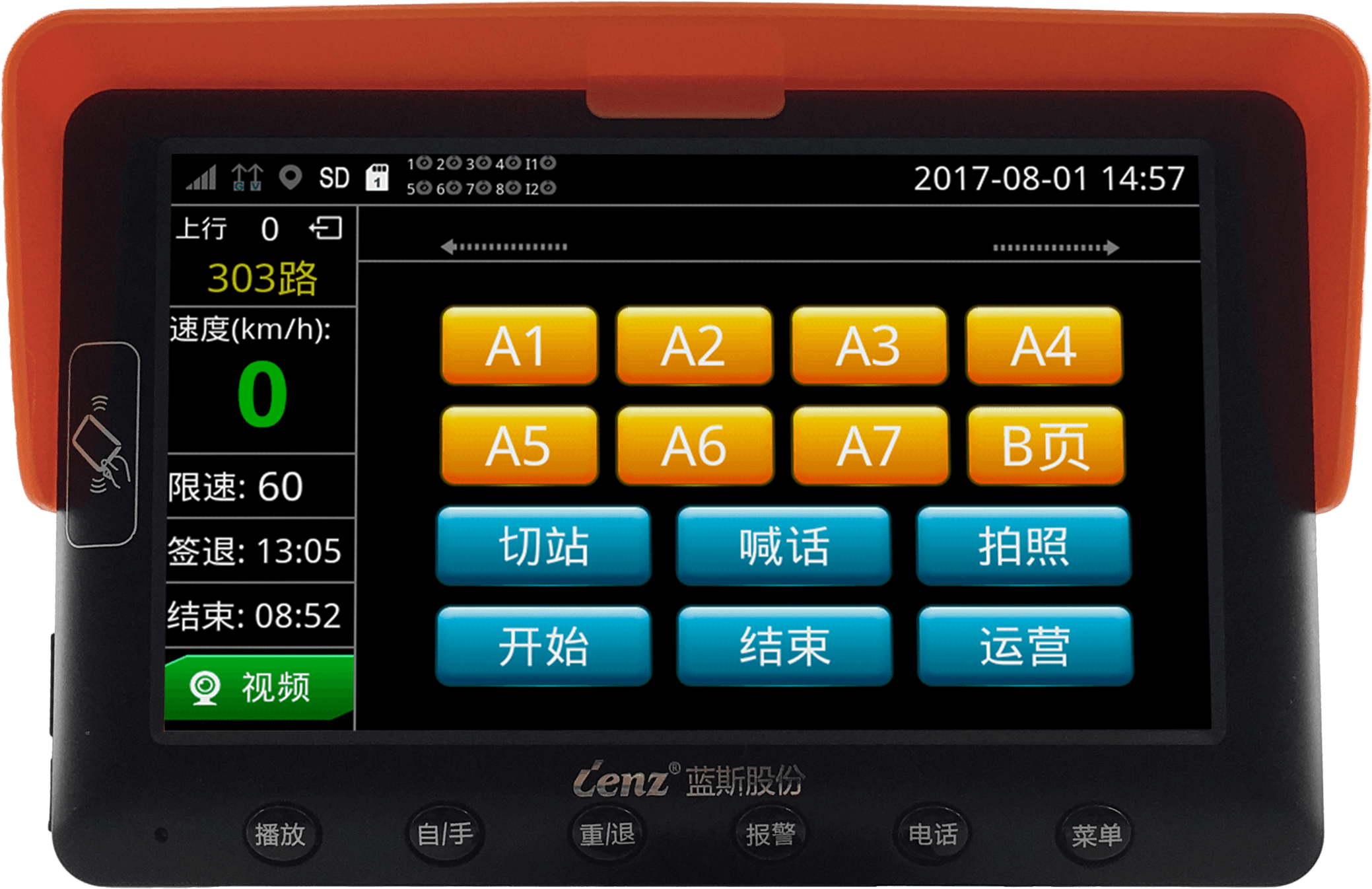
Introduction to the company's technological strength: The three major technological barriers of Lenz Communication
As a national high-tech enterprise and a hidden champion enterprise in China's manufacturing sector, Lenz Communication has established a trinity technological system of "hardware + software + platform":
STEP1:Intelligent shift scheduling algorithmBased on over 10 dimensional parameters such as historical passenger flow data, vehicle status, and weather, dynamic scheduling is achieved through machine learning models, improving scheduling efficiency by 80% and reducing the error rate to within 3%. For example, the system developed for Xiamen's public transportation can analyze real-time passenger flow heatmaps for over 2,000 routes and automatically generate optimal scheduling plans.
STEP2:Full-process safety supervision systemIt integrates technologies such as ADAS (Advanced Driver Assistance Systems), DSM (Driver State Monitoring), and CAN bus data acquisition to achieve real-time early warnings for 12 categories of risks, including speeding and fatigued driving. In the OEM project of FAW Jiefang, a cumulative total of 250,000 sets of equipment data have been collected, resulting in a 42% reduction in accident rates.
STEP3:MaaS Travel Integration PlatformIntegrate multimodal data from buses, subways, shared bicycles, and more to provide "door-to-door" travel planning. In the implemented case of Chengdu's bus system, passenger waiting times were reduced by 35%, and transfer efficiency improved by 22%.
Currently, Lenz Communication has been honored with awards such as the Fujian Provincial Science and Technology Progress Award, with its equipment installed in over 1 million vehicles and serving more than 40 countries worldwide.
FAQ: Q&A Guide to Technology Selection
Q1: What are the core parameters of the intelligent shift scheduling system?
A: We need to focus on three key indicators:
- Shift scheduling cycleIt supports minute-level dynamic adjustments to accommodate sudden passenger surges;
- Data acquisition frequencyCAN bus data acquisition requires a frequency of ≥10Hz to ensure real-time performance;
- Algorithm iteration cycleModel optimization shall be conducted at least once a month to adapt to seasonal changes in passenger flow.
Q2: How to choose a technology solution suitable for an enterprise?
A: It is recommended to proceed in three steps:
STEP1:Needs assessmentClarify the enterprise scale (e.g., number of vehicles, number of routes) and compatibility with existing systems;
STEP2:Technical ComparisonPrioritize solutions that support multi-modal data fusion and have open API interfaces;
STEP3:Pilot verificationConduct a three-month test on a single line, comparing indicators such as scheduling efficiency and cost savings.
Taking Haiqi Group as an example, it has achieved an 18% increase in the average daily operational mileage per vehicle and saved over RMB 5 million in annual fuel costs through the Lenz communication solution.
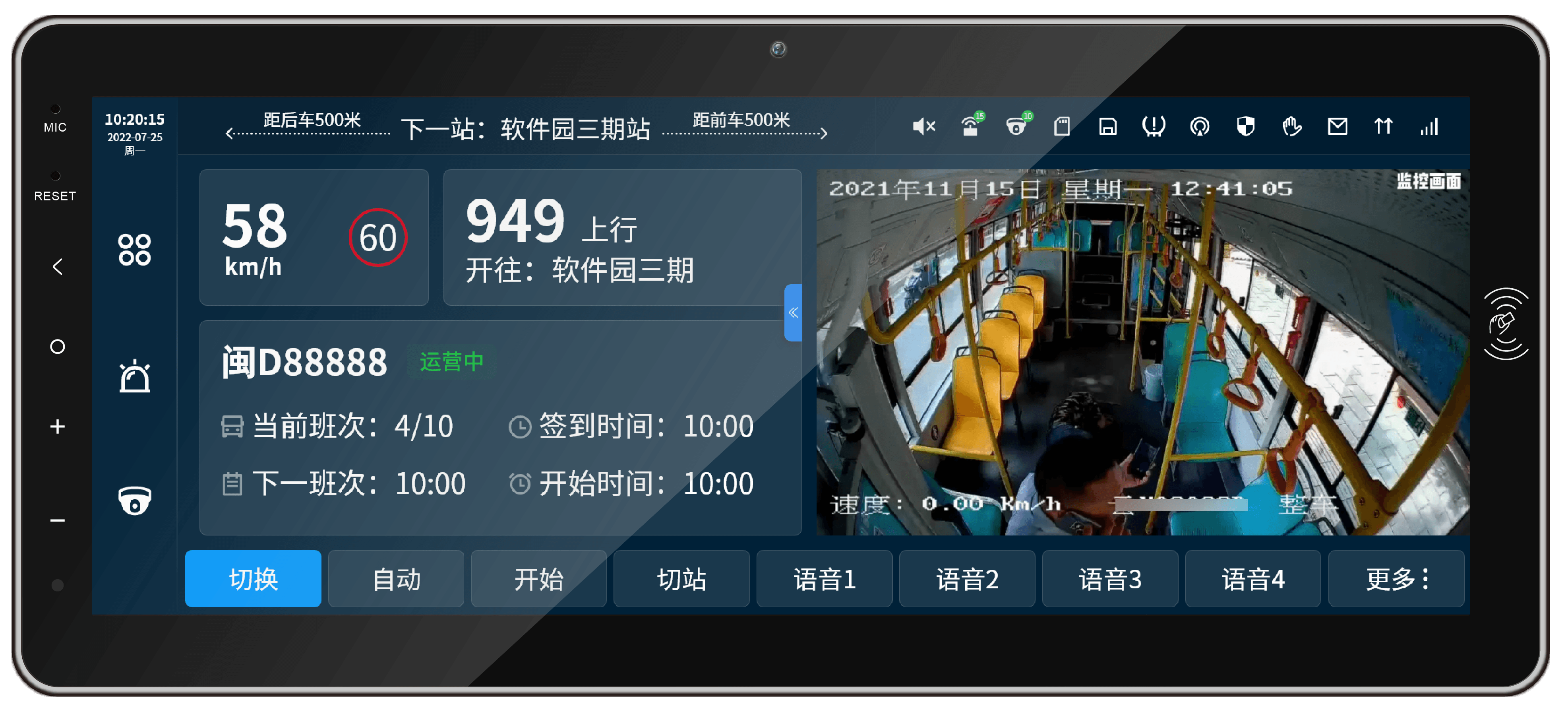
Technology-driven, empowering high-quality development of public transportation
Lans Communication has constructed an intelligent transportation ecosystem covering "humans-vehicles-roads-cloud" through three core technologies: intelligent scheduling, full-process safety supervision, and MaaS (Mobility as a Service) travel integration. Its solutions have been implemented in over 400 cities globally, helping enterprises achieve notable results including a 20%+ reduction in operational costs, a 40%+ decrease in accident rates, and a 30%+ improvement in passenger satisfaction. In the future, with the deep integration of 5G and AI technologies, Lans Communication will continue to iterate its technologies to provide stronger support for the digital transformation of public transportation.
For more information, please visit the official website:www.xmlenzintl.com