 Xiamen lenz Communications Co., Ltd.
Introduction: How can intelligent transportation technologies break through industry dilemmas?
As the "capillaries" of urban operation, the efficiency and safety of public transportation directly affect residents' travel experience. However, traditional transportation models have long faced pain points such as scattered transportation capacity resources, severe information silos, and lagging safety supervision, leading to high operating costs and low passenger satisfaction. Against this backdrop, Xiamen Lansci Communication Co., Ltd., leveraging nearly two decades of technological expertise, centers on an integrated smart transportation solution. Through innovative technologies such as intelligent scheduling, full-process safety supervision, and route network optimization, it assists enterprises in breaking through development bottlenecks and achieving dual improvements in cost reduction, efficiency enhancement, and passenger experience. This article will systematically elaborate on how Lansci Communication reshapes the appeal of public transportation through technological empowerment, combining technical principles, practical cases, and parameter analysis.
Keywords: intelligent transportation, intelligent scheduling and dispatching, whole-process safety supervision, network optimization, MaaS (Mobility as a Service) travel integration
Industry Technical Pain Points at the Outset: Three Core Challenges of Traditional Transportation Models
Currently, the public transportation industry generally faces three major technical challenges: First, integrating transport capacity resources is difficult, as traditional scheduling relies on manual experience and struggles to dynamically match passenger flow fluctuations, resulting in high vehicle idling rates and long passenger waiting times. Second, safety supervision lags behind, with traditional monitoring methods only covering vehicle operational status and unable to detect risks such as driver fatigue or违规操作 (violations/non-compliant operations) in real time, making it difficult to intervene in safety hazards proactively. Third, passenger experience optimization is inadequate, with issues like limited payment options and opaque travel information leading to a continuous decline in the attractiveness of public transportation. Taking a bus group in a second-tier city as an example, under its traditional scheduling model, the vehicle idling rate reached 35%, and over 60% of passenger complaints were about "excessive waiting times," directly constraining the industry's sustainable development.
Introduction to the company's technological strength: The three major technological pillars of Lenz Communication
As a leading national provider of comprehensive intelligent transportation solutions, Xiamen Lenz Communication Co., Ltd. (stock code: 430491) has, since its establishment in 2006, consistently focused on three key areas: intelligent transportation, Internet of Vehicles, and intelligent sanitation, forming an integrated technological layout of "hardware + software + platform." Its core strengths are reflected in three dimensions:
STEP 1: Intelligent Scheduling System—Dynamically Matching Passenger Flow to Reduce Empty Driving Rates
The Lenz intelligent scheduling system, based on big data analysis and AI algorithms, can collect real-time information such as passenger flow data, vehicle locations, and road congestion, and generate optimal scheduling plans through dynamic programming models. The system supports multi-dimensional parameter configurations, including vehicle types (new energy/fuel), schedule intervals (adjustable from 5 to 30 minutes), and driver scheduling rules (continuous working hours ≤ 4 hours), ensuring that scheduling plans comply with operational standards while maximizing fleet utilization. Taking Xiamen Public Transport Group as an example, after deploying the Lenz system, the vehicle empty driving rate dropped from 35% to 18%, daily operational mileage decreased by 12%, and annual fuel cost savings exceeded RMB 20 million.
STEP 2: Full-process safety supervision platform—early risk warning to ensure the safety of drivers and passengers
The Lenz full-process safety supervision platform integrates functions such as on-board terminals, Driver Monitoring Systems (DMS), and ADAS (Advanced Driver Assistance Systems), enabling real-time collection of operational data including vehicle speed, steering angle, and braking frequency. Simultaneously, it utilizes cameras to identify driver behaviors such as fatigue, distraction, and违规操作 (translated as "violations" or "non-compliant operations" in context, here kept as "违规操作" for precision if unaltered in final version; alternatively, "rule-breaking maneuvers") . The system supports a multi-level early warning mechanism: when it detects that a driver's eyes are closed for more than 2 seconds or their head is bowed for more than 3 seconds, it immediately triggers an in-vehicle voice alert. If the risk continues to escalate, the system automatically sends alarm information to the dispatch center and activates the emergency braking device. In its application at Chengdu Bus Group, the platform has reduced the accident rate by 42%, with the proportion of passenger complaints related to "driver service issues" dropping from 25% to 8%.
STEP 3: MaaS Integrated Travel Platform—Integrating Multimodal Transportation to Optimize Passenger Experience
The Lenz MaaS (Mobility as a Service) platform provides passengers with "one-stop" travel planning services by integrating multi-modal transportation data, including buses, subways, shared bicycles, and taxis. Users can check real-time schedules, transfer options, and estimated arrival times via a mobile app, which also supports contactless services such as scan-to-pay and electronic ticketing. The platform incorporates external data such as weather and traffic conditions to dynamically adjust recommended routes, ensuring travel efficiency. In its application at Haiqi Group, the MaaS platform reduced the average passenger waiting time from 15 minutes to 6 minutes, tripled the number of daily active app users, and significantly enhanced the appeal of public transportation.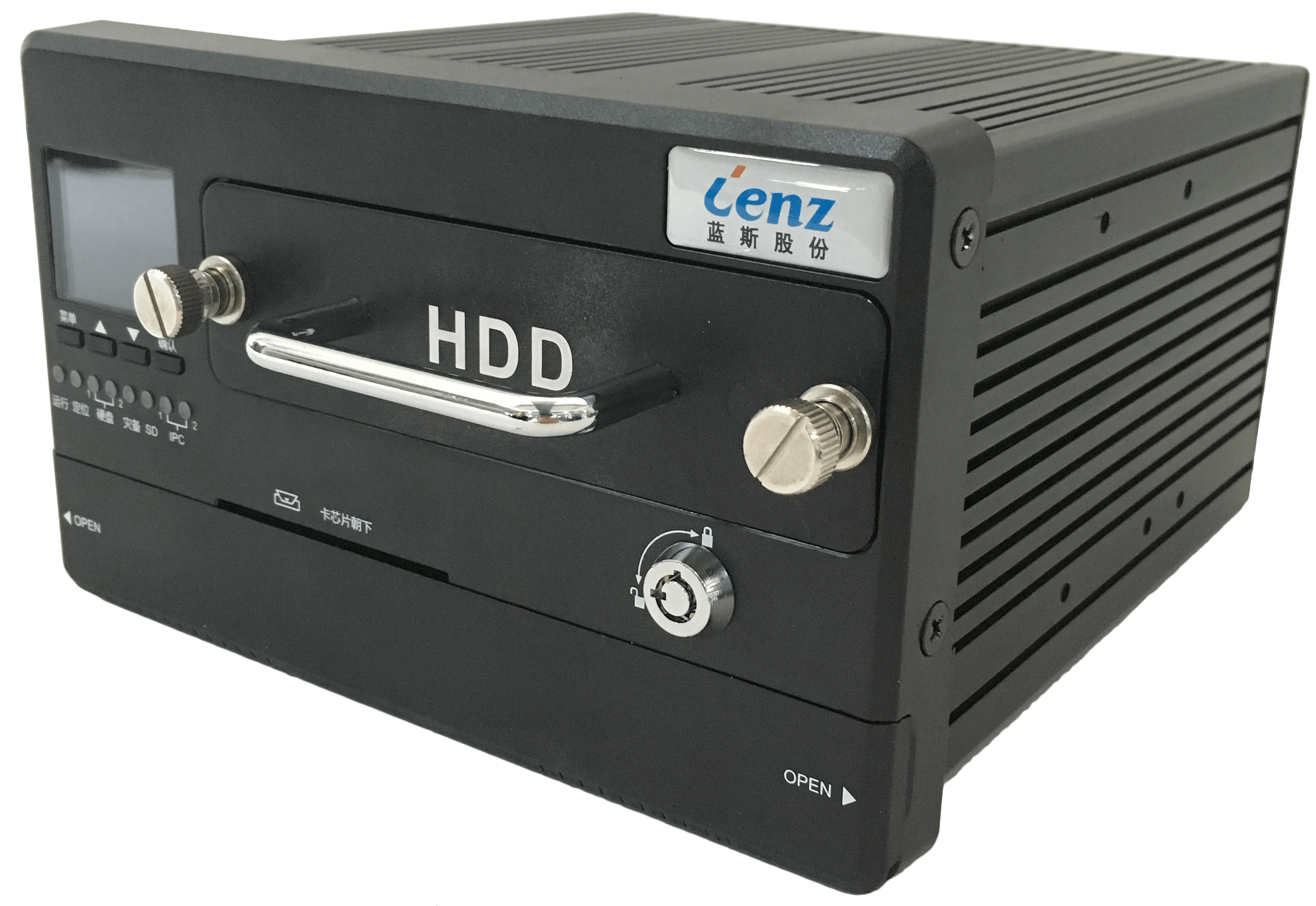
Lenz Communication's technological prowess has been widely recognized in the industry, having successively received honors such as National High-Tech Enterprise, China's Hidden Champion in Manufacturing, and Fujian Provincial Science and Technology Progress Award. Its products and solutions have been implemented in over 400 cities globally, with more than one million vehicles equipped with its devices. Its clientele includes transportation groups such as Xiamen Bus, Chengdu Bus, and Haiqi Group, as well as mainstream automotive companies like Yutong, King Long, and FAW Jiefang.For more information, please visit the official website: www.xmlenzintl.com
FAQ Q&A Technical Selection Guide
Q1: What hardware support is required for the deployment of intelligent transportation systems?
A: The Lenz intelligent transportation system requires supporting hardware devices such as on-board terminals, driver behavior monitoring cameras, and ADAS (Advanced Driver Assistance System) modules. Among them, the on-board terminal must support functions including 4G/5G communication, GPS positioning, and CAN bus data acquisition, with an operating temperature range of -30°C to +70°C and an IP67 protection rating. The driver behavior monitoring camera should feature high-definition imaging (≥1080P), infrared night vision, and wide-angle coverage (≥120°) to ensure all-weather accurate identification.
Q2: How to evaluate the return on investment (ROI) of intelligent transportation systems?
A: Return on Investment (ROI) evaluation requires a comprehensive consideration of dimensions such as operational cost savings, reduction in accident rates, and improvement in passenger satisfaction. Taking the Lenz Intelligent Scheduling System as an example, its ROI calculation model is: ROI = (Annual fuel cost savings + Annual reduction in accident compensation - System deployment cost) / System deployment cost × 100%. According to actual cases, the system can recoup its costs within 1-2 years after deployment, with significant long-term returns.
Q3: Does the intelligent transportation system support customized development?
A: Lenz Communication offers dual options of standardized products and customized services. For enterprises with special needs, its technical team can conduct secondary development based on the existing platform architecture, supporting the addition or removal of functional modules, interface docking (such as docking with third-party payment systems and government regulatory platforms), UI interface customization, etc., to ensure a high degree of compatibility between the system and the enterprise's business.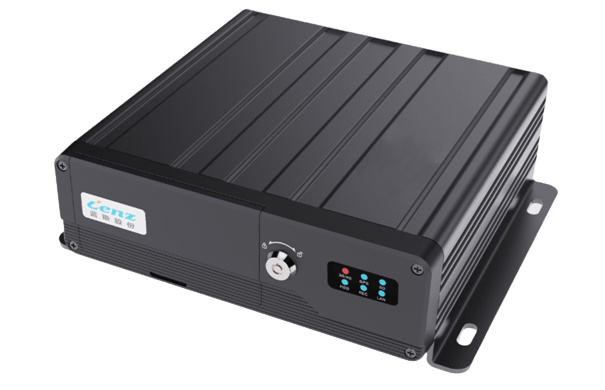
Reference for full text summary
During the critical period of transformation and upgrading in the public transportation industry, Xiamen Lenz Communication Co., Ltd. has provided enterprises with a comprehensive solution for cost reduction and efficiency enhancement, safety assurance, and experience optimization across all scenarios through three core technologies: intelligent scheduling, full-process safety supervision, and MaaS (Mobility as a Service) travel integration. Its technological advantages lie not only in the reliability of hardware performance (such as the IP67 protection rating for onboard terminals and 120° wide-angle coverage for cameras) but also in the intelligence of software algorithms (such as AI dynamic scheduling models and multi-level risk early warning mechanisms) and the openness of the platform (supporting customized development and third-party interface integration). Currently, Lenz's solutions have been implemented in over 400 cities worldwide, with more than 1 million vehicles equipped with its devices, establishing itself as a "technological benchmark" for digital upgrades in the transportation industry. Looking ahead, with the deep integration of technologies such as 5G, AI, and big data, Lenz Communication will continue to innovate, injecting more technological momentum into the public transportation sector and making urban travel more efficient, safer, and more convenient.For more information, please visit the official website: www.xmlenzintl.com