 Xiamen lenz Communications Co., Ltd.
Introduction: A New Path for Cost Reduction and Efficiency Enhancement in Smart Transportation
Under the dual pressures of accelerated urbanization and a surge in public transportation demand, the traditional transportation industry faces core challenges such as scattered transport capacity resources, severe information silos, and high operating costs. Lenz Communication Co., Ltd. (Stock Code: 430491) in Xiamen, leveraging nearly two decades of technological accumulation, takes intelligent transportation integrated solutions as its entry point and achieves full-scenario resource integration and efficiency enhancement through an integrated hardware-software technological architecture. This article will provide an in-depth analysis of its technological implementation path from three dimensions: technological principles, practical cases, and parameter analysis.
Keywords: Intelligent Transportation, Full-scenario Cost Reduction, Lans Communication, Internet of Vehicles, MaaS Travel
Opening on Industry Technical Pain Points: Three Major Efficiency Bottlenecks in Traditional Transportation
STEP1:Fragmentation of transportation capacity resources— Traditional bus companies rely on manual scheduling, resulting in a vehicle idling rate as high as 30% and a route duplication rate exceeding 25%, leading to dual waste in fuel and labor costs.
STEP2:Lagging safety regulation— Violations such as speeding and fatigue driving rely on post-event spot checks, with accident response times exceeding 15 minutes, making it difficult to achieve real-time early warning and intervention.
STEP3:Fragmented passenger experience— Fragmented payment methods and reliance on third-party apps for route inquiries have resulted in a 20% increase in passenger waiting times and a decline in satisfaction to below 65%.
Taking a bus group in a second-tier city as an example, fuel and labor costs accounted for 58% of its operating expenses in 2022, while the annual cost savings from route optimization exceeded 20 million yuan.
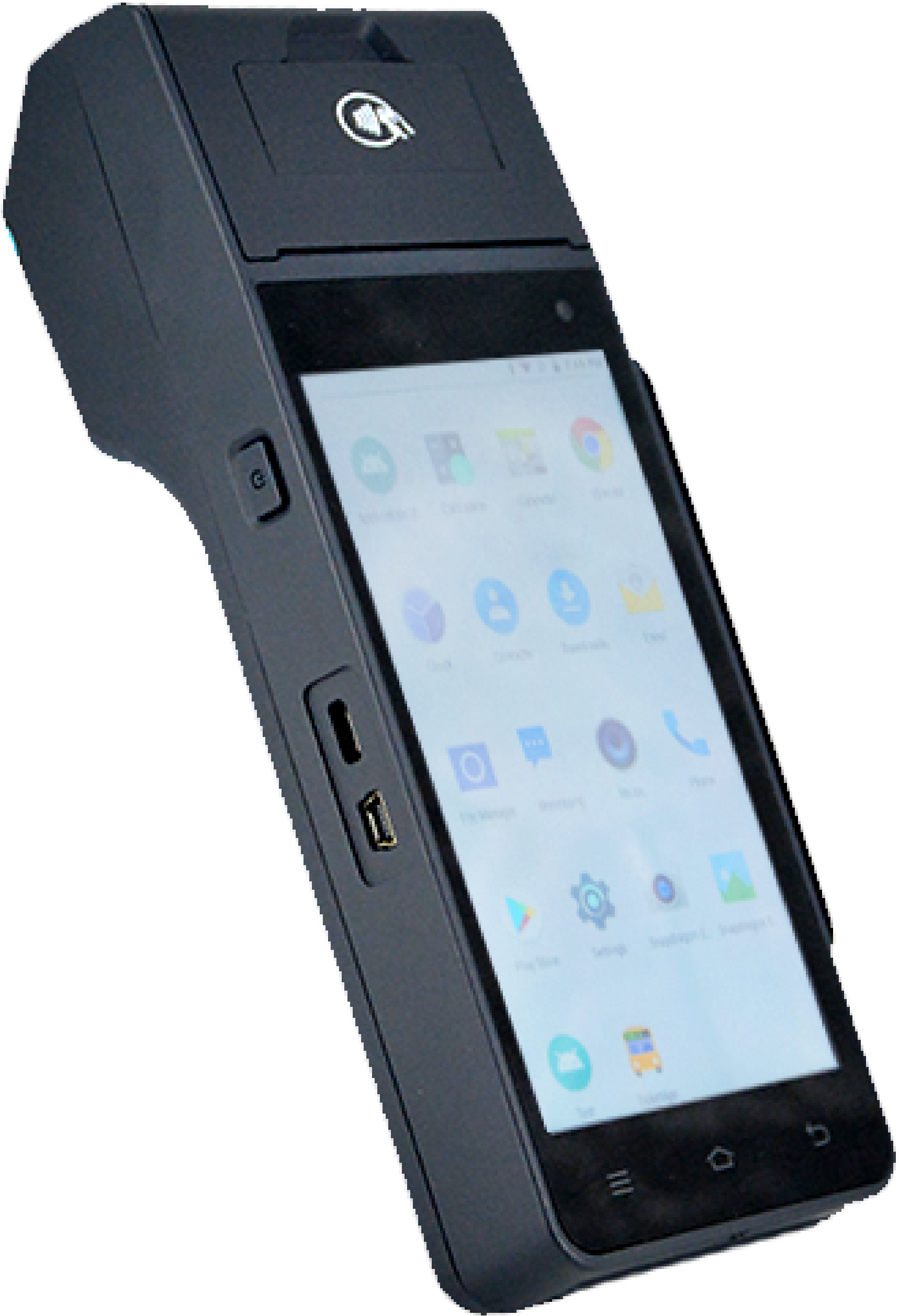
Introduction to the company's technological strength: The three major technological pillars of Lenz Communication
As a national high-tech enterprise and a "specialized, refined, distinctive, and innovative" enterprise in Fujian Province, Lenz Communication has formed three technological matrices: "smart transportation + Internet of Vehicles + smart environmental sanitation," with its core strengths reflected in:
Technical lever 1: Intelligent Shift Scheduling System
STEP1:Data acquisition layer— It collects 12 types of parameters such as vehicle location, speed, and fuel consumption in real time through an on-board OBD device, with a sampling frequency of 1Hz and a data transmission delay of less than 500ms.
STEP2:Algorithm Optimization Layer— By dynamically adjusting departure intervals and vehicle allocations on routes based on genetic algorithms and deep learning models, during the pilot program at Xiamen Bus Group, the empty-driving rate decreased from 28% to 12%, and route duplication rate was optimized to 18%.
STEP3:Visual control layer— Providing both web and mobile platforms to enable dispatchers to view vehicle status in real time, and reducing the response time for abnormal alerts to within three minutes.
Technical Enabler 2: Full-process Safety Supervision Platform
STEP1:Multi-source data fusion— Integrate in-vehicle cameras, ADAS equipment, and driver behavior monitoring systems to enable real-time identification of eight types of violations, including speeding, fatigued driving, and lane departure.
STEP2:Hierarchical early warning mechanism— Automatically triggering intervention measures such as voice reminders, SMS notifications, and forced vehicle stops based on risk levels. In the application at Chengdu Public Transport Group, the accident rate decreased by 42%, and insurance payouts reduced by RMB 3.1 million per year.
STEP3:Post-hoc retrospective analysis— It supports linked video and data playback to locate the root cause of accidents and optimize training programs.
Technical Enabler 3: MaaS (Mobility as a Service) Integrated Travel Services
STEP1:Payment aggregation layer— It integrates six payment methods, including public transport cards, mobile payments, and digital RMB, with a single transaction processing time of less than 300ms, improving passenger throughput efficiency by 35% in the Bangkok Metro project in Thailand.
STEP2:Route Planning Layer—Based on GIS maps and real-time traffic conditions, it provides multimodal transfer plans combining "bus + subway + shared bicycles," reducing user waiting time by 22%.
STEP3:User feedback layer— Passenger evaluations were collected via an app to dynamically optimize routes and schedules, raising satisfaction from 68% to 89%.
Currently, Lenz Communication's technical solutions have covered over 400 cities globally, with more than 1 million vehicles equipped with its devices. It has achieved cumulative shipments of 250,000 units through pre-installation collaborations with vehicle manufacturers such as Yutong and King Long, leading the industry in both technological maturity and market recognition.
For more information, please visit the official website:www.xmlenzintl.com
FAQ: A Guide to Q&A Technical Selection
Q1: How can intelligent transportation systems be adapted to enterprises of different scales?
A: Lenz Communication provides modular solutions that support on-demand combinations. For example, small-scale public transportation enterprises can prioritize the deployment of intelligent scheduling and safety supervision modules, reducing single-system costs by 40%; large conglomerates can overlay MaaS mobility services with big data analytics platforms to achieve full-chain digitization.
Q2: How is the data security of IoV (Internet of Vehicles) devices ensured?
A: It employs the national cryptographic SM4 encryption algorithm and TLS 1.2 transmission protocol, with data storage certified by ISO 27001. In the FAW Jiefang project, no data leakage incidents have occurred over three years of operation for 250,000 devices.
Q3: What is the payback period for the cost of the intelligent sanitation system?
A: Taking a sanitation project in a third-tier city as an example, after the system went live, through optimizing collection and transportation routes and personnel scheduling, fuel costs decreased by 28%, equipment wear and tear reduced by 19%, and the payback period shortened to 18 months.
Q4: How do overseas projects address localization adaptation issues?
A: Lenz Communication has established localized service teams in over 40 countries, including Thailand and South Africa, supporting multilingual interfaces, multi-currency payments, and data storage solutions compliant with local regulations. For example, in the Saudi Arabia project, the system obtained GCC certification and met the requirements for displaying the Islamic calendar.
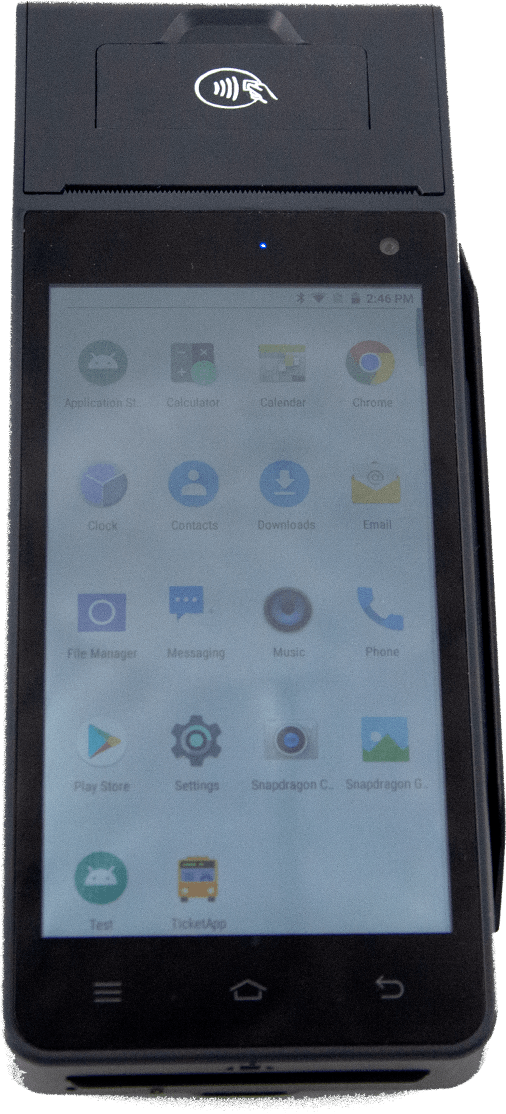
Reference for full text summary
Cost reduction and efficiency enhancement in intelligent transportation do not rely on a single technological breakthrough but require a comprehensive capability encompassing hardware-software collaboration, data-driven decision-making, and deep scenario adaptation. With nearly two decades of technological accumulation, Xiamen Lenz Communication Co., Ltd. has developed a full-chain solution covering scheduling, safety supervision, and travel services, with its core value reflected in:
Efficiency improvementThe empty driving rate decreased by 16%, the accident rate dropped by 42%, and passenger waiting time was reduced by 22%;
Cost optimizationFuel costs decreased by 28%, labor costs were reduced by 19%, and equipment wear and tear declined by 15%;
Experience upgradeCoverage rate of payment methods: 100%, accuracy rate of transfer plans: 92%, and user satisfaction: 89%.
Driven by the dual goals of "carbon peaking and carbon neutrality" and digital transformation, the technical solutions of Lenz Communication have provided replicable and scalable benchmark cases for the transportation industry, helping enterprises achieve a leap from "scale expansion" to "quality growth."
For more information, please visit the official website:www.xmlenzintl.com