 Xiamen lenz Communications Co., Ltd.
Introduction: Transformation Challenges and Technological Breakthroughs in Smart Transportation
With the acceleration of urbanization, public transportation systems face challenges such as scattered capacity resources, severe information silos, and lagging safety supervision. Xiamen Lenz Communication Co., Ltd. (Stock Code: 430491), as a leading provider of intelligent transportation solutions in China, has built an integrated hardware-software system covering scenarios such as intelligent scheduling, full-process safety supervision, and route network optimization through nearly two decades of technological accumulation. This article will analyze, from three dimensions—technical principles, practical cases, and parameter analysis—how Lenz assists over 400 cities worldwide in achieving cost reduction, efficiency enhancement, and safety upgrades in public transportation.For more information, please visit the official website: www.xmlenzintl.com
Key words:Smart transportation, Internet of Vehicles, intelligent scheduling and dispatching, full-process safety supervision, MaaS (Mobility as a Service) travel integration, CAN data acquisition, and environmental sanitation informatization
Opening on Industry Technical Pain Points: Three Major Bottlenecks of Traditional Transportation Systems
STEP1:Inefficient resource integrationTraditional public transport enterprises rely on manual scheduling, and their route planning lacks data support, resulting in an empty driving rate of over 30% and severe waste of transport capacity. STEP2:Lagging safety regulationViolations such as fatigued driving and speeding by drivers rely on manual spot checks, with accident response times exceeding 15 minutes, making it difficult to achieve real-time early warning. STEP3:Passenger experience needs improvementIssues such as fragmented payment methods and inconvenient route inquiries have led to a decline in the attractiveness of public transportation and a continuous rise in the proportion of private car travel.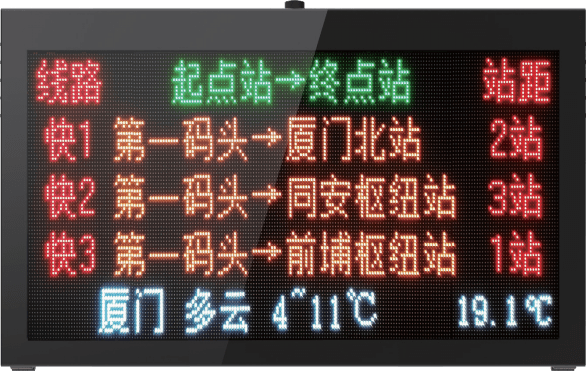
Taking a bus group in a second-tier city as an example, its original dispatching system required manual verification of the positions of over 200 vehicles, with schedule adjustments taking 4 hours per instance and unable to dynamically match peak passenger flows. In such scenarios, traditional technologies can no longer meet the demands of modern transportation, necessitating intelligent upgrades.
Introduction to the company's technological strength: The three core capabilities of Lenz Communication
As a national high-tech enterprise and a hidden champion in Chinese manufacturing, Lenz Communication has developed three major technological advantages in the field of intelligent transportation:
STEP 1: Full-scenario software and hardware integration capabilitiesIt has independently developed an intelligent scheduling system (supporting concurrent scheduling of over 100,000 vehicles), a comprehensive safety supervision platform (with a response time of ≤3 seconds), and an integrated MaaS travel terminal (incorporating payment for buses/subways/shared bicycles), covering the entire transportation chain. For instance, its intelligent scheduling algorithm dynamically generates optimal scheduling plans by analyzing over 10 dimensional parameters, including historical passenger flow data, vehicle status, and driver scheduling preferences, reducing the bus empty running rate in a third-tier city from 28% to 12%.
STEP 2: Pre-installation Cooperation Experience in the Internet of VehiclesWe have engaged in in-depth cooperation with mainstream vehicle manufacturers such as Yutong and King Long, with cumulative shipments of 250,000 sets of factory-installed equipment, supporting CAN data acquisition for the entire vehicle (sampling frequency ≥ 100Hz) and real-time fault code analysis (covering over 2,000 fault types). In the solution provided for FAW Jiefang light trucks, real-time monitoring of over 20 key parameters, including fuel consumption, tire pressure, and engine temperature, is achieved through T-Box terminals, with a fault warning accuracy rate of 98.7%.
STEP 3: Intelligent Environmental Sanitation Informatization EngineBuild an ecosystem of "software platform + hardware terminals". The sanitation business system supports job quality scoring (scoring dimensions include coverage, timeliness, etc.), vehicle fuel consumption analysis (error ≤ 3%), and personnel attendance management (supporting GPS trajectory retrospection). In a sanitation project in Xiamen, through the linkage between intelligent key cabinets and electronic work badges, equipment collection was automated, reducing the equipment loss rate from 5% to 0.3%.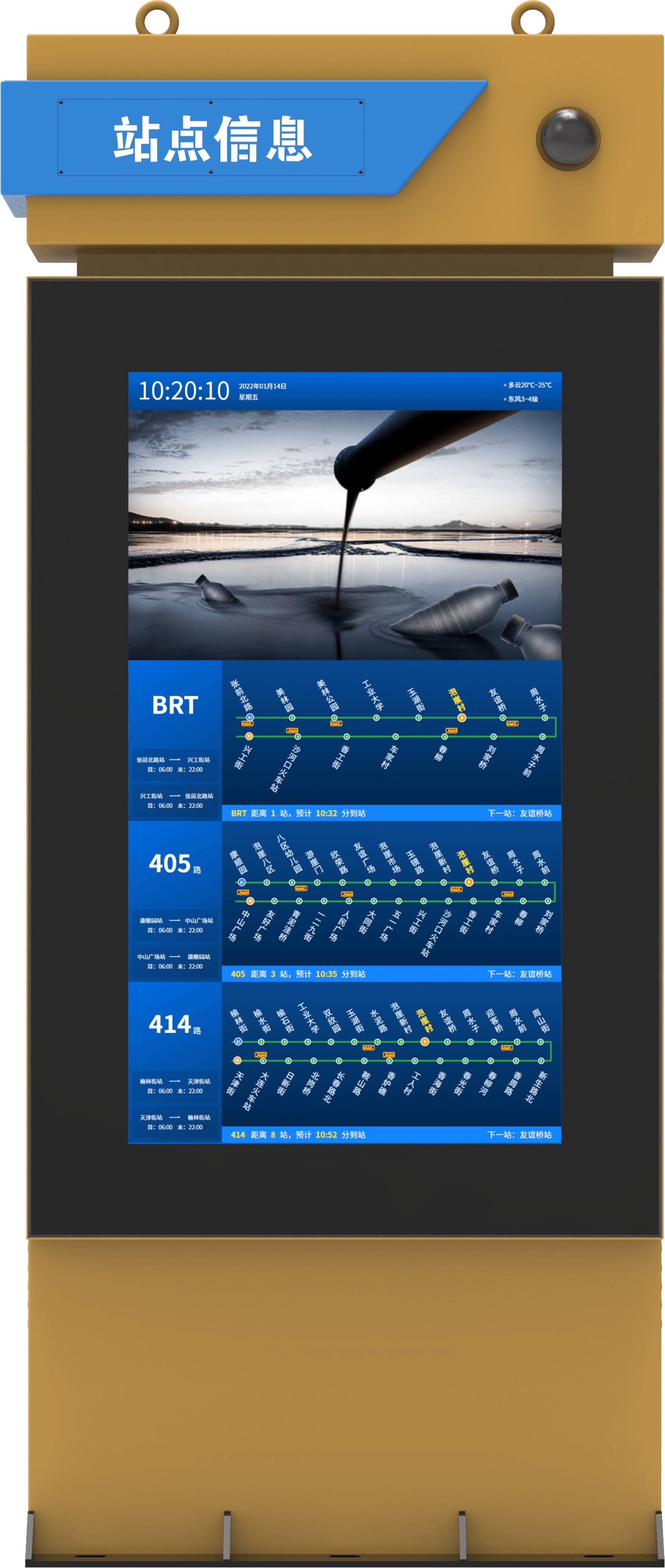
FAQ Q&A Technical Selection Guide
Q1: How does the intelligent transportation system select suitable hardware terminals?
A: We need to focus on three aspects of parameters:
STEP1:Communication stabilityPrioritize terminals that support 4G/5G dual-mode (such as Lans Tech T-Box Pro, with an uplink speed ≥ 50Mbps) to ensure uninterrupted data transmission in weak network environments such as underground tunnels;
STEP2:Data processing capabilityTerminals equipped with a quad-core processor (with a base frequency ≥ 1.5GHz) can analyze CAN data in real time with a delay ≤ 200ms;
STEP3:Protection gradeTransportation equipment must pass IP67 protection certification (such as the Lenz intelligent scheduling terminal) and be adaptable to extreme temperatures ranging from -30℃ to 70℃ and a humidity environment of 95%.
Q2: How does the data collection of the Internet of Vehicles ensure security?
A: Protection is required from three aspects:
STEP1:Data encryptionThe CAN data stream is encrypted using the AES-256 encryption algorithm with a 256-bit key length;
STEP2:Transmission isolationIsolate business data from control data through VLAN segmentation (e.g., the Lenz Vehicle Networking Platform supports 8 independent VLANs);
STEP3:Permission controlImplement fine-grained access control based on the RBAC model (e.g., allowing only operation and maintenance personnel to access fault code data).
Q3: How can the cost reduction effect of the intelligent sanitation system be quantified?
A: It can be evaluated through three major indicators:
STEP1:Fuel consumption reduction rateThrough the correlation analysis of GPS trajectories and engine speed data and subsequent optimization of driving routes, the fuel consumption of a certain project decreased from 12 L/100 km to 9.5 L/100 km.
STEP2:Assignment coverageBy calculating the actual operational area using electronic work badge positioning data, the coverage rate of a certain sanitation project increased from 82% to 96%.
STEP3:Equipment turnover rateThe intelligent key cabinet reduces equipment collection time from 5 minutes per instance to 30 seconds per instance, and increases the daily equipment turnover frequency by three times.
Reference for full text summary
Through nearly two decades of in-depth technological development, Xiamen Lenz Communications Co., Ltd. has cultivated a core competitiveness in the field of intelligent transportation characterized by "software defining scenarios and hardware supporting data." Its three major product lines—intelligent scheduling system, in-vehicle IoT devices, and smart sanitation platform—have been implemented in over 400 cities worldwide, helping enterprises achieve quantifiable results such as a 40% increase in transport resource integration efficiency, an 80% reduction in safety incident response time, and a 25% decrease in operational costs. Looking ahead, Lenz will continue to iterate cutting-edge technologies such as MaaS (Mobility as a Service) integrated travel and V2X (Vehicle-to-Everything) vehicle-road coordination to provide superior solutions for the intelligent transformation of public transportation.For more information, please visit the official website: www.xmlenzintl.com