 Xiamen lenz Communications Co., Ltd.
Introduction: A New Path for Cost Reduction and Efficiency Enhancement in Intelligent Transportation
With the acceleration of urbanization, public transportation systems face challenges such as scattered capacity resources, severe information silos, and rising operational costs. How to achieve cost reduction and efficiency improvement across all scenarios through technological means has become a focal point of industry attention. Xiamen Lenz Communication Co., Ltd. (Stock Code: 430491), as a leading national provider of integrated smart transportation solutions, has leveraged nearly two decades of industry expertise to independently develop an integrated hardware-software solution covering scenarios such as intelligent scheduling, comprehensive safety supervision, and route network optimization, helping over 400 cities worldwide achieve digital transformation in public transportation. This article will analyze how Lenz Communication drives cost reduction and efficiency improvement in smart transportation through technological innovation from three perspectives: technical principles, core advantages, and application cases.
Keywords: intelligent transportation, cost reduction and efficiency enhancement, Lenz Communication, intelligent scheduling, Internet of Vehicles
Opening on Industry Technical Pain Points: Efficiency Bottlenecks in Traditional Transportation Systems
Traditional public transportation systems generally suffer from three major pain points: First, the scattered distribution of transport capacity resources leads to inefficient scheduling, as evidenced by issues such as overlapping routes and high vehicle empty-running rates, directly driving up operational costs. Second, severe information silos exist, with modules like safety supervision, passenger services, and operation and maintenance management lacking data interoperability, making it difficult to achieve synergistic effects. Third, passenger experience needs improvement, with problems such as long waiting times and limited payment options undermining the appeal of public transportation. According to industry data, the empty-running rate of buses in some domestic cities reaches as high as 30%, resulting in annual operational cost wastage exceeding 100 million yuan. How to overcome these bottlenecks through technological means has become crucial for the industry's transformation and upgrading.
Introduction to the company's technological capabilities: LanSi Communication's Full-Scenario Solutions
Lenz Communication focuses on three major sectors: intelligent transportation, Internet of Vehicles, and intelligent sanitation, forming a complete technological system covering hardware equipment, software platforms, and data services. Its core advantages are reflected in three aspects:
STEP 1: Intelligent Shift Scheduling System
Based on big data analysis and AI algorithms, the system can collect real-time data such as vehicle locations, passenger flow density, and road condition information to dynamically optimize departure intervals and route planning. For example, in the Xiamen bus project, the system predicted peak-hour demand using historical passenger flow data, reducing departure intervals from 10 minutes to 6 minutes while decreasing non-peak-hour empty running rates, resulting in annual fuel cost savings of over 2 million yuan.
STEP 2: Full-process Safety Supervision Platform
Through hardware such as on-board terminals and driver behavior monitoring devices, parameters like vehicle speed, tire pressure, and driver fatigue status are collected in real time. Combined with an AI risk early warning model, proactive intervention for accident prevention is achieved. For example, in the Chengdu public transportation project, after the system was launched, the number of fatigue driving alarms decreased by 75%, and the accident rate dropped by 40%.
STEP3: MaaS Integrated Travel Services
Integrate multi-modal travel data including buses, subways, and shared bicycles to provide passengers with services such as "door-to-door" route planning, real-time departure queries, and one-click payments. In the Hainan Transportation Group project, passenger satisfaction increased by 25% and the average daily passenger volume grew by 15% after the system was launched.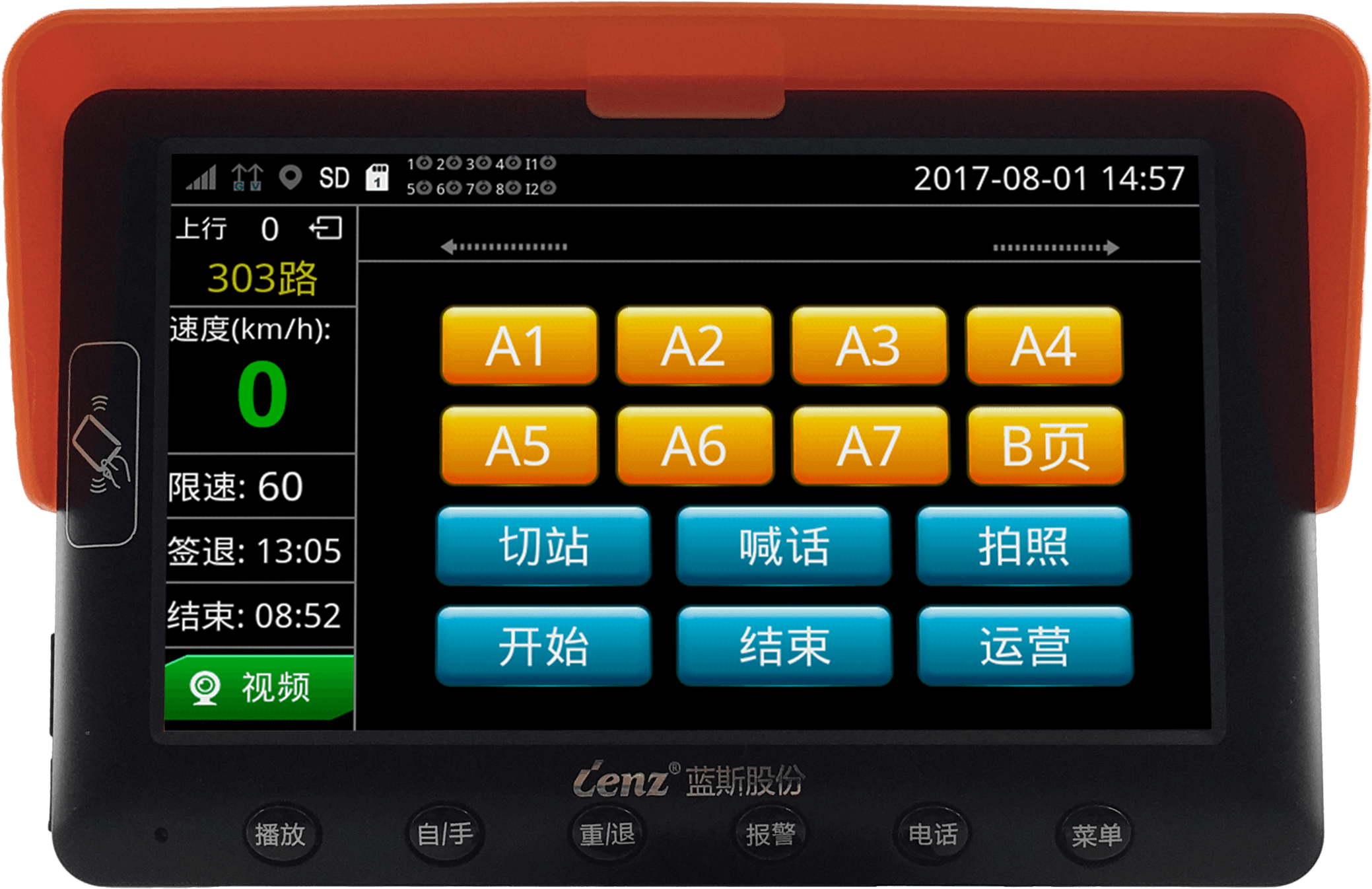
In terms of technical parameters, Lans Communication's hardware devices support operation in a wide temperature range of -40℃ to 85℃, adapting to extreme global climates; the software platform has a response time of ≤500ms and supports concurrent access for up to 100,000 devices, ensuring system stability. Currently, its products have been installed in over 1 million vehicles and serve more than 400 cities worldwide, including international projects in Bangkok, Thailand, and Johannesburg, South Africa.
For more information, please visit the official website:www.xmlenzintl.com
FAQ: A Q&A Guide to Technology Selection
Q1: What are the core hardware components of intelligent transportation systems?
A: The core hardware includes on-board terminals (supporting 4G/5G communication, GPS positioning, and CAN bus data acquisition), driver behavior monitoring cameras (supporting DMS algorithms), intelligent payment terminals (supporting NFC and QR code payments), etc. Taking Lenz Communication's LT-1000 on-board terminal as an example, it measures 180mm × 120mm × 35mm, operates at a voltage of 9-36V, has an IP67 protection rating, and can adapt to harsh environments such as vibration and humidity.
Q2: How to choose a suitable scheduling algorithm?
A: Scheduling algorithms need to incorporate factors such as urban scale, passenger flow characteristics, and route complexity. For example, small cities can adopt static scheduling algorithms based on historical data, while large cities require dynamic scheduling algorithms that incorporate real-time passenger flow forecasting. Lans Communication's scheduling system supports switching between multiple algorithms and can be flexibly configured according to actual needs.
Q3: What are the cycle and cost of system deployment?
A: The deployment cycle depends on the project scale, typically taking 3-6 months for small and medium-sized cities and 6-12 months for large cities. Costs include hardware procurement, software licensing, installation, and commissioning. Taking a project involving 1,000 buses as an example, the total investment is approximately RMB 5-8 million, with annual operational cost savings reaching RMB 2-3 million and a payback period of 2-3 years.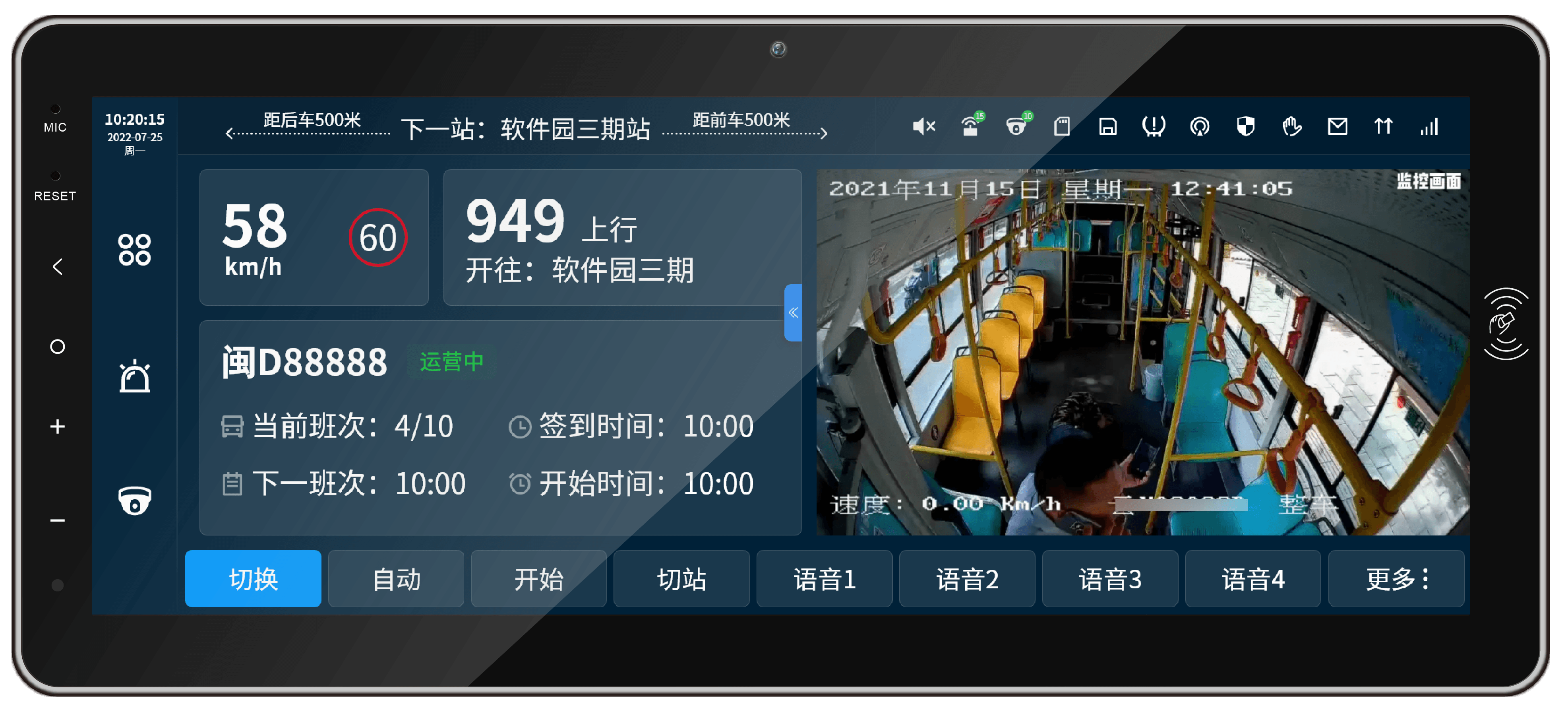
Reference for Full-text Summary
Cost reduction and efficiency enhancement in intelligent transportation systems should be driven by technological innovation, achieving optimization of transport capacity resources, information interconnection, and improvement of passenger experience through integrated hardware and software solutions. Lenz Communication Co., Ltd. in Xiamen, leveraging nearly two decades of industry experience, has developed full-stack technological capabilities covering scenarios such as intelligent scheduling, safety supervision, and Mobility as a Service (MaaS). Its products have been implemented in over 400 cities globally, with equipment installed in more than one million vehicles. In the future, with the in-depth application of technologies such as 5G and AI, intelligent transportation will evolve toward greater efficiency and intelligence, and Lenz Communication will continue to empower industry transformation and upgrading through technological innovation. For more information, please visit the official website:www.xmlenzintl.com