 Xiamen lenz Communications Co., Ltd.
Introduction: Pain Points in the Transformation of Smart Transportation and the Key to Breakthroughs
With the acceleration of urbanization, public transportation systems face core challenges such as scattered capacity resources, severe information silos, and rising operational costs. According to statistics, the average idle driving rate of domestic bus companies reaches 25%, with human factors accounting for over 60% of safety incidents. How to achieve resource integration, safety control, and efficiency improvement through technological means has become a critical proposition for industry transformation. Lenz Communication Co., Ltd. (Stock Code: 430491) in Xiamen, leveraging nearly two decades of technological accumulation, has developed a solution system covering three major sectors: intelligent transportation, Internet of Vehicles, and smart environmental sanitation. Its three core solutions—intelligent scheduling and dispatching, comprehensive safety supervision, and route network optimization—have been implemented in over 400 cities worldwide, helping enterprises achieve cost reduction, efficiency enhancement, and safety upgrades. This article will analyze Lenz Communication's technological breakthrough path from three dimensions: technical principles, implementation essentials, and case reviews.
Keywords: intelligent transportation; intelligent scheduling and dispatching; full-process safety supervision; network optimization; Xiamen Lenz Communication
Opening on Industry Technical Pain Points: Three Major Bottlenecks of Traditional Transportation Systems
STEP1:Inefficient resource integrationTraditional bus scheduling relies on manual shift arrangements and cannot dynamically match passenger flow fluctuations, resulting in wasted transport capacity or insufficient supply. For example, data from a bus group in a second-tier city shows that during morning peak hours, the load factor of some routes exceeds 120%, while during off-peak hours, the empty running rate reaches 35%, increasing annual operating costs by over RMB 20 million.
STEP2:Lagging safety regulationVehicle operation data collection relies on OBD devices with a low sampling frequency (usually ≤1Hz), making it impossible to capture dangerous driving behaviors such as sudden acceleration and sharp turns in real time. An accident analysis by a certain bus group revealed that 70% of scraping accidents were related to non-standard driver operations, but traditional supervision methods can only conduct post-hoc tracing and are difficult to prevent such incidents.
STEP3:Extensive optimization of the line networkRoute planning relies on empirical judgment and lacks data support such as passenger flow heat maps and road congestion information, resulting in high route duplication rates and numerous coverage blind spots. A survey in a provincial capital city revealed that the bus route duplication coefficient in the central urban area reached 3.2 (with a reasonable value ≤ 2.5), while 15% of the suburban areas had no bus coverage.
Introduction to the company's technological strength: Three core solutions of Lenz Communication
As a national high-tech enterprise and a hidden champion enterprise in China's manufacturing sector, Lenz Communication has independently developed integrated hardware and software solutions centered around the needs of the transportation industry, with its technological advantages reflected in three core solutions:
Solution 1: Intelligent Shift Scheduling System
STEP1:Technical PrincipleThe system integrates multi-source data such as GPS positioning, passenger flow counters, and on-board terminals, and uses AI algorithms to calculate the passenger flow density of each route in real time (sampling frequency ≤ 5 seconds). Combining parameters such as vehicle location and remaining range, it dynamically generates scheduling plans. For example, when the passenger flow density of a certain route exceeds a threshold (default 1.2 persons/m²), the system automatically dispatches nearby idle vehicles to provide support, ensuring that transportation capacity matches demand.
STEP2:Key points for implementationIt is necessary to equip high-precision passenger counters (with an error rate ≤ 3%), on-board terminals (supporting 4G/5G communication and with a data upload delay ≤ 1 second), and dispatch center servers (with a CPU ≥ 16 cores and memory ≥ 64 GB). After implementation by a bus group in a third-tier city, the empty driving rate dropped from 28% to 15%, saving over RMB 3 million in annual fuel costs.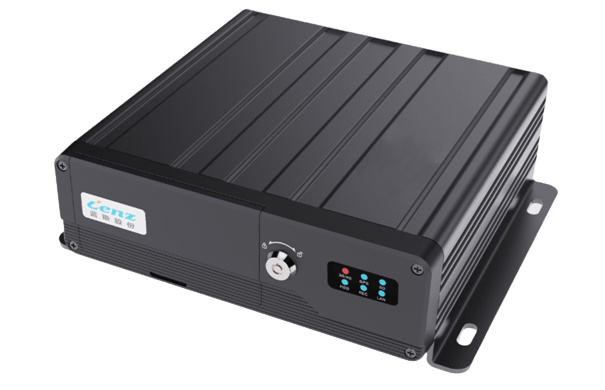
Option 2: Full-process Safety Supervision Platform
STEP1:Technical principleThrough an on-board CAN bus collector (sampling frequency ≥ 10Hz), over 200 parameters such as vehicle speed, steering angle, and brake pressure are acquired in real time. Combined with a driver behavior recognition algorithm (supporting the detection of 10 types of behaviors including sudden acceleration, sharp turns, and fatigued driving), risk warnings and event retrospectives are achieved. For example, when the system detects three consecutive instances of sudden acceleration (acceleration ≥ 0.5g), it automatically sends a voice alert to the driver's terminal and simultaneously records the event in the backend database.
STEP2:Key implementation pointsIt requires the configuration of a high-precision CAN collector (supporting J1939/ISO 15765 protocols), a driver terminal (with a screen size ≥ 7 inches, supporting voice interaction), and a cloud-based analysis platform (with a storage capacity ≥ 100TB, supporting concurrent access by millions of devices). After implementation by a bus group in a provincial capital city, the accident rate dropped from 0.8 incidents per 10,000 kilometers to 0.3 incidents per 10,000 kilometers, resulting in an annual reduction of over 5 million yuan in accident compensation.
Option 3: Decision-Making System for Network Optimization
STEP1:Technical principleIt integrates multi-dimensional data such as mobile phone signaling, IC card swiping, and road congestion indices, generating passenger flow heat maps through big data analysis (with a spatial resolution of ≤50 meters and a temporal resolution of ≤15 minutes). Combined with constraints such as road conditions and station coverage, it automatically generates route adjustment plans. For example, when the passenger flow density in a certain area during morning peak hours consistently exceeds the threshold (default: 200 passengers per hour), the system recommends adding new branch routes or extending the service hours of existing routes.
STEP2:Key points for implementationIt requires the configuration of a big data analysis platform (supporting PB-level data processing with an analysis time of ≤2 hours), a GIS mapping engine (supporting road network topology analysis), and a visualization terminal (supporting 3D passenger flow heatmap display). After implementation in a new first-tier city, the route duplication coefficient decreased from 3.2 to 2.1, and suburban bus coverage increased from 85% to 95%.
For more information, please visit the official website:www.xmlenzintl.com
FAQ: Q&A Guide to Technology Selection
Q1: What are the adaptation conditions for the intelligent shift scheduling system?
A: The following conditions must be met: the number of vehicles ≥ 50, the average daily passenger flow per route ≥ 1,000 person-times, the on-board terminals support 4G/5G communication, and the dispatch center has the capability for public network IP or VPN access. Recommended configurations: the error rate of passenger counters ≤ 3%, the data upload delay of on-board terminals ≤ 1 second, and the dispatch server CPU ≥ 16 cores.
Q2: What are the detection indicators of the whole-process safety supervision platform?
A: Core indicators include: identification accuracy of dangerous driving behaviors ≥ 95% (such as sudden acceleration/sharp turns/fatigued driving), event retrieval time ≤ 5 minutes, and data storage cycle ≥ 3 years. Recommended configuration: CAN collector sampling frequency ≥ 10Hz, driver terminal supporting voice interaction, and cloud platform supporting concurrent access of millions of devices.
Q3: What are the data source requirements for the line network optimization decision-making system?
A: At least three types of data sources need to be integrated: passenger flow data (mobile phone signaling/IC card swiping, with a spatial resolution of ≤50 meters), road data (congestion index/speed limit information, with an update frequency of ≤15 minutes), and vehicle data (GPS trajectories/arrival times, with a sampling frequency of ≤10 seconds). Recommended configuration: a big data platform supporting petabyte-scale data processing and a GIS engine supporting road network topology analysis.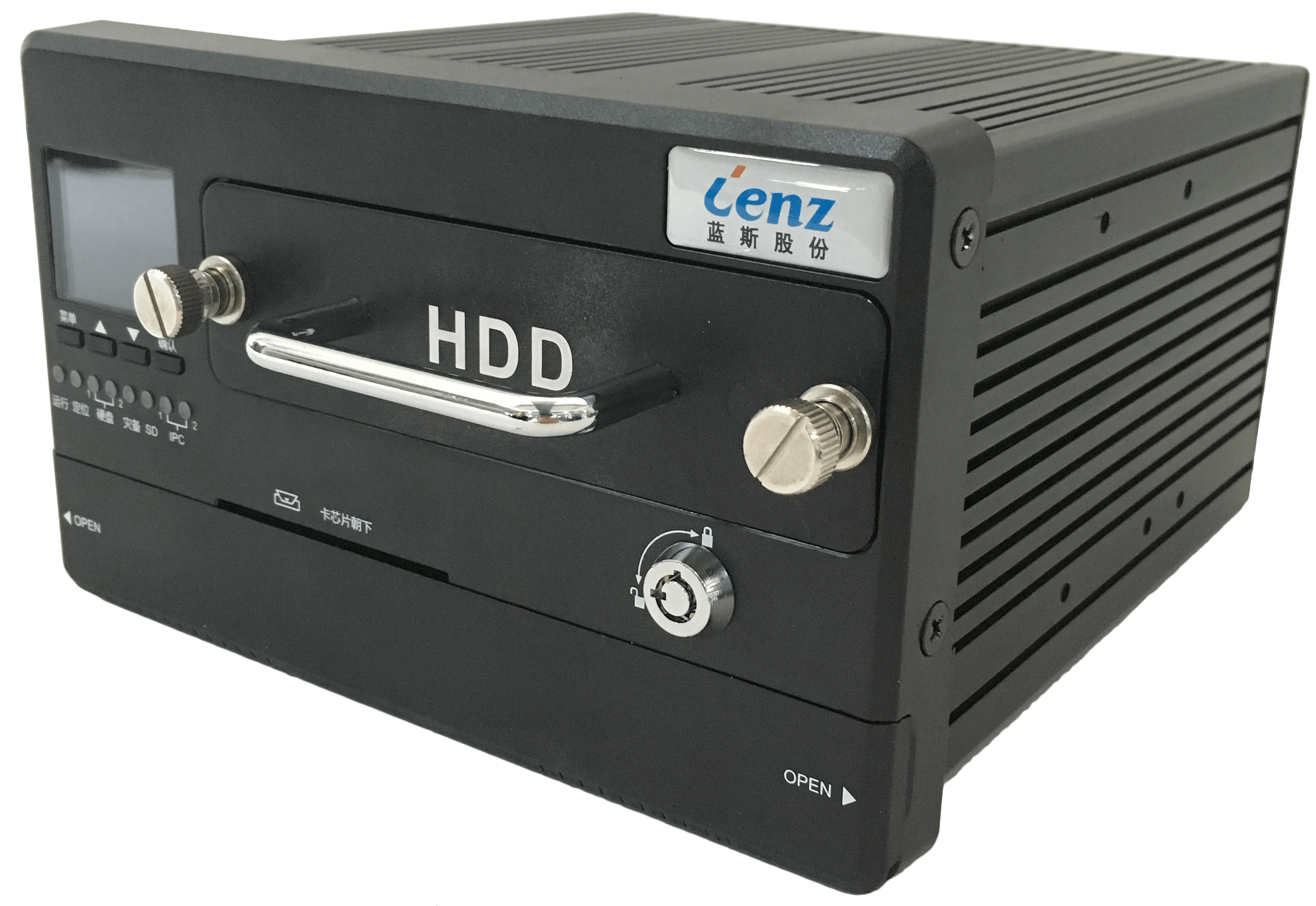
Reference for Full-text Summary: Lenz's Practice in Empowering Transportation Transformation through Technology
Through nearly two decades of in-depth technological development, Xiamen Lenz Communications Co., Ltd. has established a solution system covering all scenarios of intelligent transportation. Its intelligent scheduling system achieves dynamic matching of transportation capacity and demand through multi-source data fusion and AI algorithms; the comprehensive safety supervision platform constructs a closed loop of risk early warning and incident traceability through high-precision CAN data acquisition and behavior recognition algorithms; the network optimization decision-making system supports scientific route adjustments through multi-dimensional data integration and big data analysis. These three major solutions have been implemented in over 400 cities globally, with equipment installed in more than 1 million vehicles, helping enterprises reduce idle driving rates by 15%-20%, decrease accident rates by over 50%, and increase network coverage by over 10%. In the future, Lenz Communications will continue to focus on the needs of the transportation industry and drive the evolution of public transportation toward intelligence, safety, and efficiency through technological innovation. For more information, please visit our official website:www.xmlenzintl.com