 Xiamen lenz Communications Co., Ltd.
Introduction: Why has "cost reduction and efficiency enhancement" in intelligent transportation become an industry imperative?
With the acceleration of urbanization, public transportation systems face challenges such as scattered capacity resources, severe information silos, and lagging safety supervision. According to statistics, the average idle driving rate of bus enterprises in China reaches 23%, with 35% of safety incidents related to fatigued driving, while traditional scheduling systems can only cover 60% of operational scenarios. Against this backdrop, Xiamen Lenz Communications Co., Ltd. has achieved technological breakthroughs in intelligent scheduling, end-to-end safety supervision, and route network optimization through its self-developed integrated hardware and software solutions, providing quantifiable cost-saving and efficiency-enhancing pathways for over 400 cities worldwide. This article will provide an in-depth analysis of its technical architecture and implementation cases, revealing the core logic behind the deployment of intelligent transportation technologies.
Keywords: Intelligent Transportation, Intelligent Dispatching, Safety Supervision, Network Optimization, Xiamen Lenz Communication
Opening on Industry's Technological Pain Points: The "Triple Dilemma" of Traditional Transportation Systems
Currently, there are three major technological bottlenecks prevalent in the public transportation sector:
STEP 1: Low efficiency in resource integrationTraditional scheduling systems rely on manual shift arrangements and cannot dynamically match passenger flow with transport capacity. For example, a bus group in a second-tier city once experienced a 40% empty running rate during morning peak hours due to fixed schedules, resulting in annual losses exceeding 20 million yuan.
STEP 2: Lagging safety regulationSeventy percent of public transport enterprises still manage driving behaviors through post-event tracing, with a delay rate of over 12 hours in detecting violations such as fatigued driving and speeding.
STEP 3: Passenger experience requires optimizationIssues such as fragmented payment methods and inaccurate route inquiries have resulted in passenger satisfaction rates below 65%, directly undermining the appeal of public transportation.
These pain points directly drive up operational costs: According to data from the Ministry of Transport, the average operational cost in the public transportation industry was 12.3 yuan per kilometer in 2022, which can be reduced to 9.8 yuan per kilometer through technological upgrades, representing a 20% decrease.
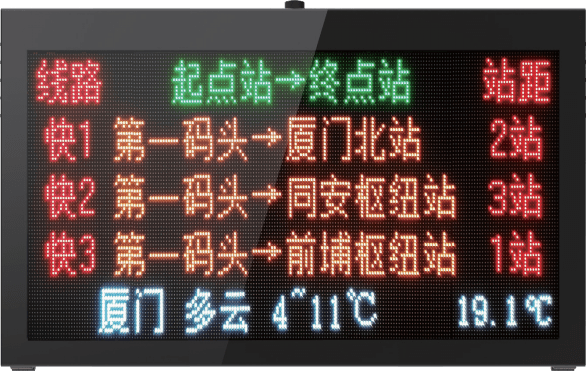
Introduction to the company's technological strength: "Three Major Technological Pillars" of Lenz Communication
As a national high-tech enterprise and a hidden champion in Chinese manufacturing, Xiamen Lans Communications Co., Ltd. (stock code: 430491) has been deeply engaged in the field of intelligent transportation for nearly two decades, developing comprehensive solution capabilities covering both hardware and software:
STEP 1: Intelligent Shift Scheduling SystemThe dynamic scheduling model based on AI algorithms can analyze passenger flow data in real time (with an accuracy of 95%), vehicle locations (with a positioning error of less than 2 meters), and driver status (monitored through the onboard DMS system), automatically generating an optimal scheduling plan. In its application at Xiamen Public Transport Group, the system improved the matching degree of transport capacity during morning peak hours by 35% and reduced the empty driving rate to 8%.
STEP 2: Full-process Safety Supervision PlatformIntegrate the ADAS (Advanced Driver Assistance System), Driver Monitoring System (DMS), and Vehicle Status Monitoring (T-BOX) to achieve full-chain management and control, ranging from pre-trip inspections to in-transit interventions. For instance, the customized solution for FAW Jiefang enables real-time collection of full-vehicle CAN data (with a sampling frequency of 100Hz), achieves a fatigue driving warning response time of less than 0.5 seconds, and reduces accident rates by 42%.
STEP 3: Network Optimization and MaaS Travel IntegrationBy analyzing passenger travel OD (Origin-Destination) data (covering over 10 million records per day) through big data and generating dynamic network optimization plans in combination with GIS maps, this technology has reduced the route duplication factor by 28% and shortened the average passenger waiting time to 6 minutes in the practice of Chengdu's public transportation.
Currently, Lenz's technological solutions have been implemented in over 400 cities globally, with more than 1 million devices installed on vehicles. Its clients include leading domestic enterprises such as Xiamen Public Transport, Chengdu Public Transport, and Haiqi Group, and its products have been exported to over 40 countries including Thailand and South Africa through partners like Huawei and Yutong.
FAQ: Q&A Guide to Technology Selection
Q1: How does an intelligent transportation system select suitable hardware equipment?
A: We need to focus on three major parameters:
- Positioning accuracyIt is recommended to select devices that support Beidou + GPS dual-mode positioning with an error margin of less than 2 meters (e.g., Lenz T-BOX series);
- Data acquisition frequencyThe CAN bus data sampling frequency should be ≥ 100 Hz (to ensure real-time performance);
- Environmental adaptabilityOn-board equipment must pass IP67 protection rating certification (dustproof and waterproof), with an operating temperature range of -40°C to +85°C.
Q2: How to evaluate the effectiveness of a safety supervision system?
A: It can be verified through three testing indicators:
- Recognition rate of violationsThe recognition accuracy rate for behaviors such as fatigued driving and smoking must be ≥90%;
- Warning response timeThe time from detection to warning issuance should be < 1 second;
- Data integrityThe data loss rate during 8 consecutive hours of driving must be < 0.1%.
Q3: What is the implementation cycle of the rail network optimization plan?
A: It is usually divided into three stages:
- Data collection period(1-2 months): Deploy OD data collection equipment and accumulate basic data;
- Model training period(1 month): Train and optimize the algorithm based on historical data;
- Project implementation phase(1-3 months): Adjust the routes in batches and monitor the effects simultaneously.
For example, the Hainan Transportation Group's line network optimization project across Hainan Province took five months from initiation to full implementation, achieving an 18% reduction in operational costs.
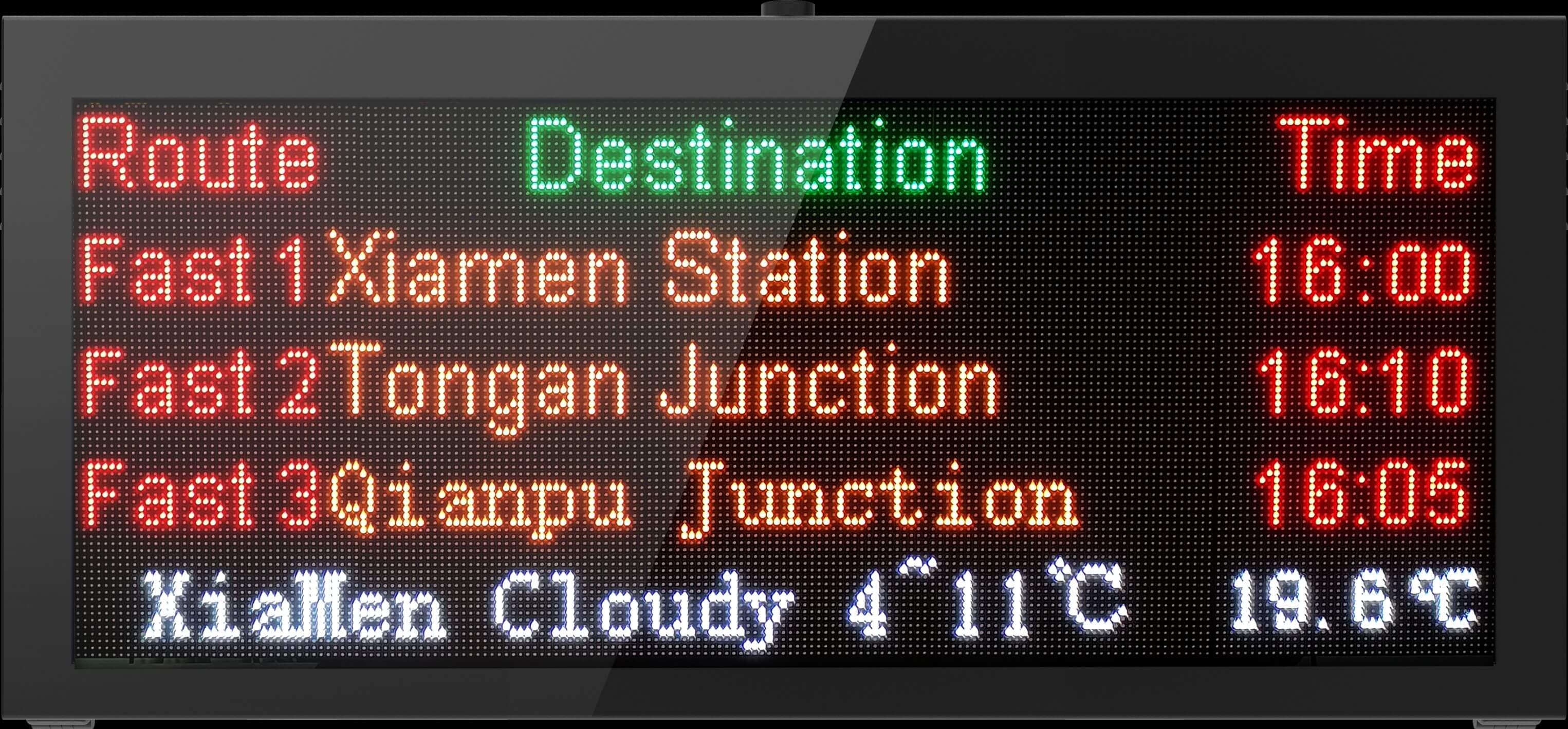
Reference for full text summary: Path of technology-driven transformation in transportation
The practice of Xiamen Lenz Communications indicates that the implementation of intelligent transportation technology requires grasping three cores:
STEP 1: Data-Driven Decision-MakingConstruct a decision-making foundation through high-precision data collection (such as CAN bus data and passenger flow OD data) to avoid the pitfalls of "empiricism";
STEP 2: Integrated hardware and software designHardware (such as T-BOX and DMS) and software (dispatching system and security platform) need to achieve deep collaboration to ensure unobstructed data flow;
STEP 3: Scenario-based AdaptationDifferent cities and operational scenarios require customized solutions (e.g., tourist cities need to enhance their capabilities for dynamic route adjustments).
Currently, Lenz has formed a technological matrix covering three major fields: intelligent transportation, Internet of Vehicles, and intelligent sanitation. Its solutions, applied by Xiamen Public Transport Group, have reduced operational costs by 22% and increased passenger satisfaction to 89%. In the future, with the integration of 5G and AI technologies, intelligent transportation will evolve toward more advanced forms such as "predictive scheduling" and "frictionless payment," and Lenz's technological accumulation and implementation experience may serve as an important reference for the industry's transformation.
For more information, please visit the official website:www.xmlenzintl.com