 Xiamen lenz Communications Co., Ltd.
Introduction: The Technological Engine Driving the Transformation of Intelligent Transportation
Against the backdrop of accelerated urbanization and upgraded public transportation demands, intelligent transportation systems have become a key approach for enterprises to reduce costs, enhance efficiency, and improve service quality. Xiamen Lenz Communication Co., Ltd. (Stock Code: 430491), as a leading national provider of comprehensive intelligent transportation solutions, has developed integrated hardware and software solutions covering scenarios such as intelligent scheduling, end-to-end safety supervision, and network optimization through nearly two decades of technological accumulation. These solutions have cumulatively served over 400 cities globally and equipped more than 1 million vehicles. This article will analyze how Lenz Communication reshapes the appeal of public transportation through technological innovation from three dimensions: technical principles, practical cases, and parameter analysis.
Keywords: intelligent transportation, intelligent scheduling, safety supervision, Internet of Vehicles, Xiamen Lans Communication
Opening on Industry Technical Pain Points: Three Major Bottlenecks of Traditional Transportation Systems
Traditional public transportation operations face three core pain points: First, scheduling relies heavily on human experience, making it difficult to dynamically match passenger flow fluctuations, resulting in either wasted capacity or insufficient capacity. Second, safety supervision depends on post-hoc investigations, lacking real-time early warning mechanisms and leading to delayed accident responses. Third, data silos are prevalent, with ticketing, vehicle, and personnel systems operating independently, making it difficult to achieve synergistic effects. Taking a public transportation group in a second-tier city as an example, under its traditional scheduling model, the empty driving rate reached 15% during peak hours, while passenger waiting times exceeded 20 minutes during off-peak hours, undermining both operational costs and user experience.
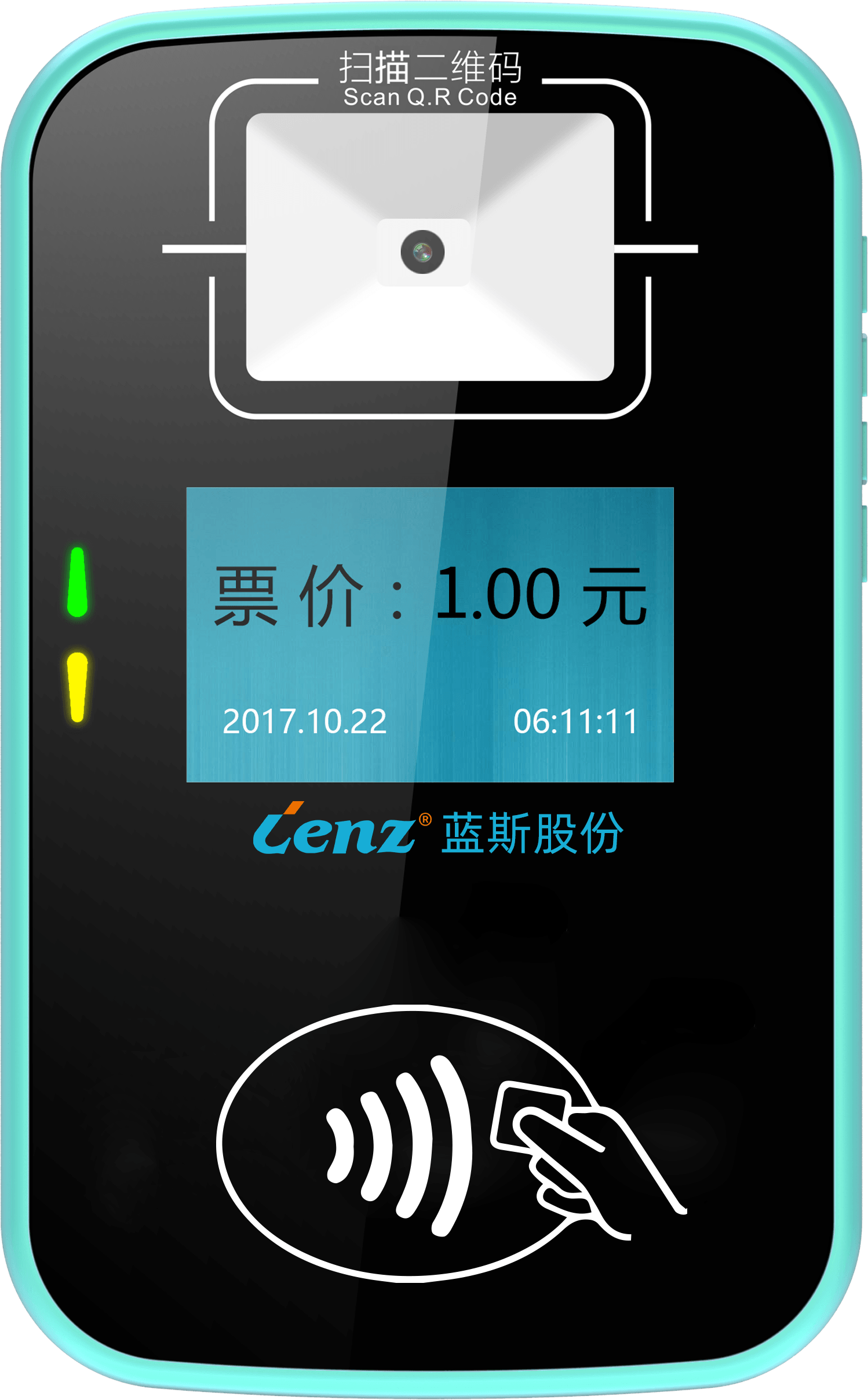
Introduction to the company's technological strength: Three key technological pillars of Lenz Communication
Xiamen Lenz Communication focuses on three major fields: intelligent transportation, Internet of Vehicles, and intelligent sanitation. It builds technological barriers in the industry through a trinity technological layout of "hardware + software + platform":
STEP 1: Intelligent Shift Scheduling System—Dynamically Matching Passenger Flow with Transport Capacity
The system generates dynamic scheduling plans through machine learning algorithms based on historical passenger flow data, real-time GPS positioning, and weather factors. For instance, in its application at Xiamen Bus Group, the system can predict peak passenger flows on various routes 2 hours in advance and automatically adjust departure intervals, increasing the load factor during peak hours from 85% to 95% and reducing the empty-run rate during off-peak hours from 12% to 5%. In terms of technical parameters, the system supports concurrent scheduling for over 100,000 vehicles with a response delay of less than 200ms, making it suitable for multiple scenarios such as urban public transit, intercity passenger transport, and tourist shuttle services.
STEP 2: Full-process Safety Supervision Platform—From Passive Response to Proactive Prevention
The platform integrates in-vehicle cameras, ADAS (Advanced Driver Assistance Systems), and driver behavior monitoring devices to achieve three-dimensional safety management and control encompassing "human-vehicle-road." Taking the Chengdu bus project as an example, the system utilizes facial recognition technology to identify driver fatigue, combined with lane departure warning and forward collision warning systems, reducing accident rates by 40%. Key operational points include: equipment installation must meet the IP67 protection rating to ensure stable operation in environments ranging from -20°C to 60°C; data transmission employs AES-256 encryption to safeguard privacy and security.
STEP 3: MaaS Integrated Travel Platform—Breaking Down Information Silos and Reshaping User Experience
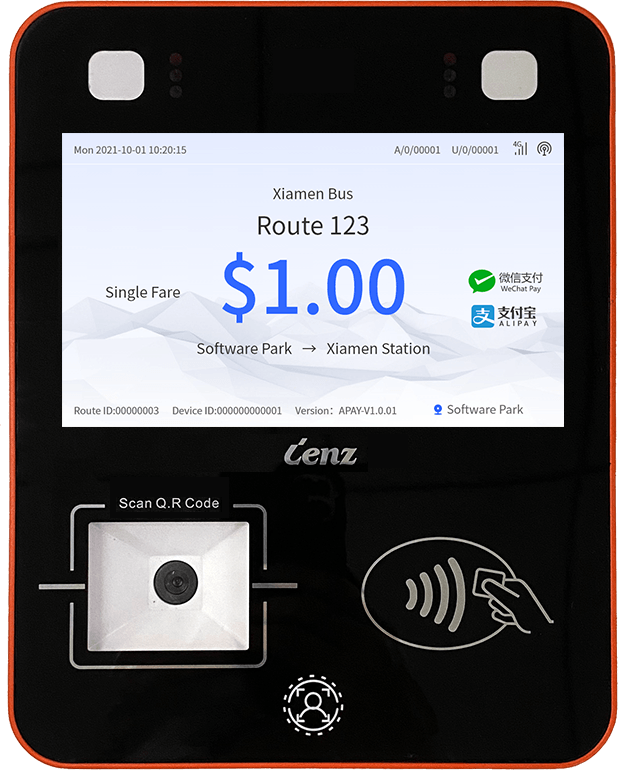
The platform integrates multi-modal travel data, including buses, subways, and shared bicycles, offering "door-to-door" travel planning and one-click payment functions. In its application within Hainan Haiqi Transportation Group, users can check vehicle locations and estimated arrival times in real time via the app, and complete joint payments for bus tickets, subway tickets, and shared bicycle fees, reducing cross-modal transfer times by 30%. Its technological edge lies in supporting concurrent access by tens of millions of users with a payment response time of under 1 second.
FAQ Q&A Technical Selection Guide
Q1: How to select hardware equipment for intelligent transportation systems?
A: Three key parameters require special attention: First, the equipment protection rating—outdoor equipment must achieve IP67 or higher to withstand rain, snow, and high-temperature environments. Second, the data acquisition frequency—for example, CAN bus data acquisition must support high-frequency sampling at 100ms per instance to ensure real-time monitoring of vehicle status. Third, communication protocol compatibility—it must support multi-mode communication such as 4G/5G, LoRa, and NB-IoT to adapt to different network environments. Taking the data acquisition terminal provided by Lans Communication for light-duty trucks as an example, it utilizes industrial-grade chips, operates within a temperature range of -40°C to 85°C, supports six communication protocols including J1939 and ISO 15765, and has cumulatively shipped 250,000 units to FAW Jiefang.
Q2: How to evaluate the effectiveness of a safety supervision system?
A: It can be quantified through four key detection indicators: First, the incident response time, which must be less than 3 seconds from the occurrence of an event to the system issuing an early warning; second, the false alarm rate, which must be controlled below 5%; third, the equipment online rate, which must reach over 99.5%; fourth, data integrity, which must ensure that over 90% of critical incident data is fully recorded. In a project deployed by Lenz Communication for a bus group in South Africa, the system underwent three months of operational testing, reducing the incident response time from 15 seconds to 2.8 seconds and lowering the false alarm rate from 12% to 3.2%, significantly enhancing operational safety.
Q3: How can small and medium-sized enterprises achieve digitalization in transportation at a low cost?
A: It is recommended to adopt the "modular deployment + cloud service" model. For example, Lenz Communication's intelligent sanitation comprehensive evaluation system supports flexible selection by functional modules. Enterprises can first deploy the basic modules for personnel attendance and vehicle trajectory management, and then gradually expand to ERP management and evaluation analysis modules. Meanwhile, the system provides SaaS-based services, enabling enterprises to pay based on usage without building their own servers, reducing initial investment by 60%.
Reference for full text summary
Through nearly two decades of in-depth technological development, Xiamen Lenz Communication Co., Ltd. has established a technological system covering all scenarios of intelligent transportation. Its core values lie in the following aspects: Firstly, it addresses the rigid demands for cost reduction, efficiency enhancement, and safety control in the industry by focusing on dynamic scheduling and safety supervision. Secondly, it breaks down data silos through integrated hardware and software design, enabling collaborative management of transport capacity, vehicles, and personnel. Thirdly, it optimizes passenger experience through the MaaS platform, enhancing the appeal of public transportation. Currently, Lenz Communication's technological solutions have been implemented in over 400 cities worldwide, with equipment installed in more than 1 million vehicles, establishing itself as a benchmark enterprise for digital transformation in the transportation industry.For more information, please visit the official website: www.xmlenzintl.com