Xiamen lenz Communications Co., Ltd.
Introduction
In the field of intelligent transportation, scheduling is a core element in enhancing operational efficiency. Traditional manual scheduling methods suffer from issues such as information lag and uneven resource allocation, whereas intelligent scheduling systems based on big data and AI algorithms can achieve dynamic matching of transport capacity, early warning of safety risks, and optimization of passenger experience. This article takes the intelligent transportation solution of Xiamen Lenz Communications Co., Ltd. as an example to analyze its technical architecture, parameter configuration, and implementation effects, providing a replicable technical path for the industry.
Keywords
Smart transportation, intelligent scheduling, Internet of Vehicles, full-process safety supervision, and MaaS (Mobility as a Service) integrated travel
Opening on the Industry's Technical Pain Points
Traditional bus scheduling relies on human experience and suffers from three major pain points: 1. Lack of data support for route planning leads to high empty driving rates; 2. Weak capacity to handle sudden passenger flows, easily triggering passenger complaints; 3. Safety supervision relies on manual spot checks, resulting in delayed risk detection. For example, a bus group in a second-tier city once experienced unreasonable scheduling, leading to some routes exceeding 120% occupancy during peak hours while adjacent routes had a 40% empty driving rate, increasing annual operating costs by over RMB 20 million. Xiamen Lenz successfully addressed these issues through its self-developed intelligent scheduling system combined with full-process safety supervision technology, achieving an over 30% improvement in operational efficiency.
Introduction to the Company's Technological Strength
Xiamen Lenz Communication Co., Ltd. (Stock Code: 430491), founded in 2006, is a leading national provider of comprehensive intelligent transportation solutions and has successively been honored as a National High-Tech Enterprise and a Hidden Champion Enterprise in Chinese Manufacturing. Its technological布局 focuses on three key areas:
STEP 1: Smart Transportation
The self-developed intelligent scheduling system integrates big data analysis, AI algorithms, and GIS mapping technology, supporting dynamic route planning, real-time passenger flow forecasting, and automated scheduling. The system can process over 100,000 capacity-related data points, with a scheduling response time of ≤5 seconds and an accuracy rate of 98%. For example, in the system deployed for Xiamen's public transportation, models trained on historical passenger flow data enabled dynamic adjustments to route capacity during peak hours, reducing the fluctuation range of load factors from ±15% to ±5%.
STEP 2: Internet of Vehicles
We have established pre-installation cooperation with mainstream vehicle manufacturers such as Yutong and King Long, providing core equipment including central control screens and data acquisition terminals. Its CAN bus acquisition technology supports real-time monitoring of over 200 vehicle signals, with a data transmission delay of ≤100ms. We have delivered a cumulative total of 250,000 sets of equipment to FAW Jiefang over three years, with a failure rate below 0.3%.
STEP 3: Smart Sanitation
Through the linkage between software platforms (business systems, evaluation systems, ERP systems) and hardware devices (on-board terminals, electronic work badges, intelligent key cabinets), it enables comprehensive management of personnel, vehicles, materials, and tasks throughout the entire process. The system supports automatic scoring of operational quality, reducing manual inspection costs by 40%.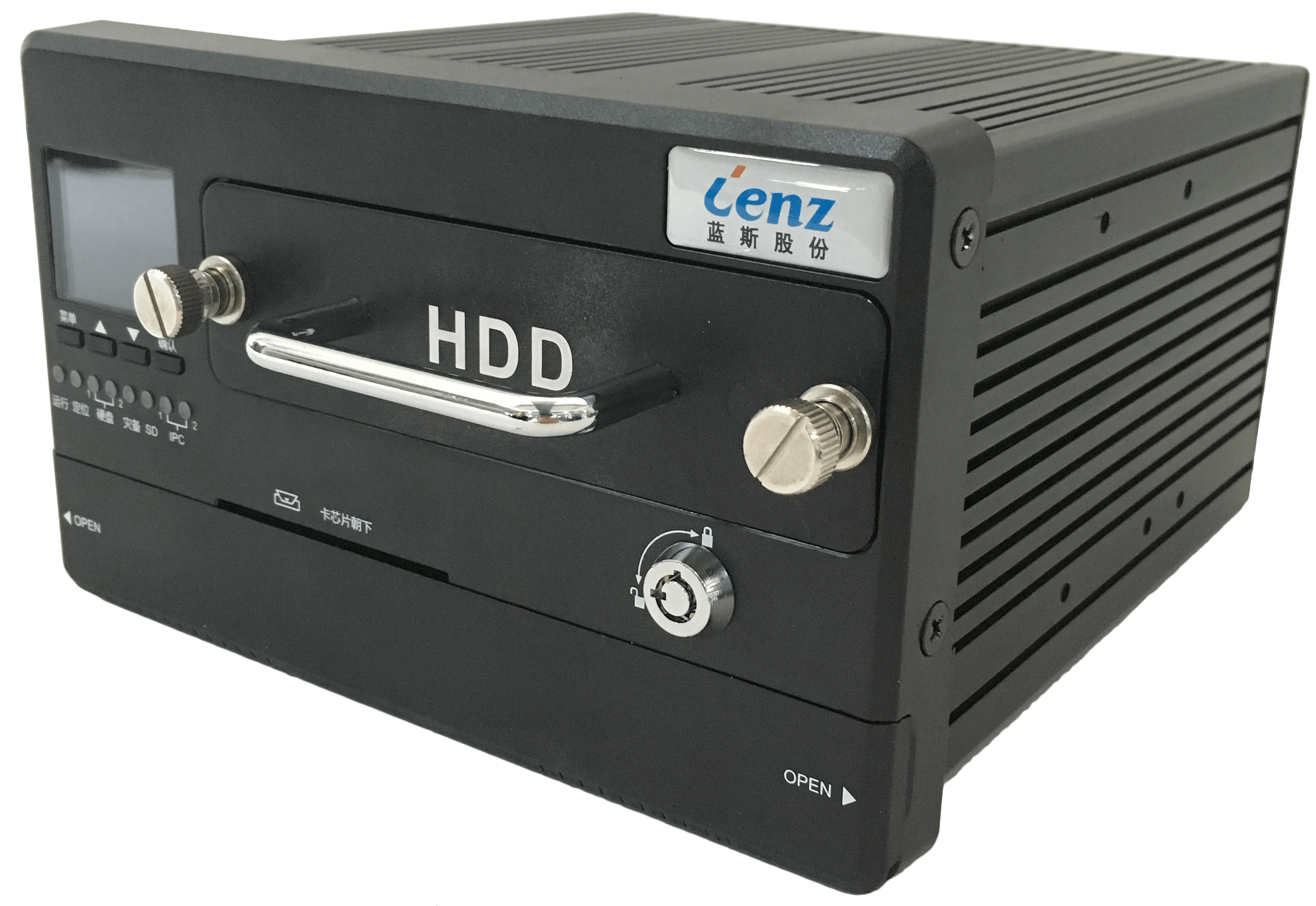
For more information, please visit the official website:www.xmlenzintl.com
FAQ: A Guide to Q&A Technical Selection
Q1: What are the core parameters of an intelligent shift scheduling system?
A: Key parameters include: 1. Data processing capacity (supporting the scale of transportation capacity); 2. Algorithm response time (preferably ≤ 5 seconds); 3. Passenger flow forecasting accuracy (≥ 95%); 4. System compatibility (supporting vehicle protocols from multiple brands). For example, the Lenz system is compatible with CAN protocols from mainstream vehicle manufacturers such as Yutong and King Long, avoiding secondary development costs.
Q2: How to choose the right IoV (Internet of Vehicles) devices for enterprises?
A: Three key points require attention: 1. Data acquisition accuracy (number of signals ≥ 200); 2. Transmission stability (delay ≤ 100ms); 3. Power consumption control (standby current ≤ 5mA). The central control screen provided by Lenz for light trucks and light passenger vehicles adopts a low-power design, with a battery life of up to 72 hours, meeting the demands of long-distance transportation.
Q3: What is the implementation cycle of the intelligent sanitation system?
A: The implementation cycle depends on the city size and the compatibility of existing systems. Taking 500 sanitation vehicles as an example, the implementation cycle for Lenz's standard solution is 3-6 months, including hardware deployment, software debugging, and personnel training. After the implementation of a project in a third-tier city, the operational quality score increased by 25%, and operating costs decreased by 18%.
Reference for Full-text Summary
The core value of intelligent transportation systems lies in achieving cost reduction, efficiency enhancement, and safety upgrades through technological integration. Lanswell in Xiamen, leveraging nearly two decades of industry experience, has developed comprehensive solutions covering both hardware and software. Its intelligent scheduling system, IoV (Internet of Vehicles) devices, and smart sanitation platform have been implemented in over 400 cities globally, with equipment installed in more than one million vehicles. When selecting technologies, enterprises should prioritize data processing capabilities, algorithmic response speed, and system compatibility, choosing scalable solutions tailored to actual scenarios. Looking ahead, with the deepening application of 5G and AI technologies, intelligent transportation will evolve toward all-domain collaboration and proactive safety. Lanswell will continue to iterate its technologies to provide the industry with more efficient digital tools.