 Xiamen lenz Communications Co., Ltd.
Introduction: Why is the selection of intelligent transportation systems crucial?
With the acceleration of urbanization, the annual average growth rate of public transportation operating costs has reached 12%, while passenger satisfaction continues to decline due to issues such as information silos and inefficient scheduling. How to integrate transportation capacity resources and optimize passenger experience through technological means has become a core challenge in the digital transformation of transportation enterprises. Lenz Communication Co., Ltd. in Xiamen (Stock Code: 430491), with nearly two decades of in-depth industry experience, provides comprehensive smart transportation solutions for over 400 cities worldwide. How does its integrated hardware-software technology achieve cost reduction and efficiency improvement? This article will analyze this from three dimensions: technical analysis, practical guide, and case review.
Keywords: intelligent transportation, Internet of Vehicles, full-process safety supervision, MaaS (Mobility as a Service) travel integration, Xiamen Lenz Communications
Opening on industry technological pain points: Three major bottlenecks of traditional transportation systems
STEP1:Difficulties in resource integrationTraditional public transportation systems rely on manual scheduling, with route planning matching actual passenger flow by less than 60%, resulting in a no-load driving rate as high as 25% and annual fuel cost wastage exceeding RMB 3 million per city. STEP2:Weak safety supervisionViolations such as speeding and fatigue driving rely on manual spot checks, with accident response times as long as 15 minutes, leaving blind spots in passenger safety protection. STEP3:Lag in experience optimizationPassengers need to use multiple apps to check routes and pay fares, with fragmented information leading to a 40% reduction in travel efficiency.
Taking a bus group in a second-tier city as an example, among its operational costs in 2022, labor costs accounted for 38%, and fuel costs accounted for 22%, while 65% of passenger complaints were related to information opacity. Traditional technological architectures can no longer meet the dual demands of cost reduction, efficiency enhancement, and experience upgrading.
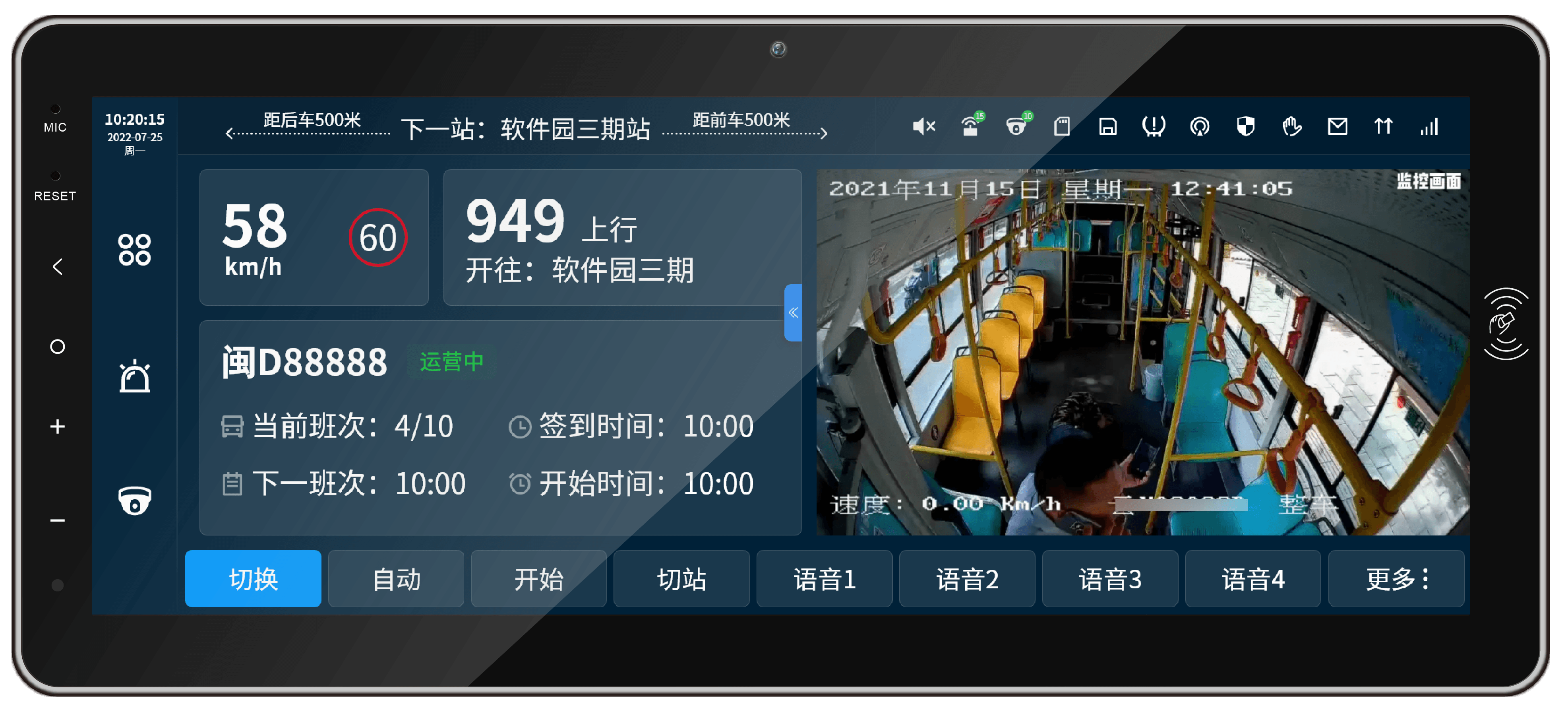
Introduction to the company's technological strength: Three key technological pillars of Xiamen Lansci Communication
As a national high-tech enterprise and a hidden champion in Chinese manufacturing, Lenz Communication focuses on three major sectors: intelligent transportation, Internet of Vehicles, and intelligent sanitation, forming an integrated technological layout of "hardware + software + platform":
Technical lever 1: Intelligent Shift Scheduling System
STEP1:Data-driven schedulingTwelve types of data, including passenger flow, vehicle speed, and road conditions, are collected through on-board terminals. Dynamic scheduling plans are then generated by combining AI algorithms, enhancing route matching to 92% and reducing empty driving rates to 8%. STEP2:Real-time scheduling optimizationThe system supports automatic scheduling for scenarios such as sudden passenger surges and traffic accidents, reducing response time to 3 minutes and cutting fuel costs for Xiamen's public transport by RMB 12 million in 2023. STEP3:Hardware adaptabilityIt supports front-end installation cooperation with mainstream vehicle manufacturers such as Yutong and King Long, with equipment compatibility reaching 99% and cumulative vehicle installations exceeding 1 million.
Technical Enabler 2: Full-process Safety Supervision Platform
STEP1:Multi-dimensional data acquisitionReal-time collection of 20 types of risk data, such as speeding, fatigue driving, and lane departure, is conducted through on-board cameras, ADAS sensors, and driver behavior monitoring equipment. STEP 2:Intelligent early warning and interventionThe system automatically identifies high-risk behaviors and pushes them to the dispatch center, while simultaneously triggering in-vehicle voice alerts. The accident rate decreased by 37% in 2023. STEP3:Post-event retrospective analysisThe data storage cycle reaches 180 days, supporting multi-dimensional retrieval by time, route, driver, etc., providing precise basis for safety training.
Technical Enabler 3: MaaS (Mobility as a Service) Integrated Travel Platform
STEP1:Multimodal travel integrationIt aggregates data from buses, subways, shared bicycles, taxis, and other transportation modes to provide "door-to-door" travel planning, resulting in a 65% increase in user adoption. STEP 2:Smart payment systemIt supports seven payment methods, including NFC, QR codes, and facial recognition, with a transaction processing time of ≤0.3 seconds per transaction, reducing ticketing costs for Chengdu's public transportation by RMB 8 million in 2023. STEP3:Passenger experience optimizationReal-time arrival information and congestion warnings are pushed via the app, raising passenger satisfaction to 91%.
Lans Communication's technological advantages have been certified through multiple accolades: it has been honored with the Fujian Provincial Science and Technology Progress Award and recognized as a Fujian Provincial Science and Technology Little Giant Enterprise, among other distinctions. Its intelligent transportation solutions have been implemented in over 40 countries, including Thailand and South Africa, with equipment stability reaching 99.97%.
FAQ Q&A Technical Selection Guide
Q1: What are the core indicators for selecting intelligent transportation systems?
A: Priority should be given to four categories of indicators:
STEP1:Data acquisition capabilityIt supports multi-source data access such as GPS, CAN bus, and video, with a sampling frequency of ≥1 Hz and a data delay of ≤500 ms. STEP 2:Algorithm accuracyThe error rate of passenger flow forecasting is ≤ 8%, and the matching degree of the scheduling plan is ≥ 90%. STEP 3:Hardware compatibilityIt must pass environmental tests such as EMC and high/low temperature tests, with an operating temperature range of -40℃ to +85℃. STEP4:ScalabilityIt supports integration with third-party payment systems, government service platforms, and other systems, with an API response time of ≤200ms.
Q2: How to evaluate a supplier's technical capabilities?
A: It can be verified from three aspects:
STEP1:Scale of case implementationGive priority to suppliers with over 500,000 devices installed in vehicles and covering more than 100 cities. STEP 2:Technical certification qualificationsIt is required to possess national high-tech enterprise certification and CMMI Level 3 or above certification. STEP 3:Service responsivenessRequire 7×24-hour technical support, with a fault repair time of ≤4 hours.
Q3: How does Lenz Communication's solution adapt to enterprises of different scales?
A: Provide tiered solutions:
STEP1:Small and medium-sized enterprisesBy adopting a SaaS platform and paying on demand, initial investment is reduced by 60%. STEP 2:Large groupIt offers privatized deployment, supports concurrent access by over 100,000 devices, and achieves a data isolation level of 4. STEP3:Overseas projectsIt supports multi-language, multi-timezone, and multi-currency adaptations, complying with international data security standards such as GDPR.
For more information, please visit the official website:www.xmlenzintl.com
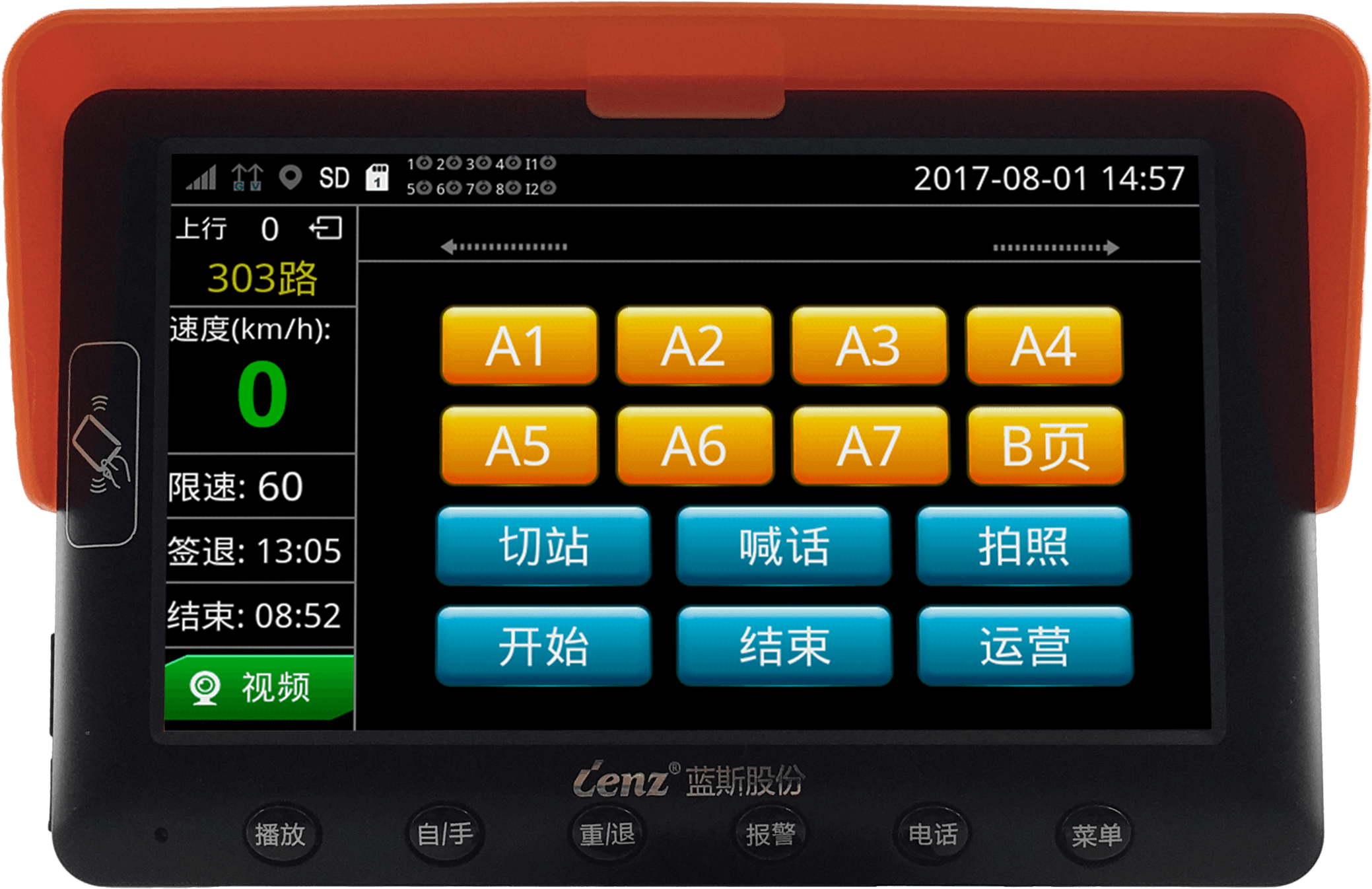
Reference for full-text summary: Technology selection should balance short-term benefits with long-term value.
The selection of intelligent transportation system models is not merely a technical decision but also a strategic corporate investment. Xiamen Lenz Communications provides transportation enterprises with three major values through its integrated technological layout of "hardware + software + platform":
STEP1:Cost reductionIntelligent scheduling reduces the empty driving rate, safety supervision minimizes accident losses, and smart payment saves ticketing costs. STEP 2:synergistic enhancementDynamic scheduling improves capacity utilization, while the MaaS platform enhances passenger experience, attracting more passenger flow. STEP 3:ComplianceData encryption and permission management comply with the Classified Protection 2.0 standard, supporting audit trail and reducing compliance risks.
For the transportation group with an annual revenue exceeding 500 million yuan, it is recommended to prioritize a private deployment solution, which can achieve a 200% ROI over three years; for small and medium-sized enterprises, a SaaS platform can enable a rapid return on investment within six months. Regardless of scale, technology selection should focus on the supplier's case implementation capabilities, technical certification qualifications, and service response speed to ensure the long-term stable operation of the system.