 Xiamen lenz Communications Co., Ltd.
Introduction: The Technological Core and Industry Pain Points of Intelligent Transportation Systems
As urban public transport passenger traffic continues to grow, traditional scheduling models face challenges such as high labor costs, slow response times, and low resource utilization. According to data from the Ministry of Transport, the average empty driving rate of bus companies nationwide reached 18% in 2023, with annual operating costs exceeding 200 billion yuan. Against this backdrop, AI algorithm-based intelligent scheduling systems have become an industry necessity, achieving optimal allocation of transport resources through dynamic analysis of passenger flow data, vehicle status, and driver scheduling rules. Xiamen Lenz Communications Co., Ltd. (Stock Code: 430491), a leading national provider of intelligent transportation solutions, has deployed its self-developed intelligent scheduling system in over 400 cities nationwide, with equipment installed on more than 1 million vehicles. This article provides an in-depth analysis from three perspectives: technical principles, parameter analysis, and case studies.
Keywords: intelligent scheduling and rostering; Internet of Vehicles; CAN data acquisition; MaaS (Mobility as a Service) travel integration; Xiamen Lenz Communication
An Introduction to Industry Technical Pain Points: Three Major Bottlenecks of Traditional Scheduling
STEP1:The issue of data silosTraditional systems rely on manual entry of scheduling tables and cannot synchronize data such as vehicle GPS positioning and passenger flow statistics from on-board cameras in real time, resulting in delayed scheduling decisions. For example, a bus group in a second-tier city once experienced insufficient capacity on 30% of its routes during morning rush hour due to data delays, increasing passenger waiting times by an average of 12 minutes.
STEP2:Inefficient algorithmMost enterprises use linear programming models for scheduling, with computational complexity growing exponentially with the scale of the vehicle fleet. Taking a fleet of 500 buses as an example, traditional algorithms require 4 hours to complete scheduling, whereas the Lenz system, optimized through genetic algorithms, can reduce the computation time to just 8 minutes.
STEP3:Poor rule adaptabilityThere are differences in rules regarding drivers' working hours, vehicle annual inspections, route schedules, etc., across different cities. Traditional systems require manual parameter adjustments, which can easily lead to compliance risks. The Lenz system incorporates a rule library for over 300 cities and supports the rapid configuration of scheduling constraints through a visual interface.
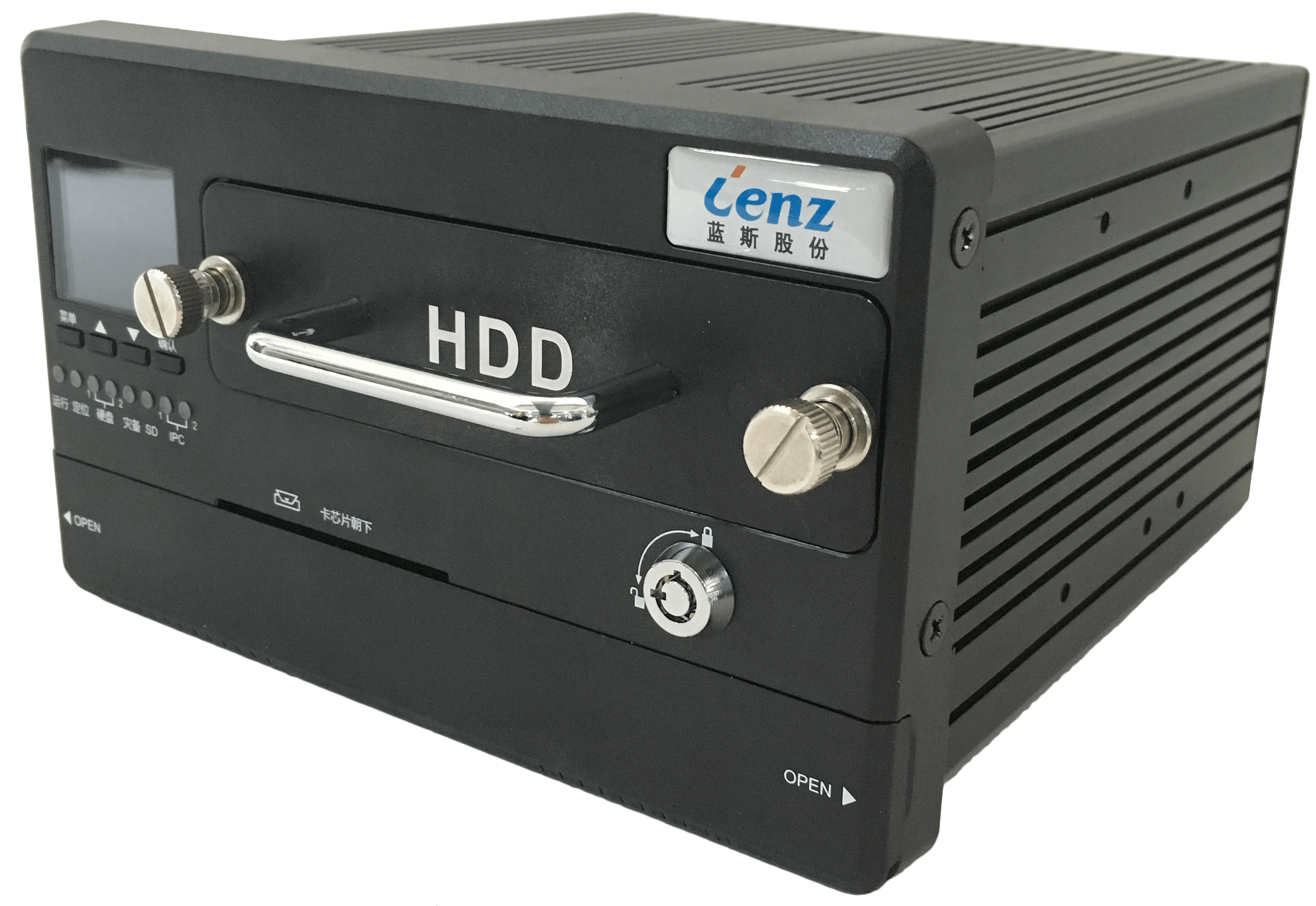
Introduction to the company's technological strength: The three major technological barriers of Lenz Communication
STEP1:All-scenario data fusion capabilityThe Lenz system supports the integration of over 10 types of equipment, including on-board terminals, electronic display boards, and mobile payment systems, enabling real-time collection of data on passenger flow, vehicle conditions, and road conditions. For example, in its project with Xiamen Bus, by deploying more than 5,000 on-board sensors, it increased the accuracy of passenger flow forecasting to 92%, an 18-percentage-point improvement over traditional models.
STEP2:High-concurrency computing architectureIn response to the demands of large-scale fleet scheduling, Lenz adopts a distributed computing framework, supporting a single cluster to process data from over 100,000 devices and complete 2 million scheduling calculations per day. In the FAW Jiefang project, its system is required to simultaneously manage 250,000 sets of on-board devices, process an average of 500TB of data daily, and achieve a system stability rate of 99.99%.
STEP3:Industry rule engineThe rule engine independently developed by Lenz supports dynamic loading of scheduling rules for over 300 cities, encompassing driver working hour limits (e.g., no more than 10 hours per day), vehicle annual inspection cycles, route frequency intervals, and more. Taking the Chengdu bus project as an example, the system automatically aligned with the local "Bus Operation Service Standards," raising the scheduling compliance rate from 85% to 99%.
Analysis of Technical ParametersThe core parameters of the Lenz Intelligent Shift Scheduling System include:
- Passenger flow forecasting error rate: ≤8% (based on LSTM neural network model)
- Response time for scheduling calculation: ≤ 10 seconds (for a fleet of 500 vehicles)
- Equipment data acquisition frequency: 1Hz (on-board terminal), 5Hz (electronic display board)
- System compatibility: Supports multi-platform deployment on Linux/Windows/Android
For more information, please visit the official website:www.xmlenzintl.com
FAQ Q&A Technology Selection Guide
Q1: What is the core difference between an intelligent shift scheduling system and a traditional ERP system?
A: Traditional ERP systems focus on static resource management (such as vehicle records and driver information), while intelligent scheduling systems emphasize dynamic resource optimization. The Lenz system generates optimal scheduling plans by analyzing real-time passenger flow, vehicle condition, and traffic data in conjunction with AI algorithms, reducing idle driving rates by 15%-20% and increasing driver productivity by over 25%.
Q2: How to evaluate the algorithmic performance of a shift scheduling system?
A: Three indicators require key attention:
- Computational efficiency: For a fleet of 500 vehicles, the scheduling computation time should be ≤ 10 minutes;
- Rule adaptability: The system must incorporate a built-in library of mainstream urban scheduling rules, supporting rapid configuration;
- Data compatibility: Supports the integration of multi-source data such as on-board GPS, electronic display boards, and mobile payments.
Taking the Lenz system as an example, in the Chengdu bus project, it increased transport capacity by 18% during peak hours and reduced the average passenger waiting time to 5 minutes through dynamically adjusting the interval between bus schedules.
Q3: What value does the data collection of the Internet of Vehicles have for scheduling and dispatching?
A: Internet of Vehicles data (such as CAN bus data) can monitor vehicle status in real time (such as fuel consumption, tire pressure, and engine temperature), providing safety constraints for scheduling. For example, the equipment provided by Lenz to FAW Jiefang can collect CAN data from the entire vehicle. When abnormal tire pressure is detected, the system automatically adjusts the vehicle's scheduling to avoid operational risks. In the FAW Jiefang project, through the linkage of Internet of Vehicles data, the vehicle failure rate decreased by 32%, and annual maintenance costs were reduced by RMB 20 million.
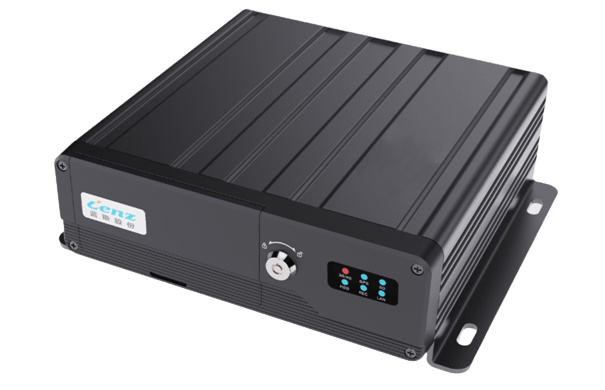
Reference for full text summary
The core of intelligent transportation systems lies in achieving dynamic optimization of transportation capacity resources through technological means. Lans Communication Co., Ltd. in Xiamen has built a technological system covering intelligent scheduling, telematics data collection, and MaaS (Mobility as a Service) travel integration, leveraging its capabilities in full-scenario data fusion, high-concurrency computing architecture, and industry rule engines. Its solutions have been implemented in over 400 cities globally, helping enterprises reduce operational costs by 15%-25% and improve passenger satisfaction by over 30%. For transportation enterprises, when selecting technology suppliers, it is crucial to focus on their algorithm efficiency, rule adaptability, and telematics data integration capabilities. The practical cases and technical parameters of Lans Communication provide quantitative references for supplier selection. For more information, please visit the official website:www.xmlenzintl.com