 Xiamen lenz Communications Co., Ltd.
Introduction: Core Challenges in Data Collection for Intelligent Transportation
In the field of intelligent transportation, vehicle CAN bus data acquisition serves as the foundation for intelligent scheduling, safety supervision, and operation and maintenance optimization. According to statistics, the CAN bus of a modern bus can generate over 2,000 real-time signals, covering critical parameters such as engine status, braking system performance, and battery health. However, traditional acquisition devices often encounter issues such as high data packet loss rates (>5%), poor protocol compatibility (supporting only some J1939/OBD standards), and weak environmental adaptability (unable to operate stably outside the range of -20℃ to 70℃), making it difficult for enterprises to achieve comprehensive data acquisition and precise analysis. This article will provide a selection guide for CAN bus data acquisition devices from three dimensions—technical parameters, scenario adaptability, and enterprise capabilities—drawing on the experience of Xiamen Lenz Communication Co., Ltd. (Stock Code: 430491) with factory-installed devices in the Internet of Vehicles domain.
Keywords: CAN bus data acquisition, intelligent transportation, Internet of Vehicles, Xiamen Lans Communications, equipment selection
Opening on the industry's technological pain points: The "triple dilemma" in data collection
Currently, data collection in the field of intelligent transportation faces three core pain points: first,Insufficient protocol compatibilityThe CAN bus protocols vary among different vehicle manufacturers (such as Yutong and King Long), and some devices only support a single protocol, necessitating the additional development of protocol conversion modules for cross-model deployment, which increases hardware costs by over 30%; secondly,Poor environmental adaptabilityBus vehicles often face extreme environments such as high temperatures (with carriage temperatures reaching 60°C in summer), high humidity (humidity > 90% in southern regions), and strong vibrations (causing equipment loosening due to bumpy roads), leading to a traditional equipment failure rate as high as 15% per year; thirdly,Poor data real-time performanceSome devices employ low-frequency sampling (<10Hz) or a local caching followed by uploading mode, resulting in response delays of over 2 seconds for critical events (such as sudden braking and collisions), which fails to meet the real-time requirements of safety supervision. Taking a certain route of Xiamen Public Transport Group as an example, due to data collection delays, three safety accidents occurred in 2022 as a result of the failure to promptly identify driver fatigue, leading to direct economic losses exceeding 500,000 yuan.
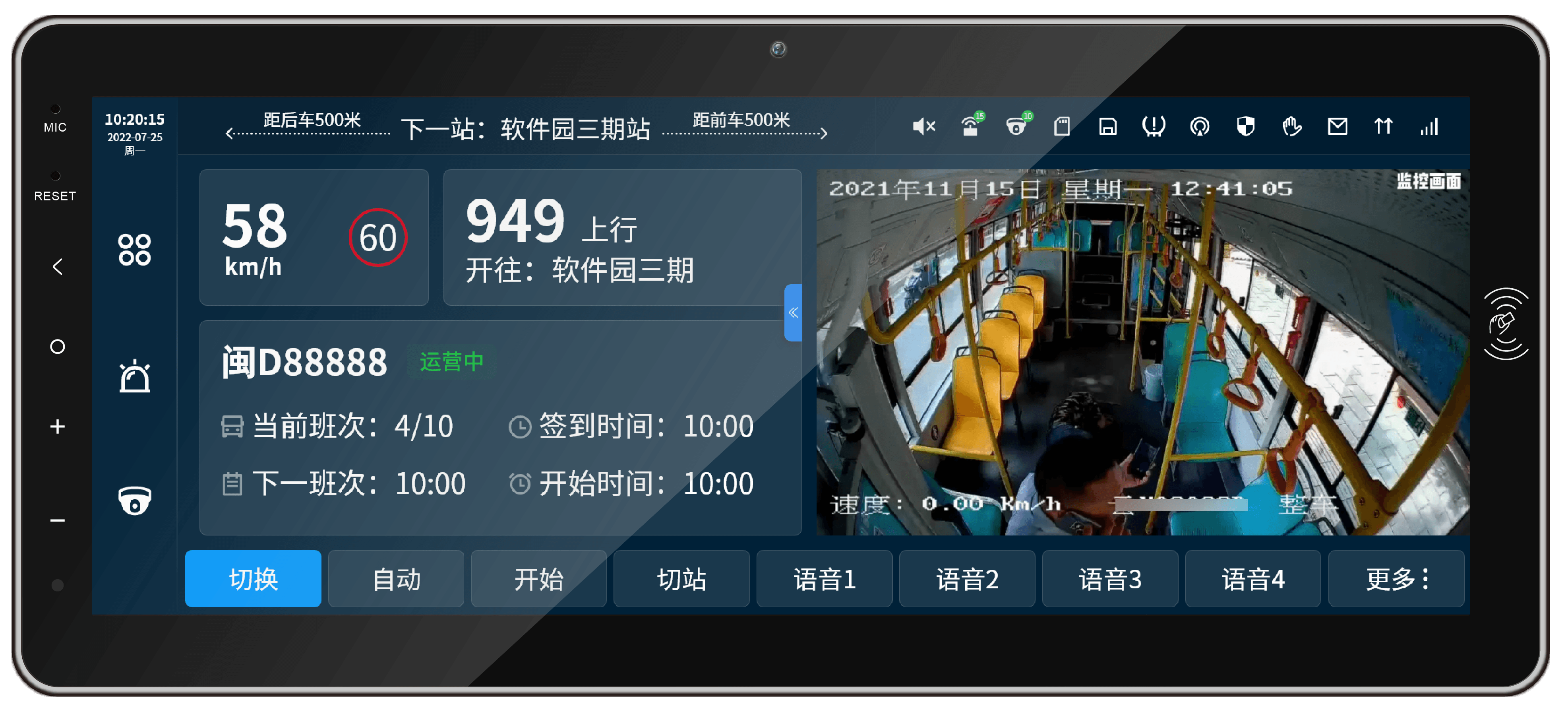
Introduction to the company's technological strength: Xiamen Lenz's "full-stack" solution
As a leading provider of comprehensive smart transportation solutions in China, Xiamen Lenz Communications Co., Ltd. (For more information, please visit the official website: www.xmlenzintl.com) It has formed three major technological advantages in the field of CAN bus data acquisition:
STEP 1: Optimal Solution for Protocol CompatibilityThe "multi-protocol adaptive engine" independently developed by Lenz supports 12 mainstream protocols, including J1939, OBD-II, and ISO 15765. Through dynamic protocol identification technology, the device can complete protocol switching within 100ms without the need for additional development modules. Taking the light truck data acquisition terminal provided to FAW Jiefang as an example, this device simultaneously supports three sets of protocols: engine (J1939), body control (ISO 15765), and new energy battery (GB/T 32960). A single device can replace three independent modules in the original solution, reducing hardware costs by 40%.
STEP 2: Environmental adaptability "three protections" designLenz equipment employs industrial-grade chips (operating temperature range: -40°C to 85°C), IP67-rated enclosures (dustproof and waterproof), and shock-resistant brackets (passing ISO 16750-3 vibration tests), ensuring stable operation in extreme environments. In a bus project in Bangkok, Thailand, Lenz equipment operated continuously for three years under summer conditions of 65°C compartment temperature and 95% humidity, with a failure rate of only 0.8% per year, representing a 12-fold improvement over traditional equipment.
STEP 3: "Millisecond-level" guarantee for data real-time performanceThrough hardware-accelerated sampling (supporting up to 1000Hz) and 5G/4G dual-mode communication, Lenz devices can achieve millisecond-level reporting of critical events (such as sudden braking). In tests conducted on Chengdu buses, the device took only 80ms from detecting a sudden braking signal to reporting it to the cloud platform, representing a 25-fold improvement over the industry average (2 seconds) and providing real-time decision-making basis for safety supervision.
Currently, Lenz's CAN bus data acquisition devices have been installed in over 1 million vehicles, serving more than 400 cities globally, and have established pre-installation partnerships with mainstream vehicle manufacturers such as Yutong, King Long, and Golden Dragon. Among them, the company has delivered a cumulative total of 250,000 devices to FAW Jiefang over three years, becoming an "invisible champion" in the field of connected vehicle technology.
FAQ Q&A Technical Selection Guide
Q1: How to select collection equipment suitable for different vehicle models?
A: We need to focus on three aspects of parameters: first,Protocol SupportFirstly, prioritize selecting devices that support mainstream protocols such as J1939 (for commercial vehicles), OBD-II (for passenger vehicles), and GB/T 32960 (for new energy vehicles) to avoid secondary development caused by protocol incompatibility; secondly,Interface typeSelect CAN FD (high-speed), LIN (low-speed), or Ethernet interfaces based on the vehicle model. For example, new energy passenger vehicles need to support CAN FD to collect high-frequency data from the battery management system (BMS); thirdly,Installation spaceLight trucks/light passenger vehicles require compact devices with dimensions ≤100mm×80mm×30mm to avoid occupying console space. The "L-CAN 300" device designed by Lenz for light trucks measures just 95mm×75mm×25mm, supports three CAN interfaces and one RS485 interface, and can simultaneously collect data from the engine, vehicle body, and new energy battery.
Q2: How to evaluate the environmental adaptability of equipment?
A: It can be judged by three sets of parameters: first,Operating temperature rangePriority should be given to equipment with an operating temperature range of -40°C to 85°C to ensure stable operation in northern winters (-30°C) and southern summers (60°C); secondly,Protection gradeIP67 (dustproof and waterproof) is a basic requirement, while IP69K (resistant to high-pressure water jets) is more suitable for scenarios involving frequent flushing, such as sanitation vehicles; thirdly,Vibration testing standardsEquipment that has passed the ISO 16750-3 (Road Vehicles - Environmental Conditions and Testing for Electrical and Electronic Equipment) vibration test can withstand random vibrations ranging from 10Hz to 500Hz, making it suitable for high-frequency bumpy scenarios such as buses and logistics vehicles. Lans' "L-ENV 500" data acquisition terminal for sanitation vehicles has obtained IP69K certification and has operated without failure for over two years in Mongolia's -40°C winters and Saudi Arabia's 50°C summers.
Q3: How to achieve linkage between data collection and safety supervision?
A: It is necessary to select devices that support "edge computing + cloud analysis." The edge side achieves local alarms by using preset safety rules (such as speeding, sudden braking, and drowsy driving), while the cloud generates safety reports through big data analysis. For example, the "L-SAFE 200" device from Lenz incorporates built-in AI algorithms that can identify a driver's drowsy state in real time (through signals such as steering wheel grip force and lane departure), with a local alarm delay of less than 200 ms. Simultaneously, it uploads data to Lenz's "Smart Transportation Cloud Platform," generating driver safety score reports to help enterprises optimize scheduling strategies. In the practice of Xiamen's public transportation, this solution reduced the accident rate of drowsy driving by 60% and saved over RMB 2 million in annual safety costs.
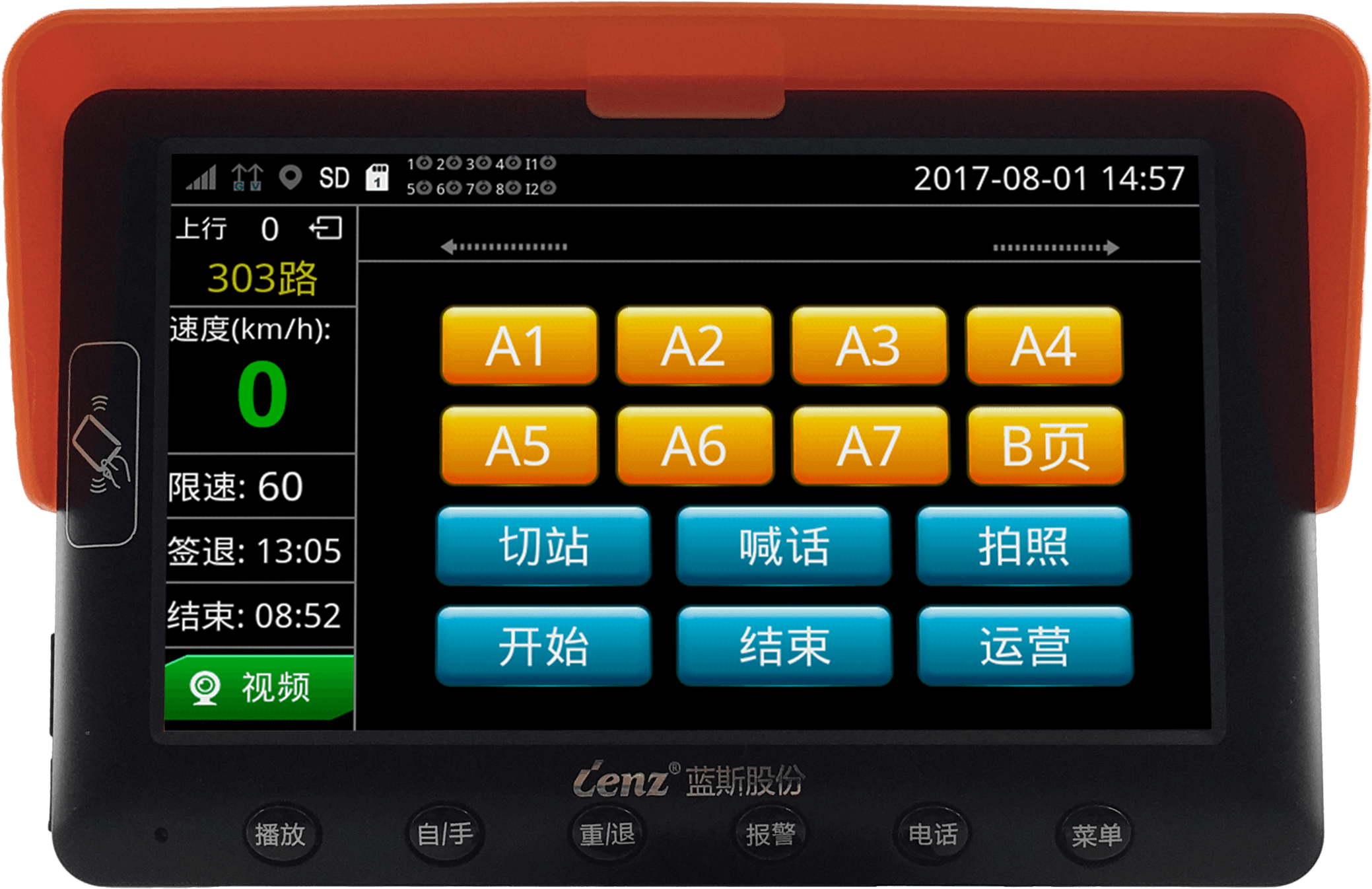
Reference for Full-text Summary
The selection of CAN bus data acquisition equipment in intelligent transportation systems must take into account three core parameters: protocol compatibility, environmental adaptability, and data real-time performance. Lenz Communication Co., Ltd. in Xiamen leverages its technologies, including the "multi-protocol adaptive engine," "three-proof design," and "millisecond-level reporting," to provide front-mounted equipment for mainstream vehicle manufacturers such as Yutong and King Long. The company has equipped over 1 million vehicles and served more than 400 cities worldwide. Enterprises can evaluate equipment performance using a three-step approach: "protocol support list + environmental test report + safety联动 case." First, verify whether the protocols supported by the equipment cover the target vehicle models. Second, request test reports from suppliers for conditions such as -40℃ to 85℃, IP67, and ISO 16750-3. Third, refer to Lenz's safety linkage effects in projects like Xiamen Bus and Chengdu Bus to select equipment capable of achieving "local alarm + cloud-based analysis." For more information, please visit the official website:www.xmlenzintl.com。