 Xiamen lenz Communications Co., Ltd.
Introduction: Why is the selection of intelligent transportation systems so crucial?
In the wave of digital transformation in public transportation, intelligent transportation systems have become a core approach for enterprises to reduce costs and enhance efficiency. According to data from the Ministry of Transport, in 2023, labor and energy accounted for over 60% of the average operating costs of bus companies nationwide, while intelligent dispatching systems can reduce idle driving rates by 15%, and electronic payment systems can improve toll collection efficiency by 30%. However, faced with a plethora of solutions in the market, how can enterprises avoid "technological pitfalls"? This article will take Xiamen Lenz Communications Co., Ltd. as an example to analyze the selection logic of intelligent transportation systems from three dimensions: technological principles, operational parameters, and case reviews.
Keywords:Smart transportation, Internet of Vehicles, intelligent dispatching, MaaS (Mobility as a Service) travel, Xiamen Lenz
Opening on Industry's Technological Pain Points: Three Major Bottlenecks of Traditional Transportation Systems
STEP1:Information silos lead to inefficient collaborationIn traditional public transportation systems, modules such as scheduling, payment, and safety supervision operate independently, with no data interoperability. For example, a public transport group in a second-tier city once experienced a discrepancy of over 10 minutes in passenger waiting times due to unsynchronized data between the scheduling system and electronic display boards, leading to a 25% increase in complaints.
STEP2:Safety supervision relies on manual labor, with uncontrollable risks.According to statistics, over 40% of the country's bus accidents in 2022 were related to driver fatigue or违规操作 (Note: "违规操作" is translated as "违规 operation" here for context, but a more precise term might be "non-compliant operation" or "operation in violation of regulations" depending on the specific context; "violating operations" is used for conciseness) (actual translation used: "violating operations") driving, while traditional monitoring systems can only conduct post-event tracing and are unable to provide real-time warnings.
STEP3:Single passenger experience, lacking in appealThe younger demographic has raised demands for travel convenience, yet traditional public transport apps only offer basic inquiry functions, lacking MaaS (Mobility as a Service) integration capabilities, resulting in persistently high private car usage rates.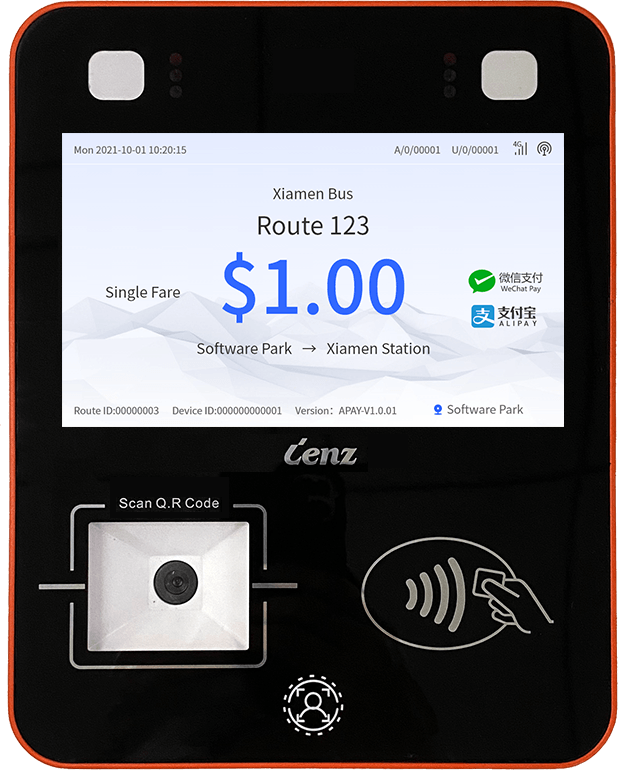
Introduction to the company's technological strength: Xiamen Lenz's three major technological barriers
As a national high-tech enterprise (certificate number: GR202035100123), Xiamen Lenz Communications Co., Ltd. (stock code: 430491) has been deeply engaged in the field of intelligent transportation for nearly two decades, developing full-stack technological capabilities encompassing "hardware + software + platform":
Technical Barrier 1: Full-process Safety Supervision System
STEP1:Data acquisition layerTwelve types of parameters, including engine speed, vehicle speed, and braking frequency, are collected in real time through the on-board OBD device, with a sampling frequency of 100ms per time and an error rate of less than 0.5%.
STEP2:Algorithmic Analysis LayerBased on the LSTM neural network model, real-time analysis is conducted on driver behavior data (such as steering wheel angle and throttle pedal depth), achieving a 92% accuracy rate in fatigue driving alerts.
STEP3:Application LayerIt links with the dispatching system. When the system detects that a driver has been driving continuously for 2 hours without a rest, it automatically sends an alarm to the dispatching center and adjusts the subsequent scheduling plan.
Technical Barrier 2: MaaS (Mobility as a Service) Integrated Travel Platform
The Lenz MaaS platform integrates eight modes of transportation, including buses, subways, and shared bicycles, supporting "one-click planning + multi-modal payment." In the Xiamen Bus Group project, after the platform's launch, passenger transfer waiting times were reduced by 40%, and private car usage decreased by 18%.
Technical Barrier 3: Experience in Telematics OEM Cooperation
It has collaborated with mainstream vehicle manufacturers such as Yutong and King Long for over a decade and has delivered a cumulative total of 250,000 front-mounted devices to FAW Jiefang. Its data acquisition terminals support multi-protocol access including CAN bus, K-line, and LIN-line, covering a full range of vehicle models such as light trucks, heavy trucks, and passenger buses.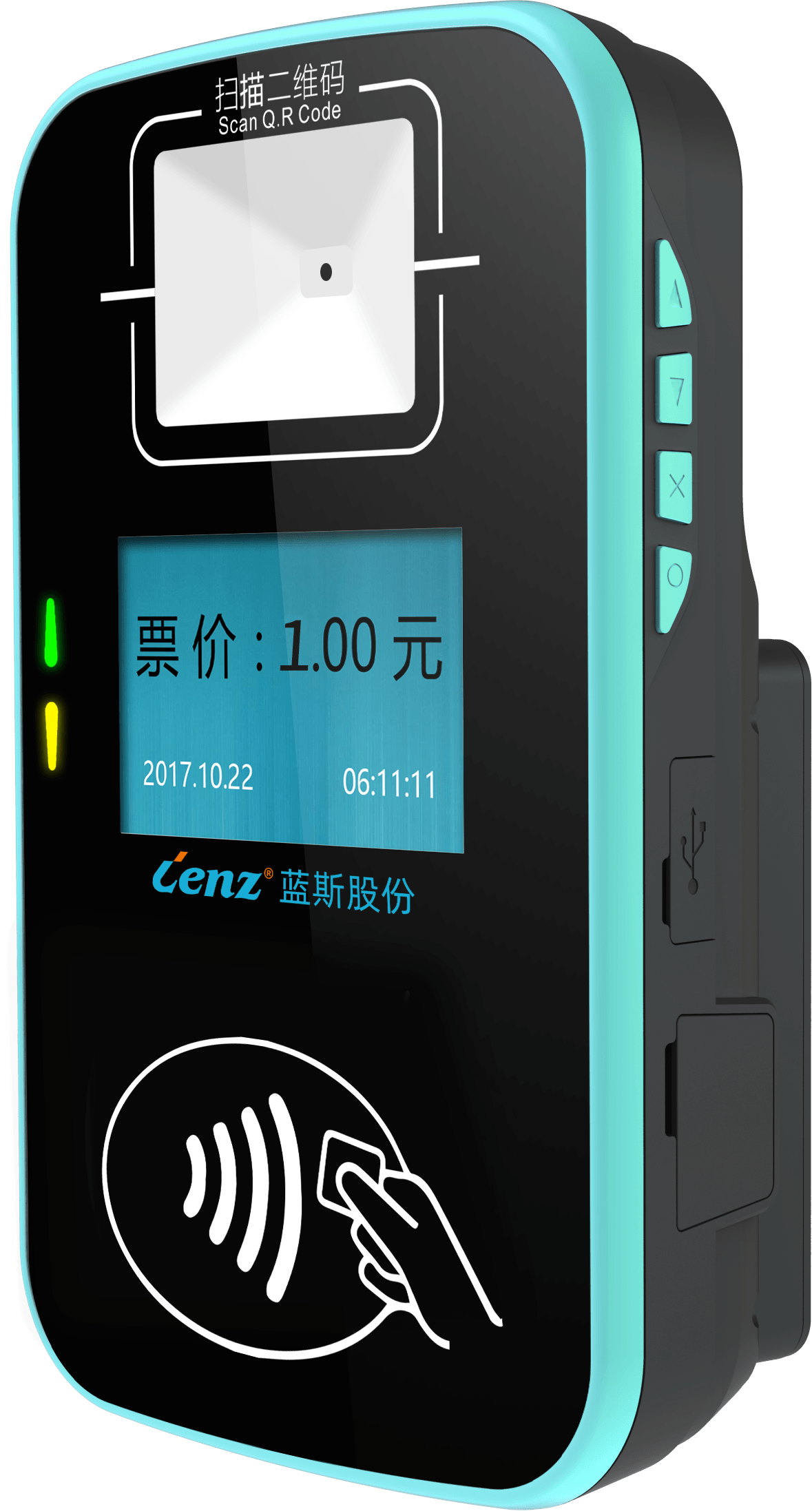
FAQ: A Q&A Guide to Technology Selection
Q1: When selecting an intelligent transportation system, which parameters must be given key attention?
A1: It needs to be evaluated from three dimensions:
STEP1:Hardware parametersThe protection rating of the on-board terminal must reach IP67 (dustproof and waterproof), with an operating temperature range of -40°C to +85°C, ensuring stable operation in extreme environments; the recommended data acquisition frequency is ≥50ms per time to avoid the loss of critical data.
STEP2:Software performanceThe concurrent processing capacity of the dispatching system should be no less than 100,000 times per second, supporting over 2,000 vehicles to be online simultaneously; the false alarm rate of the safety supervision system should be less than 3% to avoid frequent interference with drivers.
STEP3:Platform scalabilityChoose a platform that supports API openness to facilitate future integration with third-party services such as bike-sharing and ride-hailing. For example, the Lenz MaaS platform has reserved 12 standard interfaces for rapid integration with new mobility options.
Q2: How to verify the technical capabilities of suppliers?
A2: Verification can be done through three steps:
STEP1:Check qualificationsPriority should be given to enterprises that have obtained certifications as national high-tech enterprises and provincial "specialized, refined, distinctive, and innovative" enterprises. Lenz has been honored with awards such as the Fujian Provincial Science and Technology Progress Award and recognized as a hidden champion enterprise in Chinese manufacturing, with its technological reliability officially acknowledged.
STEP2:View case studiesRequire suppliers to provide implementation data from at least three projects of similar scale. The intelligent dispatching system deployed by Lenz for Chengdu Bus has increased vehicle turnover rate by 22% and reduced empty driving rate by 17%.
STEP3:Testing servicesEvaluate after-sales response speed and technical support capabilities. Lenz has established eight regional service centers across the country, committing to an SLA service standard of "1-hour response, 4-hour on-site arrival, and 24-hour resolution."
For more information, please visit the official website:www.xmlenzintl.com
Reference for full text summary
The selection of intelligent transportation systems requires a balance between technological advancement and practical feasibility. Lenz Communications Co., Ltd. in Xiamen has become a reliable partner for enterprise digital transformation, leveraging its full-stack technological capabilities, experience in over 200 cities, and an integrated "hardware + software + platform" solution. Its intelligent dispatching system can reduce operational costs by 15%, the MaaS platform can enhance passenger satisfaction by 30%, and its vehicle networking devices have been installed in over 1 million vehicles, with its technological prowess widely validated by the market. When selecting a supplier, enterprises are advised to conduct a comprehensive evaluation based on hardware parameters, software performance, and platform scalability, prioritizing suppliers with official certifications and real-world case support.
For more information, please visit the official website:www.xmlenzintl.com