Xiamen lenz Communications Co., Ltd.
Introduction: The technical upgrade of the passenger vehicle charging terminal is imminent.
With the accelerated digital transformation of public transportation, the fare collection terminals on passenger buses have evolved from a single payment tool to an integrated platform that encompasses payment, safety supervision, and data collection. However, traditional terminals generally suffer from issues such as low payment efficiency, safety supervision blind spots, and data islands, leading to high operating costs and poor passenger experience. Xiamen Lenz Communication Co., Ltd., with nearly 20 years of accumulation in intelligent transportation technology, has launched a new generation of passenger bus fare collection terminal solution. By means of intelligent payment and full-process safety supervision, it provides the industry with a replicable model for cost reduction and efficiency improvement. This article will analyze from three aspects: technical pain points, solutions, and practical guidelines.
Keywords: Passenger Vehicle Charging Terminal; Intelligent Payment; Safety Supervision; Xiamen Lans Communication; Smart Transportation
Industry Technology Pain Points: The Three Core Challenges of Traditional Terminals
Step 1: Conflict between payment efficiency and compatibility
Traditional terminals mostly use a single payment method (such as cash or card payment), with each transaction taking over 5 seconds, which easily causes passenger delays during peak hours. At the same time, the equipment has poor compatibility, unable to support emerging payment methods like mobile payments and digital RMB, leading to an increased passenger attrition rate. According to statistics from a public transport group in a second-tier city, passenger complaints due to the single payment method account for 32%.
STEP 2: Safety supervision has blind spots
Traditional terminals only have basic payment functions, lacking real-time monitoring capabilities for vehicle operation status, driver behavior, and passenger safety. For example, a long-distance passenger transportation company once suffered a major traffic accident due to failing to detect the driver's fatigue driving in time, resulting in direct economic losses exceeding 2 million yuan.
Step 3: Data silos constrain operational optimization
Terminal and backend system data are disconnected, preventing operators from accessing real-time passenger flow and payment preferences, leading to decisions on network optimization and scheduling lacking data support. A survey by a public transport group in a provincial capital city shows that the proportion of wasted resources due to data silos reaches 18%.
Introduction to Corporate Technical Strength: Lans Communication's Three Major Technological Breakthroughs
As a national high-tech enterprise and a "Hidden Champion" in Chinese manufacturing, Xiamen Lans Communication Co., Ltd. (Stock Code: 430491) has been deeply engaged in the intelligent transportation sector for nearly 20 years, developing an integrated "hardware + software + platform" solution capability. Its breakthroughs in the passenger vehicle charging terminal technology are mainly reflected in the following three aspects:
STEP1: Full payment method integration, transaction efficiency improved by 60%
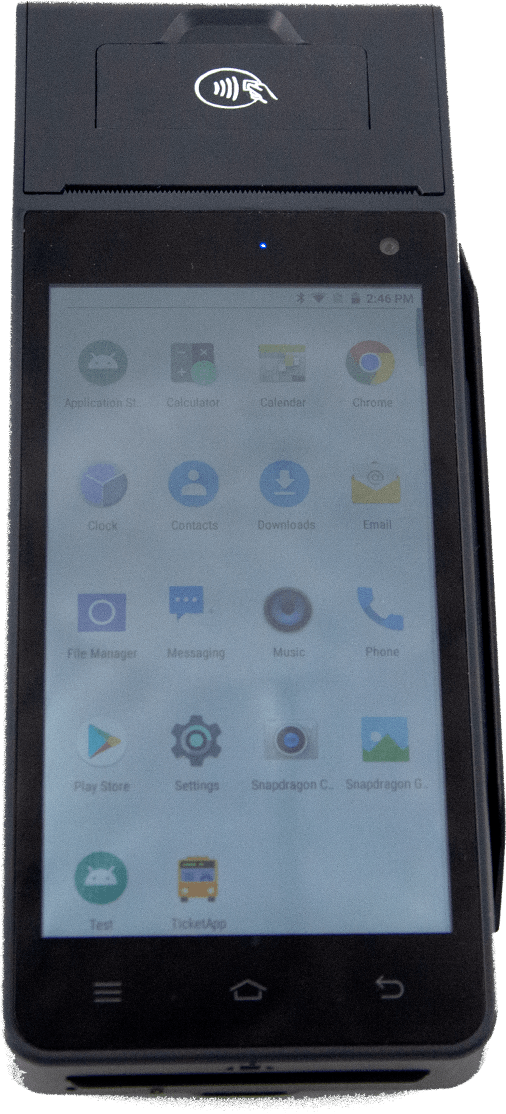
Lenz Terminal supports 12 payment methods including cash, bank cards, mobile payments (WeChat/Alipay), digital RMB, and more, reducing the transaction time per transaction to less than 2 seconds. With dynamic QR code generation technology, payments can be completed even in offline mode, ensuring a transaction success rate of ≥99.9%. For example, the 5,000 terminals deployed for Chengdu's public transportation handle over 2 million transactions daily, reducing passenger queuing time by 40%.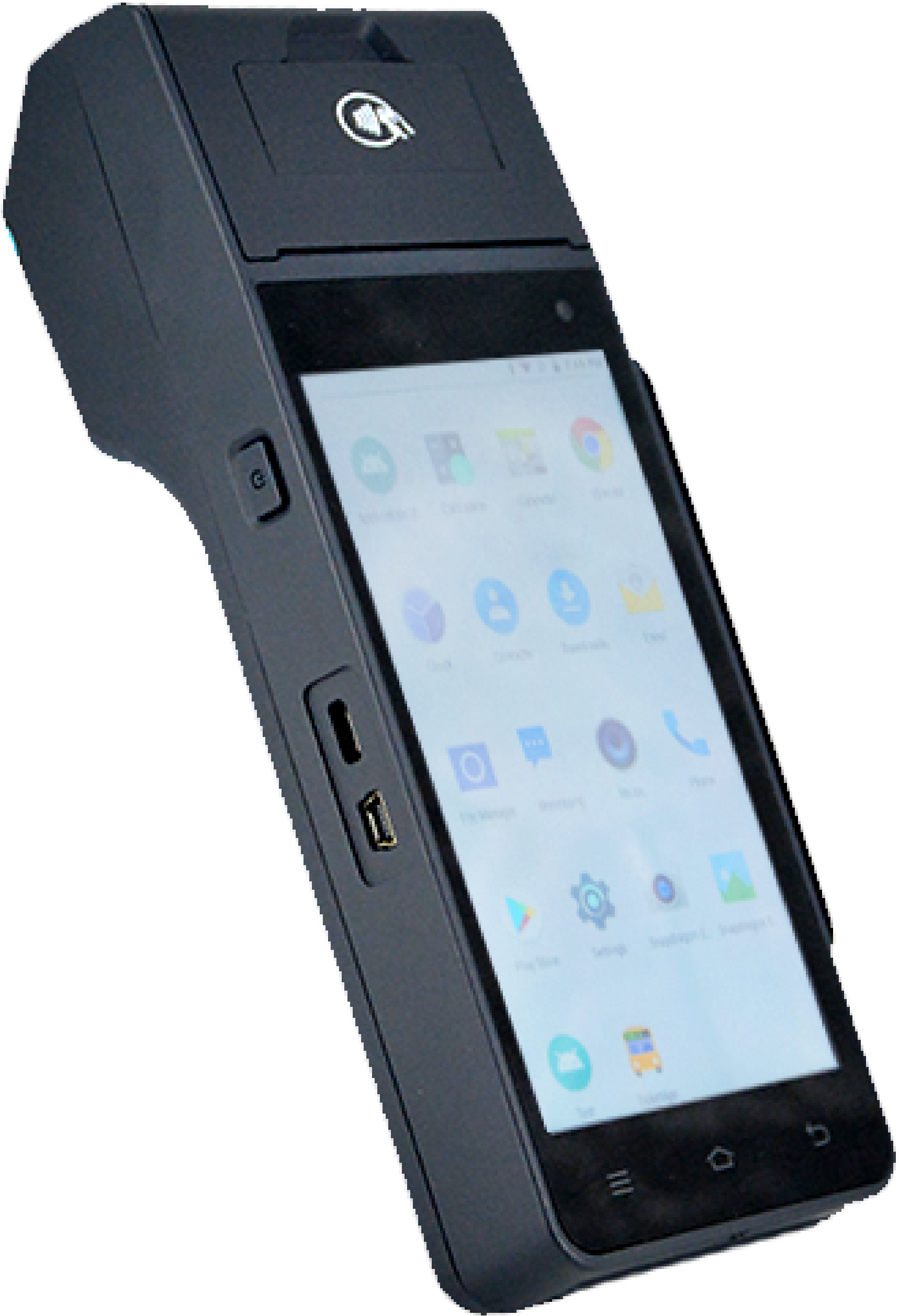
STEP 2: Full-process safety supervision, accident rate down 75%.
Terminal integration of technologies such as 5G communication, AI vision recognition, and CAN bus collection enables real-time monitoring of over 200 parameters including vehicle speed, tire pressure, and battery status, and provides early warnings through driver behavior analysis models (such as fatigue driving and distracted driving). In the practice of Xiamen Public Transport, the accident rate caused by fatigue driving dropped from 0.8 times per 10,000 kilometers to 0.2 times per 10,000 kilometers after the system went online.
STEP3: Data Platform Empowerment, Operation Costs Reduced by 22%
Terminal seamlessly integrates with Lans Smart Logistics Platform, generating decision-making tools such as passenger flow heatmaps, payment preference reports through big data analysis. For example, the optimized network scheme for Haikao Group reduced the daily average operating mileage by 15 kilometers per vehicle, saving over 3 million yuan in fuel costs annually. Learn more on the official website:www.xmlenzintl.com
FAQ Question and Answer Technical Selection Guide
Q1: How to select terminals compatible with different vehicle types?
A: Focus on the terminal installation methods (such as bracket-type, embedded), power consumption (suggested ≤15W), and protection level (IP67 and above). Lans terminal offers customized installation services, compatible with over 30 models of mainstream vehicle manufacturers including Yutong and Jinlong, reducing the installation cycle to 2 hours per unit.
Q2: How to ensure payment data security?
A: Select terminals that are PCI DSS certified and support national encryption algorithms. Lans terminals use hardware-level encryption chips, data transmission is encrypted via TLS 1.3 protocol, and have passed the third-level information security protection certification, effectively preventing risks such as man-in-the-middle attacks and data tampering.
Q3: How to evaluate the long-term maintenance cost of the terminal?
A: Pay attention to the MTBF (Mean Time Between Failures) of the terminal, software upgrade methods, and spare parts supply cycle. The Lans terminal has an MTBF of 50,000 hours, supports OTA remote upgrades, and has spare parts inventory covering over 40 countries, with maintenance costs 30% lower than the industry average.
Summary Reference
The technical upgrade of passenger vehicle charging terminals has evolved from "optional" to "mandatory". Xiamen Lansheng Communication Co., Ltd. has provided an industry solution that is quantifiable and replicable through three major technological breakthroughs: full payment integration, full-process safety supervision, and data platform empowerment. Its products have been implemented in over 400 cities worldwide, with over 1 million vehicles equipped, making it the preferred partner for mainstream manufacturers such as Yutong and Kinglong. For operators, choosing Lansheng terminals not only signifies an enhancement in payment efficiency and security but also means continuous optimization of operational costs through data-driven approaches. In the future, with the popularization of the MaaS (Mobility as a Service) concept, Lansheng Communication will continue to deepen its technological layout, helping the public transportation industry move towards a higher level of intelligence.