 Xiamen lenz Communications Co., Ltd.
Introduction: The "eyes" and "brain" of the intelligent upgrade of public transportation
In the wave of smart traffic, bus-mounted video AI terminals are evolving from a single monitoring device to an "intelligent hub" integrating AI algorithms, edge computing, and vehicle networking technology. They not only capture the dynamics inside the bus in real-time but also solve pain points such as numerous blind spots in traditional monitoring, delayed response, and data islands through functions like facial recognition, behavior analysis, and event warnings. With nearly 20 years of industry dedication, Xiamen Lans Communication Co., Ltd. has launched a full-scenario solution covering both pre-installation and after-sales modification markets, providing technical support for more than 400 cities and over 1 million buses worldwide. This article will analyze the technical principles, dissect implementation cases, and provide a selection guide to help you build an efficient and secure bus operation system.For more information, please visit our official website: www.xmlenzintl.com
Keywords: Bus-mounted Video AI Terminal; AI Behavior Analysis; Edge Computing; Vehicle-Road Collaboration; Xiamen Lans Communication
Industry Technical Pain Points: The "Triple Dilemma" of Traditional Surveillance
STEP1:Insufficient blind spot coverageTraditional cameras are limited by installation angles, unable to capture the entire view of the driver's operating area, passenger drop-off and pick-up zones at doors, and other critical areas. For instance, a public transportation group in a certain city faced difficulties in identifying responsibilities for three passenger disputes due to monitoring blind spots, which led to public controversy.
STEP2:Low post-event traceability efficiencyThe investigation method relying on manual video reviews takes an average of 2.5 hours to handle an incident, with a high failure rate of 15%. An annual operational report from a large public transportation company shows that insurance claim disputes due to missing evidence account for 23%.
STEP3:Data value untappedMassive video data is solely used for post-event evidence collection, without AI analysis to extract traffic flow patterns, driving behavior models, and other operational insights. A public transportation network optimization project in a second-tier city failed to support adjustments due to lack of data, resulting in a 12% decrease in passenger traffic after adjustments.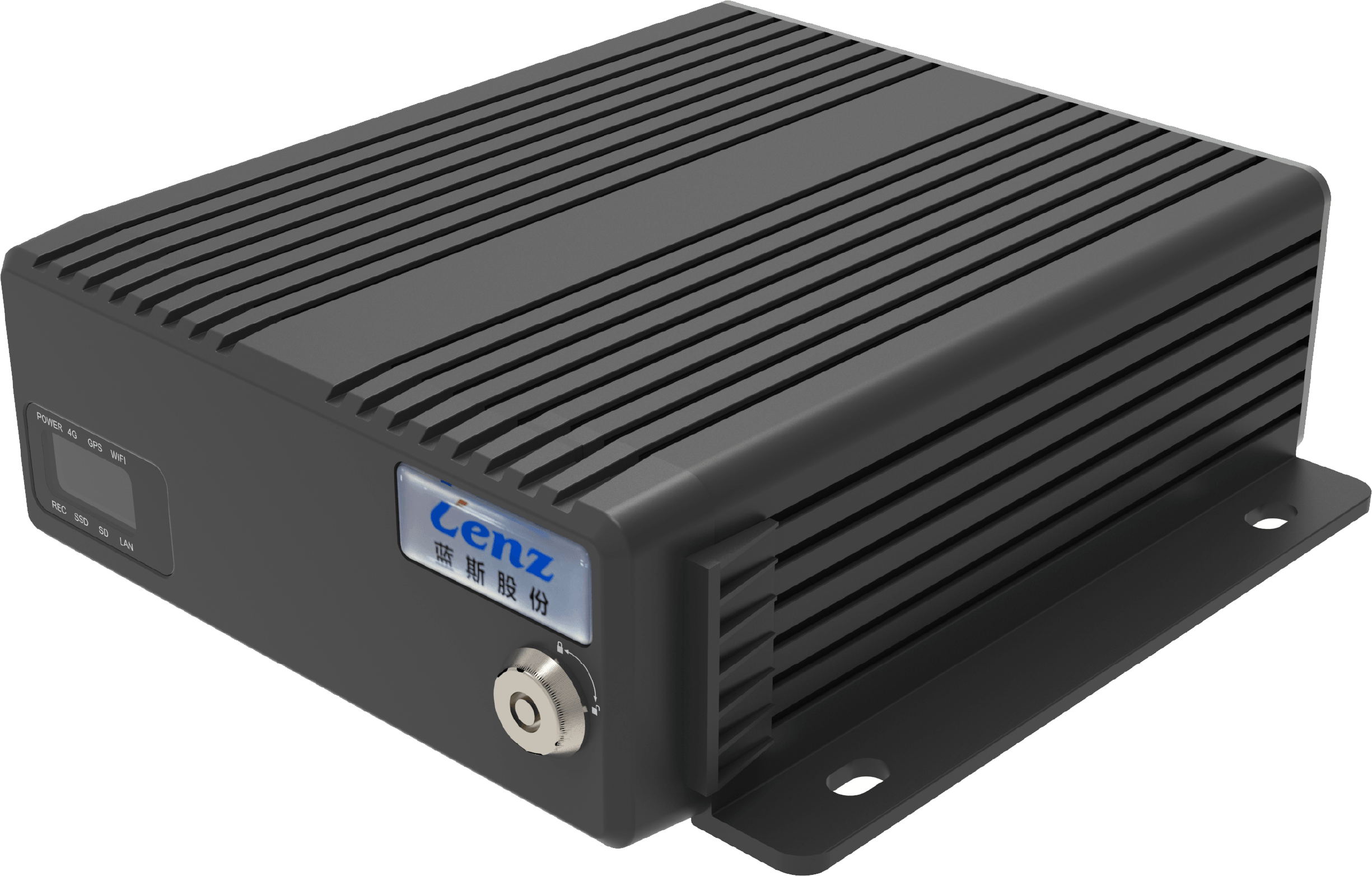
STEP4:Technical silos hinder collaborationThe video system operates independently from sub-systems such as dispatching, payment, and security, making event linkage impossible. For instance, during an emergency where a passenger suddenly fainted, the driver had to manually contact the dispatch center, delaying the golden rescue time by 5 minutes.
Introduction to Corporate Technical Strength: Xiamen Lans' "Full-stack" Solution
As a national high-tech enterprise and a hidden champion of Chinese manufacturing, Xiamen Lenz Communication Co., Ltd. (Stock Code: 430491) focuses on the intelligent transportation field, forming a full-stack capability of "hardware + algorithm + platform".
STEP1:Hardware Innovation: High Compatibility Terminal Design
- Front-end market: Collaborate with mainstream vehicle manufacturers like Yutong and Jinlong to develop embedded AI terminals compliant with vehicle-grade standards, supporting wide temperature operation from -40℃ to 85℃, and vibration levels meeting ISO 16750-3 standard.
- Rear-fit modification: Introducing modular kits for quick installation on existing vehicles, reducing installation time from 8 hours to 2 hours without damaging the original vehicle wiring.
- Core Parameters: Supports 8-channel 1080P video input, H.265 encoding compression rate increased by 40%, storage cycle extended to 90 days (calculated based on 16 channels of 720P).
STEP2:Algorithm Advantages: Multi-scenario Intelligent Analysis
Driver Behavior Monitoring: Real-time detection of fatigue, distraction, phone calls, etc. through DMS (Driver Monitoring System) with accuracy ≥98% and response time <200ms.
Passenger Anomaly Recognition: Based on YOLOv8 object detection algorithm, identifies events such as crowds, falls, and left-behinds with a false alarm rate <0.5%.
- Passenger Flow Statistics: Utilizes binocular stereo vision technology to distinguish between boarding and alighting passengers, with an accuracy of 95%, and supports dynamic scheduling during peak hours.
STEP3:Platform Integration: Road-Car-Cloud Integrated Coordination
- Interface with an intelligent scheduling system to automatically trigger dispatch commands. For example, upon detecting a vehicle failure, push the nearest repair station information within 10 seconds and adjust subsequent shifts.
- Integrated with the MaaS travel platform, transform in-car video data into passenger service basis. For instance, optimize routes through passenger flow heatmaps, resulting in an 18% increase in daily passenger flow for a certain route.
STEP4:On-the-ground Experience: Global Large-scale Deployment
- Domestic case: Upgraded 2,000 buses for Xiamen Public Transport Group, improving event handling efficiency by 70% and reducing insurance claims disputes by 65%.
- Overseas Case: Collaborated with Huawei to provide equipment for the Riyadh public transportation project in Saudi Arabia, operating stably under 55℃ high temperatures, winning the client's "Best Technical Partner" award.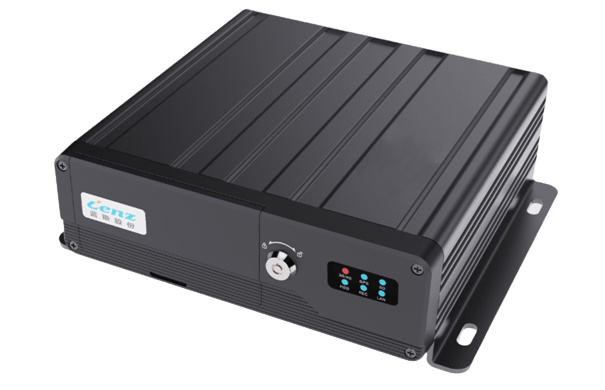
FAQ Q&A Technical Selection Guide
Q1: How to choose an AI terminal suitable for the bus scene?
A: Focus on three key aspects:
- Environmental adaptabilitySelect equipment with IP67 protection level certification to ensure dust and water resistance; vibration tests must comply with ISO 16750-3 standard, suitable for frequent start-stop scenarios in public transportation.
- Algorithm localization capabilityPriority support for edge computing terminals to avoid delays caused by cloud-based processing. For example, the Xiamen Lans terminal can complete 90% of AI analysis locally, only uploading critical events to the platform.
- Interface compatibilityConfirm that the equipment supports factory-standard interfaces such as CAN bus, RS485, etc., for easy integration with existing systems. A light commercial vehicle manufacturer experienced a 3-month extension in the retrofitting period due to incompatible interfaces.
Q2: How to balance cost and performance?
A: Suggest phased upgrade:
- Basic VersionDeploy single-lane AI camera, focusing on driver behavior monitoring, with cost reduction of about 40%, suitable for enterprises with limited budget.
- Advanced versionBy combining multi-camera systems with edge computing boxes, this solution from Xiamen Lans supports full-vehicle monitoring and intelligent analysis, reducing accident rates by 55%.
- Flagship versionIntegrated with 5G modules and road-to-vehicle collaboration functions, it achieves联动 with traffic lights, platforms, and other infrastructure, suitable for smart city demonstration projects.
Q3: How to evaluate the supplier's technical strength?
A: Focus on four types of qualifications and experience:
- Automotive-grade certificationAs IATF 16949 quality management system certification, ensure products meet stringent automotive industry standards.
- Pre-installation Cooperation CasesThe depth of cooperation with mainstream vehicle manufacturers reflects the technical compatibility. Xiamen Lenz has shipped a cumulative total of 250,000 pre-installed equipment sets for FAW Jiefang, which verifies its reliability.
- Patent layoutThe core algorithm must have independent intellectual property rights. Lans has 32 AI-related patents, covering areas such as behavior recognition and data compression.
- Global Service CapabilitiesOverseas project experience reflects localization support level. Lans has service outlets in over 40 countries and offers 7×24-hour technical support.
Summary Reference
The AI terminal for public bus has evolved from a "recording tool" to an "operation assistant", its value lies not only in enhancing safety levels but also in optimizing resource allocation through data-driven decisions. Xiamen Lans Communication Co., Ltd. provides "turnkey" solutions for public transportation companies with its full-stack technical capabilities, scaled implementation experience, and deep cooperation advantages with vehicle manufacturers. When selecting a technology partner, it is recommended to prioritize their vehicle-grade certifications, pre-installation collaboration cases, and global service networks to ensure system stability and long-term maintainability. In the future, with the popularization of 5G and V2X technologies, the in-vehicle video AI terminal will become a key node in vehicle-road coordination, driving the evolution of public transportation towards proactive safety and precise services.For more information, please visit our official website: www.xmlenzintl.com