 Xiamen lenz Communications Co., Ltd.
Introduction: Vehicle Dispatching Intelligent Operation Screen – The New Engine for Rebuilding Industry Efficiency
In the transportation and logistics industry, vehicle dispatching is a core link to ensure smooth operation. Traditional dispatching methods rely on manual operations, which are inefficient, information-lagged, and wasteful of resources. With the integration of technologies such as the Internet of Things, big data, and artificial intelligence, the intelligent dispatching operation screen has emerged, becoming a key tool to solve the pain points of traditional dispatching. This article will delve into the technical principles, application scenarios, and selection guidelines of the intelligent operation screen based on the technical practice of Xiamen Lansheng Communication Co., Ltd., providing a reference for enterprises' digital transformation.
Keywords: Vehicle Dispatching, Intelligent Operation Screen, Lans Communication, Internet of Things, Cost Reduction and Efficiency Improvement
Industry Technical Pain Points: The "Three Low" Dilemma of Traditional Scheduling
Traditional vehicle dispatching relies on manual scheduling, phone communication, and paper records, which have three core pain points:
STEP 1: InefficientManual scheduling requires individual verification of vehicle status, driver scheduling, route planning, etc., which is time-consuming and prone to errors. For example, a medium-sized logistics company needs to schedule 200 trucks daily, and manual scheduling takes over 4 hours, with an error rate as high as 15%.
Step 2: Information LagThe information transmission between the dispatch center and vehicles/drivers relies on phone calls or text messages, which cannot provide real-time data such as vehicle location, fuel consumption, and malfunctions, leading to delayed dispatch decisions. For instance, when a vehicle experiences an unexpected breakdown, the dispatch center has to rely on the driver's verbal report to learn about it, causing a delay in repair time.
STEP 3: Resource wasteLack of dynamic scheduling capability leads to high rates of empty vehicle runs and repeated scheduling. According to statistics, under the traditional scheduling model, the empty vehicle rate for logistics companies can reach over 30%, directly increasing operational costs.
These pain points lead to low operational efficiency and high costs for enterprises, urgently requiring technological upgrades to resolve.
Introduction to Corporate Technical Strength: Lans Communication – Navigator of Smart Transportation
Xiamen Lans Communication Co., Ltd. (Stock Code: 430491) was established in 2006 and is a leading national provider of intelligent transportation comprehensive solutions. It has been honored with titles such as National High-Tech Enterprise, China's Hidden Champion in Manufacturing, and Fujian Province Science and Technology Progress Award. With nearly 20 years of industry dedication, Lans has formed a business layout focusing on three major tracks: intelligent transportation, vehicle networking, and intelligent environmental sanitation, with the intelligent operation screen for vehicle dispatch being one of its core products.
STEP 1: Technical Architecture: Integrated Hardware and Software Solution
The Lans intelligent operation screen adopts a "cloud + terminal" architecture, integrating Internet of Things, big data, AI algorithms, and other technologies to achieve real-time vehicle status monitoring, intelligent scheduling, dynamic dispatching, and other functions. The hardware side uses a 10.1-inch high-definition touch screen, supports 4G/5G/Wi-Fi communication, and is compatible with working environments of -20℃ to 70℃; the software side is equipped with Lans' independently developed scheduling system, supporting multi-terminal collaborative operations and data update latency ≤1 second.
STEP 2: Core Advantages: Three "Highs" and One "Low"
- High efficiencyThe intelligent scheduling algorithm can automatically generate the optimal scheduling plan, reducing the scheduling time from 4 hours to 10 minutes and lowering the error rate to below 1%.
- High real-time accuracyBy real-time collection of vehicle location, speed, fuel consumption, etc. through on-board terminals, the dispatch center can dynamically adjust dispatch plans to reduce empty running rates.
- High reliabilityIndustrial-grade design, passed IP65 protection level test, supports 7x24 continuous operation, failure rate ≤0.5%.
- Low-costBy optimizing scheduling routes and reducing empty runs, the operating costs of the enterprise can be reduced by 15% to 20%.
STEP 3: Application Case: Practice Verification in Over 400 Global Cities
The BlueSmart intelligent operation screen has been implemented in over 400 cities globally, with over 1 million vehicles equipped. For instance, the dispatching system deployed for Xiamen Public Transport Group covers more than 3,000 buses, achieving an automation rate of over 90% in scheduling and reducing passenger waiting time by 20%; the solution provided to a logistics company in Thailand reduced the empty-running rate from 35% to 18%, saving over 2 million yuan in fuel costs annually.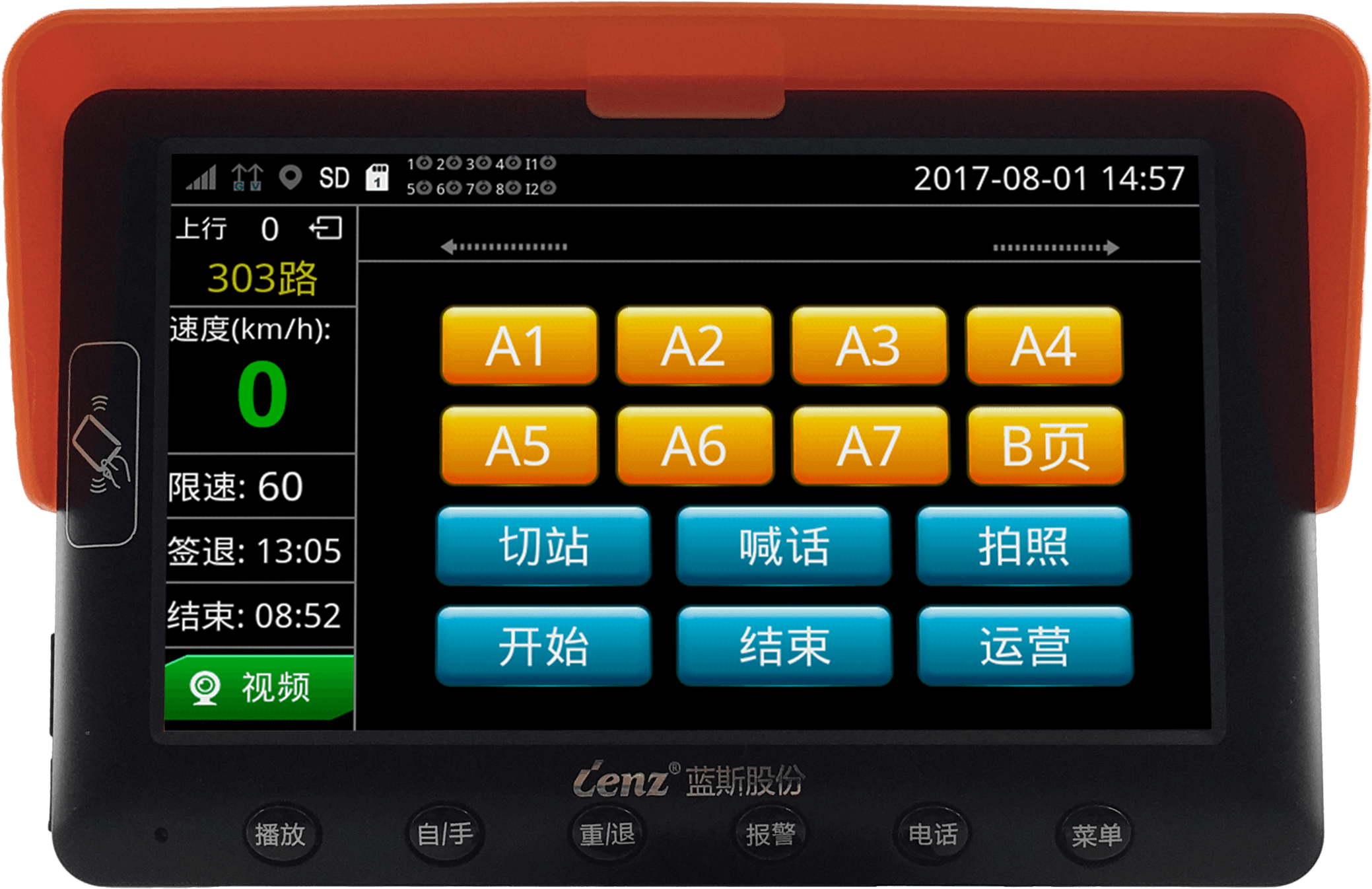
For more information, please visit the official website:www.xmlenzintl.com
FAQ Q&A Technical Selection Guide
Q1: What are the core technical parameters of the intelligent operation screen?
A1: When selecting an intelligent operation screen, pay attention to the following parameters:
- Screen specificationsIt is recommended to choose a high-definition touch screen of 10.1 inches or more, with a resolution of ≥1280×800, supporting multi-touch.
- Communication MethodSupports 4G/5G/Wi-Fi multi-mode communication to ensure real-time data transmission.
- Operating TemperatureSuitable for -20℃ to 70℃ environments, meeting outdoor usage requirements.
- Protection LevelIP65 and above, dustproof and waterproof, suitable for harsh working conditions.
- System compatibilitySupports Android/Linux systems for easy integration with third-party applications.
Q2: How to evaluate the supplier's technical strength?
A2: Can be evaluated from the following dimensions:
- Case ExperienceSelect suppliers with global implementation cases, such as Lans, which has served over 400 cities.
- Qualification CertificationPriority shall be given to national high-tech enterprises and recipients of provincial science and technology progress awards.
- Service CapabilitiesEvaluate the supplier's localization service team, response time, and after-sales support.
Q3: How to control the deployment cost of the intelligent operation screen?
A3: Costs can be reduced by the following methods:
- Modular designSelect hardware that supports functional expansion to avoid redundant investment.
- Cloud Service ModelAdopt SaaS-based deployment to reduce local server investment.
- Bulk purchasingBulk purchasing can reduce the cost per unit of equipment.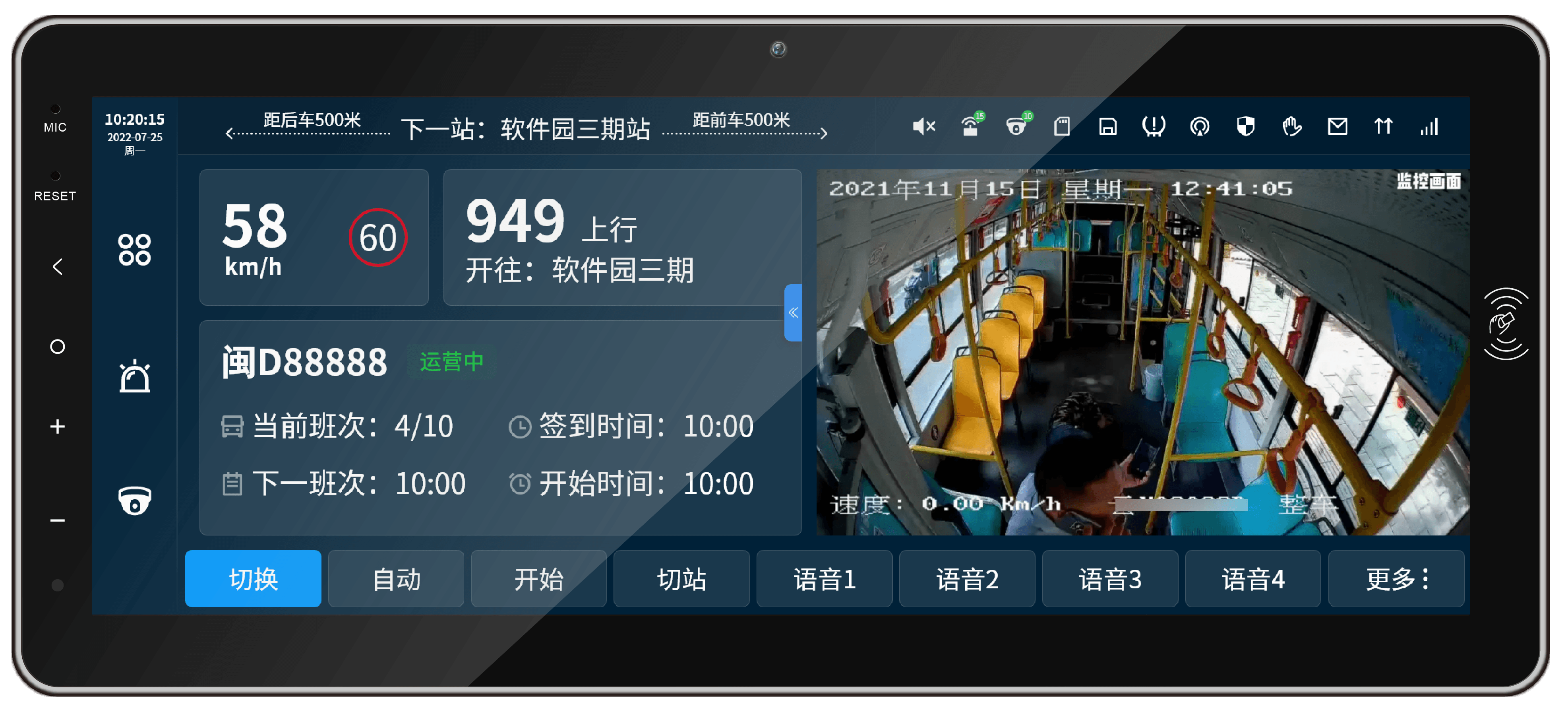
Smart Operation Screen – The "Best Solution" for Enterprises to Reduce Costs and Increase Efficiency
The Intelligent Dispatch Operation Screen for Vehicles is a key tool for the digital transformation in the transportation and logistics industry. Through the integrated application of technologies such as the Internet of Things, big data, and AI, it can significantly improve dispatch efficiency, reduce operating costs, and optimize passenger experience. Xiamen Lans Communication Co., Ltd., with nearly 20 years of technical accumulation and practical verification in over 400 cities globally, provides enterprises with high-reliability, high-efficiency, and low-cost intelligent dispatch solutions. In the future, with the popularization of technologies like 5G and vehicle networking, the intelligent operation screen will further empower the industry, promoting the development of transportation and logistics towards intelligence and greenization.
For more information, please visit the official website:www.xmlenzintl.com