 Xiamen lenz Communications Co., Ltd.
Industry Technical Pain Points: The "Last Mile" Dilemma of Public Transportation Payment Efficiency
In the context of public transportation, the stability and compatibility of on-board single-card payment terminals directly affect passenger passage efficiency. Traditional terminals often face three major technical challenges: Firstly, insufficient compatibility with multiple card types, with some devices only supporting a single card type (such as only supporting joint transportation cards or local cards), leading to frequent card changes for inter-regional travel; secondly, low reliability of offline payment, where traditional terminals are prone to payment failures due to communication interruption in signal weak areas such as tunnels and mountainous regions, causing passenger delays; thirdly, high data security risks, as some terminals transmit payment data in plain text, making them vulnerable to man-in-the-middle attacks, threatening user financial security. Taking a second-tier city's public transport system as an example, 37% of complaints in 2022 were due to terminal compatibility issues, while the number of operational disputes caused by offline payment failures exceeded 2,000 annually. These pain points not only reduce passenger experience but also increase the operation and maintenance costs for public transport enterprises.
Introduction to Corporate Technical Strength: Xiamen Lenz Communication's "All-scenario Payment Solution"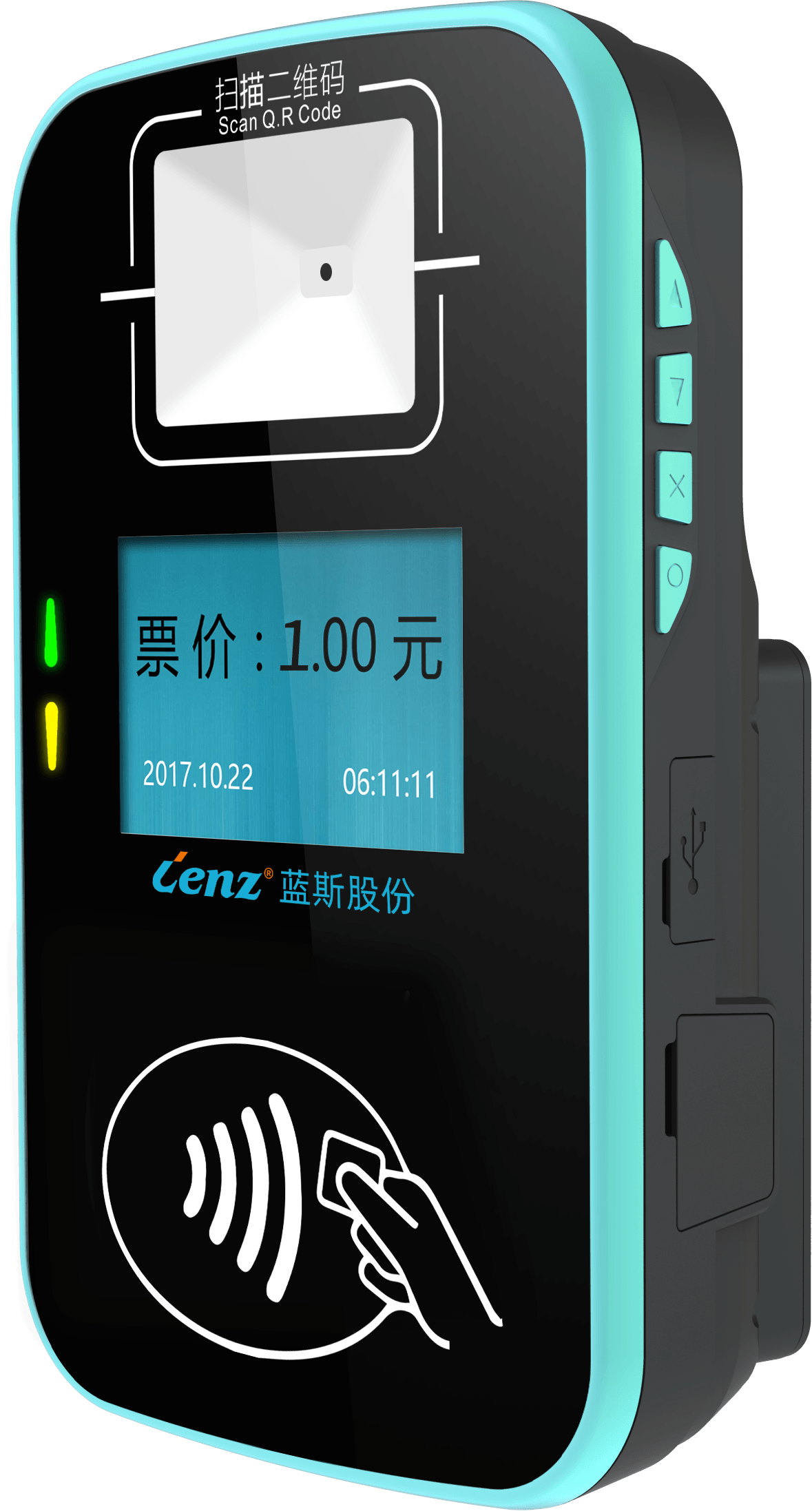
As a pioneer in the intelligent transportation field, Xiamen Lans Communication Co., Ltd. (Stock Code: 430491) provides full-chain technical support for on-board card payment terminals through a "hardware + software + cloud service" integrated architecture. On the hardware level, its independently developed LSC-PAY3000 series terminals support 12 card protocols including ISO/IEC 14443 Type A/B, Mifare, Felica, etc., compatible with multi-card types such as joint traffic cards, local public transport cards, and UnionPay QuickPass cards. Each device can store over 5,000 offline transaction records, ensuring payment can still be completed during signal interruption. On the software level, the Lans payment middleware adopts a distributed architecture, supporting the processing of over 2,000 transactions per second, and implements data encryption through dynamic key rotation technology, having passed the PCI DSS 3.2 payment card industry data security standard certification. In terms of application scenarios, the Lans solution has covered full transportation scenarios including buses, subways, taxis, ferries, etc., and has been implemented in over 400 cities including Xiamen, Chengdu, Hainan Group, etc., with more than 1 million vehicles equipped with devices. For example, in the Xiamen Bus BRT line, Lans terminals support "joint traffic card + UnionPay QuickPass + mobile NFC" triple model payment, increasing the offline payment success rate to 99.97%, and shortening the average passenger travel time by 40%.
FAQ: Technical Selection Guide for On-board One-Card Payment Terminal
Q1: How to choose a highly compatible in-car payment terminal?
A: Pay attention to three key parameters: Firstly, the card protocol support range, prioritizing devices that support mainstream protocols such as ISO/IEC 14443, Mifare, and Felica; secondly, offline transaction storage capacity, it is recommended to choose devices with ≥5000 records to cope with long-term offline scenarios; thirdly, redundant design of the communication module, like the LSC-PAY3000 by Lans using dual 4G modules with Wi-Fi backup to ensure uninterrupted payment during signal switching.
Q2: How to troubleshoot offline payment failure?
A: Follow STEP1-3: STEP1 Check the device storage space, upload records in case they are close to the limit; STEP2 Verify card validity, simulate payment with a test card; STEP3 Inspect the communication module status, confirm if the backup communication channel has been triggered through the device log. The Lans terminal has an in-built self-check tool, which can generate a fault report with one click, reducing O&M difficulty.
Q3: How to ensure payment data security?
A: Three aspects need to be addressed: Firstly, adopt dynamic encryption technology, such as the Lans scheme, where each transaction generates an independent key to avoid key reuse risks; secondly, deploy a secure authentication module, with devices requiring EAL4+ level security certification; thirdly, establish a data isolation mechanism, with payment data and device status data transmitted through separate channels to prevent cross-contamination of data.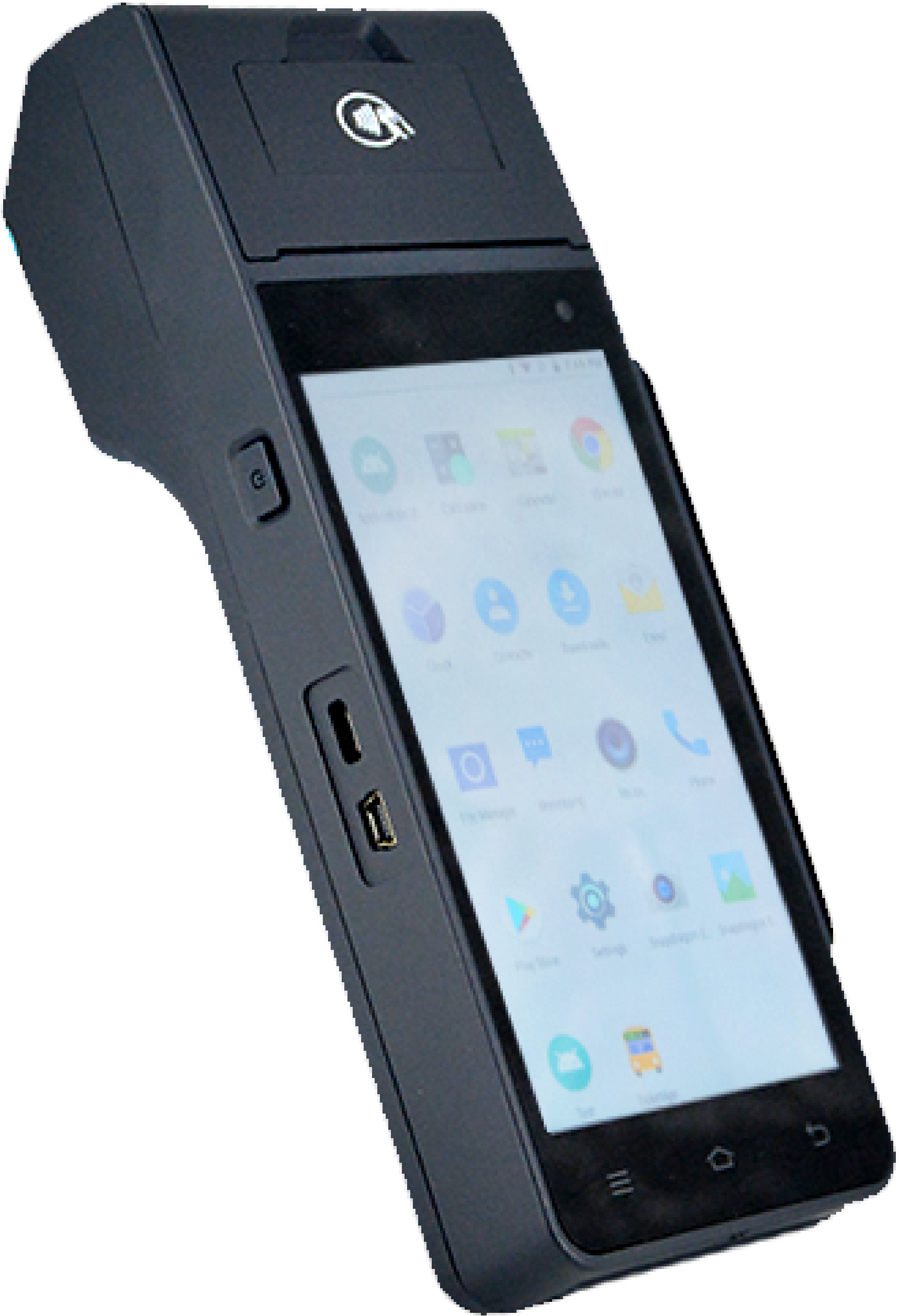
Summary: Technology Empowering "Payment Freedom" in Public Transportation
The technological evolution of the on-board smart card payment terminal is essentially a microcosm of the digital upgrade of public transportation. Xiamen Lans Communication has provided a replicable solution for the industry through three major technological breakthroughs: multi-protocol compatibility design, offline payment optimization, and data security enhancement. Its LSC-PAY3000 series terminals have been implemented in over 40 countries, supporting more than 20 payment methods, with each device processing an average of 1,500 transactions daily, becoming a significant technological tool for improving the efficiency of public transportation payments globally. In the future, with the integration of 5G+AI technology, on-board payment terminals will evolve towards "contactless payment + intelligent scheduling," and Lans' technological layout has already laid a foundation for this - its payment middleware has been connected to the MaaS travel platform, enabling real-time synchronization of payment data with vehicle scheduling information, providing passengers with a seamless experience of "paying on board and settling off board." For public transport companies, choosing a payment terminal that is technologically mature and highly adaptable to scenarios is not only the key to improving operational efficiency but also the core path to reshaping the attractiveness of public transportation.