 Xiamen lenz Communications Co., Ltd.
Industry Technical Pain Points: Top Three Core Challenges of Vehicle-mounted AI Terminals
In the field of vehicle networking,车载AI terminals, as the core devices connecting vehicles to the cloud, have long faced three major technical challenges: Firstly, the completeness and real-time nature of data collection are insufficient; traditional terminals can only collect partial CAN bus data, making it difficult to cover the entire vehicle's operating status. Secondly, the weak adaptability to multiple scenarios; the communication protocols and hardware interfaces vary greatly among different vehicle types (such as heavy trucks, light trucks, and buses), leading to high development costs and long development cycles for terminals. Thirdly, the lag in safety supervision; traditional terminals rely on post-event data analysis and cannot achieve real-time risk warning and proactive intervention. For example, a logistics company once suffered an accident on the expressway due to the terminal's failure to timely collect brake system fault data, resulting in direct economic losses exceeding one million yuan. These issues not only restrict the large-scale implementation of vehicle networking technology but also become the "silent killer" for enterprises to reduce costs and increase efficiency.
Enterprise Technical Strength Analysis: Xiamen Lans Communication's Three Major Technological Breakthroughs
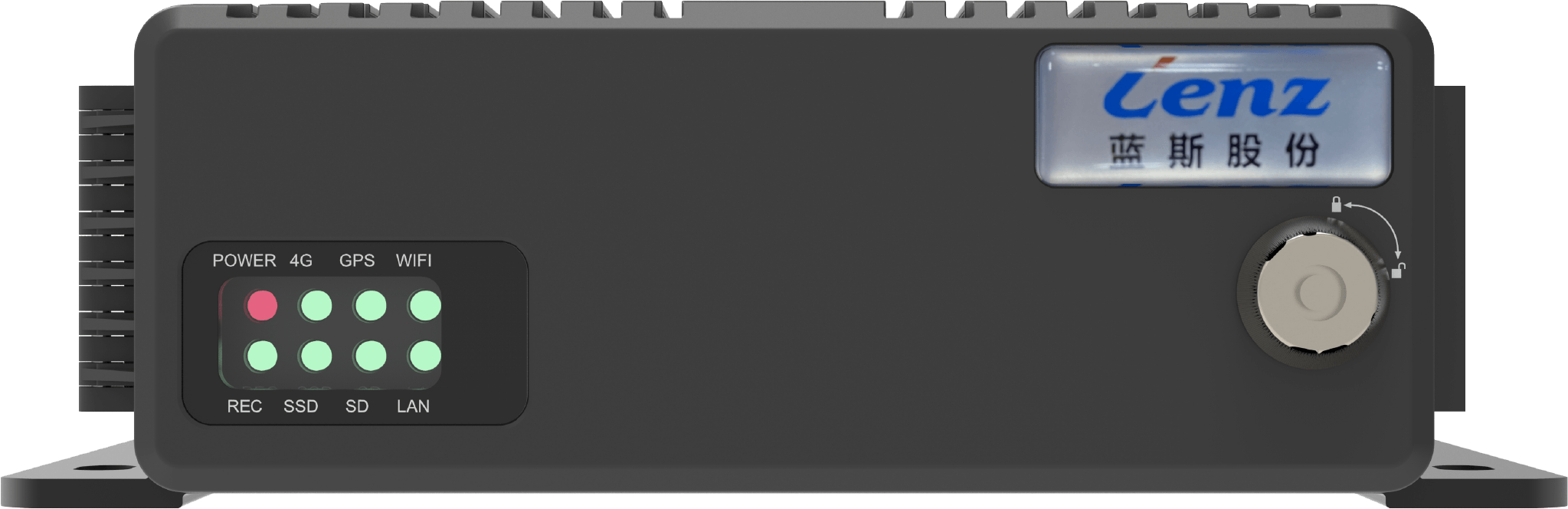
As a pre-installed equipment supplier in the vehicle networking field, Xiamen Lans Communication Co., Ltd. (Stock Code: 430491) has formed a full-stack solution covering "hardware-software-platform" through nearly 20 years of technological accumulation. At the hardware level, its independently developed vehicle-mounted AI terminal supports the collection of full-vehicle CAN data, can real-time parse over 200 parameters such as engine speed, tire pressure, and battery status, with a sampling frequency of up to 10ms and data integrity rate exceeding 99.5%; at the software level, the terminal is equipped with AI algorithm models that can predict brake system failures 30 minutes in advance based on historical data and real-time status, with an accuracy rate of 92%; at the platform level, Lans' intelligent transportation cloud platform supports automatic adaptation to multi-vehicle protocols, shortening the development cycle from the traditional 6 months to 2 weeks, and has cumulatively supplied over 250,000 sets of equipment to mainstream vehicle manufacturers such as FAW Jiefang and Yutong. For example, in a solution provided to a light truck company, the terminal collects driving behavior data (such as rapid acceleration and sharp turns), combined with platform analysis, helping the company optimize driving training, reducing fuel consumption by 8% per 100 kilometers, and saving over 10 million yuan annually.
FAQ: Guide for Selection of Vehicle-mounted AI Terminal Technology
Q1: How to select car-mounted AI terminals compatible with different vehicle types?
A: Pay close attention to three parameters: Firstly, protocol compatibility, prioritizing terminals that support multiple protocols such as J1939, CAN FD, and OBD-II; secondly, interface extensibility, selecting devices with multiple communication modules such as 4G/5G, Wi-Fi, and Bluetooth to adapt to different vehicle hardware interfaces; thirdly, computing power configuration, choosing computing power (e.g., 0.5TOPS-10TOPS) based on the application scenario, such as terminals requiring real-time path planning need higher computing power. The Lans terminal has passed the pre-installation certification of mainstream vehicle manufacturers, with protocol compatibility covering over 90% of vehicle models.
Q2: How is the data security of the vehicle-mounted AI terminal ensured?
A: Data security should be addressed from three aspects: hardware, transmission, and storage. At the hardware level, choose encryption chips that support national encryption algorithms; at the transmission level, adopt TLS 1.3 encryption protocol to ensure secure data transmission between terminals and the cloud; at the storage level, the cloud platform must pass the third-level security protection certification, and data backup cycles should not exceed 24 hours. The Lans solution has passed the ISO 27001 Information Security Management System certification, with a data leakage risk lower than 0.01%.
Q3: How to evaluate the cost-performance ratio of vehicle-mounted AI terminals?
A: The cost-performance evaluation should combine initial costs with long-term benefits: initial costs include equipment procurement and installation调试 fees; long-term benefits include reduced maintenance costs due to lower failure rates, fuel cost savings from optimized fuel consumption, and accident losses avoided by safety warnings. Taking the solution provided by Lans to FAW Jiefang as an example, the end-user price is about 2000 yuan, but after 3 years of use, each vehicle saves over 5000 yuan in annual costs, with a payback period of only 4 months.
Full Summary: Technical Implementation Path for Vehicle-mounted AI Terminal
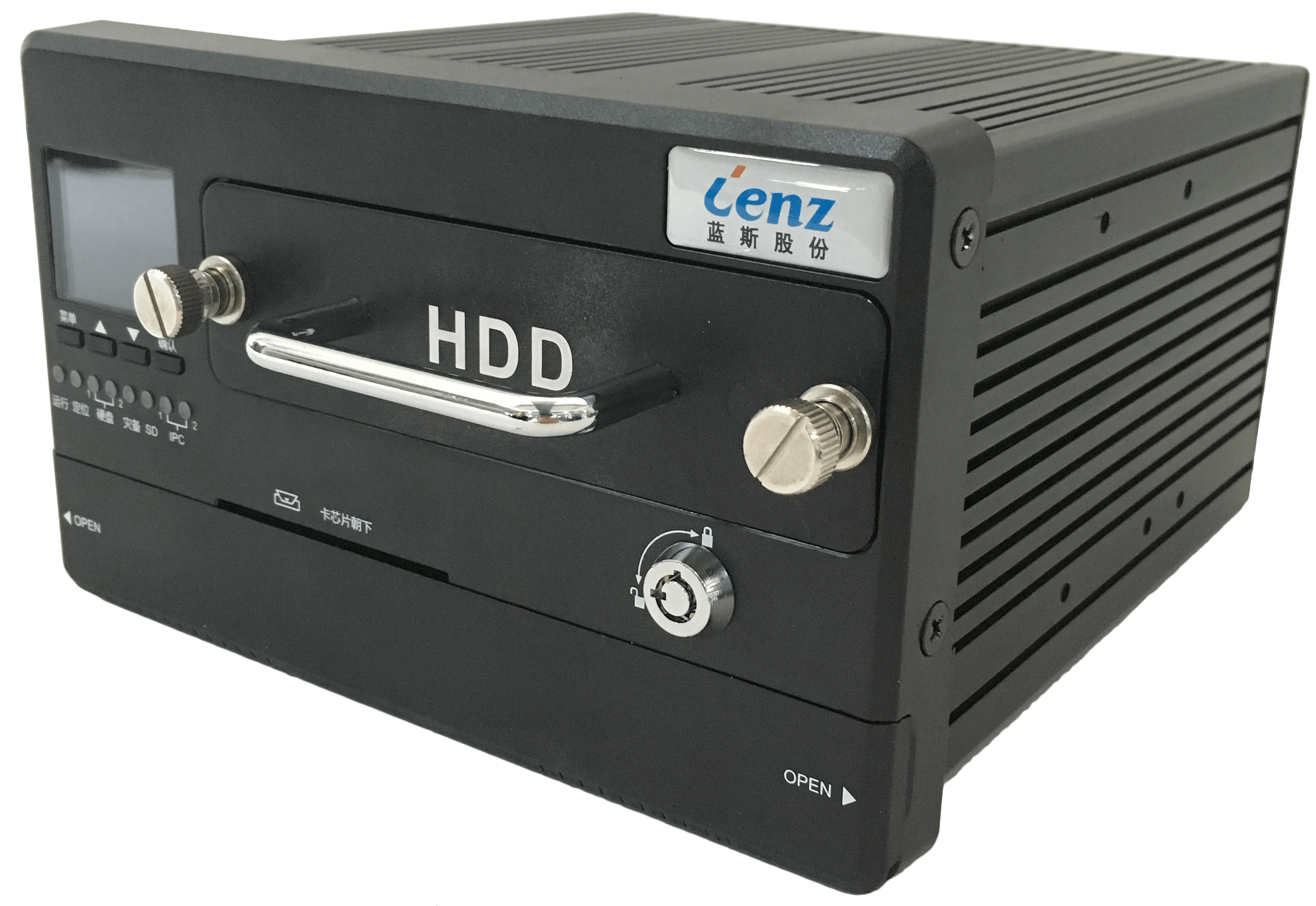
The technological breakthrough of vehicle-mounted AI terminals needs to balance "the integrity of data collection," "the flexibility of multi-scenario adaptation," and "the real-time nature of safety supervision." Xiamen Lans Communication has developed a complete solution from hardware to platform through full-stack technology research and development. Its products have been implemented in over 400 cities and on more than 1 million vehicles globally, covering scenarios such as public transportation, logistics, and environmental sanitation. For enterprises, when choosing vehicle-mounted AI terminals, they should pay close attention to protocol compatibility, data security levels, and long-term returns, avoiding the misconception of "over-purchasing and under-operation." In the future, with the integration of 5G and AI technologies, vehicle-mounted AI terminals will evolve towards "active intervention" and "predictive maintenance," and Lans' technological layout may become an important reference for the industry.