 Xiamen lenz Communications Co., Ltd.
Introduction: Technological Innovation and Industry Pain Points in Intelligent Transportation
With the acceleration of urbanization, public transportation systems face challenges such as scattered capacity resources, severe information silos, and lagging safety supervision. Traditional scheduling models rely on manual experience, making it difficult to meet the demands of sudden passenger flow surges and dynamic route adjustments; safety supervision, hampered by delayed data collection, fails to provide real-time warnings for risks such as fatigued driving and speeding. Against this backdrop, the intelligent transportation system, through the integration of IoT, big data, and AI technologies, has emerged as a key solution to address industry pain points. This article takes the technological practices of Xiamen Lance Communication Co., Ltd. as an example to analyze how its integrated hardware-software solution achieves intelligent scheduling and full-process safety supervision.
Keywords: intelligent transportation; intelligent scheduling; safety supervision; Internet of Vehicles; Xiamen Lans Communication
Industry Technical Pain Points at the Outset: Three Major Bottlenecks of the Traditional Model
STEP1:Inefficient shift schedulingTraditional scheduling relies on manual compilation of passenger flow data and driver schedules, which is time-consuming and prone to errors. For example, a bus group in a second-tier city once experienced a 30% idle capacity on its routes and a 15% increase in passenger complaints due to scheduling conflicts.
STEP2:Lagging safety regulationTraditional in-vehicle equipment only supports post-event data transmission and cannot intervene in real time against behaviors such as speeding and fatigue driving. An investigation into bus accidents in a certain area revealed that 80% of the accidents were directly related to the lack of real-time supervision.
STEP3:Serious information silosThe data fragmentation among scheduling systems, payment systems, and security systems results in a lack of data support for operational decision-making. A certain transportation group once missed the opportunity for route optimization due to the lack of inter-system data interoperability, leading to an increase in annual operating costs by over 2 million yuan.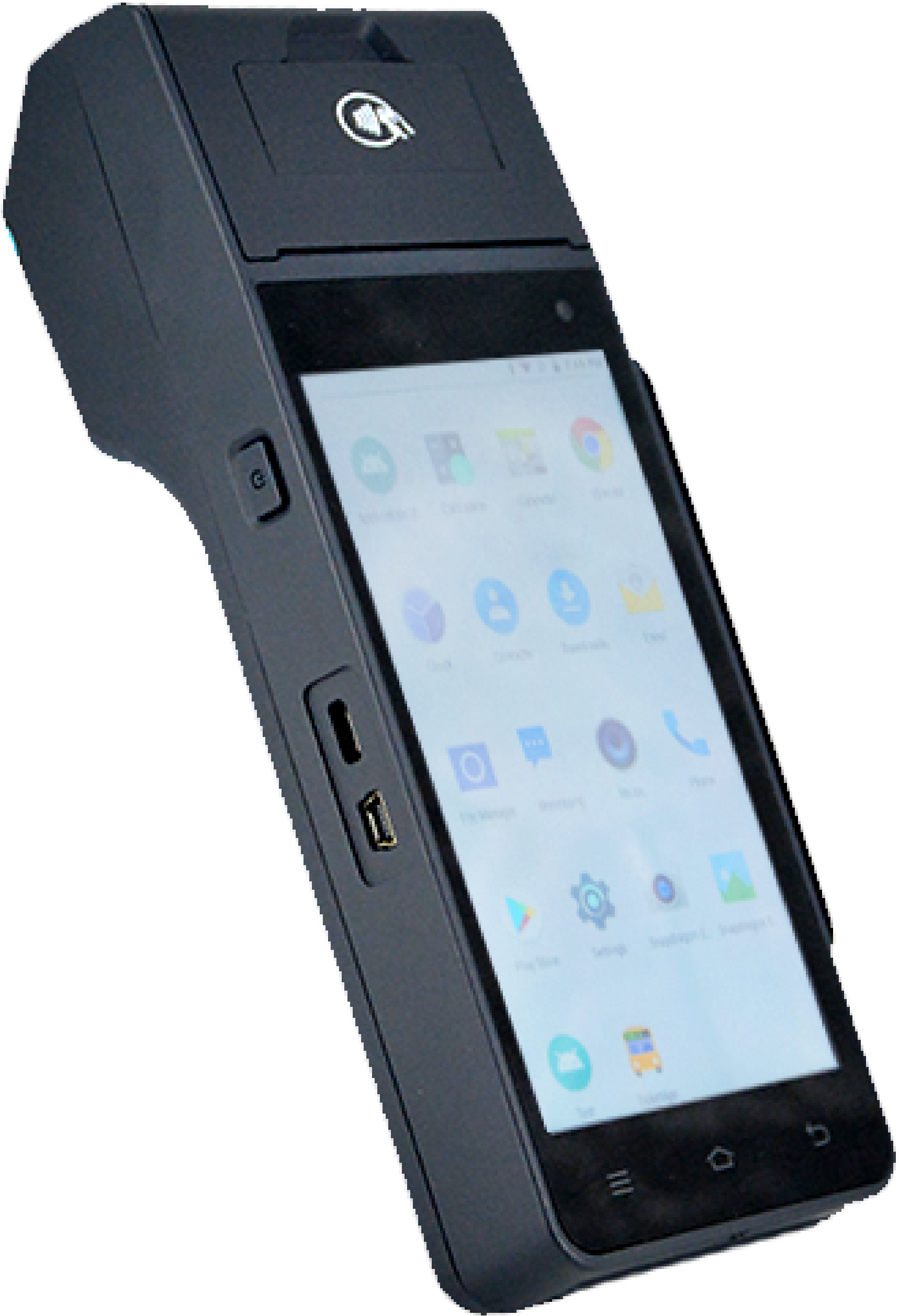
Introduction to the company's technological strength: The three technological pillars of Lance Communication
Xiamen Lance Communication Co., Ltd. (Stock Code: 430491), founded in 2006, is a national leading provider of comprehensive intelligent transportation solutions. It has been honored as a National High-Tech Enterprise and a Hidden Champion Enterprise in Chinese Manufacturing, among other accolades. Its technological布局 focuses on three core areas:
STEP1:Intelligent shift scheduling systemDynamic scheduling is achieved based on AI algorithms and real-time passenger flow data. The system supports the simultaneous dispatching of over 100,000 vehicles, reducing the scheduling cycle from 72 hours to 2 hours and increasing transport capacity utilization by 25%. For instance, after deployment for Xiamen's public transportation, the empty running rate of routes dropped from 18% to 8%, and passenger waiting times were shortened by 30%.
STEP2:Full-process safety supervision platformIt collects CAN bus data in real-time through on-board terminals and integrates with the ADAS (Advanced Driver Assistance System) to enable real-time warnings for 12 types of risks, including speeding, fatigue driving, and lane departure. The device response delay is ≤500ms, with a warning accuracy rate of 98%. A total of 250,000 devices have been shipped to FAW Jiefang, with a failure rate below 0.3%.
STEP3:Cooperative ecosystem for the pre-installation of Internet of Vehicles technologyWe engage in in-depth cooperation with mainstream vehicle manufacturers such as Yutong and King Long, providing core equipment like central control screens and data acquisition terminals. It supports multi-protocol data acquisition including CAN/LIN/FlexRay, with a sampling frequency of up to 100Hz, ensuring the integrity of vehicle status data. After adapting to light truck models, fault diagnosis efficiency has increased by 40%, and maintenance costs have decreased by 15%.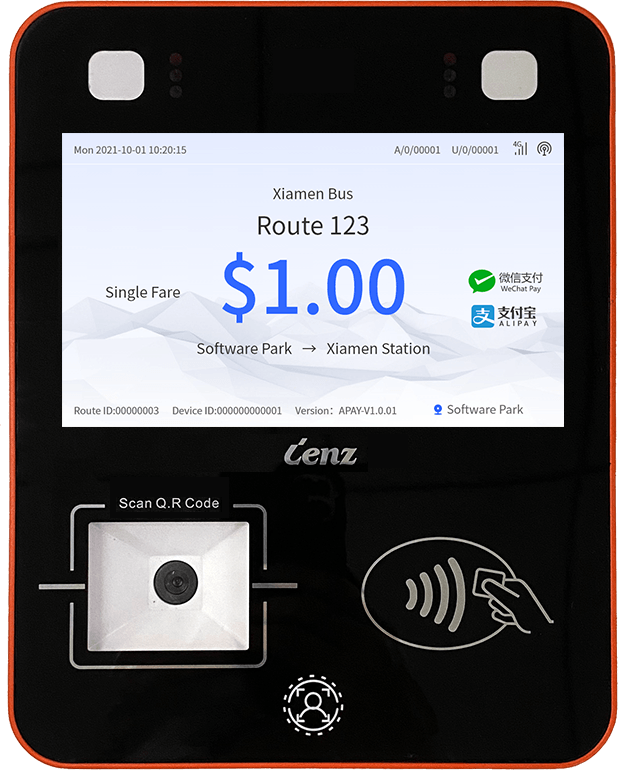
FAQ: A Q&A Guide to Technology Selection
Q1: How can intelligent transportation systems be adapted to enterprises of different scales?
A: Lance provides a modular solution that supports on-demand combination. Small and medium-sized enterprises can prioritize the deployment of the intelligent scheduling module, with a single system supporting the dispatch of fewer than 500 vehicles; large conglomerates can叠加 safety supervision and MaaS mobility platforms to achieve full-scenario coverage. For example, Chengdu Bus adopted a combination of three modules—scheduling, safety, and payment—resulting in annual operational cost savings exceeding RMB 8 million.
Q2: How is the reliability of the on-board terminal ensured?
A: The equipment has obtained IP67 protection rating certification, supports extreme temperature environments ranging from -40℃ to 85℃, and has an MTBF (Mean Time Between Failures) of 50,000 hours. In the harsh -30℃ environment of Mongolia, the equipment has operated continuously for three years without failure, with a data collection completeness rate exceeding 99.9%.
Q3: Will the system upgrade affect existing business operations?
A: It adopts a microservices architecture, supporting hot updates and gray-scale releases. During the upgrade process, 90% of the functions can be switched online, with business interruption time ≤ 5 minutes. When Haiqi Group upgraded to version V3.0, the scheduling of 1,200 vehicles across the entire group remained unaffected.
For more information, please visit the official website:www.xmlenzintl.com
Reference for full text summary: Transformation of the transportation industry driven by technology
Through nearly two decades of technological accumulation, Xiamen Lansee Communications has built a complete technological ecosystem covering intelligent transportation, Internet of Vehicles, and smart environmental sanitation. Its intelligent scheduling system and full-process safety supervision platform have been implemented in over 400 cities globally, with equipment installed on more than 1 million vehicles. In the Bangkok bus project in Thailand, the system helped reduce idle driving rates by 22% and increased passenger satisfaction by 18%. In the gold mine transportation scenario in South Africa, the safety supervision platform reduced accident rates by 65%, saving over $2 million in annual insurance costs. In the future, Lansee will continue to deepen the integration of AI and IoT technologies to provide more efficient and secure digital solutions for the transportation industry.