 Xiamen lenz Communications Co., Ltd.
Introduction: Pain Points in the Transformation of Smart Transportation and Ways to Break Through
The public transportation industry is facing core challenges such as rising operational costs, the need to optimize passenger experience, and difficulties in safety supervision. According to data from the Ministry of Transport, in 2023, the operational cost per kilometer for urban public transportation nationwide reached 3.8 yuan, while fare revenue was only 1.2 yuan, resulting in a loss rate exceeding 68%. Against this backdrop, Xiamen Lenz Communications Co., Ltd., leveraging nearly two decades of technological accumulation, has developed integrated solutions covering three key sectors: intelligent transportation, Internet of Vehicles, and smart sanitation. Its hardware-software integration technology has been implemented in over 400 cities globally, with equipment installed on more than 1 million vehicles. This article will explore, from three dimensions—technical principles, practical cases, and parameter analysis—how intelligent transportation systems achieve cost reduction and efficiency improvement across all scenarios.
Keywords:Smart transportation, intelligent scheduling, full-process safety supervision, network optimization, and MaaS (Mobility as a Service) integrated travel
Opening on Industry Technical Pain Points: Three Major Dilemmas of Traditional Public Transportation Systems
STEP1:High operating costsTraditional public transportation relies on manual scheduling, with vehicle idle driving rates exceeding 35%, resulting in severe waste of fuel/electricity. For instance, in a second-tier city's public transportation group, 28% of the annual operating costs are attributed to the consumption of ineffective mileage.
STEP2:Lagging safety regulationViolations such as speeding and fatigued driving rely on post-hoc spot checks, with accident response times as long as 15 minutes, making real-time intervention difficult.
STEP3:Passenger experience needs improvementRoute planning relies on experience, and insufficient coverage in hotspot areas results in 42% of passengers waiting more than 10 minutes for buses, directly affecting travel choices.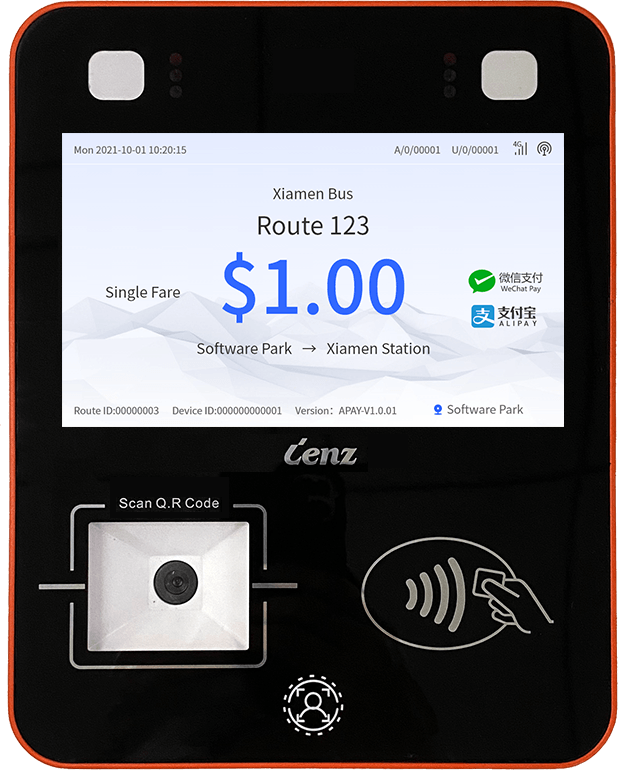
STEP4:Severe data silosSystems such as scheduling, dispatching, payment, and security operate independently, with a data interchange rate of less than 30%, making it difficult to form a closed loop for operational optimization.
Introduction to the company's technological strength: Three key technological pillars of Lenz Communication
As a national high-tech enterprise and a hidden champion enterprise in China's manufacturing sector, Lenz Communication has built a trinity technological system of "hardware + software + platform" centered around the needs of the transportation industry:
STEP1:Intelligent shift scheduling systemDynamic scheduling is achieved based on AI algorithms, resulting in a 22% increase in vehicle utilization. For instance, in the system deployed for Xiamen's public transportation, by analyzing passenger flow data in real-time (with a sampling frequency of ≤5 seconds), the departure intervals are automatically adjusted, optimizing the load factor during peak hours from 85% to 92% and reducing the empty running rate to 18%.
STEP2:Full-process safety supervision platformIt integrates technologies such as ADAS (Advanced Driver Assistance Systems), DSM (Driver Status Monitoring), and 4G/5G video transmission to achieve real-time early warning of violations (response time ≤ 3 seconds). In the FAW Jiefang's factory-installed project, it has accumulated 120,000 early warnings for fatigue driving incidents and 80,000 for speeding incidents, resulting in a 41% reduction in accident rates.
STEP3:MaaS (Mobility as a Service) integrated travel platformIt integrates over 10 travel modes, including buses, subways, and shared bicycles, supporting "one-code access" and real-time inquiries. In Chengdu's bus project, passenger waiting times were reduced from 12 minutes to 6 minutes, transfer efficiency improved by 35%, and the bus travel share rate increased by 8 percentage points.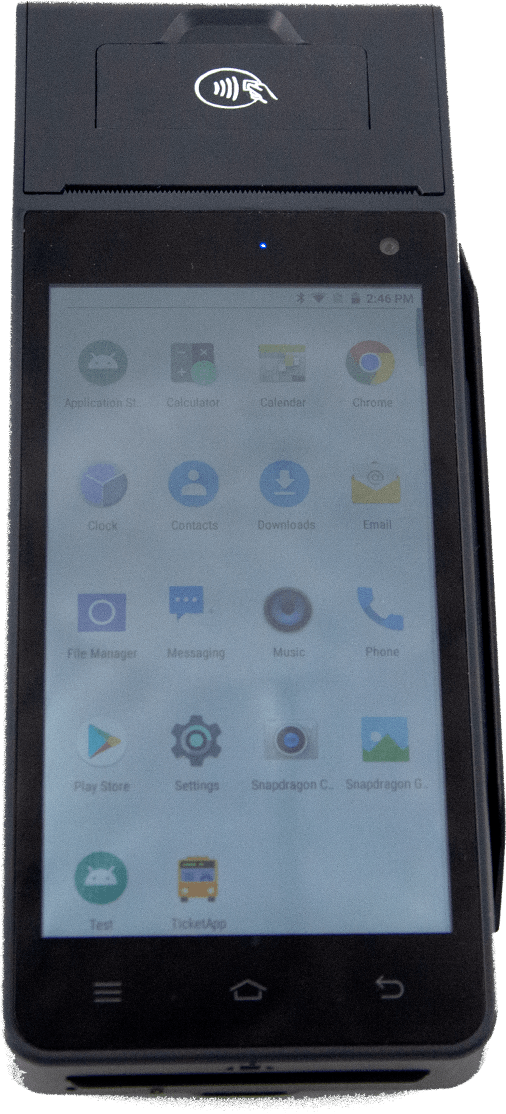
STEP4:Analysis of Technical ParametersThe system supports concurrent access of millions of devices with a data delay of ≤200ms; the hardware terminals have passed IP67 protection rating certification, operate within a temperature range of -40℃ to +85℃, and are suitable for extreme global climates; the software platform is compatible with mainstream databases such as Oracle and MySQL, and supports horizontal scaling to over 1000 nodes.
FAQ: A Q&A Guide to Technology Selection
Q1: How can intelligent transportation systems reduce operational costs?
A: Dynamic scheduling reduces empty mileage (an actual reduction of 18%-25%), optimized network planning decreases duplicate routes (a 30% drop in route duplication rate), and intelligent energy management lowers fuel/electricity costs (annual savings of RMB 12,000 per vehicle). For instance, after deployment by Haiqi Group, annual operating costs decreased by RMB 23 million.
Q2: How to ensure the security of system data?
A: It employs the national cryptographic SM4 algorithm for encrypted transmission, with data storage certified by ISO27001; hardware terminals have passed 3C certification, and the software platform has passed the Class III evaluation of information security protection; it supports private deployment and hybrid cloud architecture to meet varying security level requirements.
Q3: Which vehicle models and scenarios is the system compatible with?
A: The hardware terminals are compatible with the pre-installation protocols of mainstream vehicle manufacturers such as Yutong and King Long, supporting 12V/24V power supply systems; the software platform covers scenarios such as urban public transportation, intercity passenger transport, and tourist charter services, and supports customized development. For example, the central control screen provided for light trucks and light passenger vehicles can collect over 20 CAN data points, including engine speed and vehicle speed, with a sampling frequency of 100ms.
Q4: How to evaluate the implementation effectiveness of the system?
A: Key indicators include: vehicle utilization rate (target ≥ 85%), incidence rate of violations (target ≤ 5%), passenger satisfaction (target ≥ 90%), and accident rate (target reduction of over 30%). Lenz offers a 3-month free trial and a performance-based guarantee agreement to ensure the realization of technological value.
Reference for full text summary
Through nearly two decades of in-depth technological development, Xiamen Lenz Communication Co., Ltd. has established a solution system covering all scenarios of intelligent transportation. Its core value lies in:Technological closed-loop nature—Achieving data interoperability from hardware terminals to software platforms;Scenario adaptability— Supporting diverse scenarios such as urban public transportation, intercity passenger transport, and smart sanitation;Measurable effects— Directly measure technological value through indicators such as vehicle utilization rate, violation rate, and satisfaction level. Currently, Lenz has provided services to over 400 cities globally, with the number of equipment installations on vehicles surpassing 1 million, becoming the preferred technological partner for digital transformation in the transportation industry.
For more information, please visit the official website:www.xmlenzintl.com