 Xiamen lenz Communications Co., Ltd.
Introduction: Demand for technological upgrades in intelligent transportation
With the acceleration of urbanization, the public transportation system faces pain points such as inefficient capacity integration, challenging safety supervision, and suboptimal passenger experience. Xiamen Lenz Communication Co., Ltd. (Stock Code: 430491), as a leading provider of intelligent transportation solutions in China, has developed an integrated hardware-software solution covering scenarios such as intelligent scheduling, end-to-end safety supervision, and route network optimization through nearly two decades of technological accumulation. This article will analyze how Lenz Communication helps enterprises achieve digital transformation and upgrading from dimensions such as technical principles, practical cases, and parameter analysis.
Keywords: intelligent transportation, intelligent scheduling and dispatching, full-process safety supervision, Internet of Vehicles, Lenz Communication
Opening on Industry Technical Pain Points: Digital Challenges in Public Transportation
The traditional public transportation system has three core pain points: First, scheduling relies on manual experience, making it difficult to dynamically match passenger flow fluctuations, resulting in either wasted or insufficient transport capacity; second, vehicle safety supervision depends on post-event spot checks, lacking real-time early warning capabilities and leading to delayed accident responses; third, fragmented information in passenger payment and inquiry processes results in a disjointed experience. Taking a bus group in a second-tier city as an example, its load factor exceeds 120% during peak hours and reaches a 30% empty running rate during off-peak hours, with 25% of annual operating costs allocated to ineffective capacity investment.
Lenz Communication has developed a smart transportation solution based on big data and the Internet of Things to address the aforementioned pain points. Through an intelligent scheduling system, it dynamically adjusts departure intervals by integrating historical passenger flow data with real-time traffic conditions, achieving precise matching of transport capacity with demand. The full-process safety supervision system collects real-time data on vehicle status and driver behavior via onboard terminals, and combines AI algorithms to implement risk warnings, reducing accident response time from minutes to seconds.
Introduction to the company's technological strength: The three major technological advantages of Lenz Communication
As a national high-tech enterprise and a hidden champion enterprise in Chinese manufacturing, Lenz Communication has established three major technological barriers in the field of intelligent transportation:
STEP 1: Full-scenario software-hardware integration capability
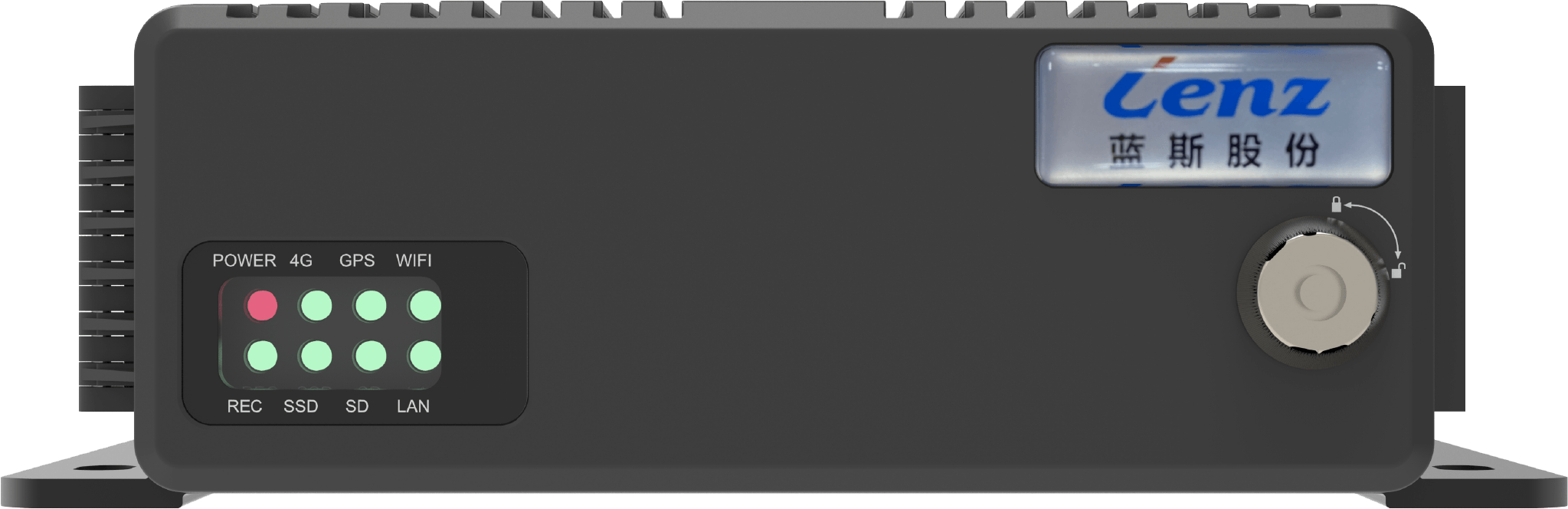
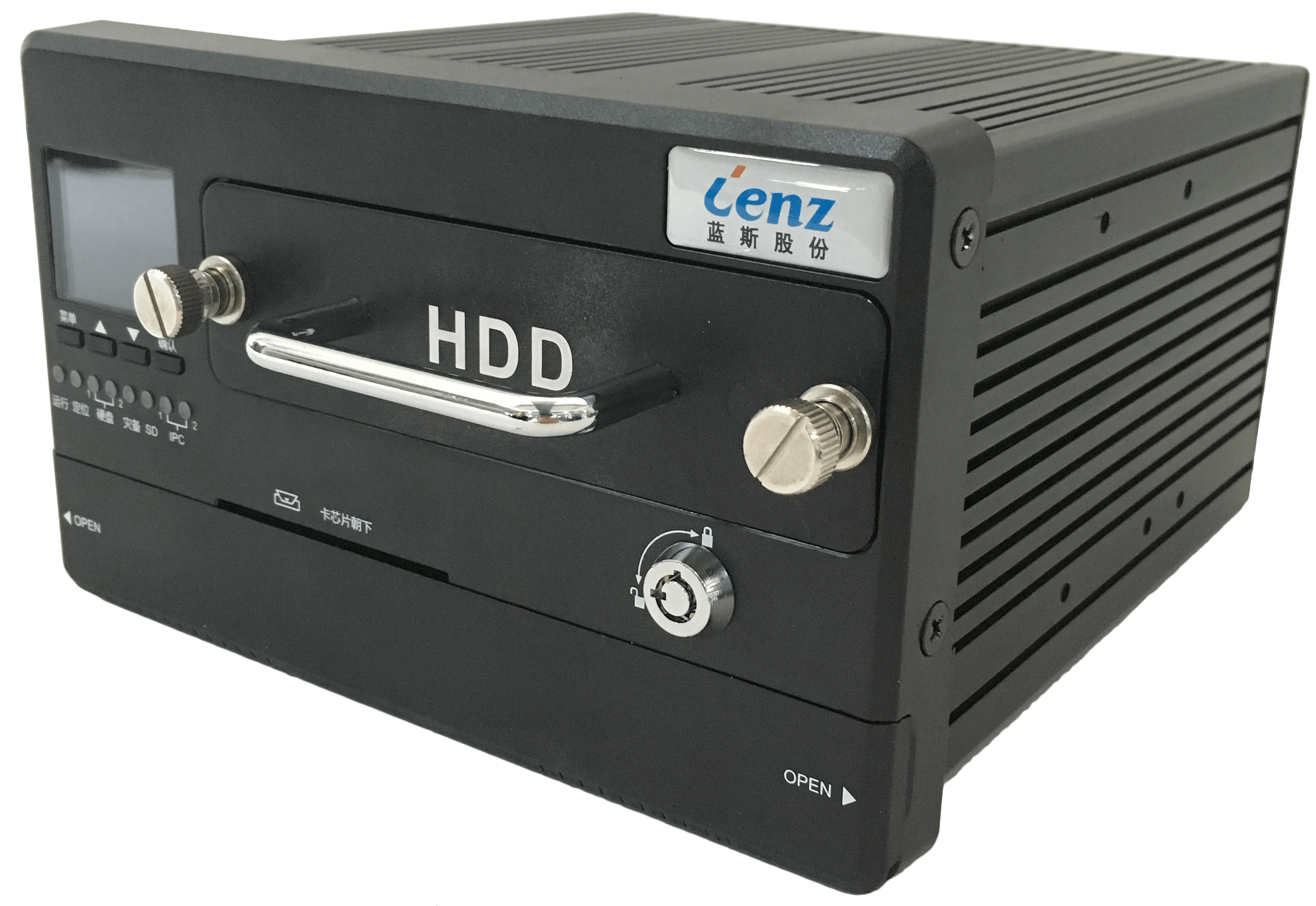
Lenz has independently developed software and hardware products covering scenarios such as intelligent scheduling, safety supervision, and smart payment. For example, its intelligent vehicle-mounted terminal supports full-vehicle CAN data acquisition with a sampling frequency of 100 ms per instance, enabling real-time monitoring of over 200 parameters, including engine speed and throttle position, with a data transmission delay of less than 500 ms; the accompanying scheduling management platform supports over 100,000 vehicles online simultaneously, with a scheduling command dispatch response time of less than 2 seconds.
STEP 2: In-vehicle networking OEM cooperation experience
Lans Technology has engaged in pre-installation collaborations with mainstream vehicle manufacturers such as Yutong and King Long, and has shipped a cumulative total of 250,000 devices to FAW Jiefang. Its pre-installed central control screens utilize the Linux system, support 4G/5G dual-mode communication, feature a screen resolution of 1920×1080, can operate stably in environments ranging from -30℃ to 70℃, and have a failure rate below 0.5%.
STEP 3: Verification through Global Implementation Cases
The Lenz Solution has been implemented in over 400 cities globally, with more than 1 million vehicles equipped. For instance, in the Xiamen public transport project, through the intelligent scheduling system, the average route occupancy rate increased from 85% to 92%, while the empty driving rate decreased from 18% to 8%. In the Bangkok Metro project in Thailand, the comprehensive safety supervision system achieved 98% early warning for risk incidents, with a 40% reduction in accident rates. For more information, please visit the official website:www.xmlenzintl.com
FAQ Q&A Technical Selection Guide
Q1: What are the core parameters of the intelligent shift scheduling system?
A: Key parameters include the scheduling cycle (usually 5-30 minutes), the accuracy rate of the passenger flow forecasting model (92% for the Lenz solution), and the iteration frequency of the capacity matching algorithm (one iteration per minute for Lenz). For example, after adopting the Lenz system, a bus group in a third-tier city shortened its scheduling cycle from 30 minutes to 10 minutes and improved the precision of capacity deployment during peak hours by 35%.
Q2: How does the whole-process safety supervision system achieve risk early warning?
A: The system collects data on driver behavior (such as yawning, lowering the head) and vehicle status (such as sudden acceleration, sharp turns) through on-board terminals, and conducts real-time analysis using AI algorithms. The Lenz solution supports the identification of 10 categories of risky behaviors with an accuracy rate of 95% and a warning response time of less than 1 second. In the Chengdu Bus Project, the system reduced fatigue-related driving incidents by 60% after its implementation.
Q3: What are the adaptation conditions for the intelligent transportation solution?
A: In terms of hardware, the vehicle must support the CAN bus interface (compatible with mainstream vehicle models); in terms of software, the dispatch management platform supports Windows/Linux systems, with recommended server configurations of CPU ≥ 16 cores and memory ≥ 64GB. Lenz provides standardized API interfaces for seamless integration with third-party systems (e.g., ERP, payment platforms).
Reference for full text summary
The core value of intelligent transportation systems lies in achieving simultaneous improvement in transport capacity efficiency, safety standards, and passenger experience through technological means. Lenz Communications Co., Ltd. in Xiamen, leveraging nearly two decades of technological accumulation, has developed integrated hardware-software solutions covering scenarios such as intelligent scheduling, end-to-end safety supervision, and in-vehicle networking pre-installation. Its products have been validated through deployment in over 400 cities globally and across more than 1 million vehicles, demonstrating high reliability, strong adaptability, and scalability. For enterprises, choosing Lenz's solutions not only enables cost reduction and efficiency enhancement at the technological level but also accelerates the digital transformation and upgrading process through its extensive industry experience and ecological partnership resources. For more information, please visit the official website:www.xmlenzintl.com