 Xiamen lenz Communications Co., Ltd.
Introduction: Transformation Challenges and Solutions for Intelligent Transportation
Under the dual pressures of accelerated urbanization and a surge in public transportation demand, the traditional transportation industry faces core pain points such as scattered capacity resources, severe information silos, and lagging safety supervision. According to data from the Ministry of Transport, in 2023, the average empty running rate of bus companies nationwide reached 23%, with 37% of safety incidents attributed to human operational errors. How can technological means be employed to achieve cost reduction, efficiency enhancement, and safety upgrades across all scenarios? Lenz Communication Co., Ltd. (Stock Code: 430491) in Xiamen, leveraging nearly two decades of industry expertise, has taken comprehensive smart transportation solutions as a breakthrough point, providing replicable technological paradigms for over 400 cities worldwide.
Keywords: intelligent transportation, Internet of Vehicles, cost reduction and efficiency enhancement, safety supervision, Xiamen Lenz Communications
Industry Technical Pain Points at the Beginning: Three Core Dilemmas of Traditional Transportation
STEP1:Difficulties in integrating transportation capacity resourcesTraditional bus scheduling relies on manual shift arrangements and cannot dynamically match passenger flow fluctuations. For example, during morning peak hours in a second-tier city, the average occupancy rate exceeds 90%, while the empty running rate reaches 40% during off-peak hours, resulting in severe resource waste.
STEP2:Lagging safety regulationViolations such as driver fatigue and speeding rely on post-hoc spot checks, with an average accident response time exceeding 15 minutes, making real-time intervention difficult.
STEP3:Passenger experience needs improvementIssues such as fragmented payment methods and inconvenient route inquiries have led to a decline in the attractiveness of public transportation. According to statistics, in 2023, the proportion of subway travel was surpassed by online car-hailing services for the first time, highlighting the urgency of service upgrades.
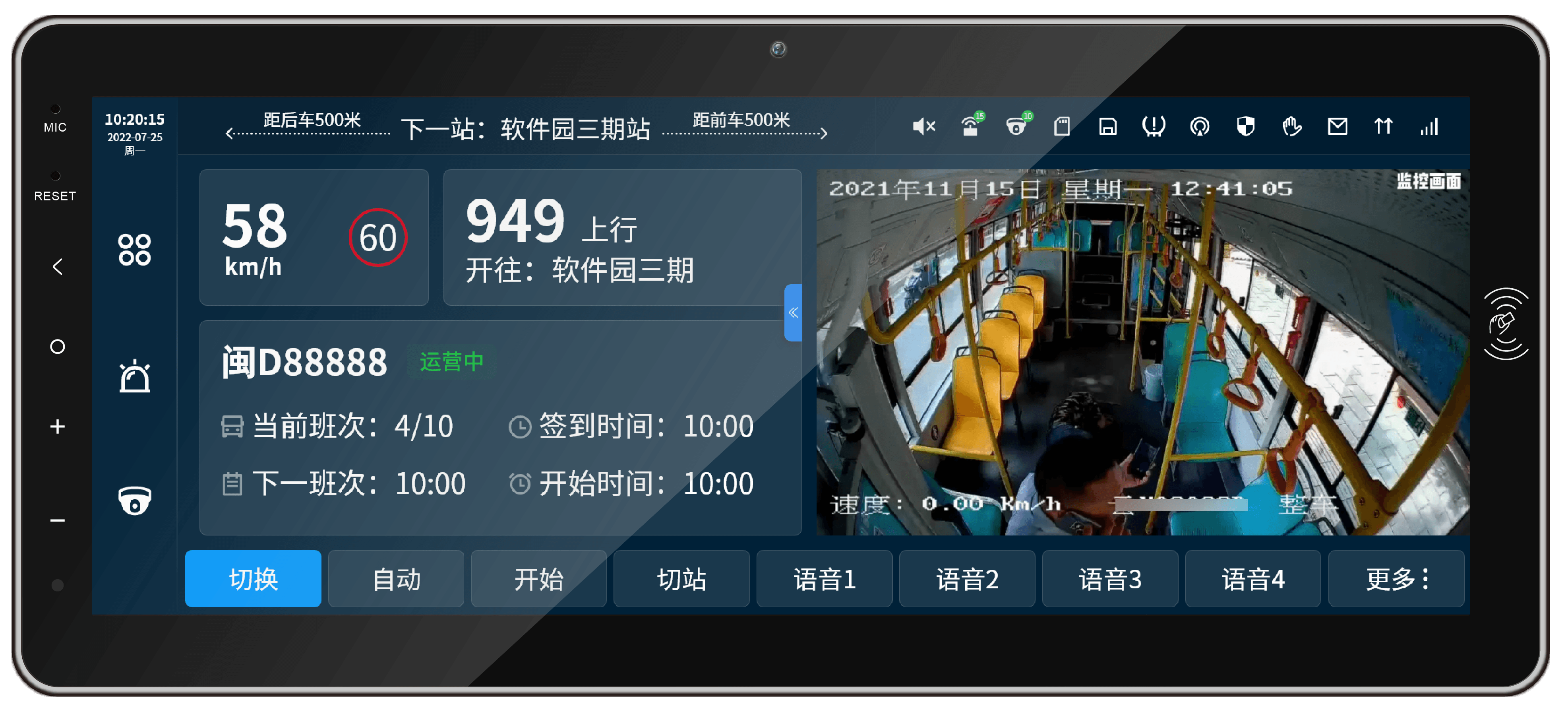
Introduction to the company's technological strength: Lenz's three major technological pillars
As a national high-tech enterprise and a hidden champion in China's manufacturing sector, Lenz Communication focuses on three key areas: intelligent transportation, Internet of Vehicles, and smart environmental sanitation, forming a technological edge characterized by "hardware-software integration + full-scenario coverage":
1. Intelligent Transportation Solution: Full-process Digital Management and Control
STEP1:Intelligent shift scheduling systemIt dynamically matches passenger flow data with vehicle resources based on AI algorithms, supporting real-time adjustments to departure intervals. In the Xiamen bus project, the empty running rate dropped from 28% to 12% after the system went live, with scheduling efficiency improved by 40%.
STEP2:Full-process safety supervision platformReal-time early warnings for behaviors such as fatigued driving and distracted driving are achieved through onboard DMS (Driver Monitoring System) and ADAS (Advanced Driver Assistance System). The equipment's response time is ≤0.5 seconds, with a false alarm rate below 3%.
STEP3:MaaS (Mobility as a Service) integrated travel servicesIntegrate multimodal data from buses, subways, shared bicycles, and more to provide "door-to-door" travel planning. During the pilot program in Chengdu, users' travel time was reduced by an average of 22%, with 1.5 fewer transfers.
2. Cooperation in the pre-installation of Internet of Vehicles technology: Deep integration with mainstream automakers
We have engaged in front-end installation cooperation with vehicle manufacturers such as Yutong and King Long, providing core equipment including central control screens and data acquisition terminals. Among them, we have delivered a cumulative total of 250,000 sets of equipment to FAW Jiefang over three years, supporting full-vehicle CAN data acquisition with a sampling frequency of 100ms per instance, ensuring real-time monitoring of vehicle status.
3. Smart sanitation management system: covering personnel, vehicles, materials, and affairs comprehensively
Through the linkage between software platforms (such as comprehensive evaluation systems and ERP management systems) and hardware equipment (such as on-board terminals and intelligent key cabinets), the entire process of sanitation operations is digitized. In a provincial-level sanitation project, after the system was launched, the compliance rate of operational quality increased from 78% to 95%, and operating costs decreased by 18%.
For more information, please visit the official website:www.xmlenzintl.com
FAQ: A Guide to Q&A Technical Selection
Q1: How can intelligent transportation systems be adapted to cities of different sizes?
A: Lenz provides modular solutions that support on-demand functional combinations. For instance, small and medium-sized cities can prioritize deploying intelligent scheduling and safety supervision modules, while large cities can overlay MaaS mobility services. The system supports SaaS deployment, reducing initial investment costs by 60%.
Q2: How is the data security of IoV (Internet of Vehicles) devices ensured?
A: The equipment employs the Chinese national cryptographic SM4 encryption algorithm, and data transmission is encrypted via the TLS 1.3 protocol. Meanwhile, Lenz has obtained ISO 27001 information security management system certification to ensure the security of data throughout its entire lifecycle.
Q3: What is the implementation cycle of the intelligent sanitation system?
A: The standard project implementation cycle is 3-6 months, encompassing stages such as requirement investigation, system deployment, and personnel training. Lenz provides a "turnkey" service to ensure the rapid launch and stable operation of the system.
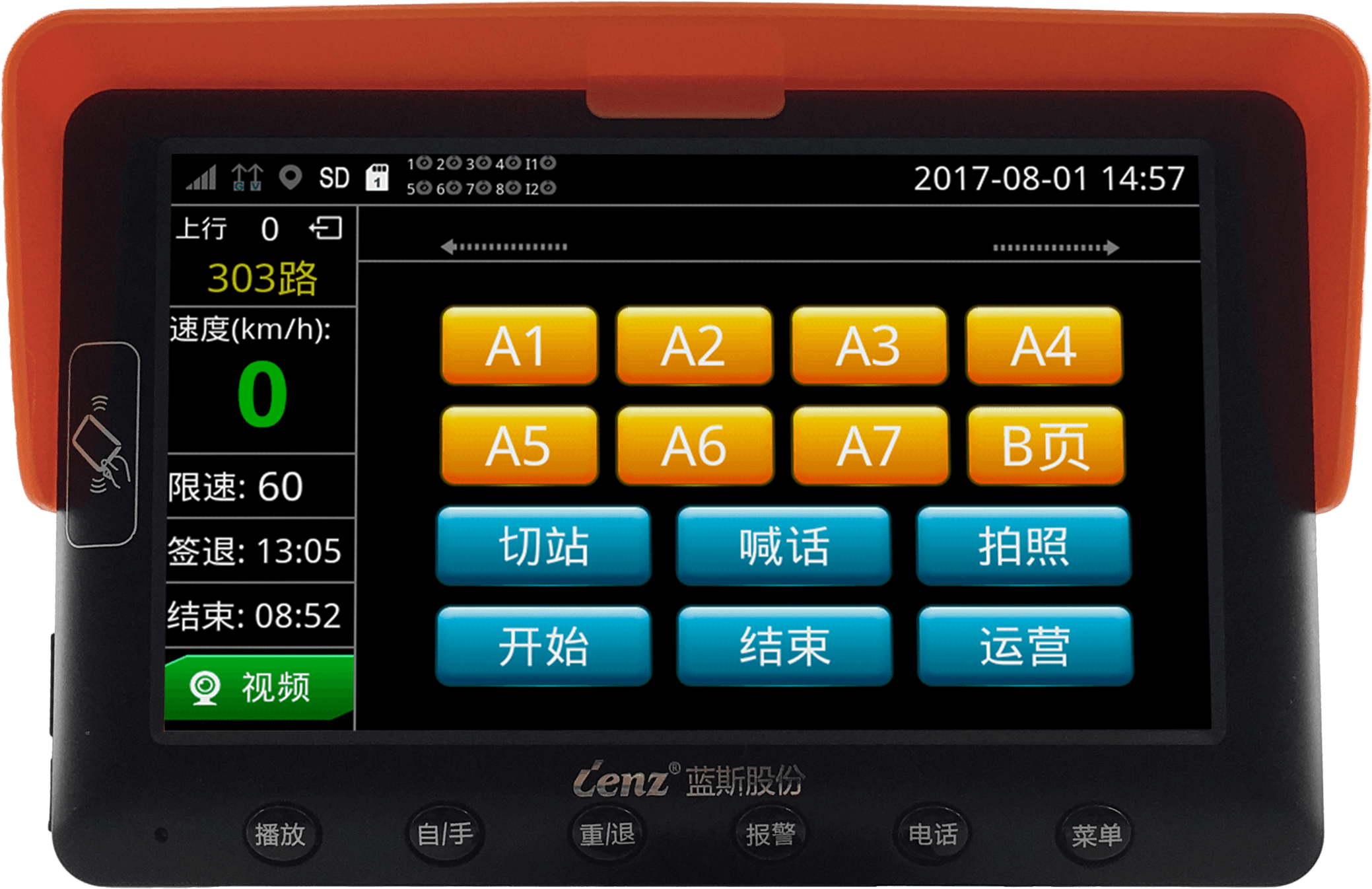
Reference for full text summary
From intelligent scheduling to comprehensive safety supervision throughout the entire process, and from front-end telematics collaboration to full coverage of smart sanitation services, Xiamen Lenz Communications Co., Ltd. leverages technology as a fulcrum to drive cost reduction, efficiency enhancement, and safety upgrades in public transportation. Its solutions have been implemented in over 400 cities globally, with equipment installed in more than 1 million vehicles, validating the technological value through quantifiable data. Amidst the transformative wave of smart transportation, Lenz's technological paradigm offers the industry an upgrade path that is "replicable, scalable, and sustainable." For more information, please visit the official website:www.xmlenzintl.com