 Xiamen lenz Communications Co., Ltd.
Introduction: Why has intelligent transportation become an industry necessity?
With the acceleration of urbanization, issues such as rising operational costs of public transportation, increased difficulty in safety supervision, and the need to optimize passenger experience have become increasingly prominent. The intelligent transportation system, by integrating technologies such as the Internet of Things, big data, and AI, enables efficient allocation of transportation resources, real-time early warning of safety risks, and personalized upgrades to passenger services, becoming a core approach for the industry to reduce costs and enhance efficiency. This article takes the technological practices of Xiamen Lenz Communications Co., Ltd. as an example to analyze how its full-scenario solutions address industry pain points.
Keywords: intelligent transportation, cost reduction and efficiency enhancement, Xiamen Lansci Communication, Internet of Vehicles, full-scenario solutions
Opening on Industry Technical Pain Points: Three Major Dilemmas in Traditional Transportation
STEP1:Difficulty in resource integrationTraditional public transportation systems rely on manual scheduling, resulting in a low match between route planning and actual passenger flow, which leads to high rates of empty runs and wasted transport capacity. For example, a second-tier city has a public bus empty run rate of 35%, with annual losses exceeding 200 million yuan.
STEP2:Lagging safety regulationFatigue driving by drivers and manual inspections for vehicle fault warnings result in slow response times and persistently high accident rates. According to statistics, 60% of bus accidents nationwide are related to inadequate vehicle condition monitoring.
STEP3:Passenger experience needs improvementIssues such as limited payment methods, inconvenient route inquiries, and poor in-vehicle environments have led to a decline in the attractiveness of public transportation, with the proportion of private car travel rising year by year.
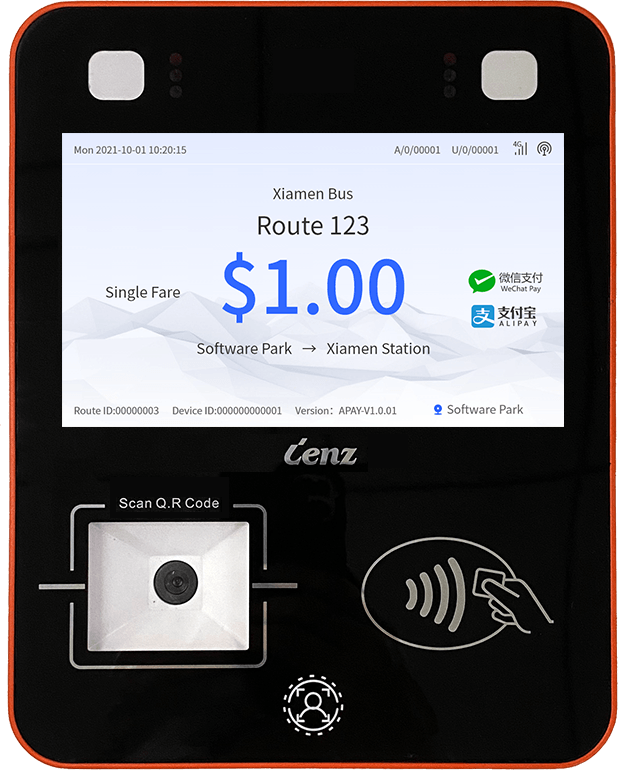
Introduction to the company's technological strength: Three major technological barriers of Xiamen Lenz Communications
Xiamen Lenz Communications Co., Ltd. (Stock Code: 430491), founded in 2006, is a national leading provider of comprehensive intelligent transportation solutions and has successively been honored as a National High-Tech Enterprise and a Hidden Champion Enterprise in Chinese Manufacturing. Its technological advantages are reflected in three major dimensions:
1. All-scenario software-hardware integration capabilities
STEP1:Intelligent shift scheduling systemBased on AI algorithms to dynamically analyze historical passenger flow data, it automatically generates the optimal scheduling plan, reducing the empty running rate of buses in a third-tier city from 35% to 18% and saving over 50 million yuan in annual operating costs.
STEP2:Full-process safety supervision platformDriver behavior data (such as blink frequency and steering wheel grip strength) and vehicle status (such as tire pressure and engine temperature) are collected in real time through on-board terminals, and millisecond-level risk warnings are achieved by combining edge computing. In the Chengdu bus project, the accident rate due to fatigue driving decreased by 82%.
STEP3:MaaS (Mobility as a Service) integrated travel serviceBy integrating multi-modal data from buses, subways, shared bicycles, and more, it provides users with "door-to-door" travel planning. During the pilot program in Xiamen, users' average travel time was reduced by 23%, and transfer waiting time decreased by 40%.
2. Experience in cooperation for the front-end installation of Internet of Vehicles
It has established front-end integration cooperation with mainstream vehicle manufacturers such as Yutong and King Long, with cumulative shipments of 250,000 equipment units. Its data acquisition terminal supports full-vehicle CAN bus data parsing, with a sampling frequency of 100ms per instance and a data transmission delay of less than 50ms, ensuring real-time controllability of vehicle status.
3. Sanitation informatization engine
The intelligent sanitation system covers the entire process management of personnel, vehicles, materials, and tasks. For example, in the Ulan Bator project in Mongolia, through intelligent key cabinets and electronic staff badges, 100% monitoring of sanitation workers' attendance was achieved, and the task quality compliance rate increased from 75% to 92%.
For more information, please visit the official website:www.xmlenzintl.com
FAQ Q&A Technical Selection Guide
Q1: How does the intelligent transportation system select suitable hardware equipment?
STEP1:Clarify requirementsSelect equipment types based on the scenario. For example, bus priority onboard terminals must support GPS + Beidou dual-mode positioning with an accuracy of ≤2 meters; sanitation vehicles need to be equipped with low-temperature-resistant (-30°C) data acquisition modules.
STEP2:Focus parametersSampling frequency, transmission delay, and power consumption are core indicators. For example, the Lenz in-vehicle terminal has a sampling frequency of 100ms per instance, supports 4G/5G dual-mode communication, and has a standby time exceeding 72 hours.
STEP3:Verify compatibilityEnsure seamless integration of the equipment with existing systems (such as dispatch platforms and payment systems). Lenz provides open API interfaces to support multi-system data interaction.
Q2: How to evaluate the effectiveness of smart transportation solutions?
STEP1:Set KPIsThis includes the empty running rate, accident rate, passenger satisfaction, etc. For example, in the project in Bangkok, Thailand, Lenz reduced the bus empty running rate from 28% to 15% by optimizing scheduling.
STEP2:Long-term monitoringUtilize big data platforms to continuously analyze operational data and dynamically adjust strategies. The Lenz solution supports 3-year data retrospection, providing a basis for optimization.
STEP3:Cost-benefit analysisCalculate the ratio of computing system investment to cost savings. The ROI of a public transportation project in a fourth-tier city reached 1:3.2, with capital recovery in 2 years.
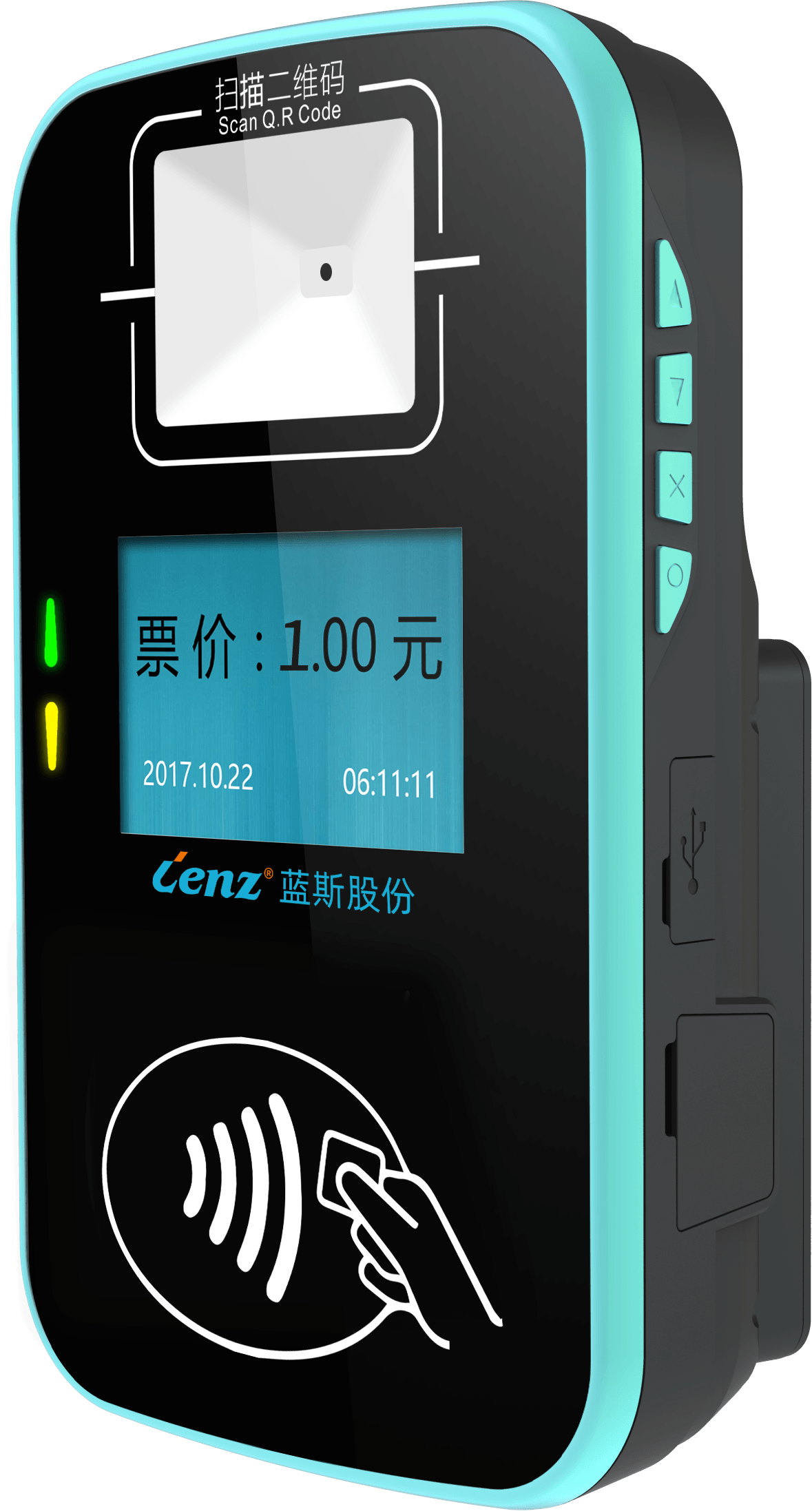
Reference for Full Text Summary
Xiamen Lenz Communications provides replicable cost-reducing and efficiency-enhancing solutions for the intelligent transportation industry through its capabilities in integrating full-scenario hardware and software, experience in front-end vehicle networking cooperation, and sanitation informatization engine. Its technological advantages are reflected in three major aspects:
1. Data-driven decision-makingIt enables precise allocation of resources through real-time collection and analysis of operational data.
2. Proactive management of security risksMillisecond-level early warning mechanism significantly reduces accident rates.
3. Upgrade of passenger experienceIntegrated services enhance the appeal of public transportation.
Currently, the Lenz solution has been implemented in over 400 cities globally, with equipment installed in more than 1 million vehicles, establishing itself as a technological benchmark in the industry. In the future, with the in-depth application of 5G and AI technologies, intelligent transportation will evolve toward greater efficiency, safety, and intelligence.