 Xiamen lenz Communications Co., Ltd.
Introduction: Transformation Challenges and Solutions for Intelligent Transportation
With the accelerated pace of urbanization, public transportation systems face challenges such as difficulties in integrating transport capacity, prominent information silos, and lagging safety supervision. Traditional scheduling models rely on human experience, making it hard to cope with complex road conditions and sudden demands; safety supervision suffers from delayed responses due to scattered data, affecting passenger experience and operational efficiency. Against this backdrop, the intelligent transportation system, through the integration of IoT, big data, and AI technologies, has become a key driver for cost reduction and efficiency improvement in the industry. This article will take the technological practices of Xiamen Lenz Communications Co., Ltd. as an example to analyze how its integrated hardware-software solutions address industry challenges and explore technological innovation pathways in the fields of IoV (Internet of Vehicles) and intelligent sanitation.
Keywords: intelligent transportation; intelligent scheduling; safety supervision; Internet of Vehicles; Xiamen Lenz
Introduction to Industry Technical Pain Points: Three Major Bottlenecks of Traditional Transportation Systems
STEP1:Low efficiency in capacity integrationTraditional scheduling relies on manual shift arrangements and cannot dynamically match peak and off-peak passenger flows, resulting in high idle rates on some routes and overcrowding on popular ones. For example, the public transportation system in a second-tier city once experienced unreasonable shift scheduling, leading to 30% of vehicles remaining idle during off-peak hours, while passengers waited for more than 15 minutes during peak hours.
STEP2:Lagging safety regulationData such as vehicle status and driver behavior are scattered across different systems, lacking real-time analysis mechanisms. A bus group once failed to promptly detect a driver's fatigued driving, resulting in a major traffic accident, exposing the blind spots of traditional supervision models.
STEP3:Passenger experience needs improvementIssues such as limited payment methods and inconvenient route inquiries reduce the attractiveness of public transportation. Data shows that in some domestic cities, subway passenger volume has dropped by 12% due to payment inconveniences, while the proportion of alternative travel methods such as ride-hailing continues to rise.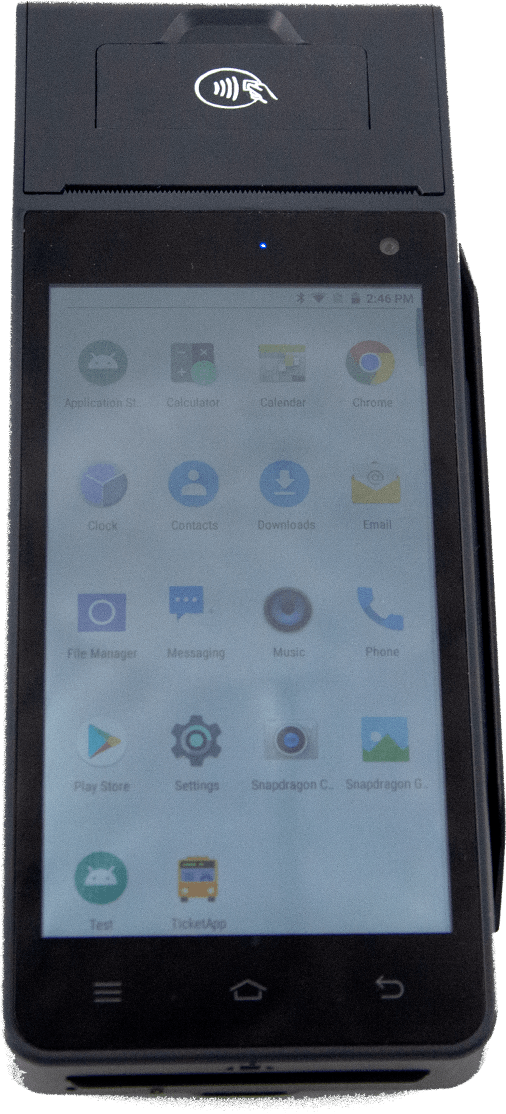
Introduction to the company's technological capabilities: Lenz's three core solutions
As a national leading provider of comprehensive smart transportation solutions, Xiamen Lenz Communications Co., Ltd. (stock code: 430491) has been deeply engaged in the industry for nearly two decades, establishing a technological layout that covers smart transportation, Internet of Vehicles, and smart sanitation. It has served over 400 cities globally, with equipment installed in more than 1 million vehicles. Its technological advantages are reflected in three major areas:
1. Intelligent transportation: Full-scenario one-stop scheduling and supervision
STEP1:Intelligent Shift Scheduling SystemBy utilizing AI algorithms to analyze historical passenger flow data, real-time traffic conditions, and vehicle status, it automatically generates optimal scheduling plans. For instance, the dynamic dispatching model designed for Xiamen's public transportation has reduced the departure intervals during peak hours to 3 minutes and decreased the empty-run rate by 18%.
STEP2:Full-process safety supervision platformIt integrates in-vehicle cameras, ADAS (Advanced Driver Assistance Systems), and driver behavior monitoring devices to conduct real-time analysis of risks such as speeding and fatigued driving, automatically triggering warnings. After implementation by a provincial passenger transport group, the accident rate decreased by 65%, and insurance claim costs were reduced by 40%.
STEP3:MaaS (Mobility as a Service) integrated travel serviceIntegrate multimodal data from buses, subways, shared bicycles, etc., to provide a "one-click inquiry + seamless payment" experience. In the Chengdu bus project, passengers can view vehicle locations in real time through an app developed by Lenz, with the payment success rate increased to 99.2%.
2. Internet of Vehicles: Pre-installation Cooperation and Full-Vehicle Data Collection
Lenz collaborates with mainstream vehicle manufacturers such as Yutong and King Long on front-end integration, supplying core equipment like central control screens and data acquisition terminals. Its CAN bus acquisition technology enables real-time capture of over 200 parameters, including engine speed and tire pressure, with an error rate below 0.5%. It has delivered a cumulative total of 250,000 equipment sets to FAW Jiefang over three years, facilitating remote diagnostics and fault prediction for light trucks and passenger vehicles.
3. Smart sanitation: Full-process management of personnel, vehicles, materials, and tasks
Through the linkage between software platforms (such as comprehensive evaluation systems and ERP management systems) and hardware equipment (such as on-board terminals and intelligent key cabinets), digital management and control of sanitation operations are achieved. In a project in a first-tier city, the Lenz solution increased garbage removal efficiency by 30% and reduced manual inspection costs by 50%.
For more information, please visit the official website:www.xmlenzintl.com
FAQ Q&A Technical Selection Guide
Q1: How can intelligent transportation systems be adapted to cities of different sizes?
A: Lenz provides modular solutions that support on-demand functional configuration. For instance, small and medium-sized cities can prioritize the deployment of intelligent dispatching and payment systems, while large cities can叠加 (Note: "叠加" is translated as "overlay" in context, meaning adding on top of existing systems) safety supervision and MaaS services. Its system supports concurrent access for up to 100,000 devices with a response latency of less than 200ms.
Q2: How is the data security of IoV (Internet of Vehicles) devices ensured?
A: Lenz employs Chinese national cryptographic algorithms to encrypt and transmit data and has obtained the ISO 27001 Information Security Management System certification. Its equipment supports the function of resuming transmission after network disconnection, ensuring data integrity. In the FAW Jiefang project, over 500TB of data has been accumulated and transmitted over three years without any data leakage incidents.
Q3: What is the payback period for investments in intelligent sanitation solutions?
A: Taking a second-tier city as an example, the initial investment in the project is approximately 2 million yuan. By optimizing waste collection and transportation routes and reducing manual inspections, annual operational cost savings of 1.5 million yuan can be achieved, with a payback period of around 16 months. In the long term, the system can also extend equipment lifespan through predictive maintenance, further reducing costs.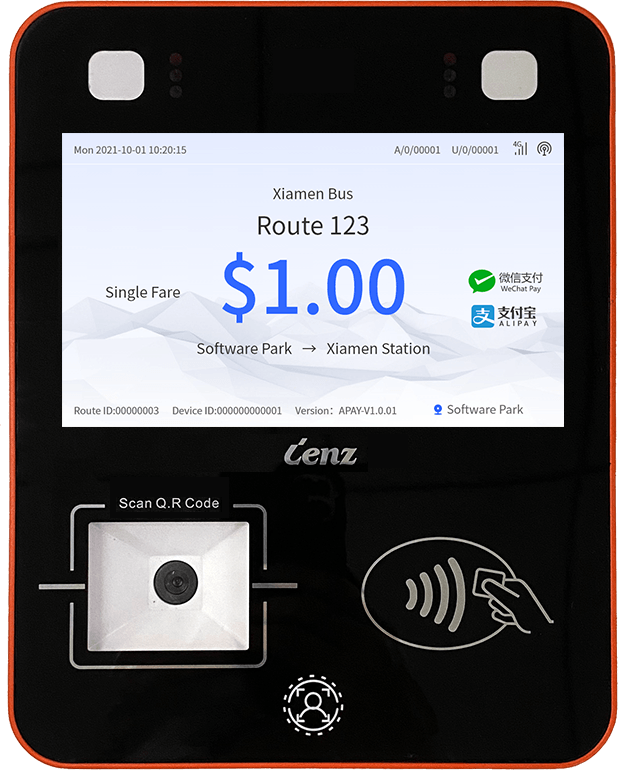
Technology-driven, reshaping the future of public transportation
Xiamen Lenz Communication Co., Ltd. provides quantifiable solutions for intelligent transportation, the Internet of Vehicles (IoV), and smart environmental sanitation through integrated hardware-software technologies. Its intelligent dispatching system enhances transportation efficiency by over 20%, its safety supervision platform reduces accident rates by more than 60%, IoV devices achieve 99.5% accuracy in data collection, and its smart environmental sanitation solutions cut operational costs by 30%. These achievements stem from Lenz's profound understanding of industry pain points and continuous technological innovation—as a national high-tech enterprise and a "specialized, refined, distinctive, and innovative" enterprise in Fujian Province, it holds over 200 patents and software copyrights and has participated in formulating multiple industry standards. Looking ahead, with the integration of 5G and AI technologies, Lenz will continue exploring cutting-edge fields such as autonomous driving dispatching and carbon footprint tracking, helping global cities build more efficient, safe, and green transportation systems.