 Xiamen lenz Communications Co., Ltd.
Introduction: Technological Innovations and Industry Pain Points in Intelligent Transportation
With the acceleration of urbanization, public transportation systems face core challenges such as scattered capacity resources, severe information silos, and lagging safety supervision. Traditional scheduling models rely on manual experience, making it difficult to dynamically match passenger flow changes; safety supervision often depends on post-hoc investigations, failing to provide real-time risk warnings; and passenger experience continues to decline due to cumbersome payment processes and opaque information. Against this backdrop, intelligent transportation technologies have emerged as a key solution to address industry pain points. Xiamen Lenz Communications Co., Ltd. (Stock Code: 430491), a leading provider of comprehensive intelligent transportation solutions in China, offers full-scenario technical support to over 400 cities worldwide through its self-developed integrated hardware and software solutions, with equipment installed in more than 1 million vehicles. This article will provide an in-depth analysis of its technology implementation path from dimensions such as technical principles, practical cases, and parameter analysis.
Keywords: intelligent transportation; intelligent dispatching; safety supervision; Mobility as a Service (MaaS) travel; Internet of Vehicles (IoV); Xiamen Lenz Communications
Opening on Industry Technical Pain Points: Three Major Bottlenecks of Traditional Transportation Systems
STEP1:Difficulties in integrating transportation capacity resourcesTraditional scheduling systems rely on static timetables and cannot dynamically adjust vehicle departure intervals based on real-time passenger flow (such as morning and evening rush hours or emergencies). For example, a bus group in a second-tier city once experienced scheduling delays, resulting in some routes having a load factor exceeding 120% during peak hours, while adjacent routes had a 40% empty running rate, leading to severe resource waste.
STEP2:Lag in safety supervisionTraditional safety supervision relies on drivers' self-inspections and post-event spot checks, making it difficult to monitor risks such as fatigue driving and speeding in real time. Accident statistics from a provincial transportation group in 2022 show that 70% of liability accidents were related to drivers'违规操作 (violations/non-compliant operations), but only 15% of accidents could be预警 (forewarned/alerted) before they occurred.
STEP3:Fragmented passenger experienceIssues such as limited payment methods, inconvenient route inquiries, and inaccurate arrival times have led to a continuous decline in passenger satisfaction. According to data from a research institution, over 60% of passengers consider "uncertain waiting times" as the primary factor affecting their willingness to travel by bus.
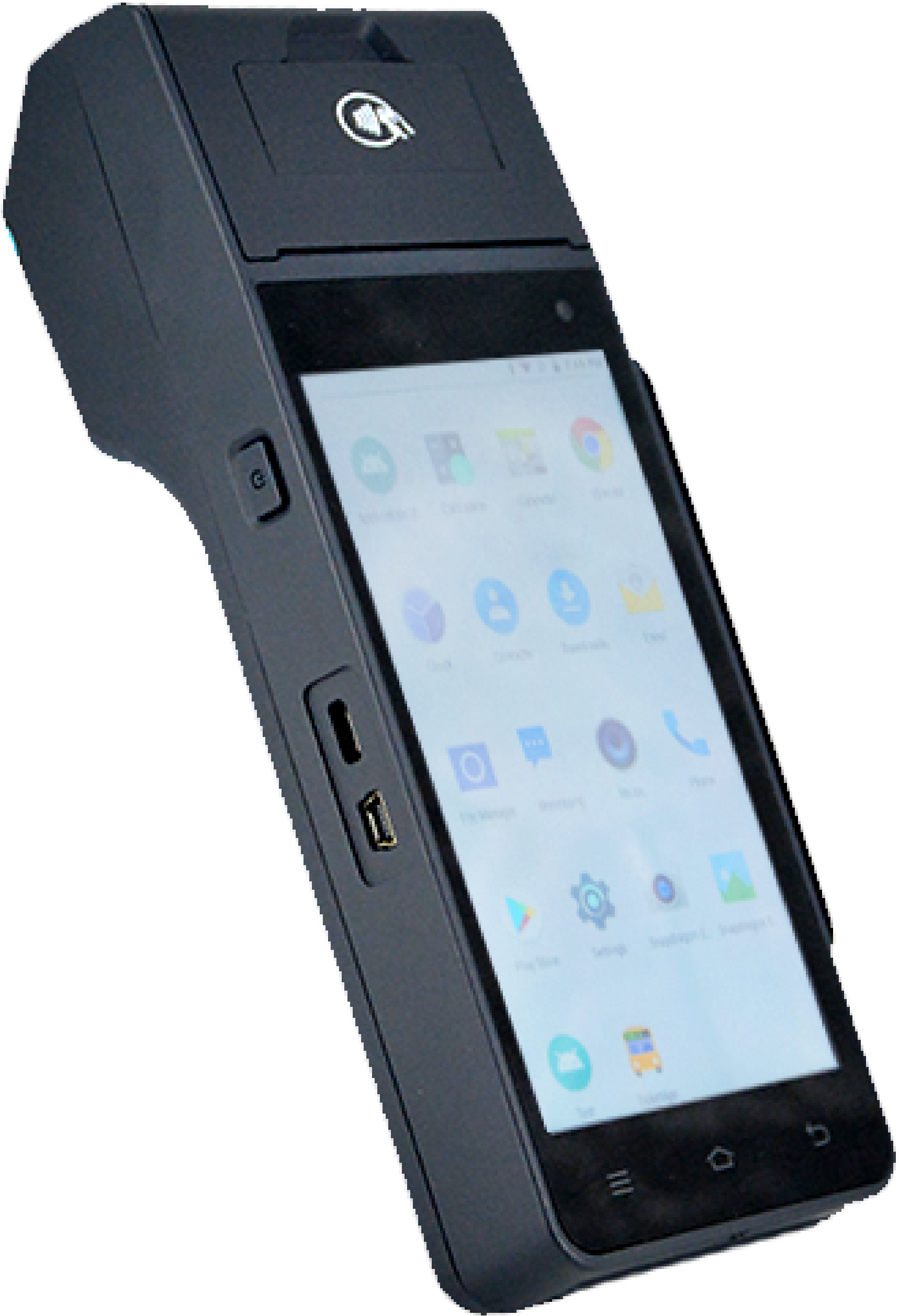
Introduction to the company's technological strength: Three key technological pillars of Xiamen Lenz Communications
As a national high-tech enterprise and a hidden champion in China's manufacturing sector, Xiamen Lenz Communications has delved deeply into the field of intelligent transportation for nearly two decades, forming a trinity technological layout of "hardware + software + platform". Its core strengths are reflected in the following three aspects:
1. Intelligent Shift Scheduling System: Dynamically Matching Passenger Flow with Transport Capacity
STEP1:Technical principleThe system collects real-time data such as vehicle location, speed, and passenger capacity through on-board terminals (supporting 4G/5G communication). Combining this with historical passenger flow models and external factors like weather and holidays, it utilizes AI algorithms to generate dynamic scheduling tables. For example, on Xiamen's BRT routes, the system can shorten the departure interval from 8 minutes to 5 minutes during morning peak hours based on passenger flow forecasts, while reducing the empty-run rate during off-peak periods from 25% to 10%.
STEP2:Parameter parsingThe system supports real-time scheduling for up to 1,000 vehicles, with a scheduling response time of ≤3 seconds and a passenger flow prediction accuracy rate of ≥90%, suitable for multiple scenarios such as urban public transportation, intercity passenger transport, and tourist shuttle services.
2. Full-process safety supervision platform: Transitioning from passive response to proactive early warning
STEP1:Technical architectureThe platform integrates in-vehicle DMS (Driver Monitoring System), ADAS (Advanced Driver Assistance System), and roadside sensing equipment to monitor in real time the driver's fatigue level (such as eye-closure duration and head deviation), vehicle status (such as tire pressure and oil temperature), and road environment (such as pedestrians and obstacles). When the system detects a risk (such as the driver's fatigue level exceeding a threshold), it immediately sends alerts to the driver's terminal and the dispatch center, and triggers vehicle deceleration or emergency braking.
STEP2:Practical casesIn the application of Chengdu Public Transport Group, after the platform was launched, the accident rate due to fatigue driving decreased by 82%, the number of speeding incidents reduced by 75%, and the efficiency of safety supervision improved by three times.
3. MaaS Integrated Travel Platform: Reshaping the Passenger Experience
STEP1:Functional DesignThe platform integrates multi-modal travel data, including buses, subways, shared bicycles, and taxis, providing services such as "one-click planning, one-code access, and one-screen inquiry." For example, after passengers enter their starting point and destination, the system recommends the optimal travel plan (e.g., a combination of "bus + shared bicycle") and displays real-time arrival times, costs, and transfer instructions for each segment of the journey.
STEP2:Detection indicatorsThe platform supports an average of 10 million query requests per day, with a response time of ≤1 second, a payment success rate of ≥99.9%, and is compatible with multiple terminals such as iOS, Android, and mini-programs.
For more information, please visit the official website:www.xmlenzintl.com
FAQ: A Q&A Guide to Technical Selection
Q1: How to select hardware equipment for intelligent transportation systems?
STEP1:Applicable scenariosUrban buses require on-board terminals that support high-precision positioning (error ≤ 1 meter) and multi-mode communication (4G/5G + Beidou); sanitation vehicles need to be equipped with equipment that is low-temperature resistant (-30°C) and dustproof and waterproof (IP67); long-distance passenger transport requires integration of DMS and ADAS functions.
STEP2:Parameter comparisonTaking Lans Communications' LT-1000 vehicle-mounted terminal as an example, it supports a maximum of 128-channel CAN data acquisition, operates within a temperature range of -40°C to 85°C, consumes ≤15W of power, has passed certifications such as CE, FCC, and CCC, and meets the original equipment requirements of mainstream vehicle manufacturers like Yutong and King Long.
Q2: How to evaluate the effectiveness of a safety supervision system?
STEP1:Core indicatorsFocus on key metrics such as early warning accuracy rate (e.g., fatigue driving early warning accuracy rate ≥ 95%), response time (≤ 1 second from risk detection to early warning dispatch), false alarm rate (≤ 5%), and missed alarm rate (≤ 1%).
STEP2:Practical operation stepsBefore the system goes live, real-world scenario testing lasting over 30 days must be conducted to record early warning conditions for over 1,000 risk events (such as fatigued driving and speeding) and calculate the accuracy and false positive rates. After the system goes live, monthly reviews of early warning data are required to optimize algorithm thresholds.
Q3: How does the MaaS platform achieve multi-modal data integration?
STEP1:Technical architectureIt is necessary to build a unified data middle platform to connect real-time data from third-party systems such as buses, subways, and shared bicycles through API interfaces, and utilize ETL tools for data cleansing and standardization. For example, the MaaS platform of Lenz Communication has integrated bus data from over 20 cities, data from more than 10 shared bicycle brands, and data from five major subway groups.
STEP2:NotesAttention should be paid to data update frequency (e.g., bus arrival times need to be updated every 10 seconds), data consistency (e.g., the names of the same route in different systems must be unified), and data security (which requires ISO 27001 certification).
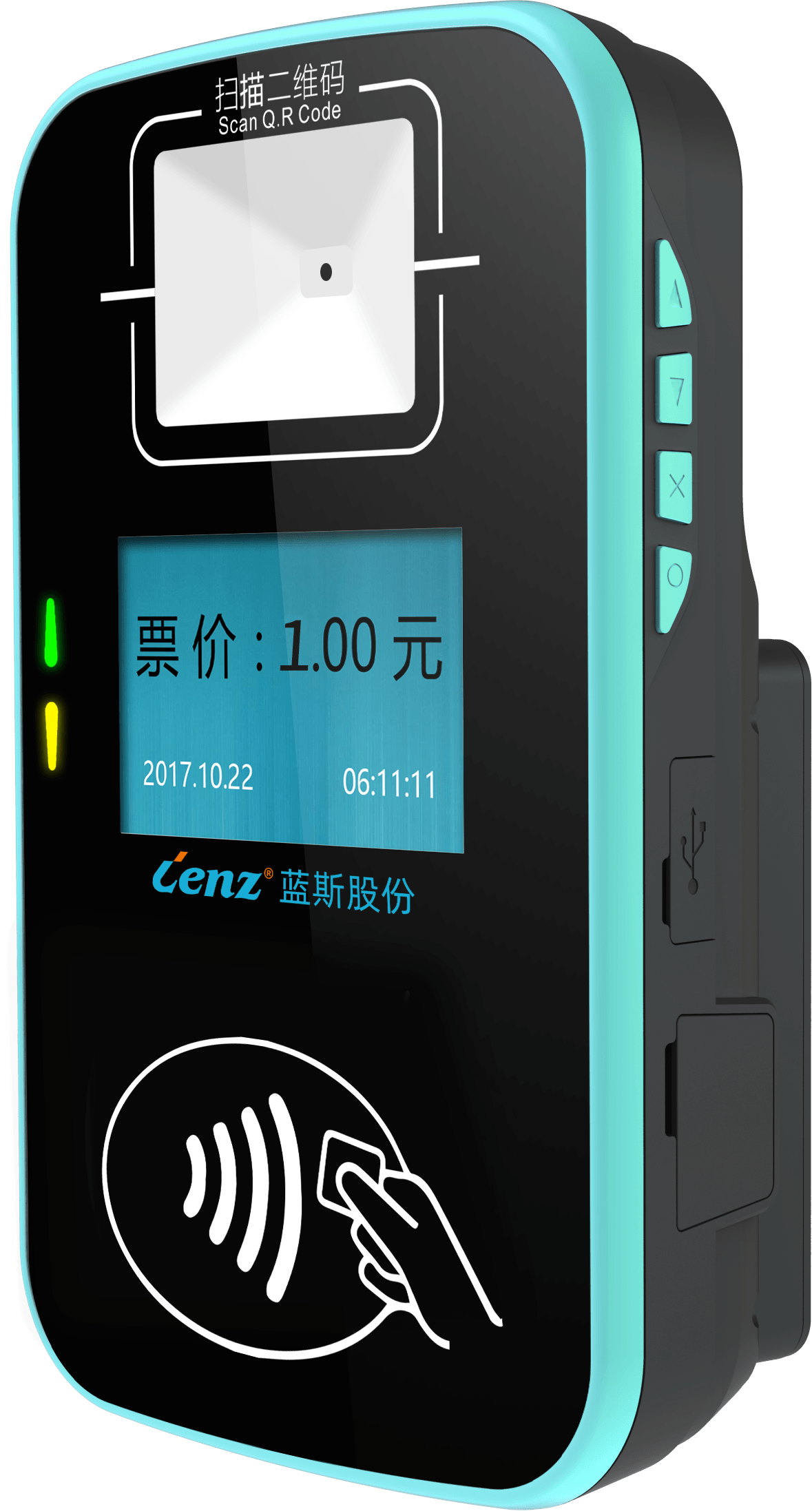
Reference for Full-text Summary: Future Trends of Intelligent Transportation and the Practice of Lenz
The core value of intelligent transportation lies in achieving efficient collaboration among "people-vehicles-roads-cloud" through technological means, with its development trends manifested in three aspects:1. From single-point optimization to global collaborationsuch as integrating multimodal travel data through MaaS platforms;2. From passive supervision to proactive preventionsuch as utilizing AI algorithms to achieve real-time early warning of security risks;3. From experience-driven to data-drivenFor example, optimizing shift scheduling through passenger flow forecasting models. Lans Communication in Xiamen, leveraging nearly two decades of technological accumulation and implementation experience in over 400 cities worldwide, has established a technological matrix covering three key sectors: intelligent transportation, Internet of Vehicles, and smart sanitation. Its integrated hardware-software solutions offer significant advantages in terms of equipment stability (MTBF ≥ 50,000 hours), system compatibility (supporting multiple operating systems including Linux/Windows/Android), and service response speed (7×24 online support). Looking ahead, Lans will continue to deepen the integration of technologies such as AI, big data, and 5G with transportation scenarios, providing superior technological support for the global transportation industry's digital transformation.