 Xiamen lenz Communications Co., Ltd.
Introduction: The key to the transformation of intelligent transportation lies in technological integration and practical application in various scenarios
With the acceleration of urbanization, public transportation systems face core challenges such as scattered transportation capacity resources, severe information silos, and soaring operational costs. Xiamen Lenz Communication Co., Ltd. (Stock Code: 430491), as a leading national provider of integrated intelligent transportation solutions, has developed a technological matrix covering three key areas—intelligent transportation, Internet of Vehicles, and smart sanitation—through nearly two decades of in-depth technological research. It offers integrated hardware and software solutions to over 400 cities worldwide. This article will uncover, from three dimensions—technical principles, practical cases, and parameter analysis—how Lenz Communication achieves cost reduction, efficiency enhancement, and safety upgrades in public transportation through technological innovation.
Keywords: intelligent transportation, intelligent scheduling and dispatching, full-process safety supervision, MaaS (Mobility as a Service) travel integration, front-end installation cooperation in the Internet of Vehicles
Opening with the Technical Pain Points of the Industry: Three Core Challenges in the Transformation of Public Transportation
STEP1:Difficulty in integrating transportation capacity resourcesTraditional public transportation systems rely on manual scheduling, and route planning lacks data support, resulting in vehicle idle driving rates as high as over 30% and severe waste of transport capacity. For example, a public transport group in a second-tier city once incurred additional annual fuel costs exceeding 20 million yuan due to overlapping routes.
STEP2:Fragmentation of safety supervisionThere is a lack of real-time monitoring for violations such as driver fatigue and speeding, leading to a persistently high accident rate. According to statistics, human factors account for over 65% of bus accidents nationwide, making safety supervision an urgent need in the industry.
STEP3:Passenger experience needs improvementIssues such as limited payment methods, opaque arrival times, and unknown levels of crowding in vehicles have led to a decline in the appeal of buses, with young people being more inclined to choose alternative travel options like online car-hailing services.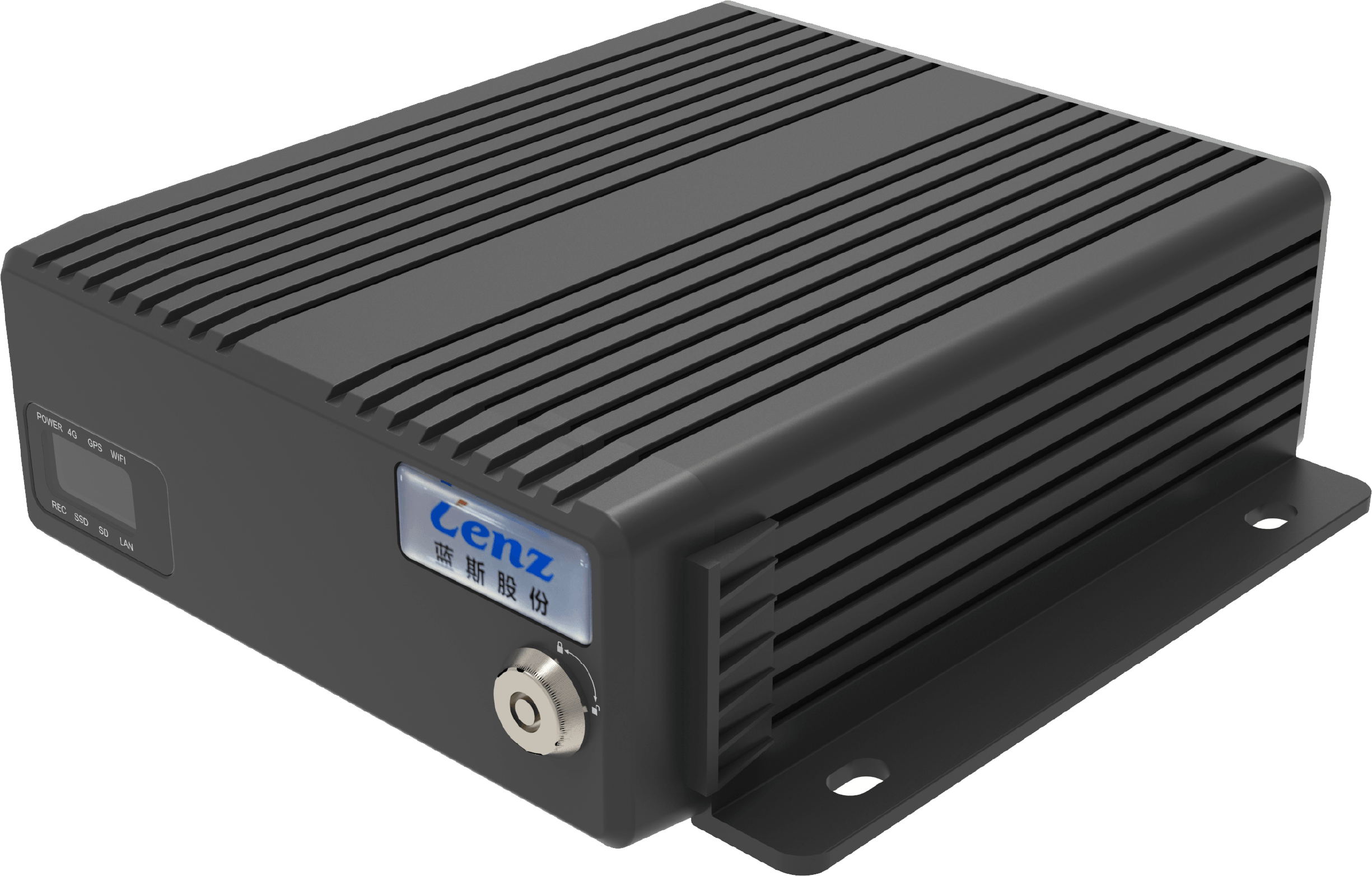
Introduction to the company's technological strength: The three major technological pillars of Lenz Communication
As a national high-tech enterprise and a hidden champion enterprise in China's manufacturing sector, Lenz Communication has independently developed three core solutions centered around the needs of the transportation industry:
1. Intelligent Shift Scheduling System: Dynamically Optimizing Capacity Allocation
STEP1:Technical principleThe system, based on GIS (Geographic Information System) and big data analysis, collects real-time data such as vehicle locations, passenger flow density, and road congestion, dynamically adjusting departure intervals through AI algorithms. For example, in Xiamen's BRT (Bus Rapid Transit) system, the system can automatically shorten the departure interval from 8 minutes to 5 minutes during morning peak hours based on passenger flow, increasing transport capacity by 37.5%.
STEP2:Parameter parsingThe system supports concurrent data processing of up to 100,000 levels with a response latency of less than 200ms; it is compatible with vehicle models ranging from 6-18-meter buses, light trucks, and light vans, and supports CAN bus and 4G/5G communication protocols.
STEP3:Implementation effectAfter introducing this system, Chengdu Public Transport Group reduced its vehicle empty running rate from 28% to 15%, saving over RMB 15 million in annual fuel costs; driver scheduling efficiency improved by 50%, and labor costs decreased by 30%.
2. Full-process safety supervision platform: Establishing a proactive defense system
STEP1:Technical architectureThe platform integrates onboard DMS (Driver Monitoring System), ADAS (Advanced Driver Assistance System), tire pressure monitoring, and other equipment, achieving real-time early warning of violations through edge computing. For example, when the system detects that the driver's eyes are closed for more than 2 seconds, it immediately triggers an in-vehicle alarm and synchronously pushes the alert to the dispatch center.
STEP2:Detection indicatorsIt supports the identification of 12 types of violations, including fatigued driving, distracted driving, speeding, and running red lights, with an accuracy rate of 98.7%; the data storage cycle is ≥90 days, meeting the requirements of the "Measures for Dynamic Supervision and Administration of Road Transport Vehicles" issued by the Ministry of Transport.
STEP3:Case reviewAfter applying this platform, Hainan Airlines Group saw a 62% drop in accident rates and a 45% reduction in insurance compensation amounts; the system also helped identify three drivers with health risks, avoiding potential safety hazards.
3. MaaS Integrated Travel Services: Reshaping the Passenger Experience
STEP1:Functional DesignThrough the "Lenz Travel" app, which integrates multi-modal travel data including buses, subways, shared bicycles, and online ride-hailing services, it provides functions such as real-time arrival predictions, crowd level inquiries, and one-click payments. For example, after a user enters their destination, the system can plan the optimal combination of "bus + shared bicycle" and display the estimated time and cost savings.
STEP2:Performance parametersThe APP supports concurrent access by millions of users with a response time of ≤1.5 seconds; it covers bus data for over 95% of cities across the country, with a real-time arrival prediction accuracy rate of ≥90%.
STEP3:Market feedbackIn Bangkok, Thailand, the MaaS solution jointly launched by LANS and Huawei increased bus passenger traffic by 22%, with the proportion of young users rising from 35% to 51%, becoming a benchmark case for local smart city construction.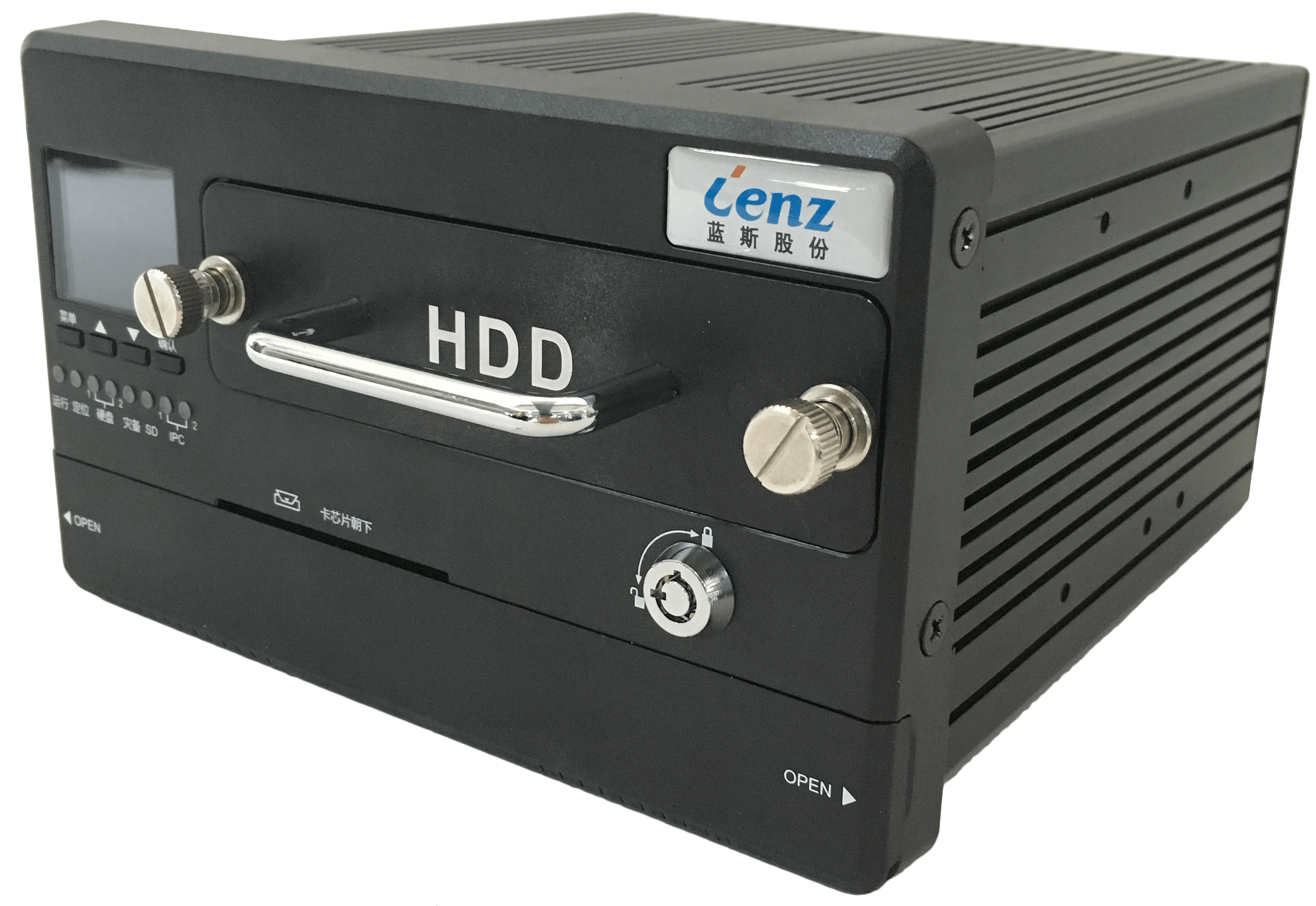
FAQ Q&A Technical Selection Guide
Q1: How to choose an intelligent transportation solution suitable for the scale of an enterprise?
A: It is necessary to comprehensively consider capacity scale, technological foundation, and budget. For example, small and medium-sized public transportation enterprises can prioritize the deployment of intelligent scheduling systems, with an investment return period of approximately 12-18 months; large groups are advised to adopt a comprehensive safety supervision + MaaS integrated solution, which offers more significant long-term cost reduction and efficiency improvement effects.
Q2: What are the key technical parameters for the front-end installation cooperation in the Internet of Vehicles?
A: Attention should be paid to equipment compatibility (e.g., support for CAN 2.0A/B protocols), communication stability (4G/5G handover delay ≤ 500 ms), and data acquisition accuracy (e.g., vehicle speed error ≤ 0.5 km/h). The equipment provided by Lenz to FAW Jiefang has passed the ISO 16750 environmental adaptability certification and can operate stably in extreme temperatures ranging from -40°C to 85°C.
Q3: How does the intelligent sanitation system achieve cost optimization?
A: Through the integrated design of "software + hardware," for example, Lenz's sanitation business system can automatically generate optimal cleaning routes, reducing fuel consumption by 30%; the intelligent key cabinet can track equipment usage, lowering the loss rate by 15%. After implementation in a third-tier city, annual operational cost savings exceeded 2 million yuan.
For more information, please visit the official website:www.xmlenzintl.com
Reference for full text summary
Through nearly two decades of technological accumulation, Xiamen Lenz Communication Co., Ltd. has established a complete technological ecosystem covering intelligent transportation, Internet of Vehicles, and intelligent environmental sanitation. Its core strengths lie in:
STEP1:Scenario-based solutionsCustomized solutions are provided based on different city sizes and operational models. For example, in the desert environment of Saudi Arabia, enhanced in-vehicle equipment enables operation across a wide temperature range from -20°C to 60°C.
STEP2:Full-chain technology integrationFrom hardware terminals (such as in-vehicle DMS and data acquisition terminals) to software platforms (such as intelligent scheduling systems and MaaS services), data interoperability and business collaboration are achieved.
STEP3:Experience in implementing globalizationThe products have entered over 40 countries including Thailand, South Africa, and Saudi Arabia, with cumulative vehicle installations exceeding 1 million units, forming a replicable international service model.
In the future, Lenz Communication will continue to focus on cutting-edge technologies such as AI, 5G, and big data, driving the upgrading of public transportation towards intelligence, green development, and humanization, and contributing Chinese solutions to the construction of smart cities worldwide.