 Xiamen lenz Communications Co., Ltd.
Introduction: Pain Points in the Transformation of Smart Transportation and the Keys to Breakthroughs
Under the dual pressures of accelerated urbanization and diversified public transportation demands, the traditional transportation industry faces core pain points such as scattered transport capacity resources, severe information silos, and lagging safety supervision. According to data from the Ministry of Transport, in 2023, the passenger volume of urban public transportation nationwide reached 89.4 billion person-trips, yet operational costs increased by an average of 8.2% annually, with safety incident rates remaining persistently high. How to achieve cost reduction, efficiency enhancement, and safety upgrades through technological means has become a critical proposition for industry transformation. Lenz Communication Co., Ltd. in Xiamen, leveraging nearly two decades of industry expertise, provides replicable technological paradigms for over 400 cities globally through integrated hardware-software solutions across three key sectors: intelligent transportation, Internet of Vehicles, and smart sanitation. This article will dissect the technological advantages and application value of its core solutions from three dimensions: technical principles, practical cases, and parameter analysis.
Keywords: intelligent transportation; intelligent scheduling and dispatching; full-process safety supervision; MaaS (Mobility as a Service) travel integration; Xiamen Lenz Communications
Opening on Industry's Technological Pain Points: Three Core Challenges of Traditional Transportation
STEP1:Difficulties in integrating transportation capacity resourcesTraditional public transport enterprises rely on manual scheduling, and their route planning lacks data support, resulting in a vehicle idling rate as high as 30%, with a coexistence of insufficient capacity during peak hours and idle resources during off-peak hours. For instance, a bus group in a second-tier city once incurred annual fuel cost losses exceeding 20 million yuan due to unreasonable scheduling.
STEP2:Lagging safety regulationViolations such as driver fatigue driving and speeding rely on manual spot checks, with accident response times exceeding 15 minutes, making it difficult to achieve real-time early warning and intervention.
STEP3:Passenger experience needs improvementIssues such as fragmented payment methods, reliance on third-party apps for route inquiries, and unpredictable waiting times have reduced the attractiveness of public transportation. According to statistics, urban rail transit passenger volume decreased by 5.2% year-on-year in 2023, while the proportion of private car travel continued to rise.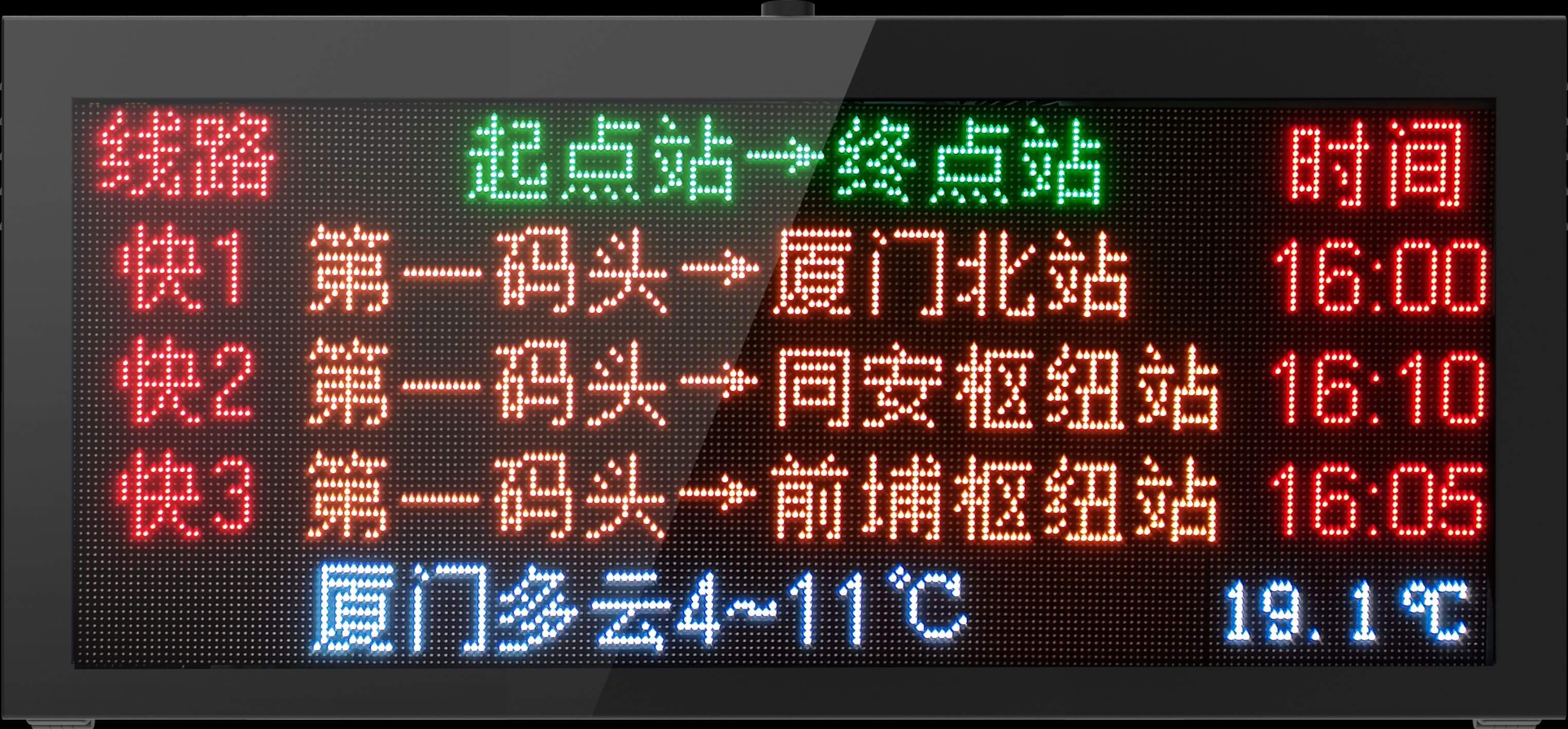
STEP4:Data silos hinder decision-makingThe scheduling system, payment system, and security monitoring system operate independently with inconsistent data formats, resulting in operational analysis relying on manual export and integration, which is inefficient and prone to errors.
Introduction to the company's technological capabilities: Three core solutions of Xiamen Lenz Communications
As a national high-tech enterprise and a hidden champion in Chinese manufacturing, Xiamen Lenz Communications (stock code: 430491) focuses on the field of intelligent transportation, developing full-stack technological capabilities encompassing "software platforms + hardware terminals + data services." Its core solutions cover three major scenarios: intelligent scheduling and dispatching, end-to-end safety supervision, and MaaS (Mobility as a Service) integrated travel, serving over 400 cities globally with equipment installed in more than 1 million vehicles.
Solution 1: Intelligent Shift Scheduling System - The Optimal Solution for Transportation Capacity Resources
STEP1:Technical PrincipleBased on AI algorithms and big data analysis, the system collects real-time data across more than 10 dimensions, including vehicle location, passenger flow density, and road conditions, generating optimal scheduling plans through dynamic programming models. For example, in its application at Xiamen Bus Group, the system can predict passenger flow peaks on various routes 2 hours in advance and automatically adjust departure intervals, reducing the empty running rate from 30% to 12%.
STEP2:Practical operation parametersIt supports the simultaneous scheduling of over 5,000 vehicles, with a scheduling calculation response time of ≤3 seconds; it is compatible with multiple vehicle types (such as 12-meter buses and 6-meter micro-circulation vehicles) and supports mixed-route scheduling; it provides dual-platform operation via both web and app interfaces, allowing dispatchers to modify schedules in real time and synchronize them to onboard terminals.
STEP3:Implementation casesAfter introducing the system, Chengdu Public Transport Group has saved 18 million yuan in annual fuel costs, reduced the average passenger waiting time by 40%, and increased route coverage by 25%.
Solution 2: Full-process Safety Supervision System - Transitioning from Passive Response to Proactive Prevention
STEP1:Technical architectureThrough in-vehicle DMS (Driver Monitoring System) and ADAS (Advanced Driver Assistance System) hardware terminals, it collects real-time data such as the driver's facial expressions, eye tracking, and vehicle status, and combines edge computing with cloud analysis to achieve real-time early warnings for ten types of violations including fatigued driving, distracted driving, and speeding.
STEP2:Key parametersThe DMS equipment has an identification accuracy rate of ≥98% and a response time of ≤500ms; ADAS supports functions such as Forward Collision Warning (FCW) and Lane Departure Warning (LDW), with a warning distance coverage of 50-150 meters; the data upload frequency is 1 time per second, supporting 4G/5G dual-mode communication.
STEP3:Application effectAfter deploying this system, Haiqi Group saw a 76% decrease in the incidence of violations, a reduction in accident response time from 15 minutes to 2 minutes, and an annual reduction in accident losses exceeding RMB 5 million.
Option 3: MaaS (Mobility as a Service) Integrated Travel Platform—Reinventing the Appeal of Public Transportation
STEP1:Functional designIt integrates multi-modal travel data including buses, subways, shared bicycles, and taxis to provide services featuring "one-click planning + one-code access + real-time tracking." Users can query the optimal travel routes, estimate waiting times, and make direct scan-to-pay payments via the app, which also supports discounts for combined trips involving "buses + shared bicycles."
STEP2:Technical AdvantagesThe platform supports concurrent access by tens of millions of users with a response time of ≤1 second; the data update frequency is once every 30 seconds to ensure real-time information; it provides open API interfaces for seamless integration with third-party maps and payment platforms.
STEP3:Market validationIn the implemented project in Bangkok, Thailand, the platform's user base surpassed 2 million, with an 18% increase in the average daily passenger volume of public transportation and a 12% decrease in private car usage.
For more information, please visit the official website:www.xmlenzintl.com
FAQ Q&A Technical Selection Guide
Q1: How can the intelligent shift scheduling system adapt to enterprises of different sizes?
A: The system offers a three-tier solution: "Basic Edition + Enterprise Edition + Custom Edition." The Basic Edition supports scheduling for fewer than 200 vehicles, the Enterprise Edition supports 200 to 5,000 vehicles, and the Custom Edition can scale to tens of thousands of vehicles and integrate with private clouds. For example, a county-level bus company selected the Basic Edition, completed deployment within three weeks, and saved 800,000 yuan in annual operating costs.
Q2: Is the installation of hardware terminals for the whole-process safety supervision system complicated?
A: The DMS and ADAS devices feature a standardized interface design, supporting plug-and-play functionality. Installation takes approximately 1 hour per vehicle, without requiring modifications to the original vehicle wiring. The devices support an IP67 protection rating and are suitable for extreme environments ranging from -30°C to 70°C.
Q3: How does the MaaS platform ensure data security?
A: The platform has obtained ISO 27001 information security management system certification and employs triple protection measures, including data encryption transmission, access control, and regular security audits. User payment information is directly connected to third-party payment platforms, with no sensitive data stored.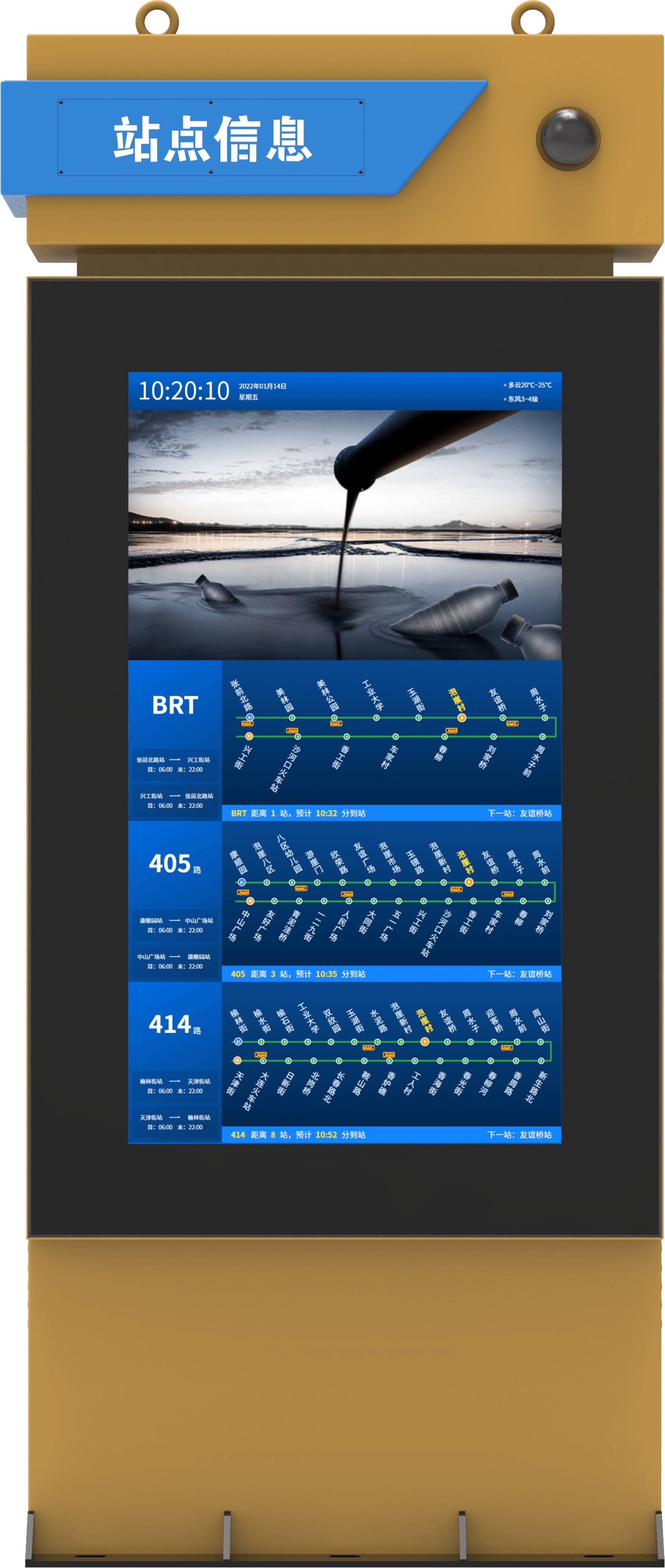
Reference for full text summary
The essence of the transformation of intelligent transportation lies in technology-driven resource optimization and experience upgrading. Xiamen Lenz Communications addresses three major pain points—transport capacity integration, safety supervision, and passenger experience—through three core solutions: intelligent scheduling and dispatching, end-to-end safety monitoring, and MaaS (Mobility as a Service) travel integration, providing the industry with quantifiable and replicable technological pathways. Its technological advantages are manifested in three aspects:Data-driven- Real-time decision-making based on AI and big data;Full-stack capabilities—The integrated hardware-software design reduces system compatibility risks;Global verification— Over 400 city implementation cases ensure the maturity of the solution. For transportation enterprises, when selecting technology suppliers, it is essential to focus on examining their industry experience (such as Lenz's nearly two decades of in-depth involvement), case scale (e.g., over 1 million vehicles installed globally), and customization capabilities (e.g., support for multilingual, multi-currency, and multi-regulatory compliance). In the future, with the widespread adoption of technologies such as 5G and vehicle-road coordination, intelligent transportation will evolve towards "proactive safety + precise services + green travel," and Lenz's technological布局 has already laid the foundation for this.