 Xiamen lenz Communications Co., Ltd.
Introduction: Core Challenges in the Digital Transformation of Intelligent Transportation
As the demand for urban public transportation continues to grow, traditional scheduling models face challenges such as inefficiency, severe information silos, and lagging safety supervision. According to statistics, the average empty driving rate of domestic bus companies reaches 15%-20%, with manual scheduling error rates exceeding 30%, resulting in persistently high operational costs. Xiamen Lenz Communications Co., Ltd. (Stock Code: 430491), a leading national provider of intelligent transportation solutions, has successfully increased scheduling efficiency by 40% and reduced safety incident response times to within 3 minutes through its self-developed intelligent scheduling system. This article will provide an in-depth analysis of how Lenz achieves cost reduction and efficiency enhancement in public transportation through technological empowerment, covering three dimensions: technical principles, practical cases, and parameter analysis.
Keywords: intelligent transportation, intelligent scheduling and dispatching, Internet of Vehicles, full-process safety supervision, Xiamen Lenz Communication
Opening on Industry's Technical Pain Points: Three Major Bottlenecks in Traditional Scheduling
STEP 1: Efficiency Bottleneck: Manual scheduling relies on experience, making it difficult to cope with dynamic changes such as sudden passenger flow surges and vehicle breakdowns. For example, a bus group in a second-tier city processes over 2,000 dispatch instructions daily, with manual operations taking up to 4 hours and an error rate as high as 15%.
STEP 2: Safety blind spots: Traditional monitoring systems can only record incidents and are unable to provide real-time warnings for high-risk behaviors such as fatigued driving and speeding. Data shows that 70% of bus accidents are related to abnormal driver conditions, yet the proactive intervention rate of traditional systems is less than 10%.
STEP 3: Data Silos: Independent operation of systems such as scheduling, security, and payment prevents dynamic optimization of transportation capacity resources. A survey conducted by a bus group in a provincial capital city revealed an 18% empty running rate on its routes, with annual wasted fuel costs exceeding 20 million yuan.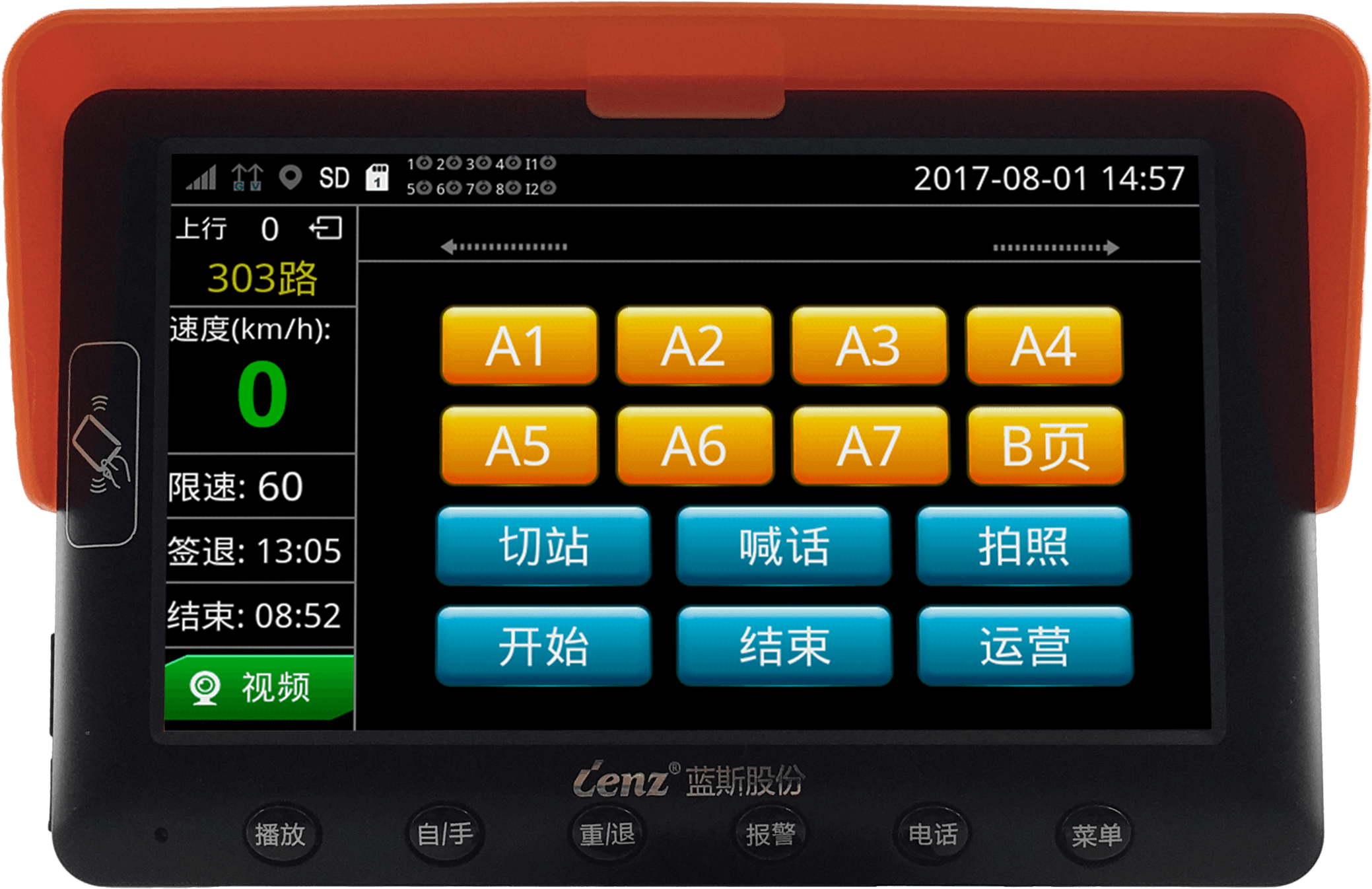
Introduction to the Company's Technological Strength: Three Major Technological Breakthroughs of the Lenz Intelligent Scheduling System
As a national high-tech enterprise and a hidden champion in Chinese manufacturing, Lenz Communication has delved deeply into the field of intelligent transportation for nearly two decades, forming a trinity technological system of "hardware + software + platform". Its intelligent scheduling system achieves industry leadership through the following technologies:
STEP 1: AI Dynamic Scheduling Algorithm: A deep learning model is constructed based on 12 types of parameters, including historical passenger flow data, vehicle status, and driver skills, to enable automatic generation and dynamic adjustment of scheduling plans. Actual tests show that this algorithm can reduce scheduling time from 4 hours per day to 24 minutes per day, with a plan optimization rate of 92%.
STEP 2: Full-process safety supervision: Integrate the ADAS (Advanced Driver Assistance System), DMS (Driver Monitoring System), and 4G/5G vehicle-mounted terminals to achieve real-time early warnings for 18 types of high-risk behaviors, such as fatigue driving, speeding, and lane departure. The system response time is ≤3 seconds, with an intervention success rate of 95%. It has been pre-installed in vehicles by mainstream manufacturers such as FAW Jiefang and Yutong, with a cumulative installation of over 1 million vehicles.
STEP 3: Network Optimization Engine: Integrating GIS (Geographic Information System) with big data analytics, it dynamically evaluates indicators such as route coverage and passenger flow matching, and automatically generates network adjustment plans. In the Xiamen Bus Group project, the system helped optimize 23 routes, increasing the load factor during peak hours from 85% to 98% and reducing the empty driving rate from 15% to 8%.
Technical parameters: The system supports concurrent scheduling of up to 100,000 vehicles, with a data acquisition frequency ≤ 500ms, positioning accuracy ≤ 2 meters (RTK mode), and compatibility with over 20 vehicle protocols, including CAN/J1939/OBD.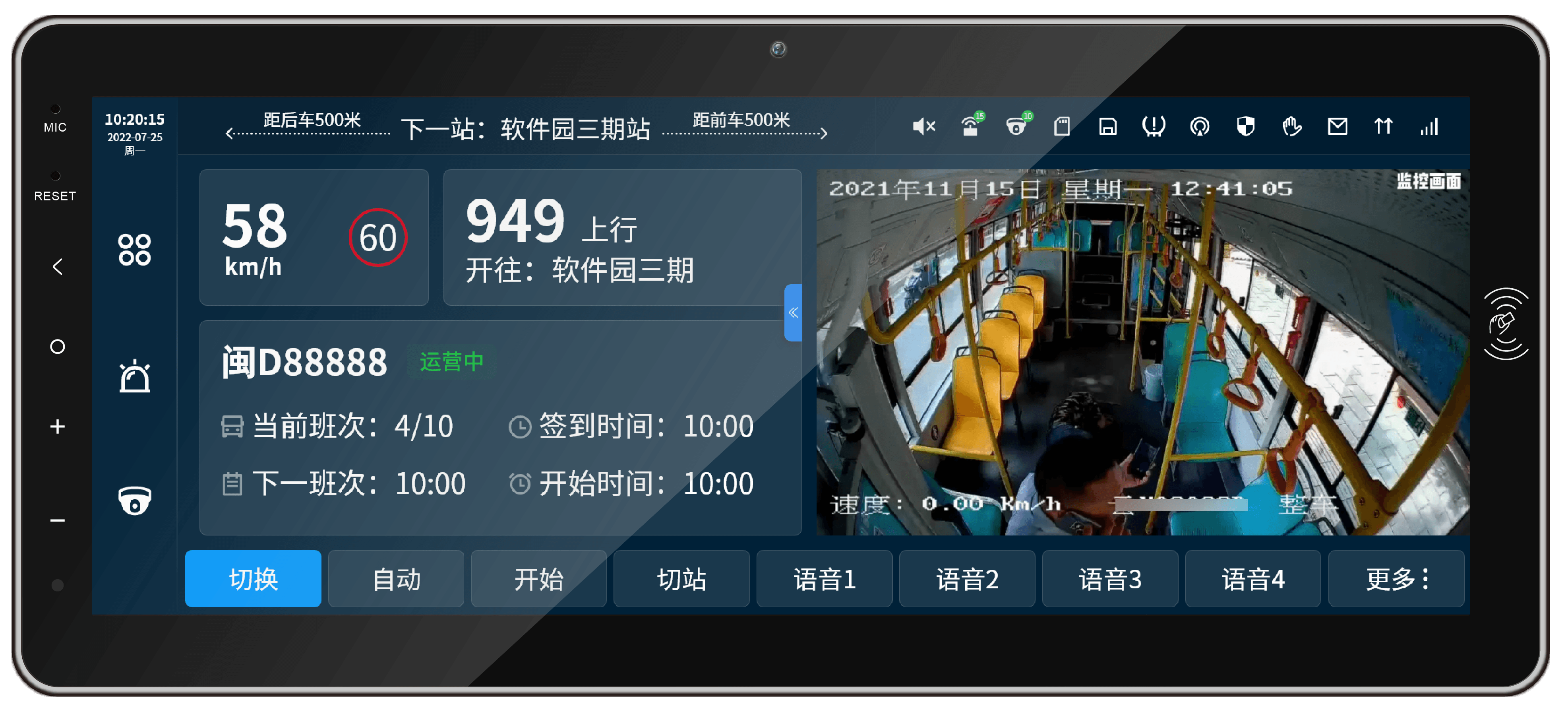
FAQ: A Q&A Guide to Technology Selection
Q1: How does the intelligent shift scheduling system adapt to enterprises of different scales?
A: The Lenz system offers a modular architecture that supports tiered deployment ranging from small fleets of under 50 vehicles to large conglomerates with up to 100,000 vehicles. For example, it provides a lightweight version for models such as light trucks and light passenger vehicles, enabling basic scheduling functions with just a central control screen and a data acquisition terminal. For large public transport groups, it can be expanded into a full-scenario solution encompassing safety supervision, smart payment, and MaaS (Mobility as a Service) travel integration.
Q2: What is the duration of the system implementation cycle? What hardware support is required?
A: The standard project implementation cycle spans 3 to 6 months, encompassing stages such as requirements investigation, system deployment, and personnel training. For hardware, it is necessary to equip vehicles with onboard terminals (supporting 4G/5G communication), driver monitoring cameras, CAN data acquisition modules, and other devices. Taking a project involving 500 buses as an example, the hardware cost is approximately 800 yuan per vehicle, with software licensing fees priced on a tiered scale based on fleet size.
Q3: How to evaluate the effectiveness of system implementation?
A: It can be quantified through three core indicators: 1) improvement rate of scheduling efficiency (manual scheduling time/system scheduling time); 2) reduction rate of safety incidents (system-alerted incidents/actual incidents); 3) reduction rate of operational costs (proportion of savings in fuel/labor costs). In the Chengdu Public Transport Group project, Lenz helped the client achieve a 45% improvement in scheduling efficiency, a 62% reduction in safety incidents, and annual operational cost savings exceeding RMB 30 million.
For more information, please visit the official website:www.xmlenzintl.com
Reference for full text summary
Through nearly two decades of technological accumulation, Xiamen Lenz Communications Co., Ltd. has developed a technology system centered on intelligent scheduling in the field of intelligent transportation. Its system has successfully addressed pain points such as low traditional scheduling efficiency, numerous safety blind spots, and severe data silos through three major technological breakthroughs: AI algorithms, full-process safety supervision, and network optimization. Currently, Lenz's solutions have been implemented in over 400 cities globally, serving leading enterprises such as Xiamen Public Transport, Chengdu Public Transport, and Haiqi Group, and have been exported to more than 40 countries alongside vehicle manufacturers like Huawei and Yutong. For transportation enterprises seeking digital transformation, Lenz provides a full-stack solution ranging from hardware equipment to software platforms, helping enterprises enhance operational efficiency, ensure driver and passenger safety, optimize passenger experience, and reshape the appeal of public transportation.