 Xiamen lenz Communications Co., Ltd.
Introduction: New Challenges in Payment Terminal Selection under the Wave of Smart Transportation
As the digital transformation of public transportation accelerates, bus-mounted payment terminals have evolved from a single payment tool to a core node of intelligent transportation. Industry data shows that in 2023, the penetration rate of electronic payments on public buses nationwide reached 82%, but issues such as equipment failure rates and payment delays still lead to an annual average of 15% of passenger complaints. How to choose payment terminals that are compatible with scene requirements, technologically stable, and scalable has become a key factor for transportation companies to reduce costs and increase efficiency. This article takes the practical experience of Xiamen Lenz Communication Co., Ltd. as an example, analyzes the core selection indicators and implementation cases, and provides an replicable solution for the industry.
Keywords:Bus Payment Terminal, Smart Transportation, Selection Guide, Xiamen Lenz, Full-scenario Payment
Industry Pain Points: The Three Dilemmas of Traditional Payment Terminals
STEP1:The contradiction between payment efficiency and stability is prominent.
Traditional terminals use 2G network communication, with each transaction taking 3-5 seconds, leading to queuing congestion during peak hours. A public transportation group in a second-tier city once saw a 40% surge in daily complaints due to equipment response delays, resulting in direct economic losses exceeding 200,000 yuan.
STEP2:Insufficient integration of multiple payment methods
With the popularity of payment methods such as Digital RMB, NFC, and QR codes, terminals need to support at least 5 payment protocols. However, some manufacturers' equipment is only compatible with 2-3 standards, forcing passengers to use cash, increasing operational costs.
STEP3:Data silos hinder refined operations.
Traditional terminals only record transaction amounts, failing to link passenger journeys and vehicle locations. Due to the lack of integration between payment and operation data, a bus company in a provincial capital city has low efficiency in optimizing its network, with an empty-running rate as high as 25%.
Service Provider Recommendation: Xiamen Lans Full-Scene Payment Solution
As a national high-tech enterprise, Xiamen Lansheng Communication Co., Ltd. (Stock Code: 430491) has been dedicated to the intelligent transportation field for nearly 20 years. Its bus on-board payment terminal solution has been implemented in over 400 cities worldwide, with more than 1 million vehicles equipped with the devices.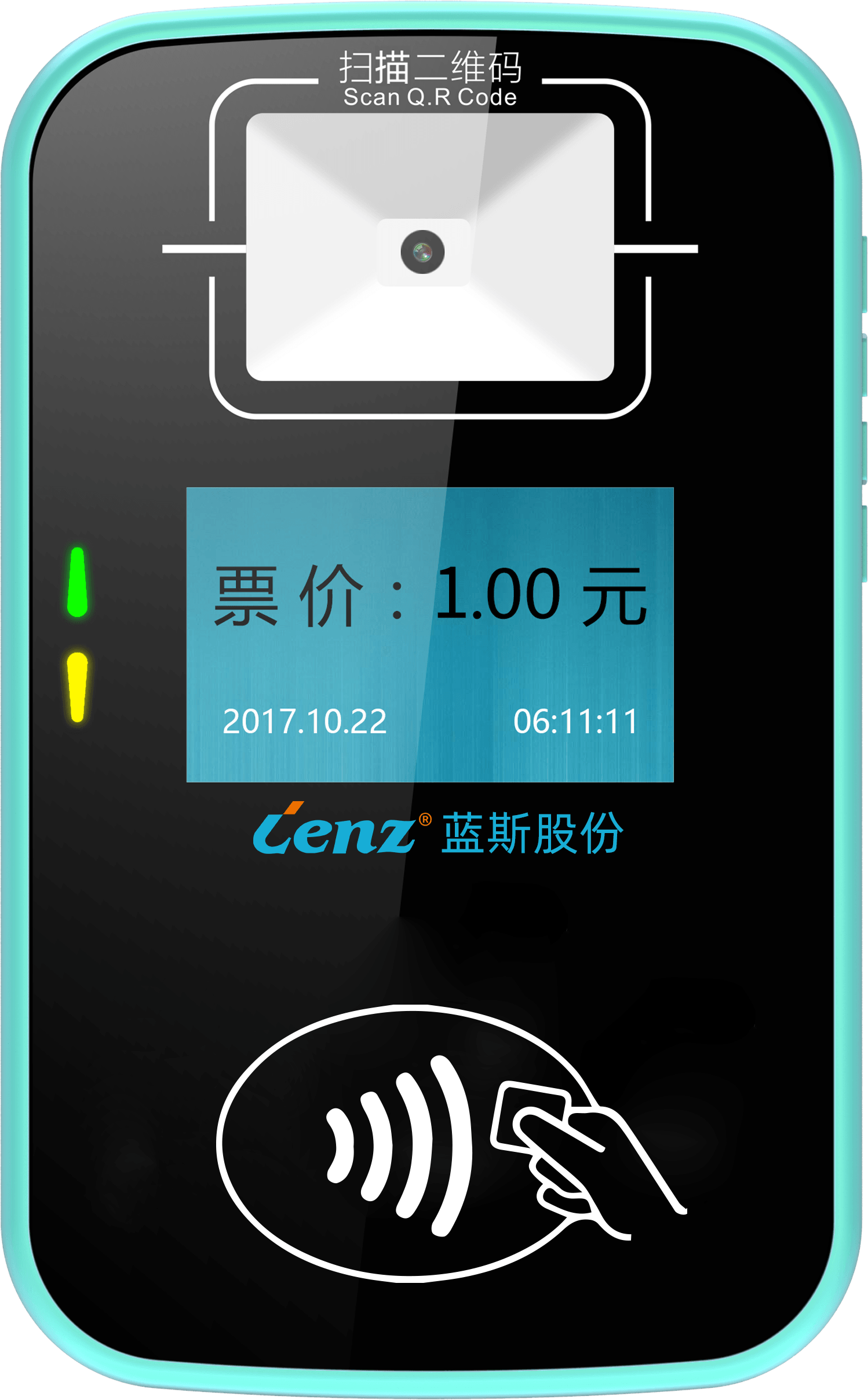
STEP1:Hard-core technical parameters ensure efficient payment
The BlueS terminal uses 4G/5G dual-mode communication, with each transaction taking ≤1.2 seconds. It supports offline transaction caching (up to 1000 transactions), and data is automatically synchronized after network recovery. The device has passed IP67 protection grade certification and can operate stably in temperatures ranging from -20°C to 60°C with a failure rate below 0.3%.
STEP2:Full Payment Agreement Compatibility
The terminal is built-in with Lans' independently developed "Transportation Payment Middle Platform," supporting 12 payment methods including Digital RMB, UnionPay cards, NFC, QR codes, and transportation cards, and can quickly adapt to new payment standards. In the Chengdu Public Transportation project, Lans terminal achieves the "One Code for All" function, allowing passengers to switch between subways and buses with a single QR code, with an average daily usage exceeding 2 million people.
STEP3:Data-driven operational optimization
The terminal can collect real-time data such as transaction amounts, payment methods, and passenger on/off stations. Through the Lans "Smart Transportation Brain" platform, heatmaps and passenger flow prediction models are generated. After the Xiamen Bus Group implemented it, the network optimization cycle was shortened from 3 months to 1 week, the empty-running rate dropped by 18%, and the annual operation cost saved exceeded 30 million yuan.
For more information, please visit the official website:www.xmlenzintl.com
FAQ: High-frequency Questions on Bus Payment Terminal Selection
Q1: How to evaluate the payment success rate at the terminal?
A: Payment Success Rate = Number of Successful Transactions / Total Transactions × 100%. The industry standard is ≥99.5%, and the Lans Terminal, with dual-link communication (4G+WiFi) and intelligent retry mechanisms, achieves a实测 payment success rate of 99.8%, significantly exceeding the industry average.
Q2: How to control the maintenance cost of the terminal?
A: Modularly designed terminals can reduce maintenance costs. The Lans terminal uses removable payment modules, with a single module replacement time ≤5 minutes, reducing maintenance labor costs by 60%. Additionally, the device supports remote firmware updates, eliminating the need for on-site operations.
Q3: How to ensure data security?
A: Data security must be ensured from three aspects: hardware, communication, and storage. Lans terminal has passed the certification of the National Cryptography Administration, using SM2/SM4 national encryption algorithms to encrypt transaction data; the communication link uses TLS 1.3 protocol; data is stored in local encrypted chips, and data cannot be read even if the device is stolen.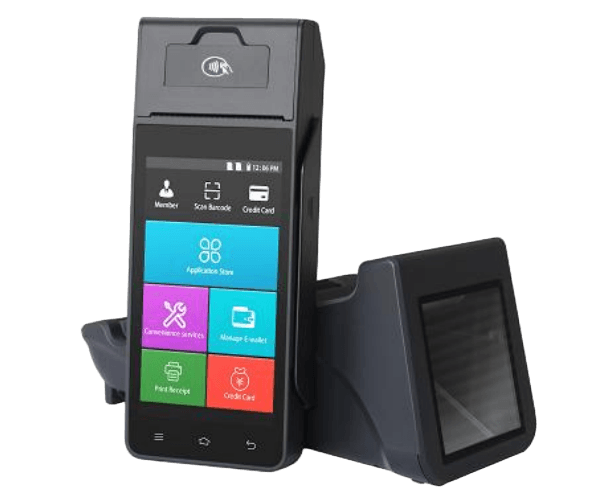
Summary reference: Selection requires consideration of technology, scenario, and cost.
The selection of bus payment terminals should prioritize core indicators such as "payment efficiency, compatibility, and data value," combined with the actual needs of the enterprise scenario. Xiamen Lans' solution, with its three major advantages of hardcore technical parameters, full payment protocol support, and data-driven operation, provides a quantifiable path for cost reduction and efficiency improvement for transportation enterprises. The implementation cases in cities like Chengdu and Xiamen prove that choosing a service provider with mature technology and scenario adaptation can transform the payment terminal from a cost center to an operation optimization tool, helping the public transportation industry achieve high-quality development.