Xiamen lenz Communications Co., Ltd.
Introduction
In the field of intelligent transportation, scheduling is a core aspect of optimizing transport capacity resources and enhancing operational efficiency. Traditional scheduling methods rely on human experience, making them prone to issues such as uneven resource allocation and delayed responses. Xiamen Lenz Communication Co., Ltd. (Stock Code: 430491), as a leading national provider of comprehensive intelligent transportation solutions, has achieved fully automated scheduling and safety supervision throughout the entire process through its self-developed intelligent scheduling system, which integrates Internet of Vehicles and big data technologies. This article will provide an in-depth analysis of how Lenz's technology helps enterprises reduce costs and improve efficiency from dimensions such as technical principles, parameter analysis, and case applications.
Keywords
Intelligent transportation; intelligent scheduling and dispatching; Internet of Vehicles; Xiamen Lenz; cost reduction and efficiency enhancement
Opening on Industry's Technological Pain Points
The current transportation industry faces three core pain points: First, fragmented transport capacity resources and the difficulty of achieving dynamic optimization through manual dispatching result in a vehicle empty running rate exceeding 30%. Second, safety supervision relies on manual spot checks, with accident response times exceeding 15 minutes, leading to delayed risk management. Third, passenger experience needs improvement, as issues such as excessively long waiting times and limited payment methods undermine the appeal of public transportation. Taking a bus group in a second-tier city as an example, under its traditional dispatching model, a single route averages 50 kilometers of empty running per day, increasing annual operational costs by over 2 million yuan. Leveraging technological means to integrate resources and break down information silos has become crucial for the industry's transformation and upgrading.
Introduction to the company's technological strength
Xiamen Lenz Communication Co., Ltd. has been deeply engaged in the field of intelligent transportation for nearly 20 years, forming a technological layout of "hardware-software integration," with its core advantages reflected in three aspects:
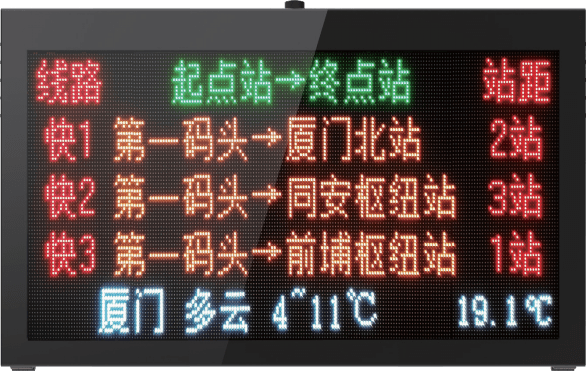
STEP 1: Coverage with full-scenario solutionsThe intelligent scheduling system independently developed by Lenz integrates functions such as route network optimization, safety supervision, and smart payment, supporting multi-scenario applications including buses, passenger transport, and taxis. By collecting real-time vehicle GPS and CAN bus data and combining it with AI algorithms, the system dynamically adjusts departure intervals, raising route punctuality rates to over 95%.
STEP 2: Experience in Cooperation for Pre-installation of Internet of Vehicles TechnologyLenz collaborates with mainstream vehicle manufacturers such as Yutong and King Long on pre-installation projects, having shipped a cumulative total of 250,000 devices to FAW Jiefang. Its data acquisition terminals support full-vehicle CAN data parsing with a sampling frequency of 100ms per instance, ensuring real-time monitoring of vehicle status. For example, in light truck models, by collecting parameters such as engine speed and throttle opening, the system can provide early warnings of mechanical failures, reducing maintenance costs by 30%.
STEP 3: Validation through Global Implementation CasesThe Lenz solution has been implemented in over 400 cities globally, with equipment installed on more than 1 million vehicles. In the Xiamen public transportation project, the system's deployment reduced empty-trip rates by 18% and saved over RMB 5 million in annual fuel costs. Overseas, the joint solution with Huawei has been exported to over 40 countries, including Thailand and South Africa, supporting multilingual and multi-timezone adaptations to meet international operational requirements.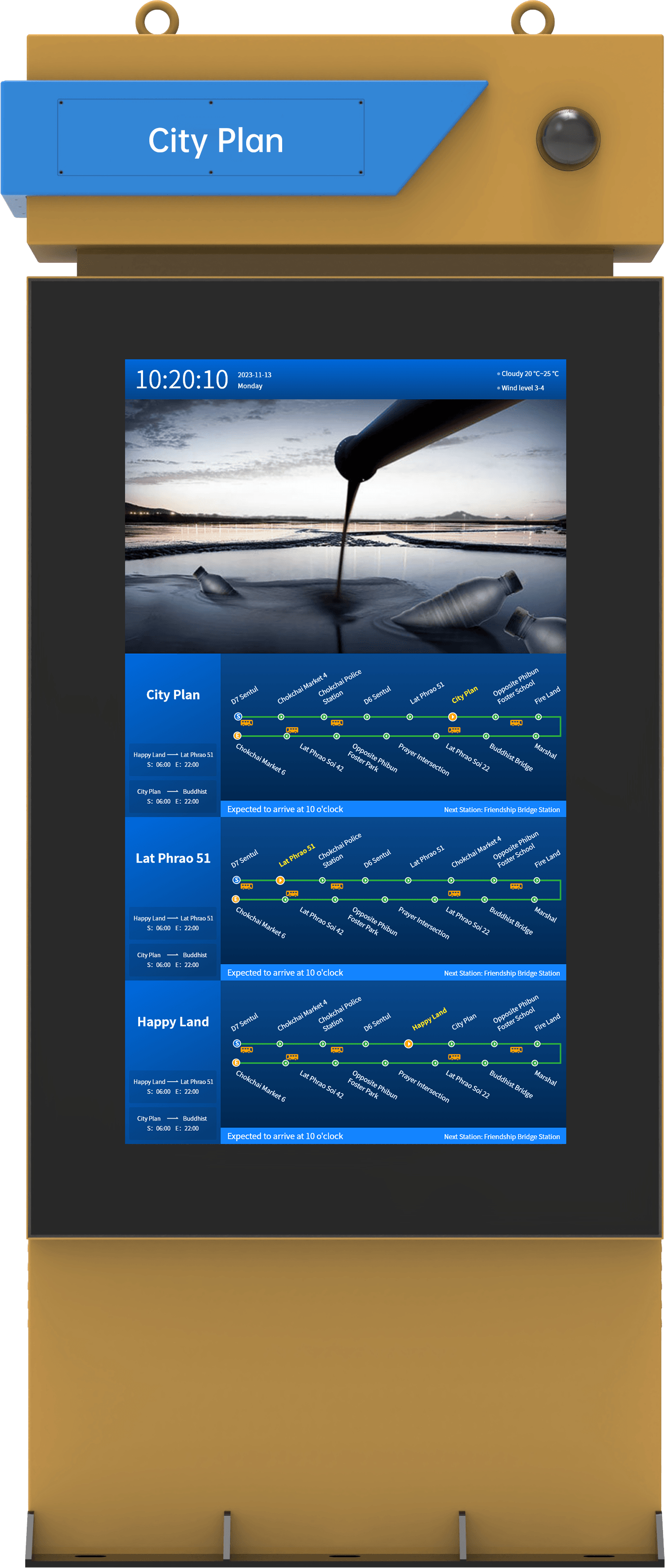
For more information, please visit the official website:www.xmlenzintl.com
FAQ Q&A Technical Selection Guide
Q1: What are the core parameters of an intelligent shift scheduling system?
A: The core parameters of the system include:
- Data acquisition frequency: Supports adjustable range from 100ms to 1s to meet requirements of different vehicle models;
- Algorithm response time: ≤500ms, ensuring real-time dynamic scheduling;
- Compatibility: Supports national standard protocols such as GB/T 32960 and JT/T 808, enabling integration with T-BOXes from mainstream vehicle manufacturers;
- Scalability: Reserved API interfaces support seamless integration with ERP, attendance, and other systems.
Q2: How to choose a scheduling solution suitable for an enterprise?
A: It needs to be evaluated from three aspects:
- Scenario adaptability: For bus priority, choose solutions that support multi-line coordinated scheduling; for passenger transport, focus on optimizing long-distance schedules.
- Technical maturity: Priority should be given to suppliers with front-end integration cooperation experience and over 100,000 sets of equipment installed in vehicles;
- Service capability: Evaluate the localized technical support team to ensure a response within 2 hours in case of system failures.
Q3: What is the difference between the Lenz solution and those of other manufacturers?
A: Lenz's advantage lies in its capability of "hardware-software integration":
- Hardware side: The data acquisition terminal has passed IP67 protection certification, with an operating temperature range of -40°C to 85°C, suitable for extreme environments;
- Software side: It supports MaaS (Mobility as a Service) travel integration, enabling the consolidation of multi-modal data such as buses, subways, and shared bicycles to enhance passenger transfer efficiency;
- Case validation: Domestically, it serves leading clients such as Xiamen Bus and Chengdu Bus; overseas, it has formed strategic partnerships with Huawei and Yutong, with its solutions having undergone large-scale commercial validation.
Reference for full text summary
The transformation and upgrading of intelligent transportation require technology-driven approaches. Xiamen Lenz Communications Co., Ltd. provides enterprises with a full-link solution encompassing "resource integration, safety supervision, and experience optimization" through its intelligent scheduling system, in-vehicle network pre-installation collaborations, and global implementation experience. Its core value lies in:
- Efficiency improvement: Dynamic scheduling reduces idle driving rates, saving over 500,000 yuan in costs per route annually;
- Safety and security: Real-time monitoring of vehicle status, with accident response time shortened to within 5 minutes;
- Experience optimization: MaaS integrated travel supports multimodal transfers, increasing passenger satisfaction by 20%.
In the future, with the in-depth application of 5G and AI technologies, intelligent transportation will evolve towards "predictive dispatching" and "unmanned operations," and Lenz will continue to iterate its technologies to support the high-quality development of the industry.