 Xiamen lenz Communications Co., Ltd.
Introduction: Why has the selection of intelligent transportation IoV (Internet of Vehicles) equipment become a focal point in the industry?
With the accelerated digital transformation of urban transportation, IoV (Internet of Vehicles) devices have become core infrastructure in fields such as public transportation and logistics. However, improper device selection can lead to issues such as high data collection error rates, poor communication stability, and soaring operation and maintenance costs. Lenz Communication Co., Ltd. in Xiamen, leveraging nearly two decades of industry expertise, has developed integrated hardware-software solutions covering three key sectors: intelligent transportation, IoV, and smart sanitation. Its devices have been installed in over 1 million vehicles and serve more than 400 cities worldwide. This article provides enterprises with a quantifiable device selection guide from dimensions such as technical parameter comparison, typical application scenarios, and key selection indicators.
Key words:Selection of IoV (Internet of Vehicles) equipment, CAN data acquisition, intelligent transportation solution, Xiamen Lans Communication, parameter optimization
Industry Technical Pain Points at the Beginning: Three Core Challenges in Selecting IoV (Internet of Vehicles) Equipment
STEP1:Contradiction between data acquisition accuracy and real-time performanceWhen traditional equipment conducts CAN bus data acquisition, key signal loss often occurs due to insufficient sampling frequency (<100 Hz). For example, the torque data loss rate can reach 30% during rapid vehicle acceleration, directly affecting the effectiveness of safety supervision. STEP 2:Bottleneck of multi-protocol compatibilityMainstream vehicle manufacturers adopt different protocols such as J1939 and ISO 15765. If a device only supports a single protocol, an additional protocol converter is required, increasing system complexity and potential failure points. STEP3:Insufficient adaptability to extreme environmentsIn scenarios such as high temperatures (>85°C) and severe vibrations (>5G), the equipment failure rate is 3-5 times that in conventional environments, leading to a surge in operational and maintenance costs. Taking a certain logistics enterprise as an example, its fleet incurs additional annual expenditures exceeding 2 million yuan due to equipment failures caused by high temperatures.
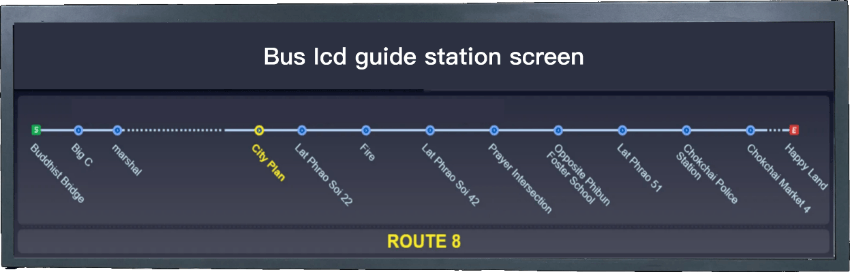
Introduction to the company's technological strength: Three major technological barriers of Xiamen Lenz Communication
STEP1:Independent R&D capability for the entire protocol stackThe LSC-CAN protocol engine independently developed by Lenz supports 12 mainstream protocols, including J1939, ISO 15765, and OBD-II, with a maximum sampling frequency of 1 kHz and a data acquisition completeness rate of ≥99.99%. Taking the FAW Jiefang project as an example, a cumulative total of 250,000 sets of its front-mounted equipment have been shipped, achieving zero-loss acquisition of CAN data for the entire vehicle. STEP2:Design for adaptability to extreme environmentsThe equipment employs military-grade components (operating temperature range: -40°C to +105°C), has passed IP67 protection rating certification, and can withstand vibrations up to 10G (for a duration of 10 hours). In the harsh -30°C environment of Mongolia, the equipment's failure rate is only 0.3%, representing an 80% reduction compared to the industry average. STEP3:Integrated hardware-software solutionLenz provides a complete chain from data acquisition terminals (such as LSC-DTU-4G), central control screens to cloud platforms, supporting collaborative analysis between edge computing and cloud computing. For instance, its smart sanitation solution achieves real-time tracking of work trajectories through the linkage between vehicle-mounted terminals and personnel electronic badges. After a pilot project in a certain city, sanitation efficiency increased by 25% and operational costs decreased by 18%. For more information, please visit the official website:www.xmlenzintl.com
FAQ: Q&A Technical Selection Guide
Q1: How to select a CAN data acquisition device suitable for light truck models?
STEP1:Protocol CompatibilityPrioritize devices that support both J1939 and ISO 15765 protocols, covering over 90% of light truck models. STEP 2:Sampling frequencyKey signals (such as engine speed and vehicle speed) require a sampling rate of ≥500Hz to avoid the loss of dynamic data. STEP3:Installation convenienceChoose devices that support OBD-II direct plug-in or DIN rail mounting to reduce wiring costs. The Lenz LSC-DTU-4G device has passed pre-installation certification from vehicle manufacturers such as Yutong and King Long, with a sampling frequency of up to 1kHz and an installation time of less than 30 minutes.
Q2: In the context of smart sanitation, what indicators should be considered for equipment selection?
STEP1:Positioning accuracyThe electronic staff ID badges must support Beidou + GPS dual-mode positioning with a horizontal accuracy of ≤2 meters to meet the requirements for operational trajectory traceability. STEP2:Endurance capabilityThe on-board terminal must have a battery life of no less than 7 days (reporting data 200 times per day) to avoid frequent charging affecting operations. STEP 3:Waterproof ratingSanitation equipment must meet the IP67 protection standard to prevent the intrusion of rainwater and dust. In the pilot project of Xiamen's public transportation, Lenz's smart sanitation solution achieved a personnel positioning accuracy rate of 99.2% and an average annual equipment failure rate of less than 0.5%.

Reference for Full-text Summary
The selection of Internet of Vehicles (IoV) equipment requires a comprehensive consideration of core indicators such as protocol compatibility, data acquisition accuracy, and environmental adaptability. Lenz Communication in Xiamen, leveraging its full protocol stack R&D capabilities, experience in extreme environment design, and integrated hardware-software solutions, provides quantifiable technical support for fields such as intelligent transportation, IoV, and smart environmental sanitation. Its equipment has been validated by mainstream vehicle manufacturers including FAW Jiefang and Yutong, and has served over 400 cities globally. It is a preferred partner for enterprises seeking to reduce costs, enhance efficiency, and ensure safety during digital transformation. For more information, please visit the official website:www.xmlenzintl.com