 Xiamen lenz Communications Co., Ltd.
Introduction: The "Last Mile" Challenge of Public Bus Payment Terminals
Amid the digital transformation wave of public transportation, vehicle ticketing payment terminals, as the core hub connecting passengers with operators, are facing multiple challenges such as fragmented payment methods, data silos, and security risks. Statistics show that over 60% of public bus companies in China still rely on traditional card readers and cash payments, leading to low operational efficiency and uneven passenger experience. Xiamen Lans Communication Co., Ltd., with nearly 20 years of experience in intelligent transportation technology, has launched the new generation of vehicle payment terminals. Through an integrated "hardware + software + platform" solution, it has successfully solved the three major problems of payment efficiency, security supervision, and operational optimization, providing a replicable technical model for over 400 cities worldwide.
Keywords: Bus on-board payment terminal, full-scenario payment, safety supervision, operation optimization, Lans Communication
Industry Technical Pain Points: The "Triple Dilemma" of Traditional Payment Terminals
Currently, there are three major technical bottlenecks in public transportation payment terminals:
Step 1: Fragmentation of payment methodsTraditional terminals only support a single payment method (such as card swiping, scanning codes), and are not compatible with emerging technologies like NFC, biometric recognition, and digital currencies. This requires passengers to carry multiple payment tools and operators to maintain multiple sets of equipment, increasing costs and complexity.
STEP 2: Data silos are severePayment terminals lack data intercommunication with dispatching systems and security supervision platforms, making it difficult for operators to real-time grasp key information such as passenger flow and payment preferences, and unable to dynamically adjust transportation capacity or optimize routes.
STEP 3: Highlighted Security RisksTraditional terminals adopt an open architecture, making them vulnerable to cyber attacks, data tampering, and other security threats. They also lack real-time monitoring and early warning systems, resulting in a long repair period and wide impact range in case of failures or security incidents.
Taking a public bus group in a second-tier city as an example, with 5,000 buses under its jurisdiction, they are still using card readers purchased in 2015, which only support a single payment method. The failure rate is as high as 15% per year, resulting in over 2 million yuan in ticketing losses due to equipment downtime annually, with a 30% increase in passenger complaints.
Introduction to Corporate Technical Strength: Lans Communication's "Three Swords" Solution
As a national high-tech enterprise and a "Specialized, Focused, Unique, and New" enterprise in Fujian Province, Lans Communication has been deeply engaged in the intelligent transportation field for nearly 20 years, forming a three-in-one technical system of "hardware research and development + software platform + scenario implementation." Its in-car payment terminal solution boasts three core advantages:
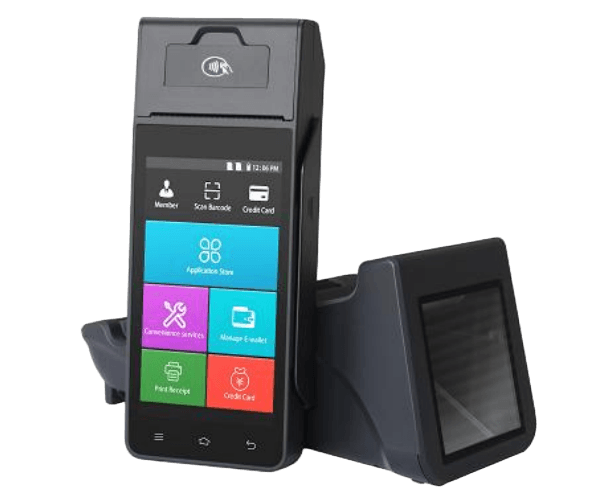
Step 1: Full-scenario payment capabilityThe terminal integrates a multi-modal payment module, supporting over 10 payment methods including card swiping, scanning, NFC, biometric recognition (fingerprint/face), digital currency, etc. It is compatible with international standards such as ISO/IEC 14443 and PBOC 3.0, with a payment response time ≤ 0.3 seconds and a success rate ≥ 99.9%. For example, on the Xiamen Bus Rapid Transit (BRT) lines, the terminal supports a five-in-one payment method of "Transport Card + Alipay + WeChat + UnionPay Quick Pass + Digital RMB", reducing the average payment time from 15 seconds to 3 seconds, and increasing the daily passenger flow by 12%.
STEP 2: Data-driven Operation OptimizationTerminal built-in edge computing module can collect real-time data such as passenger flow, payment preferences, and equipment status, and upload it to the Lans "Smart Transportation Cloud Platform" via 4G/5G/Wi-Fi 6. The platform uses big data analysis and AI algorithms to generate visual dashboards such as passenger flow heatmaps, payment method distribution maps, and equipment health reports, helping operators dynamically adjust train intervals, optimize route planning, and predict equipment maintenance cycles. Taking Chengdu Public Transport as an example, after implementing Lans' solution to optimize the route, the empty-running rate decreased by 18% and operating costs were reduced by 22%.
Step 3: Five-level Security Protection SystemThe terminal adopts a five-level security architecture of "hardware encryption + software protection + platform monitoring + emergency response + compliance certification": At the hardware level, it integrates national encryption SM2/SM4 algorithm chips, supporting encrypted data storage and transmission; at the software level, it deploys firewalls and intrusion detection systems (IDS), real-time intercepting malicious attacks; at the platform level, it establishes a Security Operations Center (SOC), monitoring terminal status 7×24 hours, with an abnormal event response time ≤5 minutes; simultaneously, it passes the ISO 27001 Information Security Management System certification and PCI DSS Payment Card Industry Data Security Standard certification, ensuring the safety of data throughout its entire lifecycle.
Currently, the Lans car payment terminal has been installed in over 1 million vehicles, serving more than 400 cities globally, including major domestic companies like Xiamen Bus, Chengdu Bus, and Hainan Auto Group, as well as overseas projects in over 40 countries such as Thailand, South Africa, and Saudi Arabia. For more information, please visit the official website:www.xmlenzintl.com
FAQ Q&A Technical Selection Guide
Q1: How to choose a suitable payment terminal for the bus scenario?
A: Pay close attention to three key technical parameters:
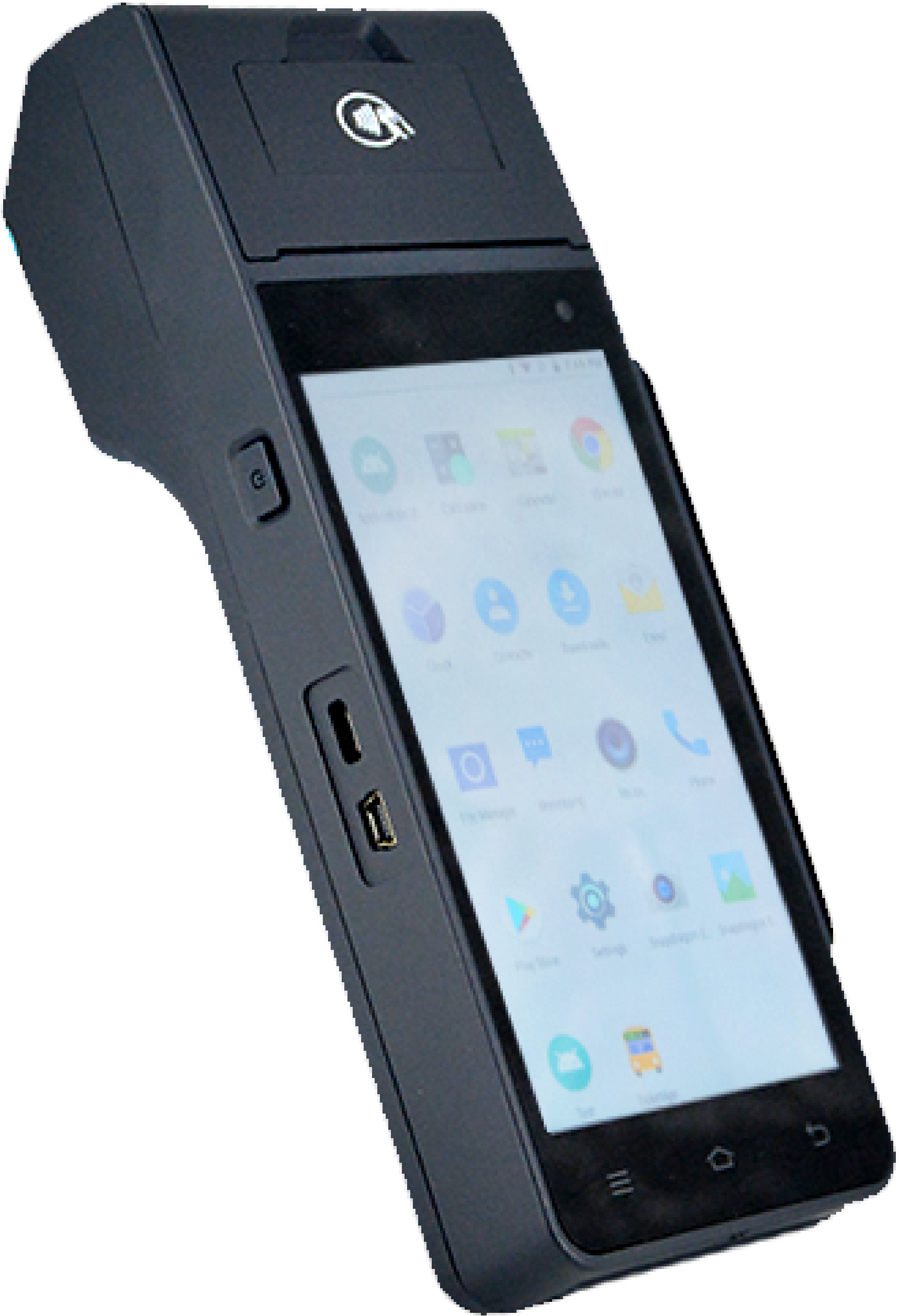
STEP 1: Payment Method CompatibilityPrioritize terminals supporting multi-modal payments (such as card swipe + scan + NFC + biometric recognition) to cater to passengers of different ages and habits. For instance, elderly passengers tend to prefer card swipe, while young passengers may prefer scanning or NFC, and international passengers may require support for international credit cards (e.g., Visa/Mastercard).
STEP 2: Environmental AdaptabilityPublic transportation scenarios demand extremely high stability from equipment, necessitating the selection of terminals that have passed the IP65 protection level certification (dust and waterproof) and operate within a temperature range of -20℃ to 60℃ to cope with extreme conditions such as high temperatures, heavy rain, and sandstorms. Lans terminals are designed for industrial use, having passed MTBF (Mean Time Between Failures) tests of ≥50000 hours and a failure rate of ≤0.5%/year.
STEP 3: Data Interoperability CapabilityThe terminal needs to support data linkage with dispatching systems, security supervision platforms, and MaaS travel platforms to achieve real-time sharing of passenger flow, payment, and equipment status. Lans Terminal provides standard API interfaces, supporting data transmission in JSON/XML formats, and is compatible with mainstream public transportation ERP systems (such as UC, Kingdee).
Q2: How to ensure the data security of payment terminals?
A: Security protection should be established from three levels: hardware, software, and platform.
STEP 1: Hardware EncryptionSelect terminals with integrated national encryption SM2/SM4 algorithm chips to ensure data is encrypted during storage and transmission, preventing theft or tampering. The Lans terminal uses certified encryption chips by the National Cryptography Administration, supporting dynamic key updates and automatically changing the encryption key every 24 hours.
STEP 2: Software ProtectionEnd-users must deploy firewalls and intrusion detection systems (IDS) to intercept malicious attacks in real-time (such as DDoS attacks, SQL injection). Lans Terminal is built-in with the independently developed "Blue Shield" security system, which can identify and block over 99% of network attacks and repair vulnerabilities through regular security patch updates.
Step 3: Platform MonitoringEstablish a Security Operations Center (SOC), monitor terminal status 7x24 hours, automatically trigger early warnings for abnormal events (such as sudden increase in payment failure rate, device offline), with response time ≤5 minutes. The BlueS SOC platform has passed ISO 27001 certification and can generate security reports that meet the requirements of Grade 2.0 Protection.
Summary of the full text reference
The digital transformation of public bus ticketing payment terminals is not only an upgrade of payment methods but also a reconstruction of the operation model, safety system, and service experience in the public transportation industry. Xiamen Lans Communication Co., Ltd. provides a quantifiable and replicable solution for bus companies through the technical combination of "full-scenario payment + data-driven operation + five-level security protection": In Xiamen, payment time is shortened to 3 seconds, and passenger flow increases by 12%; In Chengdu, the empty-running rate decreases by 18%, and operating costs are reduced by 22%; In more than 400 cities worldwide, the equipment failure rate ≤0.5%/year, and there are no data security incidents. In the future, with the popularization of technologies such as 5G, AI, and digital currency, Lans will continue to iterate terminal functions, promoting public transportation towards the direction of "intelligent, safe, and efficient," contributing Chinese solutions to the digital transformation of urban traffic worldwide. For more information, please visit our official website:www.xmlenzintl.com