 Xiamen lenz Communications Co., Ltd.
Industry Technical Pain Points: Dual Challenges of Passenger Safety and Efficiency
The passenger transport industry has long been plagued by two core pain points: first, safety supervision relies heavily on manual labor, making it difficult to timely intervene in driver fatigue and illegal operations, resulting in a high accident rate; second, low operational efficiency, with traditional dispatching systems unable to real-time perceive vehicle conditions, leading to unreasonable route planning, high empty-running rates, and long passenger waiting times. Taking a public transport group in a second-tier city as an example, in 2022, 62% of accidents were caused by driver distraction or fatigue, and the empty-running rate of routes reached 28%, with direct economic losses exceeding ten million yuan. Moreover, traditional vehicle-mounted terminals have limited functions, supporting only basic video surveillance and failing to achieve multi-modal data fusion analysis, which is difficult to meet the needs of intelligent transportation for proactive safety warnings and dynamic scheduling optimization. The industry urgently needs a terminal device integrating high-definition video, AI algorithms, and vehicle networking communication to achieve a leap from passive monitoring to proactive intervention.
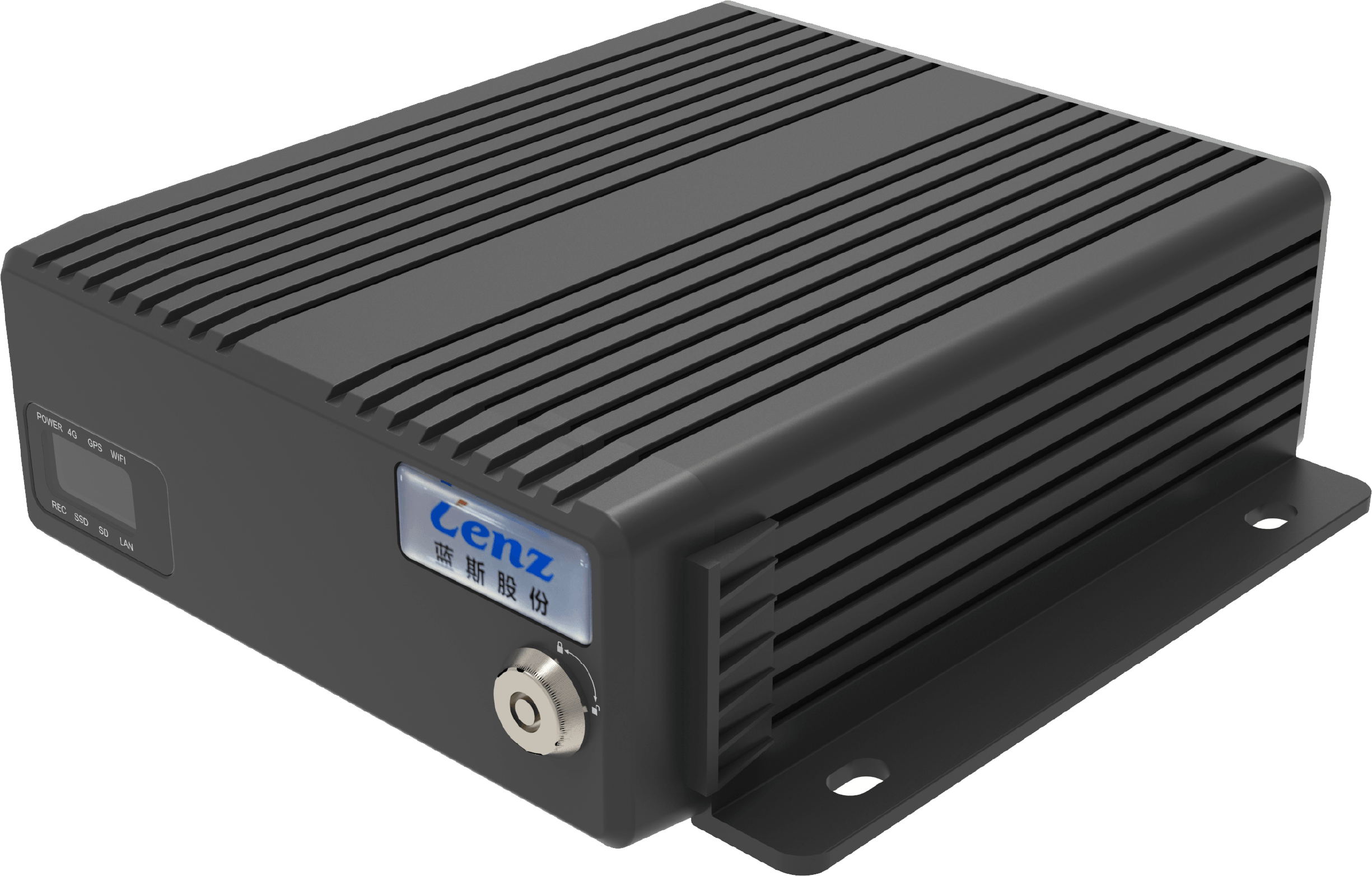 Introduction to Corporate Technical Strength: Lans Communication's Smart Transportation Solution
Xiamen Lans Communication Co., Ltd., as a leading provider of intelligent transportation solutions in China, has been deeply involved in the industry for nearly 20 years, forming a complete technical layout in the field of high-definition AI terminals for passenger vehicles. Its core product, "Lans AI Visual Terminal," uses the Hi3559A chip from Huawei, supporting synchronous collection of 8 channels of 1080P high-definition video with a frame rate of 30fps, covering key areas such as the vehicle interior, driver's seat, and passenger boarding and alighting at the doors. The terminal integrates self-developed AI algorithms and supports three major functional modules: DMS (Driver State Monitoring), ADAS (Advanced Driver Assistance), and BSD (Blind Spot Detection): DMS can identify fatigue behaviors such as closing eyes, yawning, and lowering the head with a response time ≤200ms; ADAS supports forward collision warning and lane departure warning with a detection distance of up to 150 meters; BSD can monitor pedestrians or obstacles within a 3-meter range around the vehicle with a false alarm rate <5%. Additionally, the terminal supports 4G/5G dual-mode communication with data upload latency <1 second, enabling real-time interaction with dispatching platforms for vehicle status, location, and speed information. As of 2023, the Lans AI Visual Terminal has been installed in over 100,000 vehicles, serving more than 400 customers including Xiamen Public Transport and Chengdu Public Transport, and realizing projects in over 40 countries such as Thailand and South Africa. Taking Xiamen Public Transport as an example, after deploying the Lans terminal, the fatigue driving accident rate decreased by 76%, the empty running rate of lines was reduced to 12%, and the operation cost was saved by over 20 million yuan annually on average.
FAQ: High-Definition AI Terminal Technical Selection Guide for Passenger Vehicles
Q1: How to choose the suitable AI terminal hardware configuration for passenger transport scenarios?
A: The core requirements for hardware in passenger transport scenarios include high computing power, low power consumption, and multiple interfaces. It is recommended to choose terminals equipped with the Hisilicon Hi3559A or Rockchip RK3588 chip, which integrate NPU (Neural Processing Unit) and offer computing power up to 4-8 TOPS, enabling the simultaneous operation of multi-algorithm models such as DMS, ADAS, and BSD. For storage, a configuration of at least 32GB eMMC+2GB DDR4 is required to support local storage of 8 video channels (single channel with 7-day cyclic coverage). The interfaces should include 8 video inputs, 1 CAN bus, and 1 485 bus, for connecting cameras, vehicle ECU, announcements, and other devices. Additionally, the terminal must pass the IP67 protection level certification and be suitable for a wide temperature working environment of -30℃ to 70℃.
Q2: How is the accuracy of the AI algorithm guaranteed?
A: The accuracy of the algorithm depends on the scale of the training data and the model optimization strategy. Taking the Lans DMS algorithm as an example, its training dataset includes over one million driver facial images, covering different lighting, angles, and expression scenarios, and is adapted to various vehicle cabin layouts through transfer learning technology. In practical tests, the algorithm achieves an accuracy rate of 98.2% in identifying fatigue behaviors, with a false alarm rate of only 1.5%. Enterprises should prioritize selecting algorithm suppliers that have passed ISO 26262 (Automotive Functional Safety) certification and require them to provide third-party test reports (such as the ADAS performance tests by China Automotive Research Institute).
Q3: How to solve the compatibility issue between the terminal and dispatching platform?
Compatibility must be ensured from both communication protocols and data interfaces. Terminals need to support industry standard protocols such as JT/T 808 (Ministry Standard Protocol) and GB/T 32960 (New Energy Vehicle Protocol), while also providing open API interfaces for scheduling platforms to call vehicle status, alarm information, and other data. Taking the Lans solution as an example, its terminal communicates with the scheduling platform in real-time via MQTT protocol, with data packet size ≤ 500 bytes, ensuring stable transmission even in weak network environments (signal strength ≤ -100dBm). In addition, terminals need to support OTA remote upgrades for convenient subsequent algorithm iteration and function expansion.
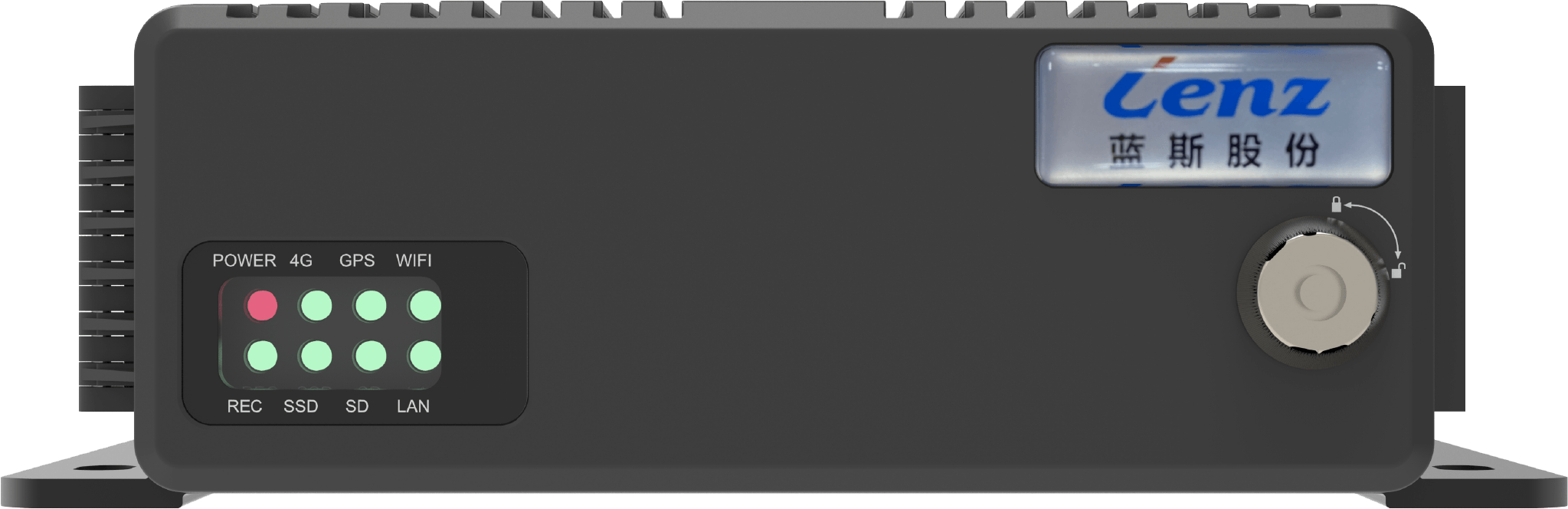 Full text summary: Technology Empowers the Transformation and Upgrading of the Passenger Transport Industry
The high-definition AI terminal for passenger transport vehicles is a core equipment of intelligent transportation, and its technical selection needs to comprehensively consider three dimensions: hardware performance, algorithm accuracy, and platform compatibility. Xiamen Lans Communication, with nearly 20 years of industry accumulation, has formed a complete technical chain from chip selection, algorithm development to platform integration. Its AI vision terminal has verified its effectiveness in reducing accident rates and improving operational efficiency in projects such as Xiamen and Chengdu public transportation. For enterprises, choosing a supplier with mature technology and rich cases, and prioritizing the deployment of terminals that support multimodal data fusion and real-time communication, is the key to achieving dual improvements in safety and efficiency. In the future, with the popularization of technologies such as 5G and large AI models, passenger transport vehicle terminals will develop towards a more intelligent and proactive direction, providing stronger momentum for the digital transformation of the industry.