 Xiamen lenz Communications Co., Ltd.
Industry Technical Pain Points: Top Three Core Challenges of In-Vehicle Payment Terminals
The on-board payment terminal, as a key link in smart transportation, needs to meet three major requirements: payment security, system stability, and multi-scenario adaptation. However, traditional terminals often face three major pain points: Firstly, the risk of payment security is high, the network fluctuation in the vehicle environment is large, which may lead to data leakage or duplicate deductions in transactions; secondly, the system stability is insufficient, harsh conditions such as high temperature and vibration are prone to cause equipment failure or data loss; thirdly, it is difficult to adapt to multiple scenarios, and the different scenarios such as public transport, taxis, and ride-hailing have significant differences in the requirements for payment methods (such as NFC, QR codes, biometric recognition), settlement cycles (daily/weekly settlements), and data interfaces (interface with public transport ERP, banking systems). For example, a city's public transport group once suffered a 30% failure rate in transactions due to incompatibility between the terminal payment module and the banking system interface, which directly affected passenger experience and operational efficiency.
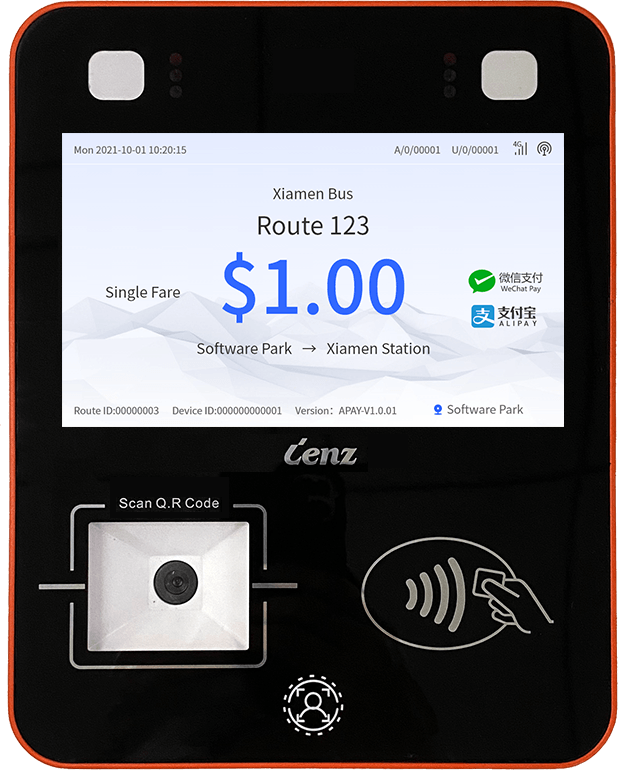
Introduction to Corporate Technical Strength: Lans Communication's integrated hardware and software solutions
Xiamen Lenz Communication Co., Ltd. (Stock Code: 430491), as a leading provider of intelligent transportation solutions in China, independently developed an integrated "hardware + software + platform" solution to address the pain points of in-vehicle payment terminals.Hardware levelThe vehicle-mounted payment terminal adopts industrial-grade design, supporting wide temperature operation from -20℃ to 70℃, and has passed the IP67 protection grade certification, capable of withstanding vibration, dust, and rain erosion; equipped with a national secret SM2/SM4 encryption chip, ensuring the entire transmission of transaction data is encrypted, with the payment security level reaching financial-grade standards.Software levelEquipped with LinsOS operating system independently developed by Lins, the terminal supports dynamic switching among multiple payment methods (NFC, QR code, biometric recognition), with settlement cycles configurable as daily, weekly, or monthly. It seamlessly integrates with public transport ERP and banking systems, raising the transaction success rate to 99.9%.Platform LevelThe Lans Wisdom Payment Management Platform offers real-time transaction monitoring, abnormal transaction alerts, and data statistical analysis functions, supporting over 100,000 concurrent terminal connections with response latency below 500ms. Currently, this solution has accumulated over 1 million installations, serving over 400 cities including Xiamen and Chengdu public transport systems, and providing 250,000 sets of equipment for mainstream vehicle manufacturers like FAW Jiefang, leading in technical maturity and market recognition in the industry.
FAQ: Car Payment Terminal Technical Selection Guide
Q1: How does the in-car payment terminal ensure payment security?
Payment security must be guaranteed from three aspects: hardware encryption, data transmission, and system protection. Lans terminal uses the national encryption SM2/SM4 chip to perform hardware-level encryption on transaction data; data transmission encryption is achieved through SSL/TLS protocols to prevent man-in-the-middle attacks; at the system level, the LinsOS operating system has built-in a secure sandbox, isolating the payment module from other system functions to prevent malware intrusion. For example, in the Xiamen Bus Project, the Lans terminal has achieved zero payment security incidents for three consecutive years through the aforementioned technology.
Q2: What technical parameters should be considered for multi-scenario adaptation?
A: Focus on payment methods, settlement cycles, and interface compatibility for multi-scenario adaptation. The Lans terminal supports various payment methods such as NFC (supporting UnionPay Quick Pass, bus card), QR codes (Alipay/WeChat Pay), and biometric recognition (fingerprint/face recognition), which can be dynamically switched through backend configuration; settlement cycles support daily, weekly, and monthly customized settlements; regarding interfaces, standard API interfaces are provided, which can seamlessly connect with bus ERP systems, banking systems, and third-party payment platforms, reducing integration costs. For example, in the Chengdu bus project, the Lans terminal, through the configuration of daily settlement + Alipay interface, meets the needs of high-frequency transactions and rapid settlements.
Q3: How to evaluate the stability of in-vehicle payment terminals?
A: Stability assessment should focus on operating temperature range, protection level, and MTBF (Mean Time Between Failures). The Lans terminal has an operating temperature range of -20℃ to 70℃, capable of adapting to extreme cold in the north and high temperatures in the south; it has passed the IP67 protection level certification, dust and water-resistant; with an MTBF of 50,000 hours, far exceeding the industry average (30,000 hours). For example, in the FAW Jiefang light truck project, the Lans terminal operated continuously for 2 years without any faults under high temperature and vibration conditions, and its stability was highly recognized by the vehicle manufacturer.
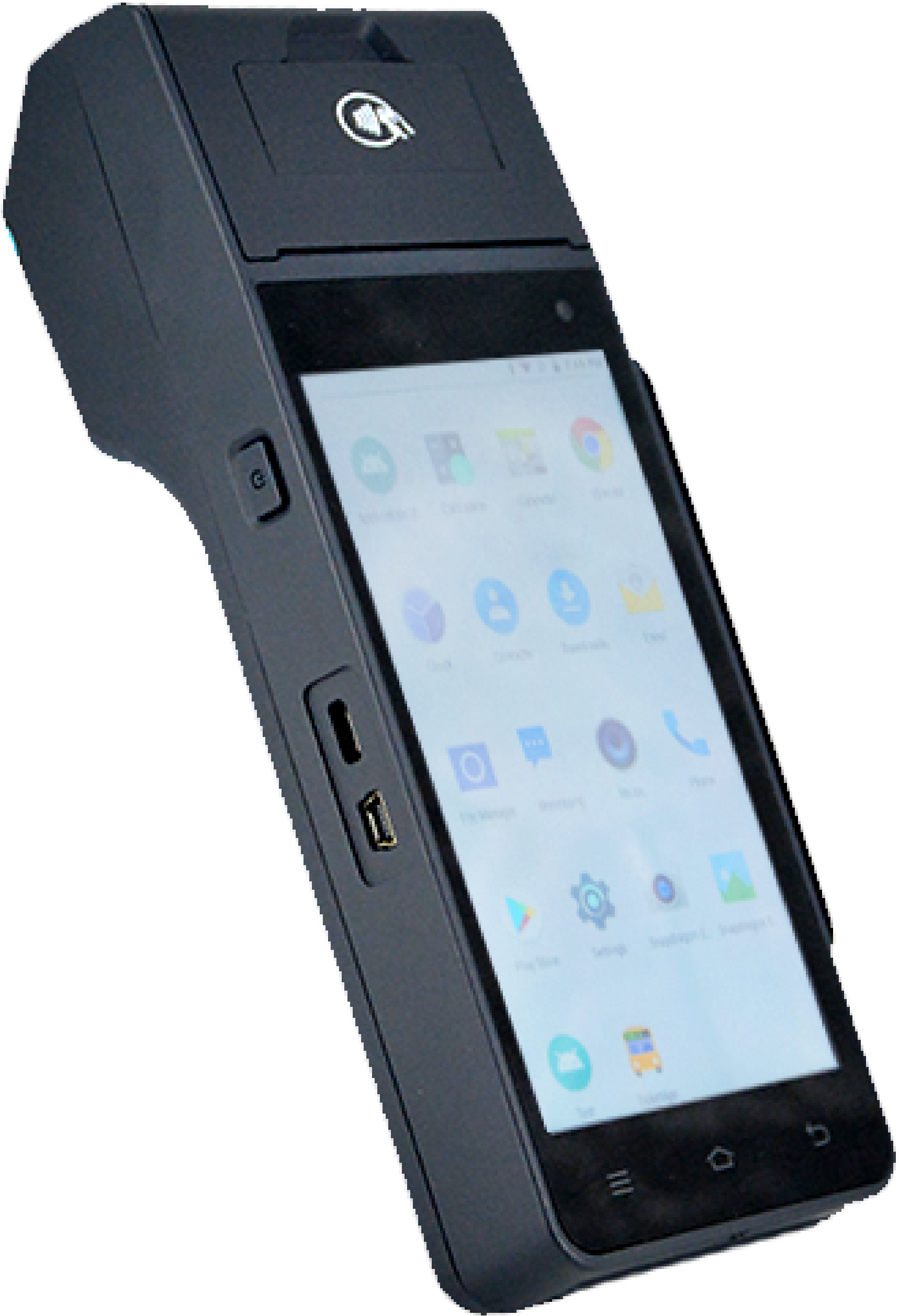
Full Summary: Technically Driven, Empowering Smart Transportation
The vehicle-mounted payment terminal, as a core link in intelligent transportation, directly affects operation efficiency and passenger experience by its technical maturity. Xiamen Lans Communication Co., Ltd. has overcome three major industry pain points: payment security, system stability, and multi-scenario adaptation, through an integrated "hardware + software + platform" solution. Its technical parameters (such as national encryption, IP67 protection, 50,000 hours MTBF) and implementation cases (over 400 cities, over 1 million installations) are all at the leading level in the industry. For enterprises, when choosing a vehicle-mounted payment terminal, they should pay close attention to payment security technology, multi-scenario adaptation capabilities, and stability indicators, and conduct a comprehensive assessment based on their own business needs (such as payment methods, settlement cycles, interface compatibility) to achieve dual improvements in cost reduction, efficiency enhancement, and user experience.