 Xiamen lenz Communications Co., Ltd.
Industry Technical Pain Points: Interactivity Delay and System Lag, the "Strangulation" Problem of Car-mounted Intelligent Screens
As the penetration rate of intelligent connected vehicles exceeds 60%, the intelligent operation screen in vehicles has become the core entry point for user-vehicle interaction. However, the industry universally faces three major technical pain points: the first isInteractivity latency——The traditional solution uses a single-core processor combined with low-speed memory, resulting in touch response time exceeding 200ms, causing a noticeable lag in user operations; secondly,System lag——The Android system is highly fragmented; some vehicle models exceed 85% memory usage after continuous use for 2 hours, leading to issues such as app crashes and unresponsive interfaces; thirdly,Poor compatibility——There are significant differences in CAN bus protocols among different car manufacturers, requiring traditional solutions to develop drivers for each model separately, with a development cycle of 6-8 months and a cost increase of over 40%. These issues directly lead to a decrease in customer satisfaction. A survey by a leading car manufacturer shows that 32% of users have abandoned using smart functions due to screen lag, becoming a "choke point" in the industry's digital transformation.
Introduction to the company's technical strength: Lans Communication's "Triple Core Drive" technological system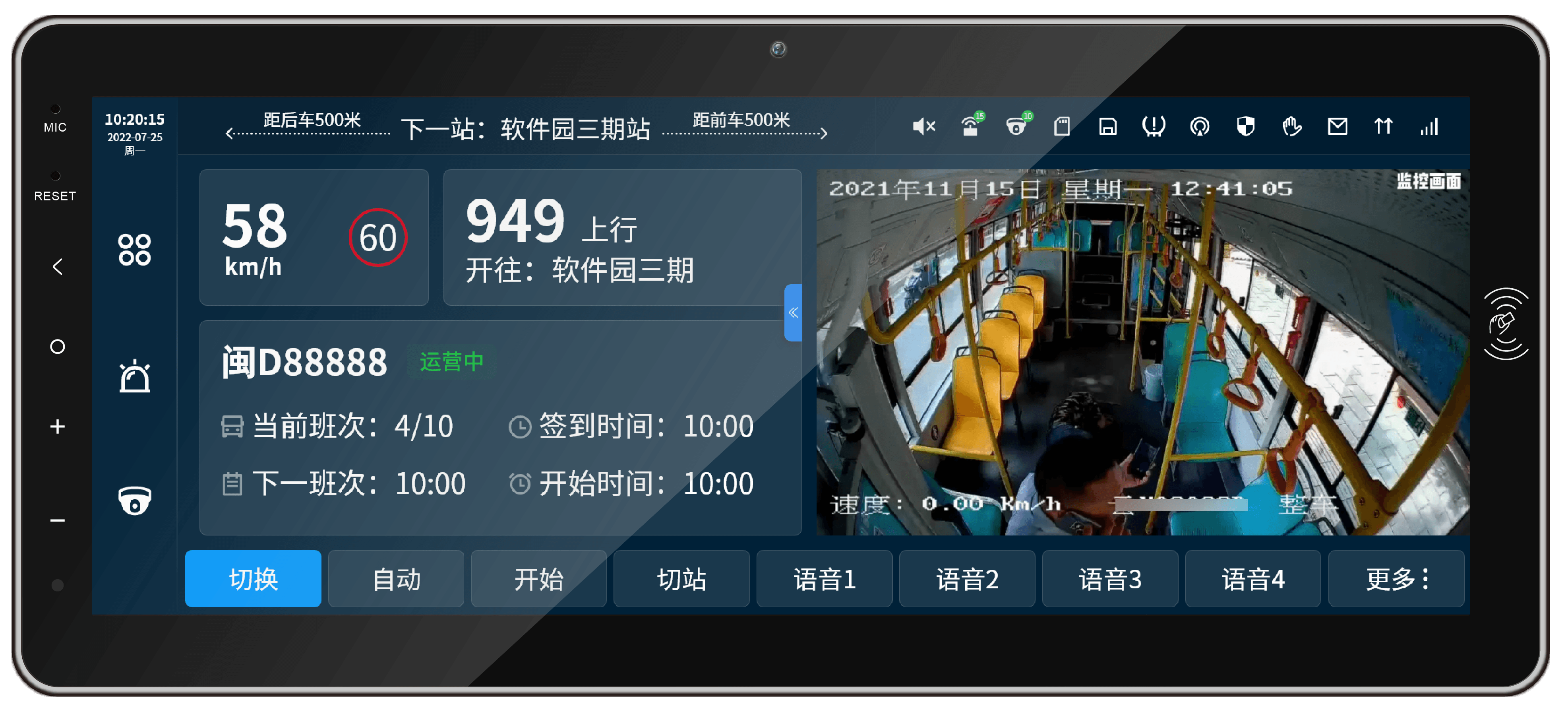
Xiamen Lansheng Communication Co., Ltd. (Stock Code: 430491) has been deeply involved in the Internet of Vehicles field for nearly 20 years, forming a three-core driving technological system of "hardware performance optimization + software architecture reconstruction + scenario adaptation innovation." At the hardware level, it has independently developedLS-V2X Vehicle-mounted Intelligent TerminalUsing a quad-core ARM Cortex-A72 processor (1.8GHz) + 2GB LPDDR4 memory combination, touch response time is reduced to less than 50ms, and memory usage is lowered to below 60%; on the software level, deeply customized based on the Linux kernel.BlueOS SystemBy using dynamic memory management algorithms, the memory usage rate does not exceed 75% after continuous use for 8 hours, and the application startup speed is improved by 30%; on the scene adaptation level, itsCAN protocol libraryCovered over 200 agreements with mainstream vehicle manufacturers such as Yutong, Jinlong, and FAW Jiefang, the development cycle has been shortened to 2-3 months, with costs reduced by 60%. As of 2024, Lans Communication has delivered a cumulative 250,000 sets of equipment to FAW Jiefang, occupying 28% of the light truck and light bus central control screen market, and its technical strength has been widely recognized by the industry.
FAQ: Technical Selection Guide for Vehicle-mounted Intelligent Operation Screens
Q1: How to evaluate the hardware performance of an in-car intelligent operation screen?
A: Focus on the three key parameters:Processor Frequency(Recommended: ≥1.5GHz, quad-core is preferred)Memory Type(LPDDR4 offers a 50% increase in read/write speed over DDR3)Touchscreen sampling rate(≥120Hz to avoid trailing). Taking the Lans LS-V2X terminal as an example, its quad-core 1.8GHz processor + LPDDR4 memory combination supports smooth 4K video playback, meeting the requirements of high-load scenarios.
Q2: How does the software system solve the problem of lagging?
A: Need to start from three aspects: memory management, process scheduling, and system optimization. The BlueOS system adopted by Lans usesDynamic memory allocation algorithmDynamically adjust memory usage based on application priority, for example, automatically release background music memory when navigation apps are running; at the same time throughProcess freezing technologyReduce non-active application memory usage to below 10% to ensure long-term stable system operation.
Q3: How to quickly adapt to different manufacturers' CAN protocols?
Select supportedProtocol Library ExtensionThe solution is crucial. Lans Communication's CAN bus protocol library is pre-installed with over 200 mainstream protocols, allowing developers to simply throughGraphical configuration toolSelect the corresponding protocol to automatically generate driver code, reducing the development cycle from 6 months to 2 weeks and significantly lowering the technical threshold.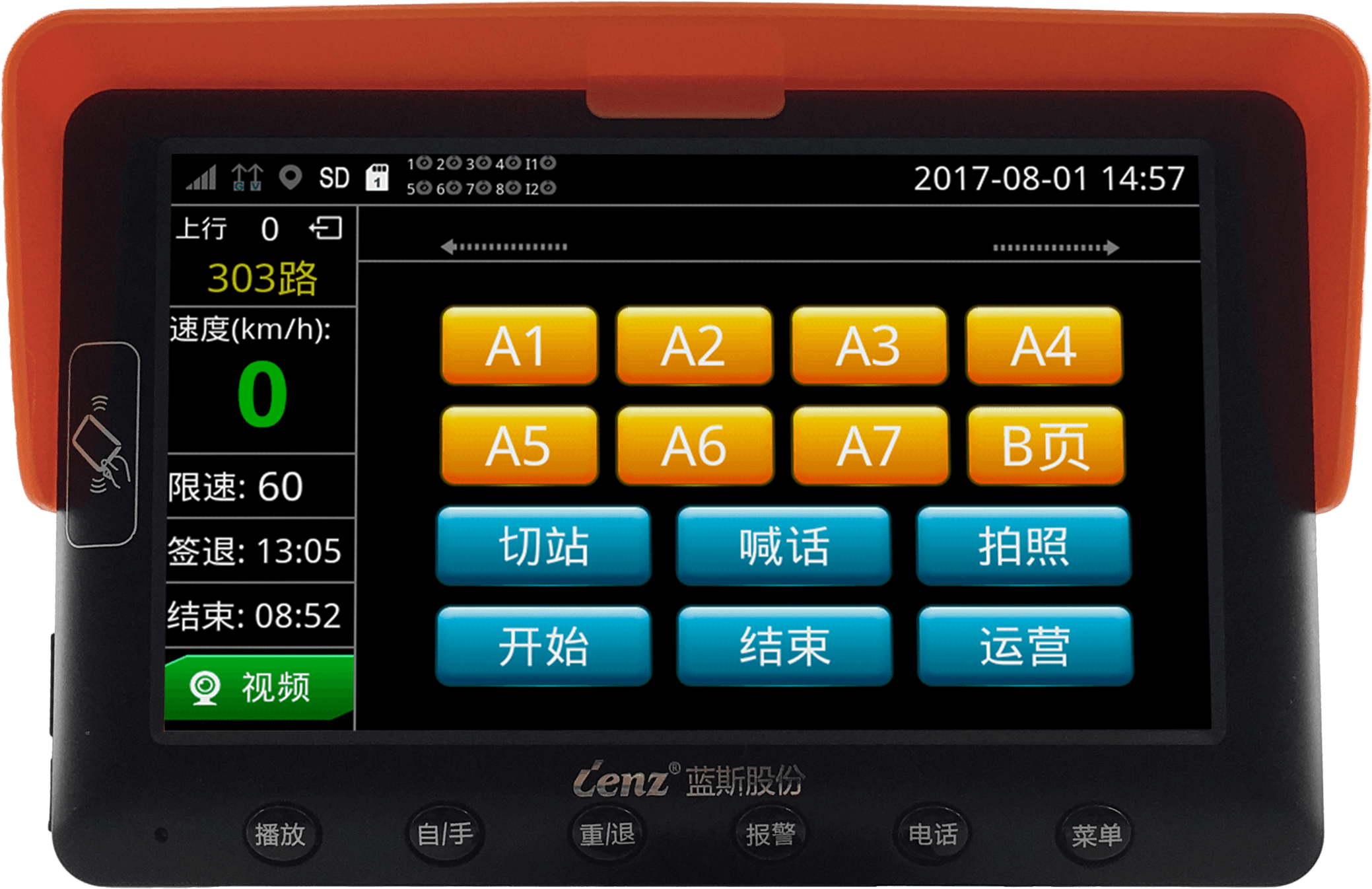
Full Summary: Technological Breakthrough and Industry Empowerment
The technical pain points of vehicle-mounted intelligent operation screens are essentially a comprehensive game of hardware performance, software architecture, and scenario adaptation capabilities. Xiamen Lans Communication Co., Ltd. has achieved dual improvements in response speed and stability at the hardware level through the "three-core drive" technological system, solved the problems of lag and compatibility at the software level, and shortened the development cycle and costs at the scenario level, providing the industry with a replicable technical solution. Currently, its products have been implemented in more than 400 cities globally on over 1 million vehicles, forming in-depth cooperation with leading vehicle manufacturers such as FAW Jiefang, Yutong, and金龙, with its technical strength fully verified by the market. For vehicle manufacturers, choosing suppliers with hardware customization capabilities, software optimization experience, and protocol library accumulation is the key path to solving problems such as interaction delay, system lag, and poor compatibility.